Where Do Locals Eat in Victoria BC?
Locals in Victoria eat away from the harbour tourist strip, in a handful of walkable neighbourhoods. Here are the districts, the food types and the markets that give it away.
Prefer a guided starting point? A two-hour downtown walk pairs six tastings with Victoria history without replacing independent neighbourhood dining. Explore Victoria’s downtown food and history walk
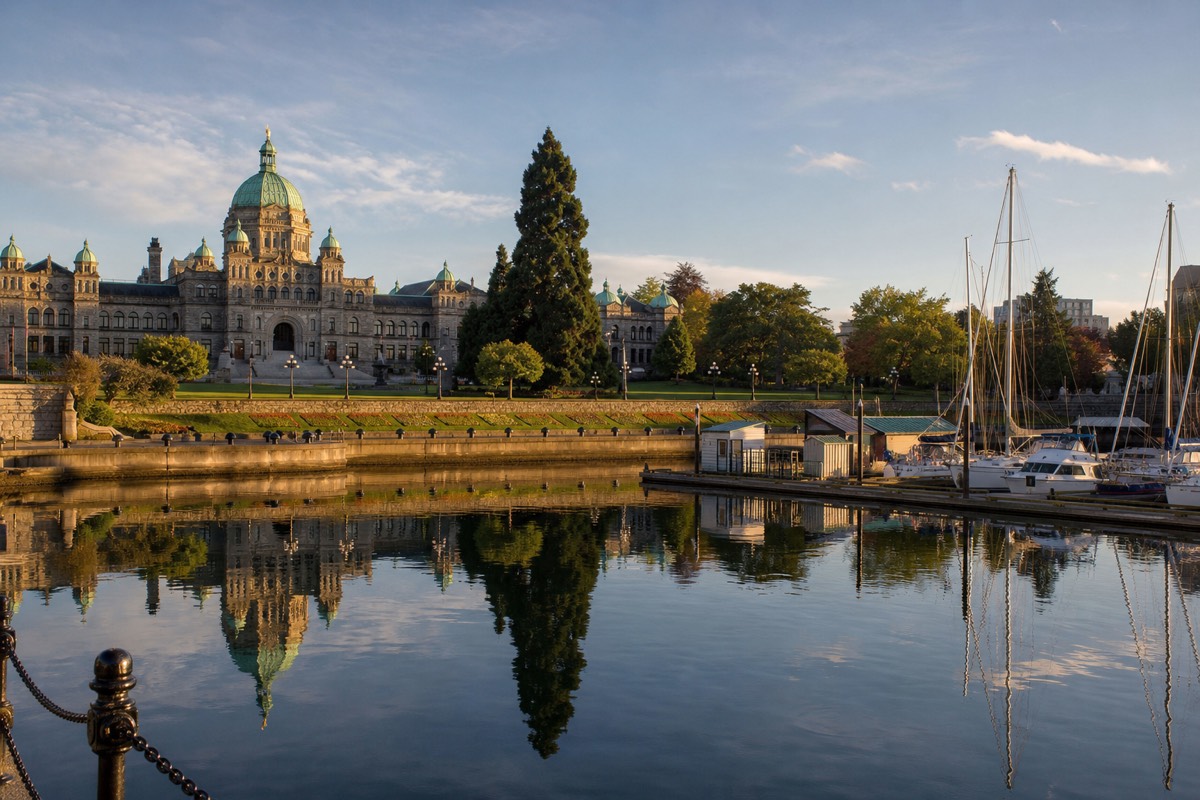
Ask a Victorian where to eat and they almost never point at the Inner Harbour. The waterfront restaurants live off foot traffic and views; the places locals go back to sit a few blocks inland, in the residential villages where rents are lower and the regulars are neighbours. Once you know that pattern, finding a good meal here gets easy.
Where do locals actually eat in Victoria BC?
Locals in Victoria eat away from the harbour tourist strip, in walkable neighbourhoods like Cook Street Village, Fernwood, Fisgard Street in Chinatown, James Bay and Oak Bay. The city runs on independent cafes, seafood, oysters, brunch and farm-to-table cooking built on island produce, and the simplest rule is to walk a few blocks inland from the water.
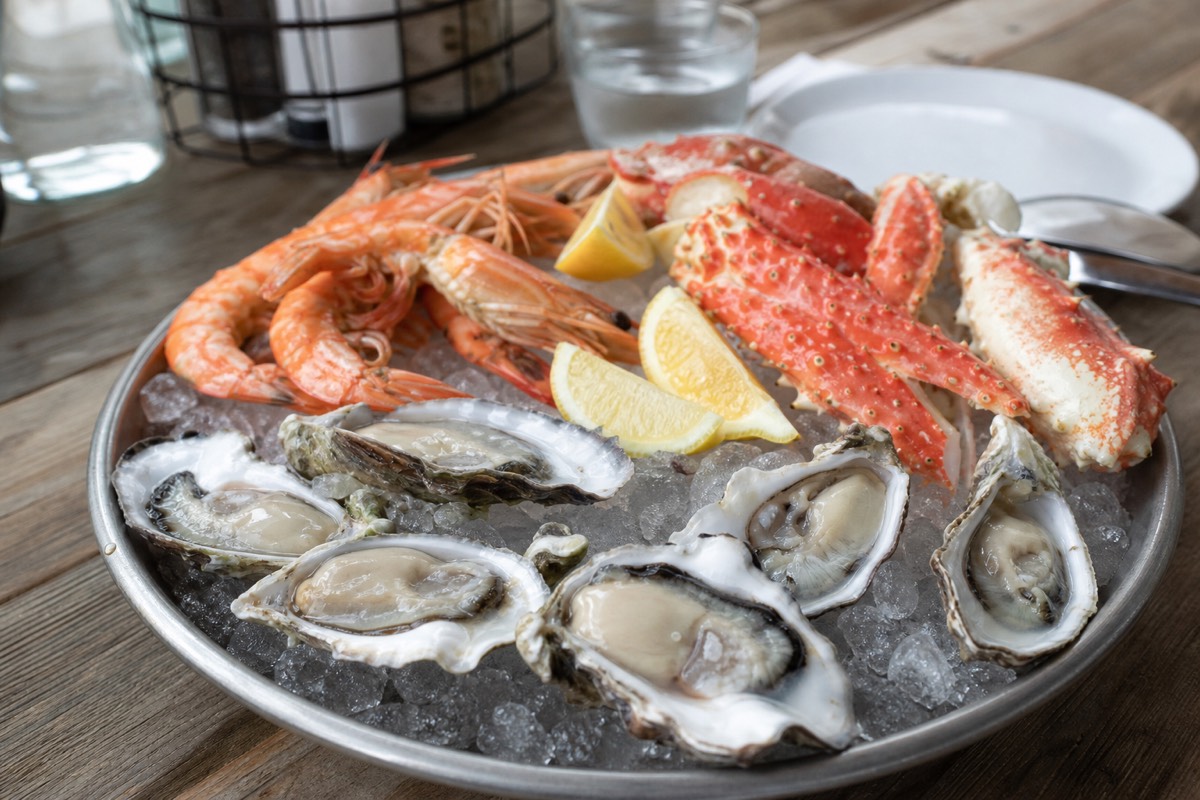
Victoria eats well for its size, and the reason is largely geography. The farms of the Saanich Peninsula and the Cowichan Valley, the fishing boats, and the shellfish beds of Vancouver Island all sit close to the kitchens, so seasonal and local is the default rather than a marketing line. The trick for a visitor is to treat the harbour as a starting point, not a dining destination, and to head for the neighbourhood villages instead. If you are mapping your sightseeing around your meals, our things to do in Victoria guide shows how the districts connect.
Which neighbourhoods do locals eat in?
The go-to local food neighbourhoods are Cook Street Village and Fairfield for cafes and casual dining, Fernwood for a small artsy cluster, Chinatown and the Old Town for everything from noodles to fine dining, James Bay for relaxed brunch near the water, and Oak Bay for a genteel village feel. All are a short walk or quick ride from the harbour.
Each village has its own character, and none is far from the core. Wandering one of them at mealtime, then simply choosing the busiest room with locals in it, is a more reliable strategy than any single recommendation. Here is the shorthand Victorians use.
| Neighbourhood | What it is known for |
|---|---|
| Cook Street Village | Independent cafes, casual bistros, easy walk from Beacon Hill Park |
| Fairfield | Neighbourhood bakeries, brunch, farm-driven menus |
| Fernwood | Small artsy cluster of cafes and casual spots |
| Chinatown and Old Town | Noodles, dumplings, wine bars and chef-driven kitchens |
| James Bay | Relaxed brunch and coffee near the water |
| Oak Bay | Village pubs, tea rooms, a quieter genteel feel |
What food is Victoria BC known for?
Victoria is known for seafood and oysters, farm-to-table cooking that leans on island produce, a strong independent coffee culture, and a big weekend brunch scene. Craft beer and cider are everywhere, and the food-truck and public-market scenes are worth seeking out for a quick, local bite.
The through-line is proximity to the source. Salmon, halibut, spot prawns in their short spring season, Dungeness crab and local oysters all show up on menus that change with what is landing and growing. The coffee scene is genuinely serious, with independent roasters rather than chains defining the neighbourhoods, and weekend brunch is close to a civic ritual. For visitors, the easiest way to eat like a local is to match the food type to the right setting.
| Food type | Where locals find it |
|---|---|
| Seafood and oysters | Old Town oyster bars, neighbourhood seafood spots |
| Farm-to-table | Fairfield and Cook Street bistros, Cowichan Valley producers |
| Coffee | Independent roasters across Cook Street, Fernwood and Fairfield |
| Brunch | James Bay, Fairfield and the Old Town on weekends |
| Quick local bites | Food trucks, Fisherman's Wharf floats, the public market |
Where do locals go for seafood and oysters?
For seafood, locals head to the Old Town oyster bars and neighbourhood seafood rooms rather than the harbour patios. British Columbia is one of the great oyster regions, and island-grown oysters, including those from the well-known beds around Fanny Bay up-island, turn up shucked to order across the city's better bars.
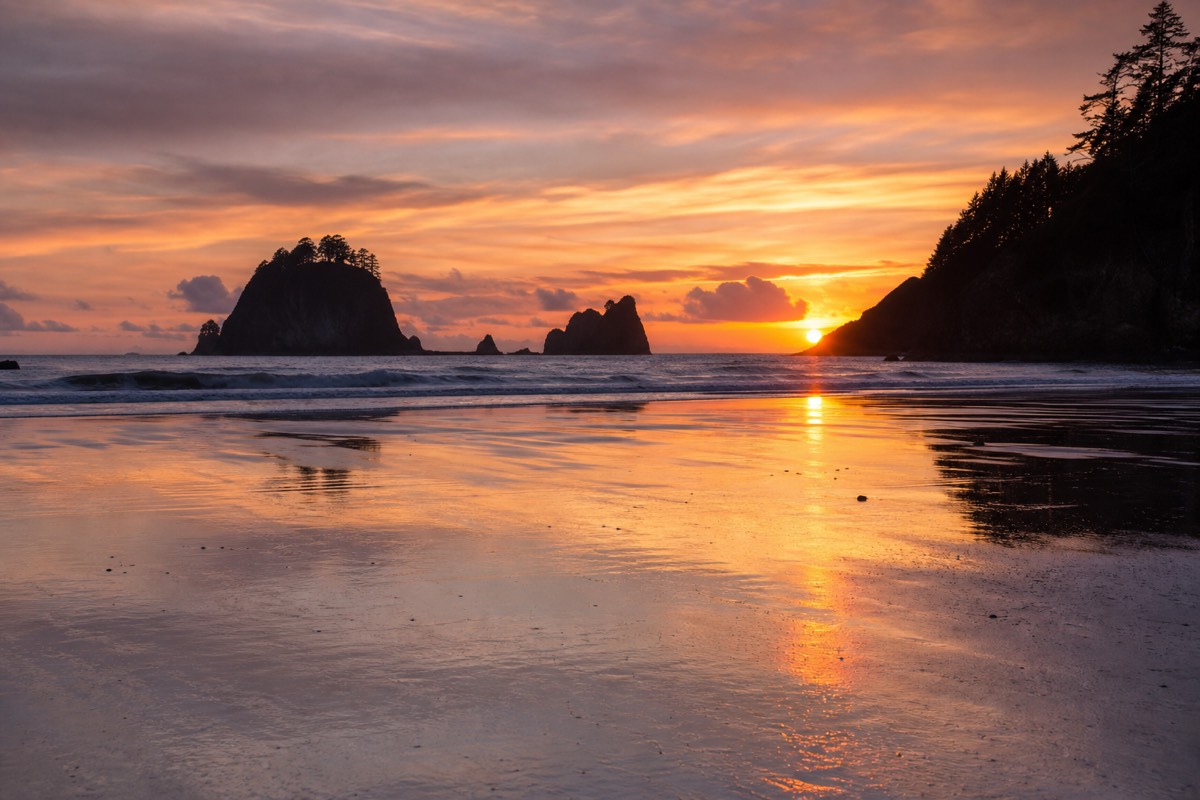
Oysters are the local flex here, and a proper oyster bar will list several island varieties by name and tell you which cove each came from. Spring brings the short, prized spot-prawn season, which local kitchens treat as an event. For something more casual and fun with a view, the floating food stalls at Fisherman's Wharf serve fish and chips right on the docks, seals and all. And if you want your seafood as part of a day out beyond the city, the west coast seals, rainforest and waterfall tour builds in a lunch stop between the beaches and old-growth cedars.
What about Chinatown and the public market?
Chinatown, the oldest in Canada, is a compact food district on Fisgard Street where locals go for noodles, dumplings and late-night bites, with Fan Tan Alley threading through it. Victoria's public market gathers island producers, bakers and food stalls under one roof, and it is a reliable spot to eat and graze like a local.
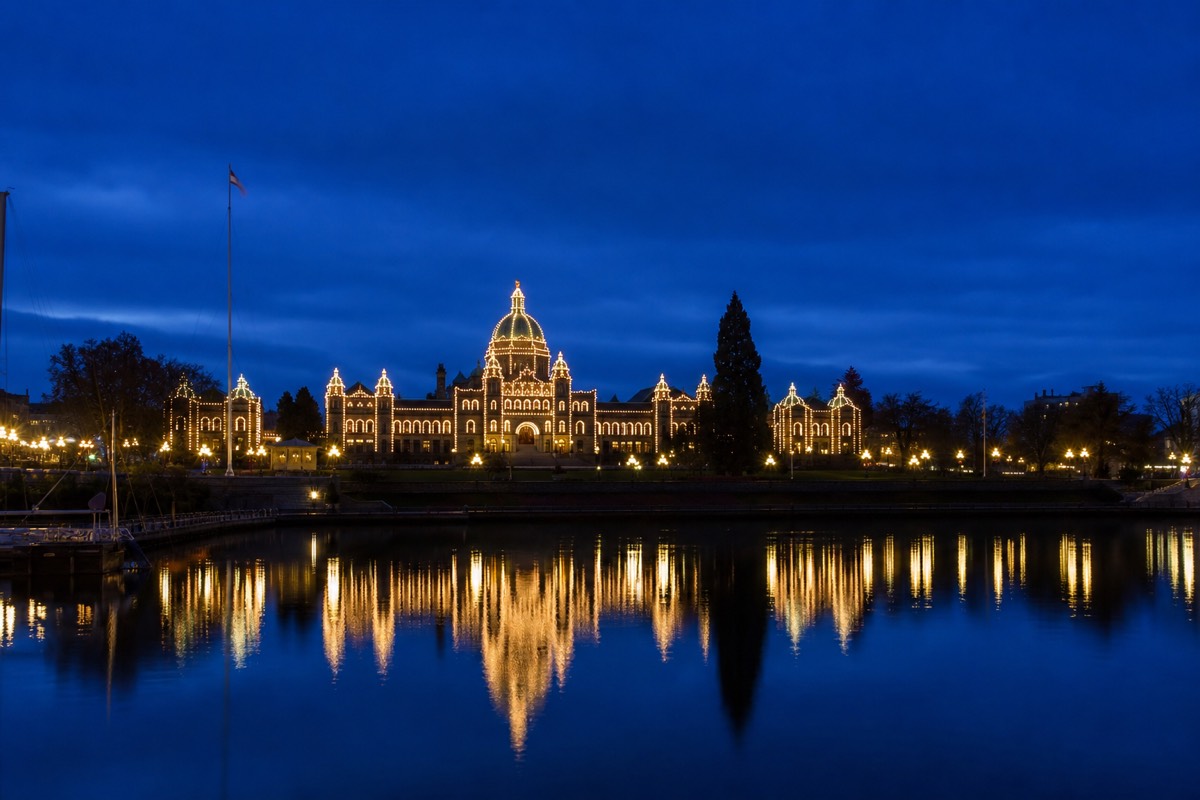
Chinatown packs a lot into a few blocks. Alongside the traditional restaurants and grocers, newer wine bars and chef-driven kitchens have moved into the Old Town around it, so the district now spans dumplings to tasting menus within a two-minute walk. The public market, set in a historic downtown building, is the other easy win: island farmers, a fishmonger, bakers and prepared-food vendors in one place, ideal when your group cannot agree on a single cuisine. Both are close enough to fold into a single afternoon, which our one day in Victoria itinerary does.
How do you find the local spots yourself?
To eat like a local in Victoria, walk inland from the harbour into a neighbourhood village, look for a room full of locals rather than a menu in several languages, ask your host or barista for their own go-to, and follow the island's seasons. The food that defines the city changes with what is being landed and harvested.
A few habits do the work of any guidebook. Pick a village, walk its main street around mealtime, and choose the busy independent spot. Baristas and hosts are a goldmine, because hospitality workers eat out constantly and love sharing where. Chase the season, so spot prawns in spring, oysters in the cooler months, and berries and stone fruit at the height of summer from the island's farms and the Cowichan Valley, which our Cowichan Valley wine country guide covers as a farm-and-vineyard day trip. When you would rather have the whole day arranged, including the good food stops, our team runs guided Vancouver Island day trips from Victoria, and the Butchart Gardens and Malahat SkyWalk day tour leaves you free time in the city to eat where the locals do. More dining and neighbourhood background is collected at vancouverisland.travel.