Cowichan Valley Wine Country: A Day Trip from Victoria
Less than an hour north of Victoria, over the Malahat ridge, the island turns into farm country: cool-climate vineyards, cideries pressing local apples, and kitchens cooking what grows next door. Here is how to spend a day in it.
Let someone else drive. A six-hour Victoria departure includes three winery tastings and a seasonal picnic. Explore the Guided Cowichan Wine Day
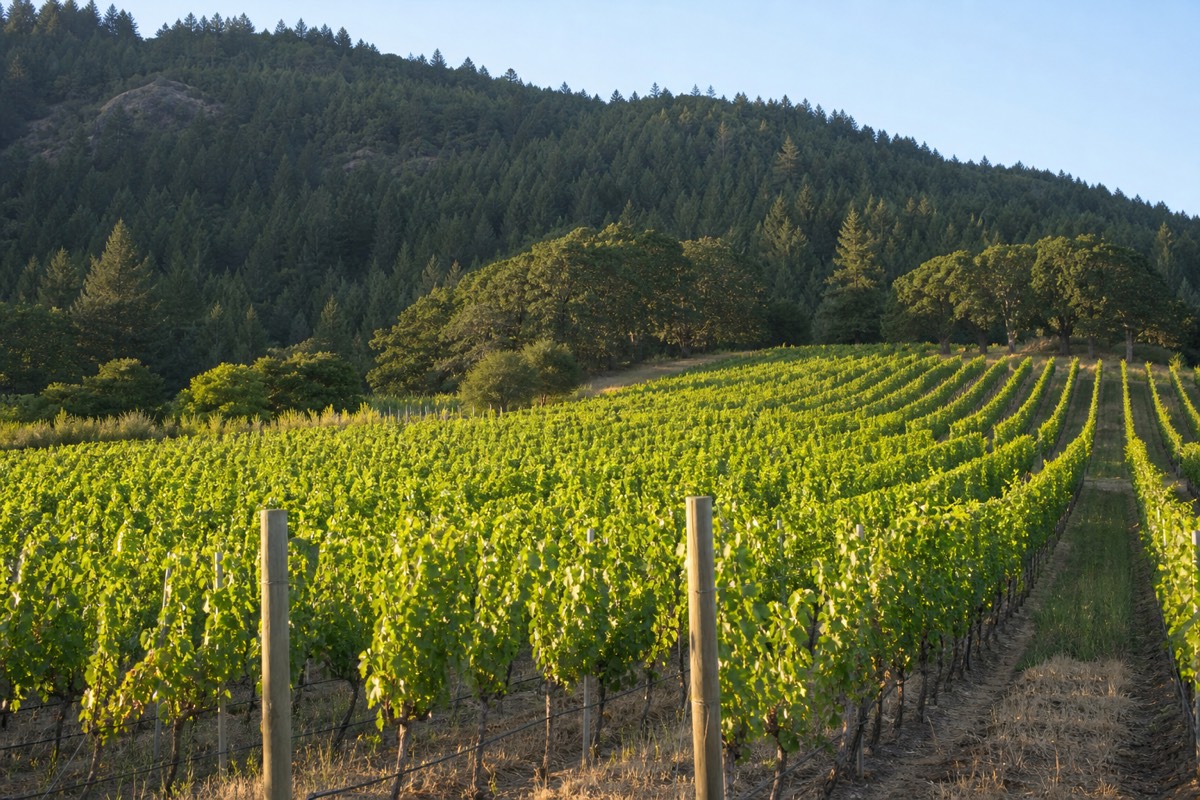
The Cowichan Valley is the part of Vancouver Island that most first-timers drive straight through on their way somewhere else, which is precisely why it rewards the people who stop. Tucked between Victoria to the south and Nanaimo to the north, it sits in one of the mildest pockets of Canada, and that gentle climate is the whole story: it is why grapes ripen here, why the orchards produce cider apples, and why the farm-to-table cooking has something worth cooking. The name is often translated as the warm land, and the growers lean into it.
Our team fields the same question every spring: can you do the valley as a day from Victoria, and is it worth the effort over just staying in the city? The short answer is yes on both counts, with one honest caveat about the driving that we get to below. This guide covers what the region is known for, how to reach it, whether to self-drive or go guided, when to come, and how a wine day slots into a wider island trip.
A quick expectation-setter before we start. This is small-scale, artisanal wine country, not a region of grand estates and bus-tour tasting halls. The pleasure is in the intimacy: family cellar doors, farm kitchens, and the sense that you are drinking something made a few fields away. Come for that and the valley delivers. Come expecting a big-name wine region and you may misjudge it.
A relaxed Cowichan wine day from Victoria, hour by hour
Give each stop real time and keep the count low; the valley rewards a slow day over a checklist.
What is the Cowichan Valley known for?
The Cowichan Valley is known for cool-climate wine, craft cider, and farm-to-table food, plus a strong Indigenous cultural presence. Its maritime climate produces aromatic whites, lighter-bodied reds like Pinot Noir, and sparkling wines, while the orchards feed a cluster of cideries. The valley trades on small, family-run producers rather than large estates.
What sets the region apart from bigger Canadian wine areas is its scale and its style. This is not a place of vast monoculture vineyards. It is a patchwork of small farms, and a tasting day here often mixes wine, cider, cheese, and a farm lunch rather than winery after winery. The cooler maritime growing season favours grapes that keep their acidity and perfume, so the whites and sparkling wines tend to be the standouts, with Pinot Noir the reliable red. Alongside the vines, the apple orchards support a genuine cider culture, and several small kitchens have built reputations on serving what their neighbours grow.
| What to taste or try | Why the valley does it well |
|---|---|
| Aromatic white wines | Cool nights preserve acidity and floral character |
| Sparkling wines | The climate suits crisp, high-acid base wines |
| Pinot Noir and lighter reds | A long, mild season ripens delicate red grapes |
| Craft cider | Established orchards supply local apples |
| Farm-to-table plates | Kitchens cook produce, cheese and meat grown nearby |
| Farmers markets | Small producers sell direct through the warm months |
We deliberately do not publish a fixed count of wineries or name specific estates here, because openings, tasting-room hours, and ownership change from season to season. Check current listings before you set a route, and treat the valley as a cluster to explore rather than a checklist to complete. If food is as much the draw as wine, our piece on where locals eat in Victoria pairs naturally with a day among the valley's kitchens.
The valley also carries a deep Indigenous cultural presence. The Cowichan people have lived here for thousands of years, and that heritage is woven into the region's identity, from the totem carvings around Duncan to the living Coast Salish culture of the wider area. A wine and food day sits alongside that history rather than replacing it, and travellers who make room for the cultural side of the valley tend to leave with a fuller sense of why this pocket of the island feels distinct from the resort towns.
How do you get to the Cowichan Valley from Victoria?
From Victoria you reach the Cowichan Valley by driving north on Highway 1 over the Malahat, which takes roughly 45 minutes to an hour to the first towns and vineyards. There is no direct rapid transit to the wineries, so the practical options are your own car, a private guided vehicle, or a rental, with the scattered rural cellar doors making a car the natural choice.
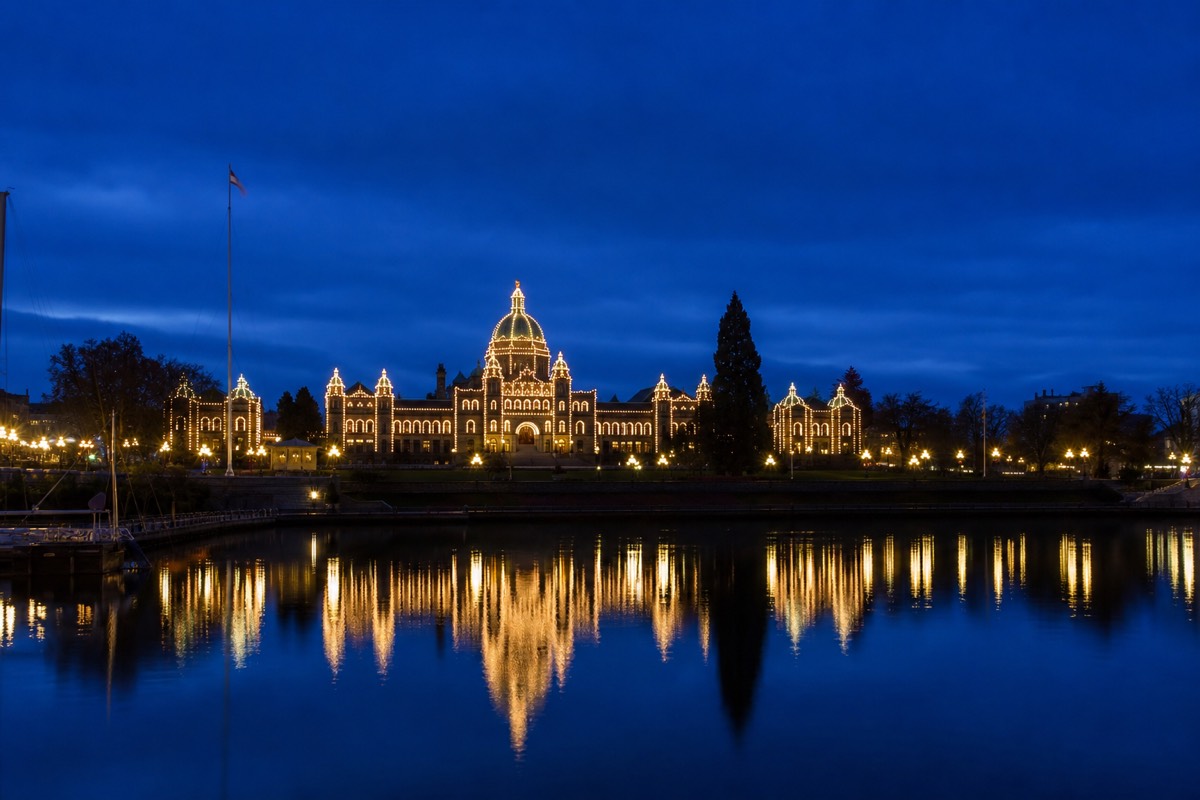
The drive itself is part of the appeal. Highway 1 climbs the Malahat ridge out of Greater Victoria, and the summit stretch delivers wide views over Saanich Inlet before the road drops into the farmland on the far side. That same ridge is where the Malahat SkyWalk sits, which is why a valley day and the SkyWalk often share a corridor. Once you are down into Mill Bay and Cobble Hill, the cellar doors and orchards are spread across country lanes rather than concentrated in one walkable strip, and that geography is the single biggest factor in how you plan the day.
| Way to get there | How it works | Time from Victoria | Notes |
|---|---|---|---|
| Your own car | North on Highway 1 over the Malahat | About 45 to 60 minutes | Most flexible, but someone must stay sober |
| Rental car | Pick up in Victoria, drive out | About 45 to 60 minutes | Same freedom, arrange the driver question |
| Private guided vehicle | Driver and guide for the day | Depends on the itinerary | Solves drinking and driving, higher cost |
| Local wine-tour operator | Small-group cellar-door circuit | Half or full day | Book directly with a valley operator |
If you are coming across from the mainland first, the crossing is a separate step covered in our guide to crossing to the island, and you can check sailings on BC Ferries before you plan the driving day on top.
Because the cellar doors and farm gates are scattered rather than lined up on one main street, the distances between stops are short but constant. You are rarely more than fifteen or twenty minutes from the next producer, yet those minutes add up across a day, which is why a rough loop beats improvising. Map your intended stops before you leave Victoria, group them by area so you are not doubling back over the same country roads, and leave room for the one place you stumble on and want to stay at longer than you planned.
Should you drive yourself or go guided?
Drive yourself if you have a designated non-drinking driver or you plan to taste lightly and spit. Go guided if everyone in your group wants to actually drink, because the cellar doors are spread across rural roads and driving between tastings after sampling is neither legal nor sensible. This is the real decision a wine day turns on.
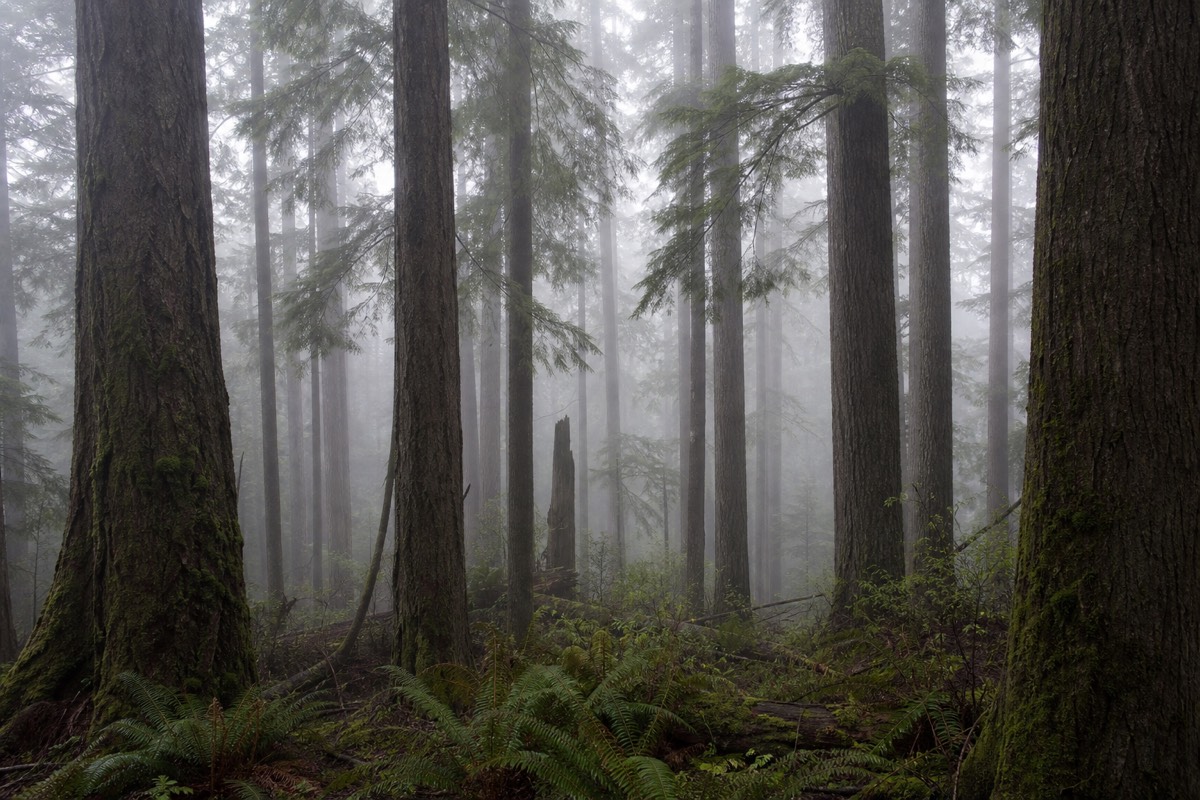
Here is the honest tension. The grounding truth of the valley is that its best experiences are spread out and genuinely reward exploring at your own pace, which argues for a car. But the whole point of a wine day is to taste, and tasting plus driving on winding country roads do not mix. Most self-drive groups solve this by nominating one person as the day's driver, or by tasting small and using the dump bucket. If nobody wants to draw the short straw, a private driver or a dedicated valley wine-tour operator removes the problem entirely.
| Approach | Best for | The trade-off |
|---|---|---|
| Self-drive, designated driver | Groups happy to nominate a driver | One person tastes lightly or not at all |
| Self-drive, taste and spit | Curious tasters, not drinkers | You sample but do not settle in |
| Private guided vehicle | Couples or groups who all want to drink | Higher cost, less spontaneity |
| Local wine-tour operator | Solo travellers and small groups | Fixed route set by the operator |
One route many visitors take is to keep the drinking day self-driven and light, then give a separate day to a fully guided outing where someone else handles the wheel. Our comparison of a guided or self-guided Butchart visit walks through the same driver-versus-guide logic for the gardens, and the reasoning carries straight over to the valley.
If you do self-drive with a designated driver, be fair to the person at the wheel. Many tasting rooms will happily offer a small non-alcoholic pour or a taste to smell rather than swallow, and a good farm lunch gives the driver as much of the day as anyone. Some groups rotate the role across a multi-day trip so nobody misses out entirely. The key is to settle the driving question before the first pour rather than after, because that is the moment good intentions tend to slip.
When is the best time for a Cowichan wine day?
Late summer into early autumn, roughly August through October, is the classic window: tasting rooms are in full swing, the patios are open, and harvest gives the valley its busiest, most atmospheric weeks. Spring is quieter and pretty, summer is peak for markets and dining, and winter runs on reduced hours and a cosy, off-season calm.
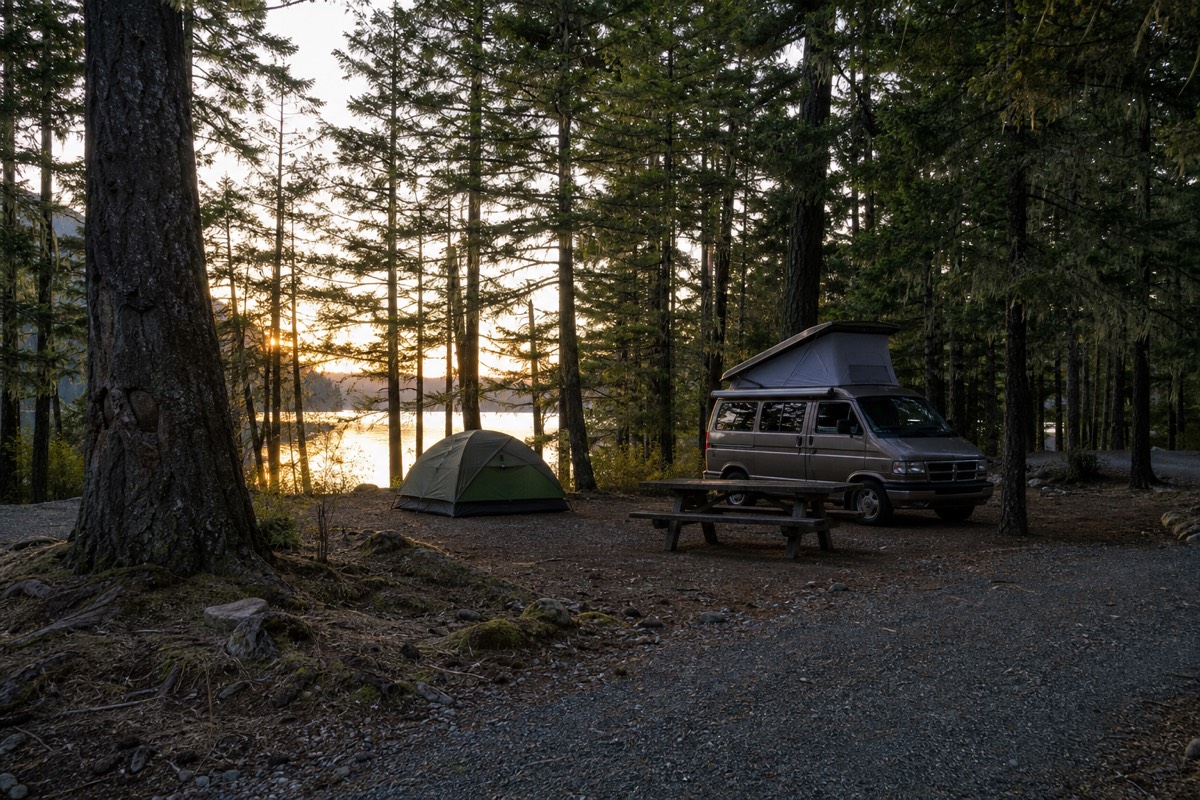
Wine country has a seasonal rhythm that a beach or a garden does not. Cellar doors and farm kitchens keep fuller hours in the warm months and often trim them in winter, so the shoulder and peak seasons simply give you more that is open. Harvest, usually September into October, is the enthusiast's time: you feel the working farm around you, and the light on the valley turns golden. Spring has its own charm, with bud break in the vineyards and the orchards in blossom, and thinner crowds at the tasting bars.
| Season | What is happening | Crowds | Verdict |
|---|---|---|---|
| Spring, March to May | Bud break, orchard blossom, quieter rooms | Light | Pretty and calm, some venues just reopening |
| Summer, June to August | Full hours, patios, farmers markets | Building to peak | Most open, book lunches ahead |
| Harvest, September to October | Crush, events, golden light | Busy | The classic time to come |
| Winter, November to February | Reduced hours, cosy tasting rooms | Lightest | Check openings before you drive out |
If you are still fixing your overall travel dates, weigh the valley's calendar against the island's wildlife and garden seasons in our overview of the best month to visit the island, which lines up whale, bear, and bloom windows month by month.
One practical seasonal note. The valley's outdoor events, long-table dinners, and market days cluster in the warm months, and they can be the highlight of a visit if you time it right. Harvest in particular brings crush activity and celebrations that put the working farm on display. In the colder months the appeal shifts indoors, to fireside tasting rooms and hearty farm cooking, which has its own quiet charm as long as you have confirmed your chosen stops are actually open that week.
What does a Cowichan wine day actually look like?
A well-paced day leaves Victoria mid-morning, crosses the Malahat, and reaches the first cellar door before lunch. You taste at two or three producers, break for a farm lunch, add a cidery or a market in the afternoon, and drive back over the ridge before dinner. Two or three stops beats five; the valley rewards slowing down.
The mistake we see most often is trying to cram in too many tasting rooms. Because the producers are small and spread out, the driving between them adds up, and a rushed six-stop plan turns a relaxed day into a logistics exercise. A better shape gives each stop real time, folds in a proper lunch, and keeps the afternoon loose. The rough timeline below is a planning frame, not a schedule to obey.
| Time of day | What you are doing |
|---|---|
| Mid-morning | Leave Victoria, drive north over the Malahat |
| Late morning | First cellar door as tasting rooms open |
| Midday | Second tasting, then a farm-to-table lunch |
| Early afternoon | A cidery, a cheese maker, or a farmers market |
| Mid-afternoon | One last stop or a walk in a town centre |
| Late afternoon | Drive back over the ridge before dinner |
A day like this pairs beautifully with a night or two in Victoria on either side. For that, our roundup of things to do in Victoria and the tighter single day in Victoria plan help you build the city half of the trip.
Pacing is everything on a day like this. The temptation is to treat each cellar door as a box to tick and keep moving, but the valley is at its best when you let one stop run long. A slow lunch on a farm patio, a tasting where the pourer has time to talk, an unplanned detour to a roadside fruit stand: these are the moments people remember, not the fifth winery crammed in before closing. Build the day around two or three anchors and let the gaps between them stay soft.
Which towns should a first-timer aim for?
First-timers do best anchoring around Cowichan Bay, Cobble Hill, and Duncan, the cluster where cellar doors, cideries, and farm kitchens sit closest together. Cowichan Bay is the waterfront slow-food village, Cobble Hill and Mill Bay hold vineyards, Duncan is the valley's main town, and Chemainus adds its famous murals to the north.
Knowing the towns helps you draw a sensible loop rather than crisscrossing the valley. The southern towns nearest the Malahat put you into vineyard country soonest, while the central hub around Duncan concentrates the services, the market days, and the cultural sights. You do not need to see them all in a day; pick a couple that suit your interests and build outward.
| Town | Known for |
|---|---|
| Mill Bay and Cobble Hill | Vineyards closest to the Malahat |
| Cowichan Bay | Waterfront slow-food village, cafes and cheese |
| Duncan | The valley hub, totem poles, markets |
| Lake Cowichan | Riverside town, tubing and swimming in summer |
| Chemainus | Large outdoor murals and small galleries |
Duncan is often called the City of Totems for the carvings set around its downtown, a nod to the strong Cowichan cultural presence the whole valley carries. You can read more of the regional context on the Cowichan Valley reference page before you go.
For a first visit, resist the urge to cover the whole valley. Choose the southern cluster around Cowichan Bay and Cobble Hill if wine and waterfront dining are the priority, or base your loop on Duncan if you want the markets, the totem walk, and easy access in several directions. Chemainus and its murals make a worthwhile add-on if you are carrying on north toward Nanaimo rather than looping back to Victoria, which is a natural way to fold the valley into a longer island route rather than a single day.
How should you plan and budget?
Budget for tasting fees at each cellar door, a farm lunch, and either a designated driver or a hired one. Book lunch ahead in summer, confirm winter opening hours before you set out, and keep the stop count low. Tasting fees are modest and often waived with a bottle purchase, but they add up across several producers.
The valley is not an expensive day out compared with a private tour or a boat excursion, but a few planning moves make it smoother. Tasting fees vary by producer and are frequently credited back if you buy a bottle, so factor a small allowance per stop rather than a fixed figure. Reservations matter more than people expect at the popular farm kitchens, especially on summer weekends. And because rural tasting rooms can close early or seasonally, a quick check of current hours saves a wasted drive.
| Plan-ahead item | Why it matters |
|---|---|
| Tasting-fee allowance | Small per-stop cost, often waived on purchase |
| Lunch reservation | Popular farm kitchens fill on summer weekends |
| Opening hours | Rural rooms close early or seasonally |
| Designated driver | Legal and safe way to actually taste |
| Cash or card for markets | Small producers may prefer one over the other |
Costs stay reasonable if you plan lightly. Beyond tasting fees and lunch, the main variables are how far you drive and whether you buy bottles to carry home, and neither has to be large. Set against a boat excursion or a private full-day tour, a self-driven valley day is one of the better-value experiences on the island, which is part of why it pairs so naturally with a pricier outing on another day of the same trip.
How does a wine day fit a wider Victoria trip?
A Cowichan wine day works best as one day inside a two or three night Victoria base, alongside a garden day, a city day, or a wild-coast outing. If you want a fully guided day where someone else drives, the Malahat corridor and the island's south coast offer strong alternatives to a self-driven tasting run.
For travellers who would rather not drive at all, two of our featured Victoria departures cover the same broad terrain in a fully guided format. The Butchart Gardens and Malahat SkyWalk day tour, rated 4.9 across nearly a thousand bookings, runs north out of Victoria over the very ridge that opens the valley, pairing the gardens with the elevated SkyWalk high above Saanich Inlet. It is not a winery crawl, but it is the guided way to experience the corridor and the views without touching a steering wheel.
The valley also rewards a return visit. First-timers tend to sample it as a single day, then come back on a later trip to go deeper, chasing a particular cidery, a long-table dinner, or a harvest weekend they heard about the first time round. Treat this first day as a taste rather than the whole meal. You will leave with a shortlist for next time rather than the false sense that one afternoon has shown you everything the region holds, which it rarely has.
If your taste runs more to wild coast than cellar door, the west-coast seals and rainforest day tour, a full guided day with a picnic lunch, ancient cedars, and beach stops, makes a good alternative or a second-day pairing when you want nature and a meal outdoors rather than tastings. Between a valley day, a garden day, and a coast day, a Victoria base fills easily. Start browsing the guided day tours from Victoria to see how the pieces fit, and cross-reference the wider region at vancouverisland.travel.