Getting to Vancouver Island: BC Ferries, Seaplane, and Flights
There is no bridge to Vancouver Island, so every route across involves water. Here is how the ferries, seaplanes, and flights actually work, what each costs, and which crossing fits your trip.
Choose the crossing around your destination. A through coach-and-ferry transfer simplifies a car-free arrival in downtown Victoria. Check Vancouver Coach Transfer Dates
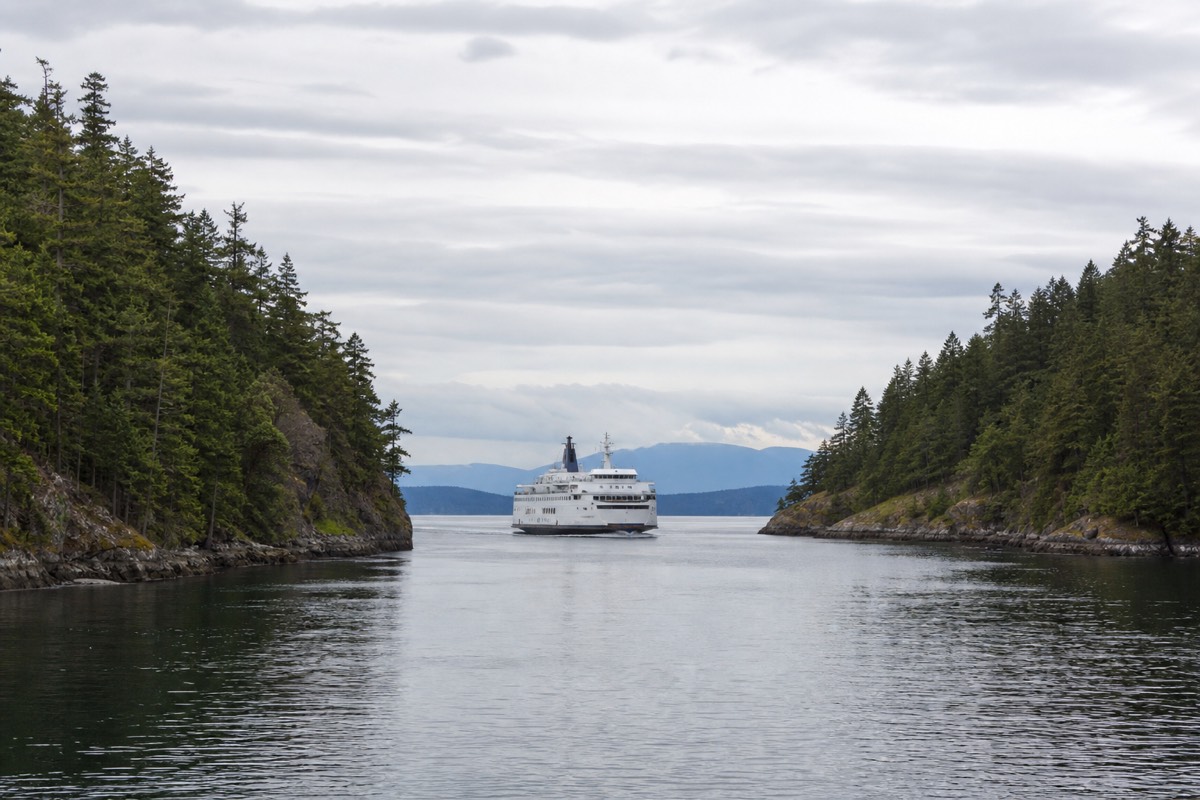
The Salish Sea is the reason getting to Vancouver Island feels different from reaching most places you drive to. There is no bridge. Every route across involves water, whether that is a ferry deck, a floatplane pontoon, or a helicopter window, and that single fact quietly shapes the whole trip: what you pack, how early you leave, whether you bring the car, and how much of your first day disappears into the crossing.
The reassuring part is that the options are well worn. Millions of people make this crossing every year, the operators run it on a timetable, and once you understand the handful of real choices, planning it takes about ten minutes. Below is how each way across works, what it costs, and which one fits the trip you are taking.
Quick answer: most visitors take BC Ferries from Tsawwassen, south of Vancouver, to Swartz Bay near Victoria, a sailing of one hour and thirty-five minutes through the Gulf Islands, for roughly $20 to $22 CAD as a foot passenger or about $55 to $75 CAD for a vehicle. It is the best balance of cost, convenience, and scenery. When speed matters more than money, a seaplane from downtown Vancouver reaches Victoria's Inner Harbour in about 35 minutes. The Hullo fast ferry links downtown Vancouver with Nanaimo for foot passengers, and guided day trips handle every crossing for you.
Crossing time from Vancouver to the Island, by option
Typical one way flight and sailing times between Vancouver and Vancouver Island; door to door adds terminal and drive time at each end.
What is the best way to get to Vancouver Island?
For most travellers it is BC Ferries from Tsawwassen to Swartz Bay: around $20 to $22 CAD on foot, a sailing of one hour and thirty-five minutes, and Gulf Islands scenery the whole way across. Choose a seaplane when time is short and budget is not, bring your own car only if you plan to roam well beyond Victoria, and let a guided tour carry the logistics if you are crossing over just for the day.
There is no single right answer, because the best crossing depends on what you are doing once you land. A traveller spending three nights in Victoria and never leaving the south end wants a very different setup from someone driving the length of the island to Tofino. The four questions that decide it are simple: how much time do you have, how much are you willing to spend, do you need a car on the island, and are you staying over or coming back the same day.
Distance frames all of it. Vancouver Island runs about 460 kilometres along the coast, and the two visitor bases that matter most sit at opposite ends of that stretch. Victoria anchors the southeast, a compact walkable capital an easy crossing from the mainland. Tofino sits on the exposed west coast, roughly 315 kilometres and four and a half hours of driving from Victoria. Where you are headed decides not just which crossing to take, but whether the crossing lands you close to your first night or hands you a long onward drive.
The table below lays out every practical option side by side. Prices are in Canadian dollars and move with season and demand, so treat them as planning allowances and check the live fares before you travel. The one constant is that the ferry underprices every other crossing by a wide margin, and the seaplane beats every other crossing on time.
| Option | Route | Time | Typical cost, one way | Scenery | Best for |
|---|---|---|---|---|---|
| BC Ferries, on foot | Tsawwassen to Swartz Bay | 1 h 35 min sailing | About $20 to $22 CAD | Excellent, Gulf Islands | Most visitors and day-trippers without a car |
| BC Ferries, with a car | Tsawwassen to Swartz Bay | 1 h 35 min sailing | About $55 to $75 CAD per vehicle, plus passengers | Excellent | Anyone touring beyond Victoria |
| BC Ferries | Horseshoe Bay to Departure Bay, Nanaimo | About 1 h 30 min | Similar vehicle fares | Very good, Howe Sound | Central island or a Tofino run |
| Seaplane | Vancouver Harbour to Victoria Harbour | About 35 min | Premium | Spectacular, aerial | Speed and special occasions |
| Helicopter | Vancouver to Victoria | 30 to 40 min | Premium plus | Spectacular | The fastest crossing, a splurge |
| Hullo fast ferry | Downtown Vancouver to Nanaimo | Foot passengers only | Mid-range | Good | Central-island trips without a car |
| Guided day tour | From Vancouver, crossing included | Full day | From around $244 per person | Excellent | A day trip with zero planning |
How does the BC Ferries crossing work?
Two routes carry almost everyone. Tsawwassen to Swartz Bay drops you 30 to 45 minutes north of Victoria and takes one hour and thirty-five minutes across the southern Gulf Islands. Horseshoe Bay to Departure Bay lands you in Nanaimo in roughly an hour and a half, which is the smarter choice if you are heading up-island or across to Tofino.
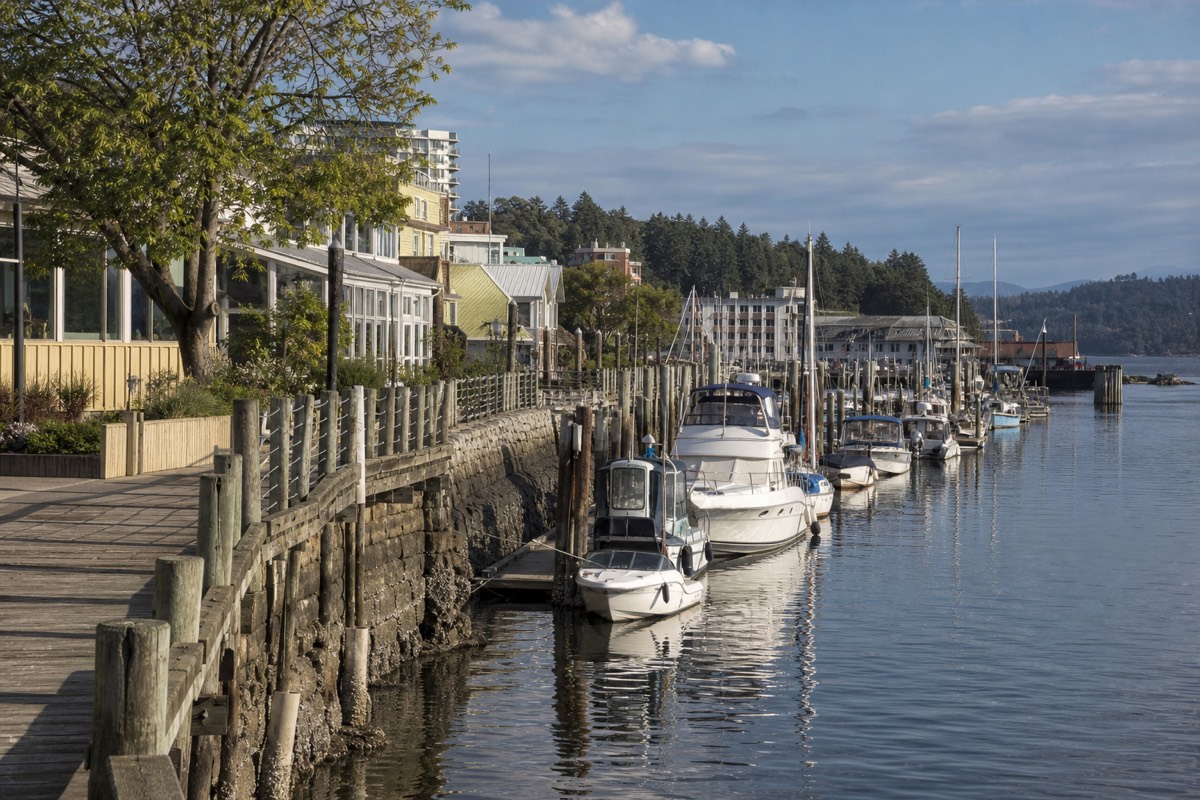
The Tsawwassen sailing is the busiest ferry route in British Columbia, and it earns its reputation on the water. The boat threads between the southern Gulf Islands through Active Pass, a current-swept narrows where the shorelines close in near enough that you can pick out individual docks and houses, and resident bald eagles work the ridgelines above. The morning light on that passage is one of the quietly beautiful half-hours in BC travel, so head up to the outer decks rather than staying below.
The water itself has a longer story than the ferry service. This is the Salish Sea, the traditional territory of the Coast Salish peoples, and the channels between the Gulf Islands were the primary Indigenous travel corridor on this stretch of the Pacific coast for thousands of years before any vessel ran to a timetable. The islands you pass are a genuine archipelago of small forested landmasses set between the mainland and Vancouver Island, and on a clear crossing you get mountain views in both directions, the Coast Mountains behind you and the island ranges ahead. For a sense of the region as a whole, the broader picture at Vancouver Island is a useful primer before you go.
Terminals sit outside the city cores, which is the part first-timers underestimate. Tsawwassen is about 45 to 60 minutes from downtown Vancouver by car or taxi, and Swartz Bay is 30 to 45 minutes north of Victoria. Build that into your timing. On the Horseshoe Bay route, the terminal is in West Vancouver and the Nanaimo arrival at Departure Bay puts you within striking distance of the central island and the Highway 4 turn toward the west coast.
You can check sailing times and book at BC Ferries directly. Vehicle reservations are held until 30 minutes before departure, so plan to reach the terminal with a comfortable buffer rather than sprinting for the loading lane.
| Route | From | To | Sailing time | Lands you near |
|---|---|---|---|---|
| Southern crossing | Tsawwassen, south of Vancouver | Swartz Bay | 1 h 35 min | Victoria, 30 to 45 min south |
| Central crossing | Horseshoe Bay, West Vancouver | Departure Bay, Nanaimo | About 1 h 30 min | Nanaimo, Cathedral Grove, the Tofino road |
Should you bring a car or travel as a foot passenger?
Bring a car only if you plan to explore beyond Victoria, because the vehicle fare and summer reservations add cost and planning. Foot passengers cross far cheaper, at roughly $20 to $22 CAD each way, usually board without a reservation, and can rely on transit, taxis, and guided tours once they land. For a Victoria-only trip, walking on is almost always the better call.
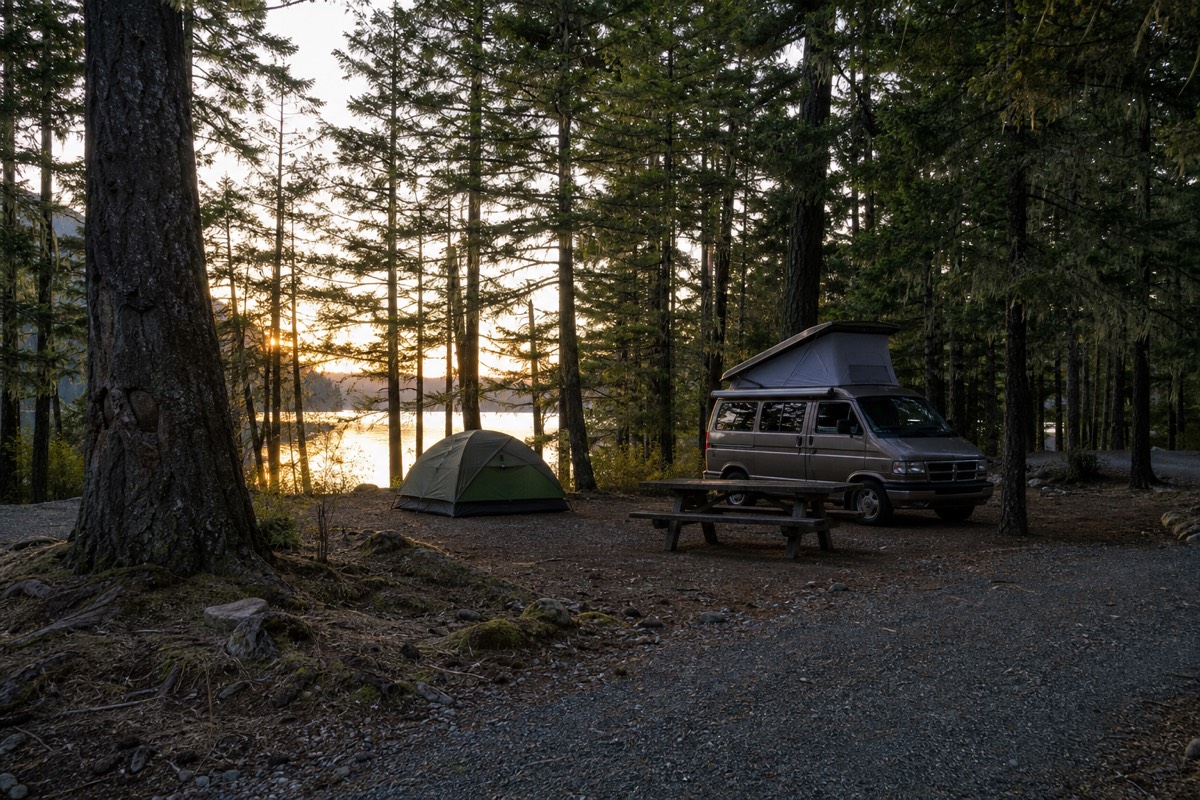
The gap in cost is real. A vehicle plus its passengers can run three to four times the price of the same people walking on, and in July and August a car also commits you to reserving a specific sailing ahead of time. Against that, a car buys freedom: Goldstream Provincial Park, the Cowichan Valley wineries, the Malahat, and the long drive up-island to Campbell River are all genuinely better at your own pace.
If the island beyond the south end is on your list, a car earns its fare, and our guide to island road trips and scenic drives maps the routes worth the effort. If you are staying in and around the capital, skip it. Victoria is compact and walkable, and the sightseeing that draws most visitors, from the Inner Harbour to Butchart Gardens, is well covered by what to do once you reach Victoria without ever touching a steering wheel.
| Factor | Bring a car | Travel on foot |
|---|---|---|
| Cost each way | About $55 to $75 CAD vehicle, plus passenger fares | About $20 to $22 CAD |
| Summer booking | Reserve 2 to 4 weeks ahead | Usually board the same day |
| Getting around Victoria | Easy parking pressure downtown | Walkable, plus transit and tours |
| Reaching Tofino or up-island | The practical way to do it | Harder without a tour or rental on arrival |
| Best suited to | Multi-stop island touring | Victoria-focused and day trips |
How fast is the seaplane, and is it worth it?
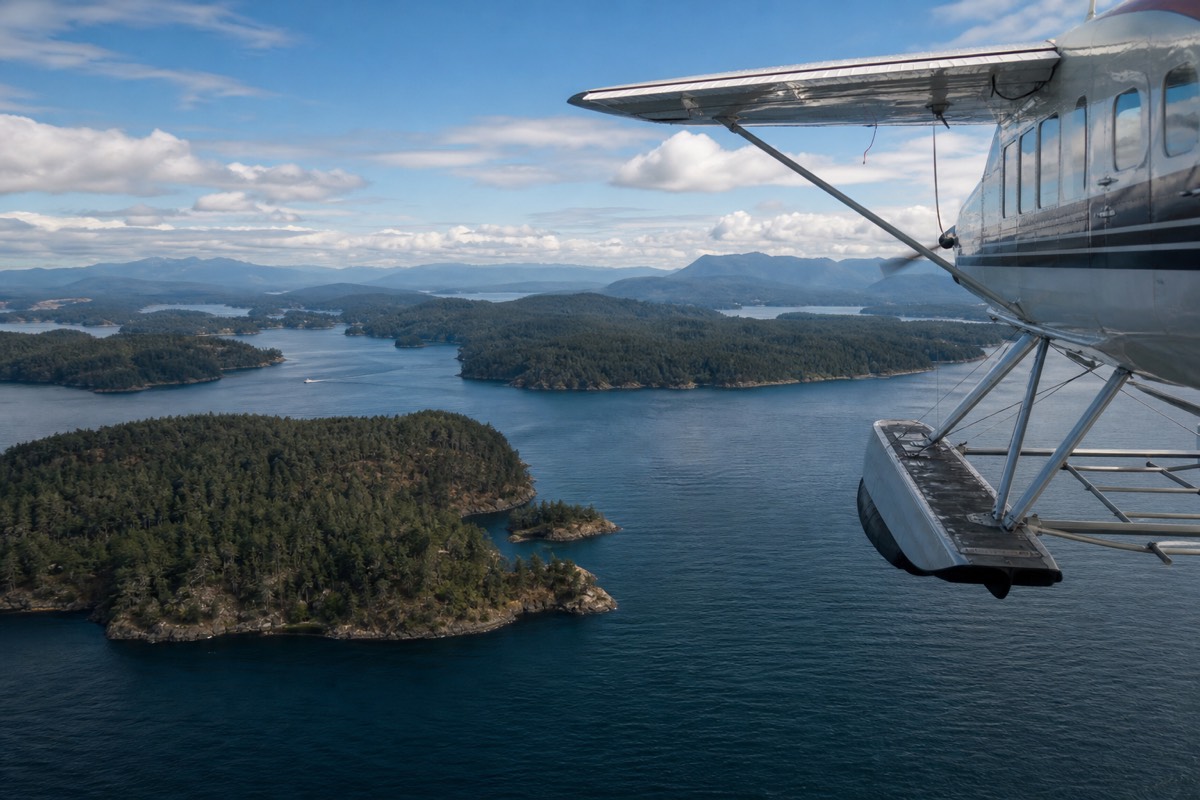
A seaplane crosses from downtown Vancouver's Coal Harbour to Victoria's Inner Harbour in about 35 minutes, landing you in the middle of the city rather than at a terminal outside it. It costs several times the ferry fare, but the flight sweeps over Stanley Park, Lions Gate Bridge, and the Gulf Islands, and it turns the crossing itself into one of the trip's highlights.
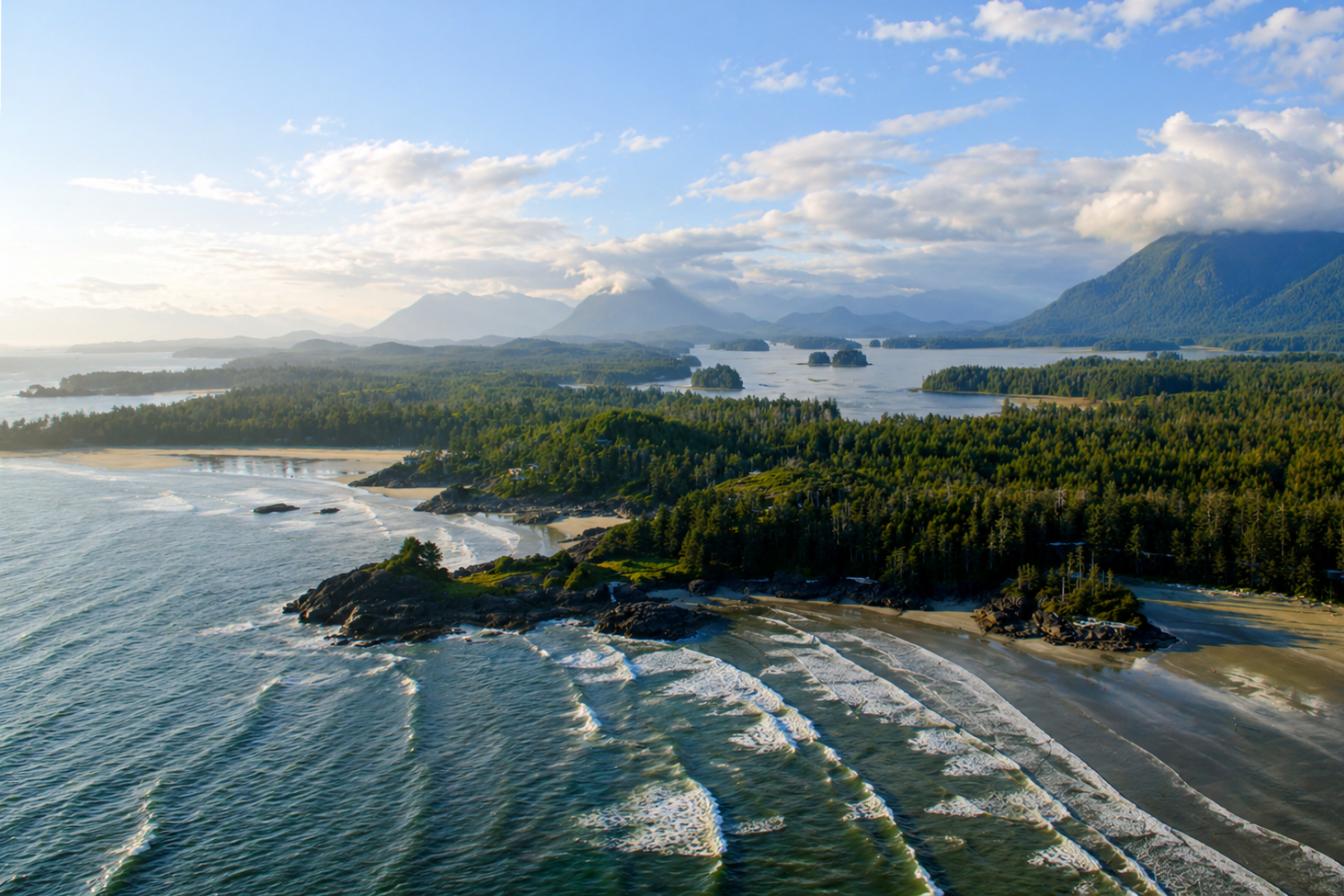
The time saving is bigger than the raw 35 minutes suggests, because the seaplane skips both terminals and the drives to reach them. You leave the downtown harbour and arrive at the downtown harbour, no shuttle at either end. For travellers on a tight schedule, or anyone marking an occasion, that door-to-door speed is the real product.
The most popular way to use it is to fold the flight into a full day. The seaplane and whale watching day trip pairs the 35-minute flight with a three-hour cruise on the Salish Sea searching for orcas and humpbacks, and it currently runs around $558 per person, so check the live listing for the day you want. If wildlife is the main draw, our overview of whale watching from Victoria covers where and when sightings are most reliable.
What about the helicopter and the Hullo fast ferry?
A helicopter is the quickest crossing of all at 30 to 40 minutes, and priced accordingly, so it suits a rare splurge more than a routine trip. The Hullo fast ferry is a foot-passenger catamaran linking downtown Vancouver with Nanaimo, markedly faster than the drive-and-ferry combination and a strong pick for a car-free trip to the central island.
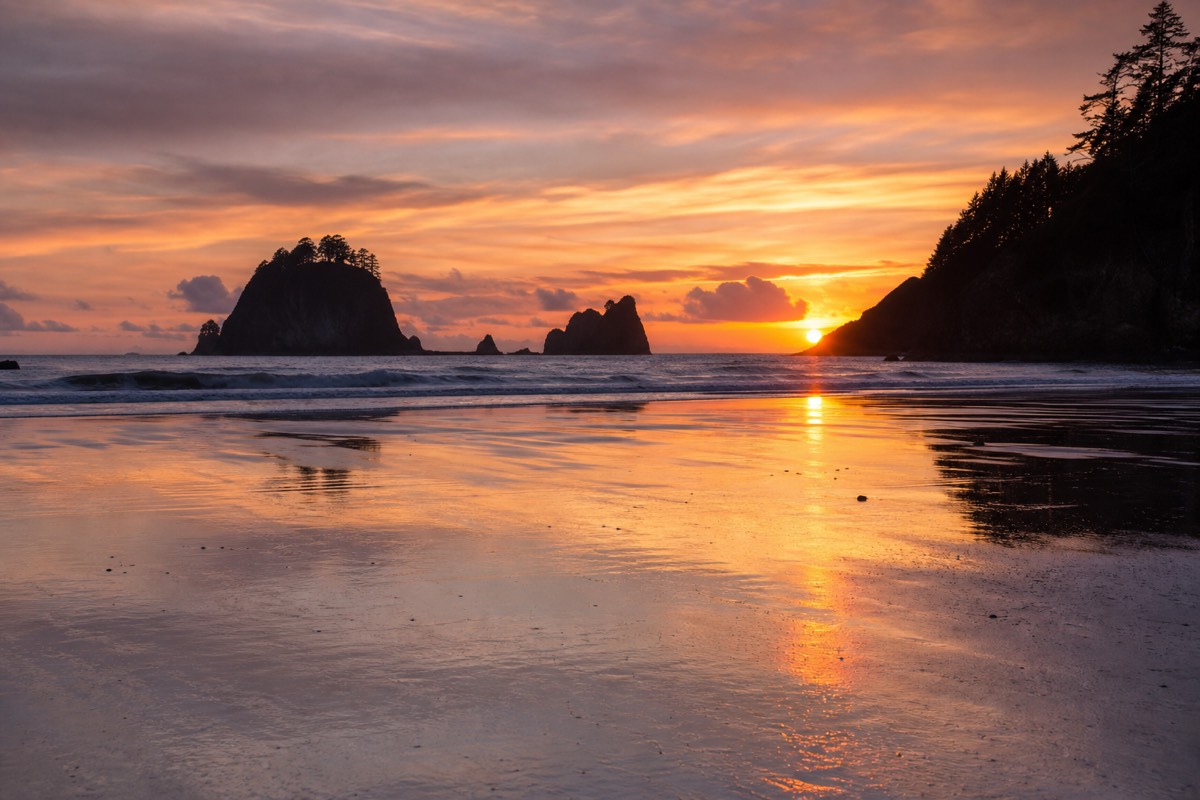
The helicopter and the seaplane serve the same instinct, which is to trade money for time and a view. Between them the seaplane is the more common choice, since it costs less and lands in the harbour, but both put you across the strait before a ferry has finished loading.
The Hullo is the newer option worth knowing about. It carries foot passengers only, so it is not a way to bring a car, but it connects two downtown waterfronts and lands you in Nanaimo, which is a useful base and the natural gateway to the Highway 4 drive west. If you are weighing the central island against the south, the fast ferry reshapes that decision, and so does the question of where to base yourself for the kind of trip you want.
| Option | Route | Time | Carries cars? | Cost tier |
|---|---|---|---|---|
| Seaplane | Coal Harbour to Inner Harbour | About 35 min | No | Premium |
| Helicopter | Vancouver to Victoria | 30 to 40 min | No | Highest |
| Hullo fast ferry | Downtown Vancouver to Nanaimo | Foot passengers | No | Mid-range |
Can you fly to Vancouver Island?
Yes. Victoria International Airport sits 26 kilometres north of the city and takes connections from Vancouver, Calgary, Edmonton, and Seattle. Nanaimo Airport serves the central island, and the small Tofino-Long Beach Airport takes prop-plane connections from Vancouver straight to the west coast, which skips the long drive entirely.
For international visitors, the usual pattern is to land at Vancouver International Airport on the mainland and cross by ferry or seaplane, which delivers that first-day sense of the coast. But flying direct to the island is often the smarter move if your trip is anchored to one region. A traveller heading straight to Tofino, for instance, can save the four-and-a-half-hour drive by taking a prop plane to Long Beach.
Victoria International is the most convenient entry point when your plans centre on the south island, with domestic connections arriving daily and a drive of well under an hour into the city. If you would rather have the full ferry crossing as part of the experience, fly into Vancouver on the mainland and cross by water instead. Either way, leave yourself a buffer between a connecting flight and a fixed ferry or tour, because the crossings run to their own schedule and a missed sailing cannot be hurried across the strait.
Which airport suits you comes back to where you are staying. The table below matches each gateway to the kind of trip it serves best.
| Airport | Code | Location | Serves | Good for |
|---|---|---|---|---|
| Victoria International | YYJ | 26 km north of Victoria | Vancouver, Calgary, Edmonton, Seattle | South-island trips |
| Nanaimo | YCD | Central island | Domestic connections | Central island and the Tofino drive |
| Tofino-Long Beach | YAZ | West coast | Prop-plane connections from Vancouver | Going straight to Tofino and Ucluelet |
Which crossing is best for a day trip from Vancouver?
For a same-day return, a guided day tour or a seaplane beats self-driving, because a car-and-ferry day trip leaves only four to six hours on the island against 12 to 14 hours of round-trip travel. If you want to actually see Victoria and Butchart Gardens rather than watch them go past, let someone else handle the crossing and the timing.
The arithmetic is unforgiving. Taking your own car across and back in a day means the ferry alone eats over three hours of return sailing, plus the terminal drives, plus loading. Here is how a realistic self-drive day breaks down on the Tsawwassen to Swartz Bay route:
- Drive or taxi to Tsawwassen terminal: 45 to 60 minutes from downtown Vancouver.
- Ferry crossing: 1 hour 35 minutes.
- Drive from Swartz Bay to Victoria: 30 to 45 minutes.
- Time actually on the island: only 4 to 6 hours if you catch an early ferry and return the same day.
- Total round trip, door to door: 12 to 14 hours.
That is why so many day-trippers hand the logistics off. The guided Victoria and Butchart Gardens day trip from Vancouver builds the ferry crossings, a guided walk through the Inner Harbour, free time in the city, and the gardens into a single organised day, currently from around $244 per person with both crossings included, so check the live listing for your date. A seaplane, by contrast, buys you more hours on the island by cutting the crossing to 35 minutes each way. To compare the full range of formats, browse the Vancouver Island tours that leave from Vancouver.
| Approach | How it works | Time on the island | Best for |
|---|---|---|---|
| Drive plus ferry, same day | Self-drive, Tsawwassen to Swartz Bay and back | Only 4 to 6 hours | Independent travellers happy with a very long day |
| Seaplane, same day | Fly over, more hours in the city | Meaningfully more | Those who value time over cost |
| Guided day tour | Crossing, transport, and stops handled | A full guided day | First-timers, no car, no planning |
Honestly, a day trip only ever gives you a taste. If Victoria and the island are the point of the trip rather than a side excursion from Vancouver, it is worth reading how many days you actually need on the island before you lock in a single hurried day.
How far ahead should you book the ferry in summer?
Book vehicle space two to four weeks ahead for June through September, the peak window on the busiest ferry route in the province. Foot passengers can usually walk on the same day year-round. In the shoulder months and winter, even vehicles are generally fine booking a few days out, and reservations are held only until 30 minutes before departure.
Summer weekends are when the Tsawwassen sailings fill, and they fill from confirmed vehicle reservations rather than at the ramp. If your dates are fixed and you are bringing a car, that is the situation to plan for. Walk-on passengers have far more slack, which is one more quiet argument for crossing on foot when a Victoria-only trip allows it.
One practical note that trips people up: a held reservation is released 30 minutes before the sailing, so arriving with a buffer is not optional in high season. Give yourself the terminal time. The table below is a rough guide to how far ahead to plan by season.
| Season | On foot | With a vehicle | Notes |
|---|---|---|---|
| June to September | Usually board same day | Reserve 2 to 4 weeks ahead | Sailings fill on busy weekends |
| Shoulder, April to May and October | Walk on | Book a few days ahead | Moderate demand |
| Winter | Walk on | Usually fine day-of | Quietest sailings |
Coming from the United States changes the map entirely, since the direct crossings run to Victoria from the American side rather than from Vancouver. If that is your route, cross from Seattle or Port Angeles instead covers the passenger and vehicle ferries, the border formalities, and which one suits your trip. Whichever way you come across, the water is part of the experience rather than an obstacle to it, and the first time the Gulf Islands slide past the deck, the planning stops mattering.
Put the pieces together in the right order and the crossing becomes the easy part of the trip. Fix your dates, pick the crossing that matches how you want to move around the island, reserve a vehicle sailing early if you are bringing a car in summer, and give yourself a buffer at every terminal and gate. For destination background beyond the logistics, the regional tourism resource at Vancouver Island Travel is a solid starting point, and once you know which end of the island you want, the rest of the planning falls into place quickly. The strait is only a barrier until you are on it. After that, it is the reason the place feels like a world of its own.