Whale Watching on Vancouver Island: Where, When & Which Boat
Where to launch, which whales run in each season, whether to take an open Zodiac or a covered boat, and how to tell a responsible operator from a careless one.
Choose your launch point and boat before fixing the island route. Compare covered Victoria, open Nanaimo and north-island cultural wildlife trips. Explore the covered Victoria whale cruise
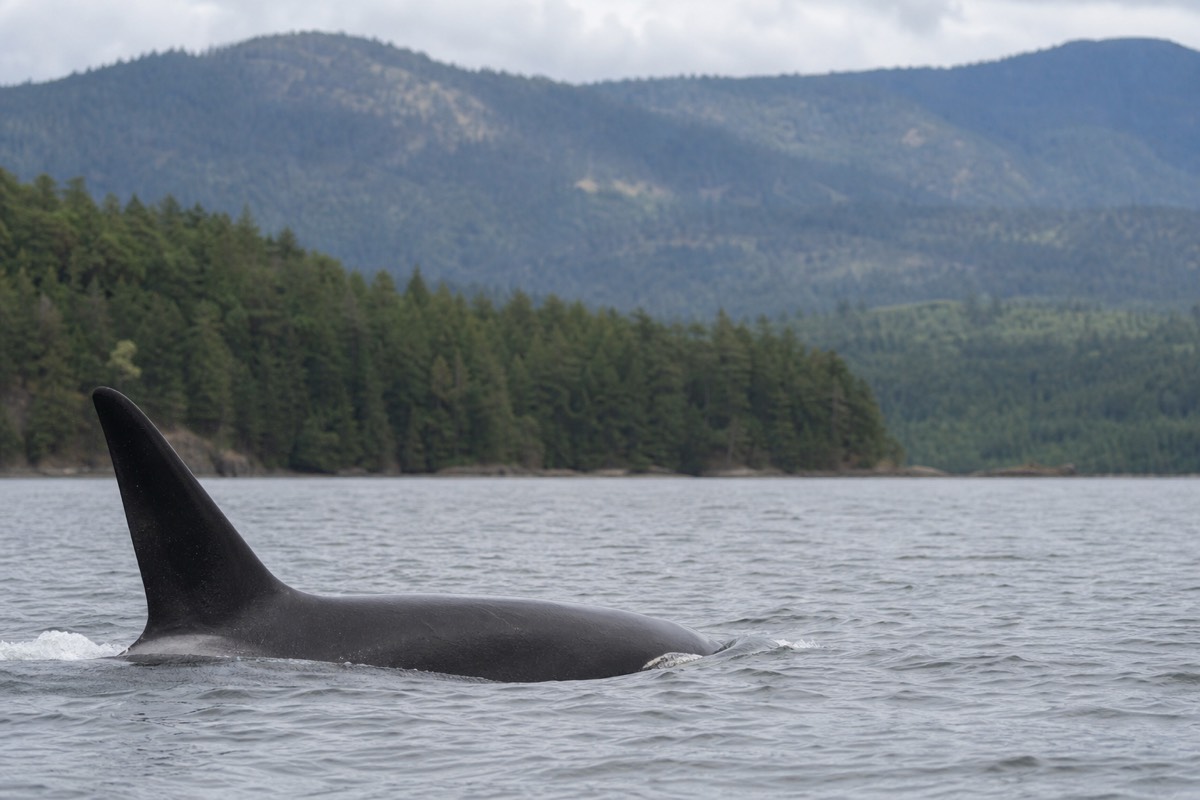
The first sign is rarely the whale itself. It is the boat easing off the throttle, the guide raising an arm, and a blow of mist hanging over grey water a few hundred metres off the bow. On the sheltered Salish Sea and the open Pacific off the west coast, that moment repeats itself from spring through fall with a reliability few coastlines can match. This guide covers where to launch, which species you can expect in each season, whether to pick an open boat or a covered one, what a trip really costs, and how to separate a careful operator from a careless one.
Vancouver Island sits along the Pacific edge of British Columbia, and the water on either side of it does the heavy lifting. To the east, the island and the Salish Sea form a protected inland channel that orcas and humpbacks work all summer. To the west, the open swells of the Pacific bring gray whales close to shore near Tofino and Ucluelet. Getting your bearings on the crossing first helps, and our companion piece on reaching Vancouver Island by ferry or seaplane lays out the routes.
When each whale runs: the Vancouver Island season at a glance
Whale activity by month on Vancouver Island, drawn from the seasons our operators report; always confirm current departures on the live listing.
Where is the best place to watch whales on Vancouver Island?
Four regions cover the island, and each has a different strength. Victoria and the southern Salish Sea are the easiest to reach and reliable for orcas, humpbacks and seals. Tofino and Ucluelet on the exposed west coast add gray whales. Nanaimo sits handy in the centre, while Telegraph Cove and Campbell River up north hold the strongest orca watching of all.
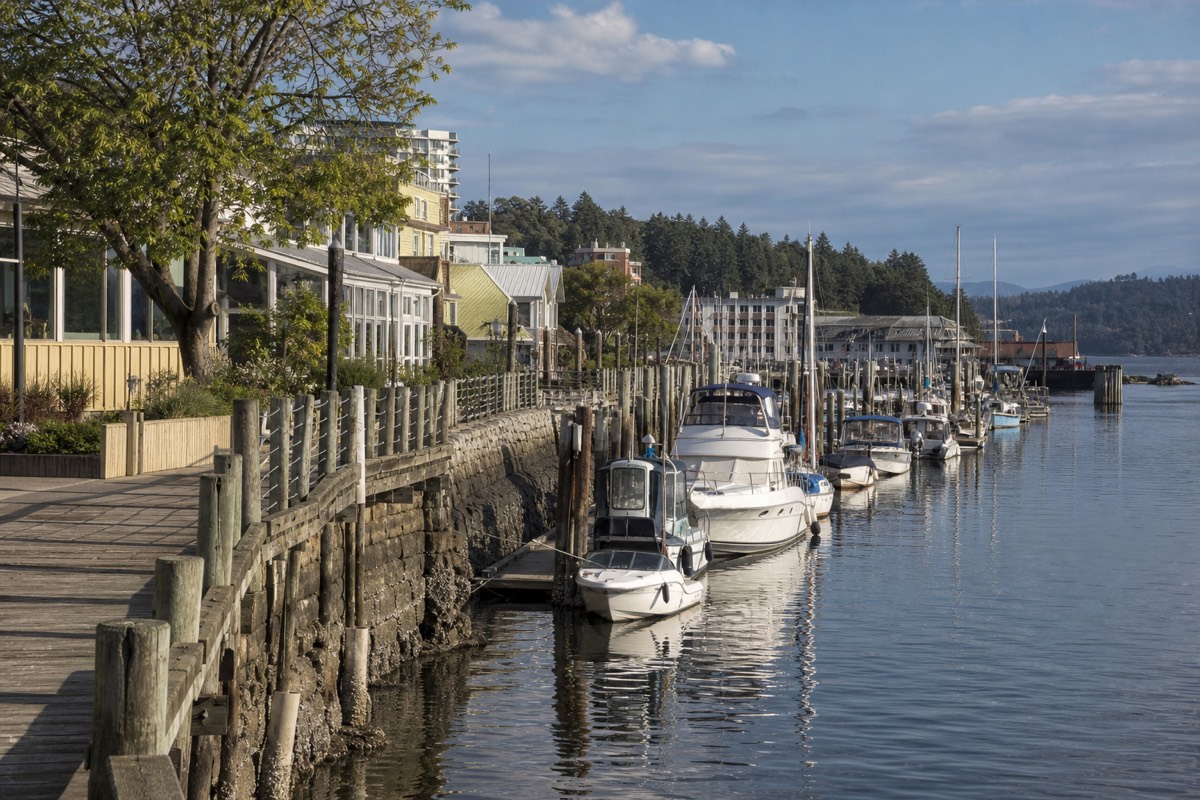
Most first-time visitors watch from Victoria, and for good reason. Boats leave the Inner Harbour and reach productive water quickly, the same stretch between southern Vancouver Island and the San Juan Islands that ranks among the most productive orca habitat anywhere on the coast. If the capital is already on your itinerary, a cruise slots neatly into a day of sightseeing, and our guide to things to do in Victoria BC shows how the harbour, the gardens and a boat trip fit into one day. Coming across from the mainland, the seaplane and whale watching day trip from Vancouver pairs a 35-minute floatplane hop over Stanley Park and the Gulf Islands with a three-hour cruise across the southern resident orcas summer feeding grounds.
The west coast is a different experience. Tofino and Ucluelet face the open Pacific, so the water is bigger and the scenery is wilder. This is gray whale country during the spring migration, and humpbacks feed here through the warmer months. A west-coast trip works best over a couple of nights, and our rundown of things to do in Tofino and Ucluelet covers the beaches, trails and boat trips that fill those days. Central bases like Nanaimo and Cowichan Bay give you humpback and orca sightings closer to the mid-island, useful if you are stopping partway up the coast. And for travellers whose whole trip is built around wildlife, Telegraph Cove and Campbell River on the north island are widely considered the finest orca watching on the coast, especially in summer.
One bonus worth knowing: whales do not only appear on dedicated tours. The ferry crossing between the mainland and the island regularly turns up whales and seals from the upper decks, so keep your eyes on the water even before your booked trip begins. It is a reminder that these animals range across the whole of these waters, not only the spots the boats visit.
| Launch point | Region | Best for | Getting there | Suits |
|---|---|---|---|---|
| Victoria (Inner Harbour) | Southern Salish Sea | Orcas, humpbacks, seals | Ferry or seaplane from Vancouver | First-timers and city-based visitors |
| Tofino and Ucluelet | West coast | Gray whales, humpbacks | 4 to 4.5 hour drive from Victoria | Nature-focused west-coast trips |
| Nanaimo and Cowichan Bay | Central island | Humpbacks, orcas | Ferry from Horseshoe Bay | Mid-island stopovers |
| Telegraph Cove and Campbell River | North island | Orcas and overall marine life | Longer drive up the coast | Serious wildlife travellers |
Which whales will you see, and when?
Three whale species headline the island. Orcas peak from June through September, humpbacks run May to October with a September high, and gray whales pass on the open west coast during the spring migration. Dolphins, porpoises, seals, sea lions and bald eagles round out almost every trip, which is why quiet whale days still deliver.
Orcas are the animal most people come for, and there are two kinds in these waters. Fish-eating resident orcas follow the salmon and travel in large, vocal family groups, most predictable in the southern Salish Sea through summer. Mammal-eating Bigg's orcas, also called transients, hunt seals and sea lions, move in small quiet pods, and turn up across the seasons throughout the coast. Knowing which is which changes how a sighting reads, and a good naturalist will tell you within minutes of the first dorsal fin.
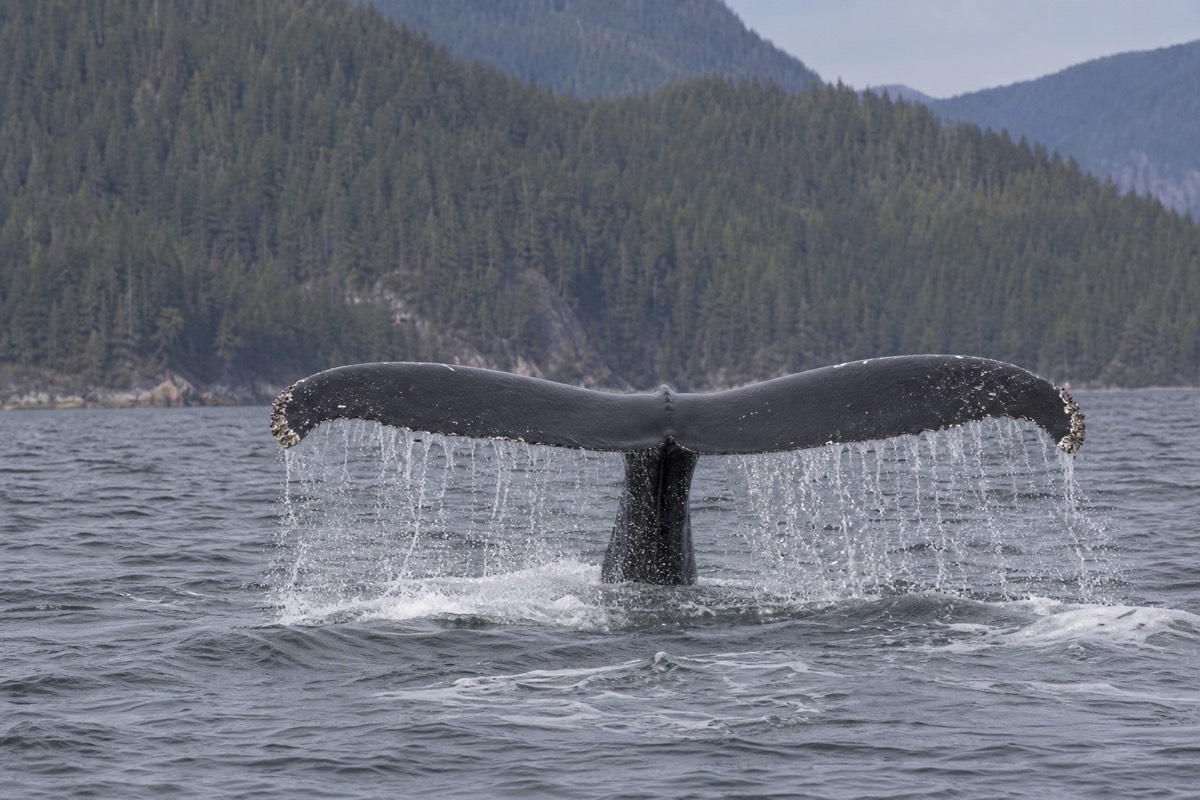
Humpbacks have returned to the Salish Sea in growing numbers over recent years, and their tall blows and fluke dives are now a regular part of a summer trip. Gray whales are the west-coast specialty, feeding close to shore off Tofino and Ucluelet as they migrate, with May and June the window our operators point to most. Below the headliners, Pacific white-sided dolphins and porpoises often appear in fast-moving groups, and haul-outs of seals and Steller sea lions are reliable year-round, along with the bald eagles that work the same shorelines.
Even on a day when the whales are slow, this cast keeps a trip alive. A raft of sea lions barking on a navigation buoy, a pod of dolphins riding the bow wave, or an eagle lifting a fish from the surface are the sort of moments clients remember as fondly as the whales themselves. That reliable supporting wildlife is a big part of why so few trips end in disappointment.
| Species | Best season | Where you tend to see them | Good to know |
|---|---|---|---|
| Orcas (killer whales) | June to September, May and October shoulder | Southern Salish Sea and north island | Two distinct types, resident and Bigg's |
| Humpback whales | May to October, September peak | Salish Sea and west coast | Numbers have grown noticeably in recent years |
| Gray whales | Spring migration, May and June | Open water off Tofino and Ucluelet | Feed close to shore on the west coast |
| Dolphins and porpoises | Late summer and fall | Throughout island waters | Often travel in large, fast groups |
| Seals and sea lions | Year-round | Rocky haul-outs everywhere | Reliable even on slow whale days |
| Bald eagles | Year-round | Shorelines and estuaries | A common bonus from the boat |
Resident orcas or Bigg's orcas: how to tell them apart
The distinction matters more than it sounds. Resident pods are chatty and social, which is why hydrophones are such a treat on a resident encounter. Bigg's orcas hunt in near silence, so an encounter with them is a study in stealth rather than sound. Both are extraordinary, and which one you meet depends largely on the season and a fair amount of luck.
| Trait | Resident orcas | Bigg's (transient) orcas |
|---|---|---|
| Diet | Fish, mainly salmon | Marine mammals, seals and sea lions |
| When | Most predictable in summer | Seen across the seasons |
| Group size | Large, vocal family pods | Small, quiet pods |
| Where | Southern Salish Sea in summer | Throughout the coast |
What are your chances of actually seeing a whale?
They are high in season. Reputable operators report a sighting success rate of roughly 90 to 98 percent from May to October, and many back that with a free return trip if no whales appear. Nothing wild is guaranteed, but few wildlife experiences anywhere come with odds this good and a safety net attached.
Those numbers hold up because the boats are working known feeding grounds, not searching blind, and because operators share sightings across a network through the day. Morning departures between roughly 9 and 10 AM tend to bring the calmest seas and the best light for photographs, which is the same reason our team recommends morning slots for most island trips. If a company promises a certain sighting rather than a strong likelihood, treat that as a warning rather than a reassurance. The honest framing, high odds plus a return trip, is the one you want.
A word on that return-trip guarantee: it is a genuine safety net, not a marketing line, and it works precisely because the odds are so high that operators rarely have to honour it. In the rare event a summer trip comes up empty, most companies rebook you at no charge, so a visitor with a spare day in the itinerary carries very little real risk. That is a comfort worth building into your dates if the schedule allows.
Zodiac or covered boat: which should you pick?
Open Zodiacs are fast, low to the water and exhilarating, ideal for older kids, teens and anyone chasing the adventure of it. Covered vessels are steadier, warmer and have a washroom aboard, which makes them the easy call for families with young children, cooler days and anyone prone to seasickness. Both reach the whales.
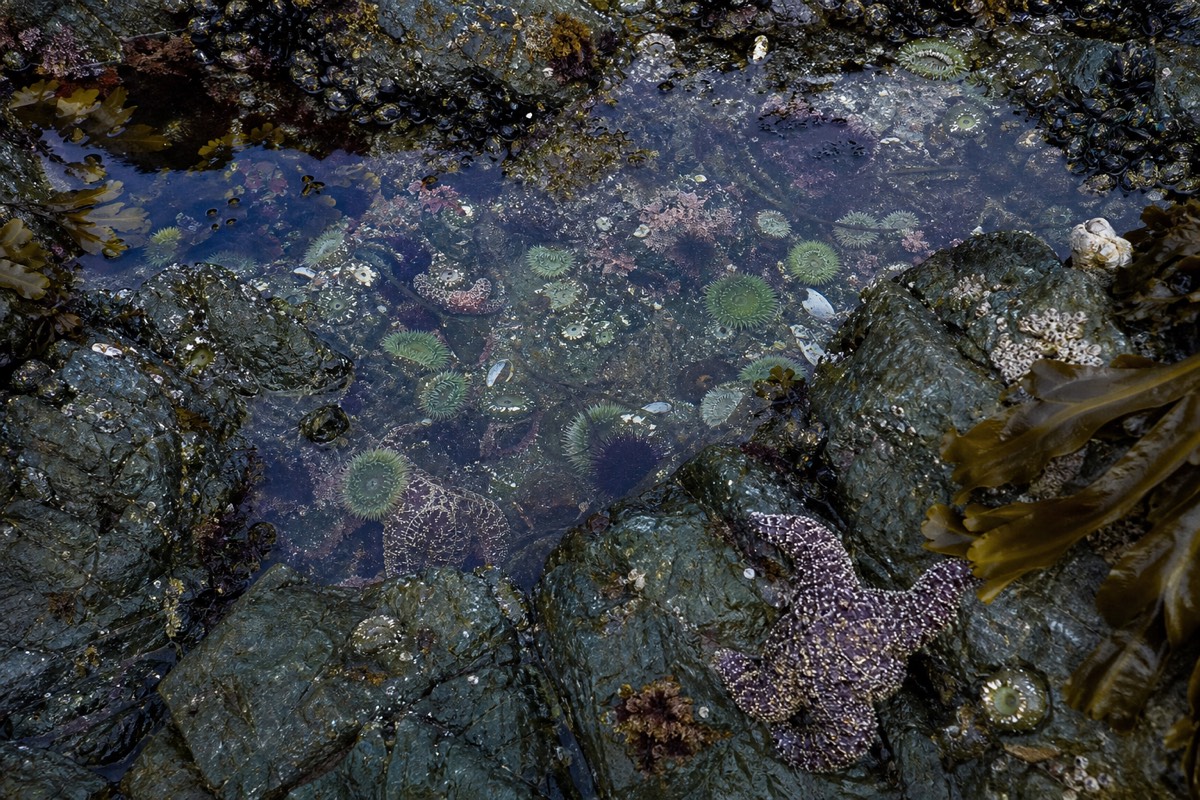
The choice is really about comfort and pace. A Zodiac puts you close to the water and covers more ground quickly, so you feel every bit of the wind and spray, part of the appeal for some and a reason to layer up for everyone. A covered cruiser trades a little of that immediacy for a warm cabin, a stable deck for photography and shelter when the weather turns, which it can do fast on this coast. If you are travelling with small children, our take on whether Vancouver Island works well with kids goes deeper on the family angle, but the short version is that a covered boat is the gentler introduction.
Sea conditions should steer the choice as much as personality. On a settled summer morning almost any boat is comfortable, but when the wind is up, a covered vessel is the difference between a good day and a cold, wet one. If anyone in your group gets seasick easily, the larger, steadier boats ride the chop better, and the enclosed cabin gives them somewhere to reset. Ask the operator what they are running and what the forecast looks like before you commit.
| Consideration | Open Zodiac | Covered vessel |
|---|---|---|
| Feel | Fast, exposed, adventurous | Steady, sheltered, relaxed |
| Speed and range | Quick, covers more water | Slower, roomier decks |
| Best for | Older kids, teens, thrill-seekers | Families, all ages, cooler days |
| Comfort | You feel the wind and spray | Warm cabin, washroom aboard |
| Photos | Low to the water, close angles | Higher, stable platform |
How much does a whale watching tour cost, and what is included?
A dedicated half-day cruise runs three to four hours and sits in the mid range for a day activity. The premium option is the seaplane and whale watching combination from Vancouver at around $558 per person. On the west coast, wildlife cruises that regularly turn up whales pair the animals with hot springs or bear watching, so you get more than one payoff from a single boat.
Prices below are what you tend to pay booking ahead through the verified operators we list. Treat them as a guide and always confirm the current figure on the live listing, since departures, seasons and inclusions shift the number. The seaplane trip is the priciest because it bundles a floatplane flight with the cruise and free time in Victoria. The two west-coast cruises are not pure whale tours, they are wildlife cruises where whales and dolphins are a genuine possibility alongside the headline attraction, which is honest to say and often the better value for a Tofino base.
| Option we list | Format | Typical price | What is included |
|---|---|---|---|
| Seaplane and whale watching from Vancouver | 35-min flight plus 3-hr cruise | around $558, check the live listing | Floatplane, cruise, free time in Victoria |
| Hot Springs Cove wildlife cruise, Clayoquot Sound | 6-hr covered cabin cruiser | around $228, check the live listing | Cruise, wildlife, boardwalk to the pools |
| Bear watching cruise, Clayoquot Sound | 2-hr small-group boat | around $140, check the live listing | Naturalist guide, sheltered inlets |
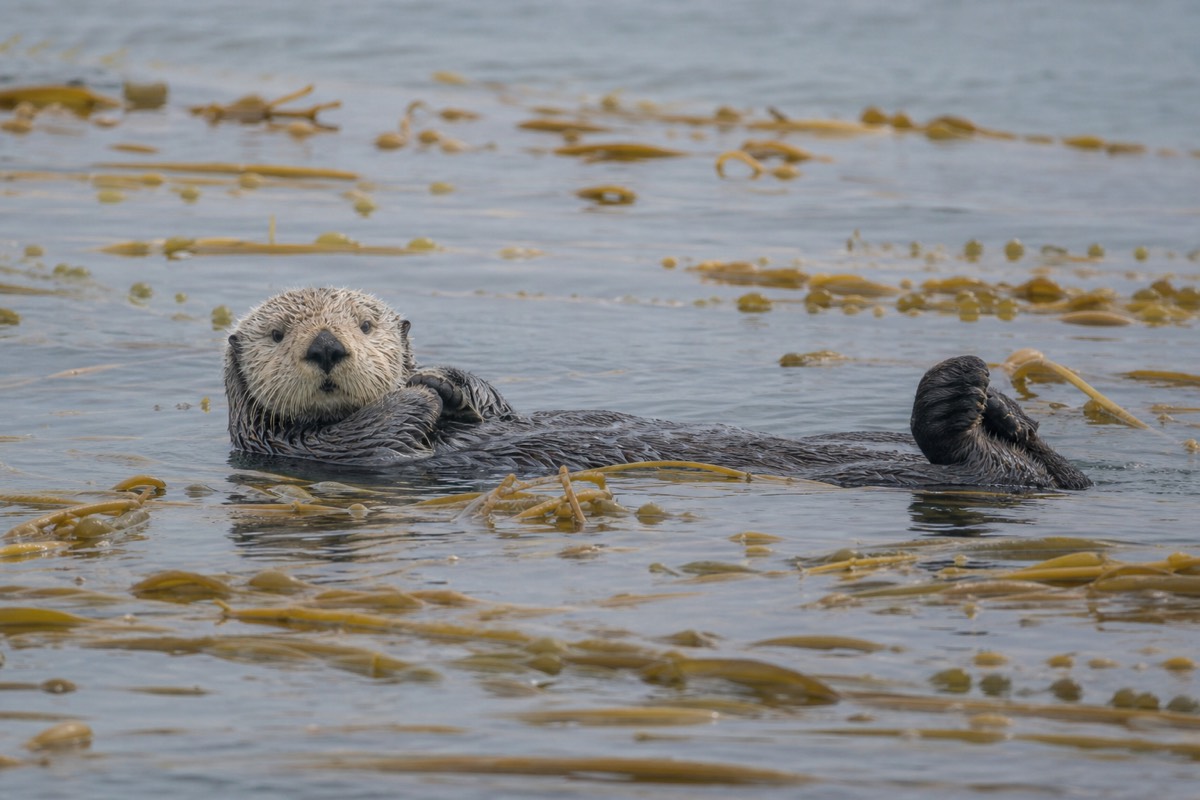
On the west coast, the Hot Springs Cove tour with a wildlife cruise is the standout for combining a boat trip with a soak in natural geothermal pools, and its covered cruiser passes water where seals, sea lions, otters and the occasional whale or dolphin show up. If bears are higher on your list than whales, the bear watching cruise into Clayoquot Sound is the shorter, cheaper way onto the water.
When should you go? A month-by-month guide
May through October is the whale window, and each stretch has a personality. May and June bring gray whales, early orcas and thinner crowds. July and August are the peak for orcas and the busiest for everything. September is the finest all-round wildlife month. October is quieter and good value if you pack warm.
If your dates are flexible, the shoulder months reward you twice, with strong wildlife and fewer people competing for morning slots and coastal accommodation. Our fuller breakdown of the best month to visit Vancouver Island weighs weather and crowds across every season, but for whales specifically the table below is the quick read.
There is no single right answer here, only trade-offs. High summer stacks the odds and the crowds together, while the shoulder weeks trade a little certainty for space and lower prices. Keep in mind that the same warm months that fill the boats also fill the ferries and the coastal towns, so if you are travelling in July or August, reserve the whale trip and your crossing well ahead rather than leaving either to chance.
| Month | What is running | Sea and weather | Our verdict |
|---|---|---|---|
| May to June | Gray whales migrating, early orcas, humpbacks returning | Mild, longer days, some rain | Excellent balance, fewer crowds |
| July to August | Peak orca activity, humpbacks building | Warmest, driest, calmest seas | Best odds but busiest and priciest |
| September | Prime humpbacks, orcas still strong, salmon drawing bears | Mild, occasional later rain | Top month for wildlife overall |
| October | Late-season orcas and humpbacks | Cooler, more changeable | Good value, dress warm |
| November to April | Resident orcas around, limited departures | Wet, short days | Off-season, only for cozy trips |
How do responsible guides watch whales without harming them?
A good operator lets the whales set the pace. That means keeping a wide legal distance, never chasing or cutting off an animal, idling engines near a pod, and following Canada's marine mammal viewing rules, which set minimum approach distances measured in hundreds of metres around killer whales. The southern resident orcas are endangered, so the rules exist for a reason.
The best crews carry a naturalist and a hydrophone, so a resident orca encounter comes with the sound of the pod as well as the sight of it, and they are candid about the day's odds rather than overselling. Fisheries and Oceans Canada sets the approach distances, and Parks Canada manages the protected west-coast waters of Pacific Rim National Park Reserve, both worth a look before you book. The provincial tourism board at vancouverisland.travel is another sound starting point for current operator information. The table below is the quick test we apply when we choose which companies to work with.
Watching well is also watching more. When a boat holds back and cuts its engine, whales often stay relaxed and keep doing the very things you came to see, feeding, breaching and socialising, rather than moving off. Good etiquette and a good sighting turn out to be the same thing, which is the point our guides tend to make before the lines are even off the dock.
| A responsible operator | A careless one |
|---|---|
| Keeps a wide legal distance and lets whales approach | Races in close or chases for a photo |
| Carries a naturalist and a hydrophone | Offers commentary that is thin on the biology |
| Caps group size and follows viewing guidelines | Overloads the boat and cuts corners |
| Is honest about the odds and offers a return trip | Promises a guaranteed sighting |
What should you bring on a whale watching boat?
Dress for water and wind, not for the town you left. Layers, a waterproof shell, a warm hat and gloves, sunglasses and binoculars are the core kit even on a bright day, because the wind chill off the water surprises almost everyone. Add motion sickness medication if you are prone to it, and a camera with a spare battery.
The island's weather is famously changeable, and a calm harbour can give way to a stiff breeze the moment the boat clears the point. The short list our team gives clients, refined over many trips, keeps you warm and dry enough to actually enjoy the sighting rather than counting the minutes back to the dock.
- Layered clothing: a moisture-wicking base, a fleece or hoodie, and a waterproof, windproof jacket over the top.
- A warm hat and light gloves, since mornings and open decks run cold even in summer.
- Binoculars, well worth the space for distant blows and dorsal fins.
- Sunglasses, sunscreen and SPF lip balm, because glare off the water is strong.
- A camera or phone with a spare battery and, ideally, a waterproof case.
- Motion sickness medication taken before departure if you are prone to seasickness, especially on a faster open boat.
- A reusable water bottle and a light snack for the longer cruises.
Covered vessels have a warm cabin to duck into, one more reason families and anyone sensitive to cold lean that way, while Zodiac operators usually supply a flotation suit that takes the edge off the wind.
How to build whale watching into the rest of your trip
Pair it with the water you are already near. From Victoria, add a whale cruise to a garden-and-harbour day. On the west coast, stack it with bears, hot springs or a paddle. Wildlife is the thread that ties an island trip together, and you can compare launch points and dates across our full range of Vancouver Island tours in one place.
Whales are only one part of the island's wildlife story. Many visitors fold in a bear trip on a separate day, and our piece on whether there are grizzly bears on Vancouver Island sorts out where the black bears are and where you have to go for grizzlies. If you would rather be at water level than above it, the question of whether you can kayak with orcas on Vancouver Island has a real answer, and it points north. Whichever you choose, book the in-season departures ahead, because the boats run to fixed capacities and the summer slots fill from confirmed reservations well before the season starts.