Can You Kayak With Orcas on Vancouver Island?
The honest answer is yes, mostly on guided trips in the north, and always on the whales' terms rather than yours. Here is where, when and how it works.
Choose the water, not a wildlife promise. Compare regions, durations and skill demands before selecting a guided Vancouver Island paddle.
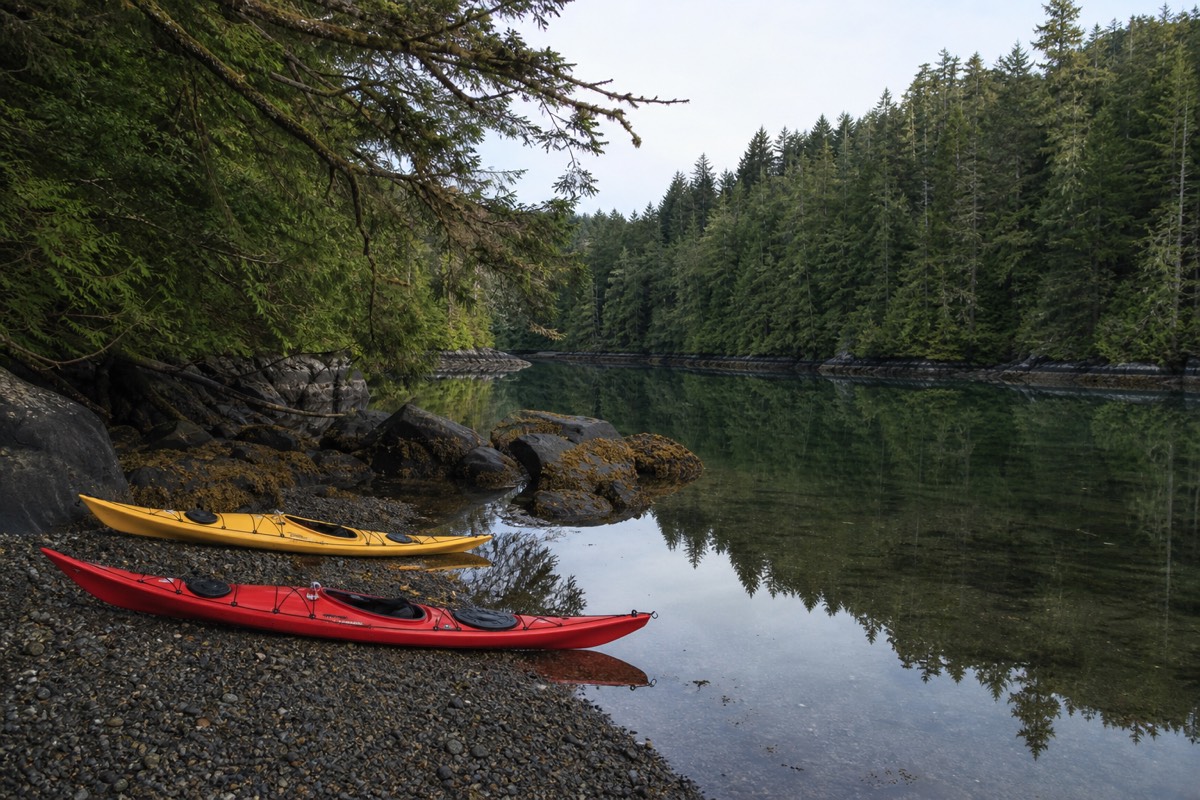
Picture a still morning, a low horizon, and the sudden exhale of a whale somewhere across the channel. From a kayak, at water level, that sound arrives differently than it does from a tour boat. Paddlers do sometimes share the water with orcas on Vancouver Island, but the how and the where matter a great deal, and so does the etiquette that keeps both you and the whales safe.
Can you kayak with orcas on Vancouver Island?
Yes, it is genuinely possible, mainly on guided trips in the north of the island where orcas are most concentrated. What you do not do is paddle toward them. You keep a wide legal distance, let the whales pass on their own line, and treat any encounter as a gift rather than a plan. Sightings are a bonus, never a guarantee.
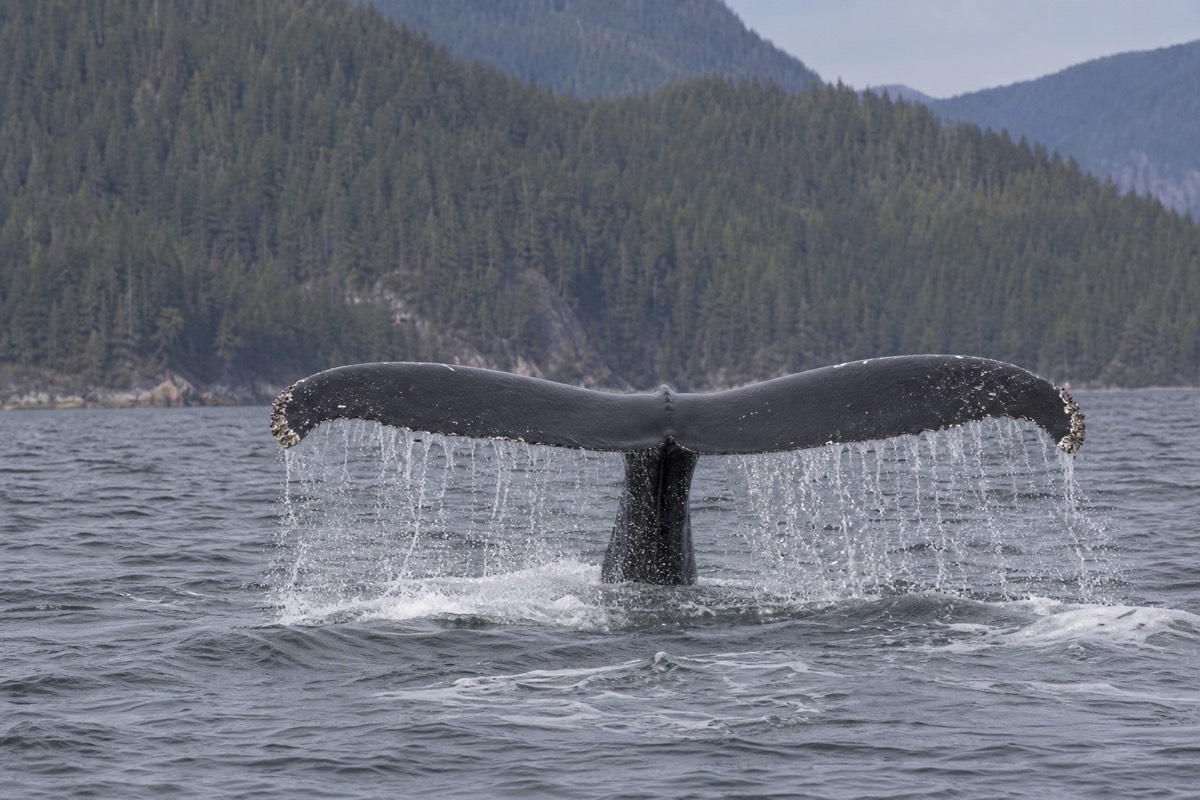
That framing is the whole game. A kayak is quiet and low, which is exactly why a paddler has to be more disciplined than a boat, not less. The right trips position you in water orcas are known to travel and then wait, rather than chasing a fin across a channel. If you want the fuller picture of where and when whales run, our guide to whale watching on Vancouver Island covers the seasons and regions in detail.
Where do you kayak with orcas on Vancouver Island?
The north island is the place, specifically the Johnstone Strait area near Telegraph Cove, which is the classic orca-kayaking region on the coast. Around Tofino and Clayoquot Sound on the west coast, paddling is superb but geared to general sea kayaking and other wildlife rather than reliable orca encounters.
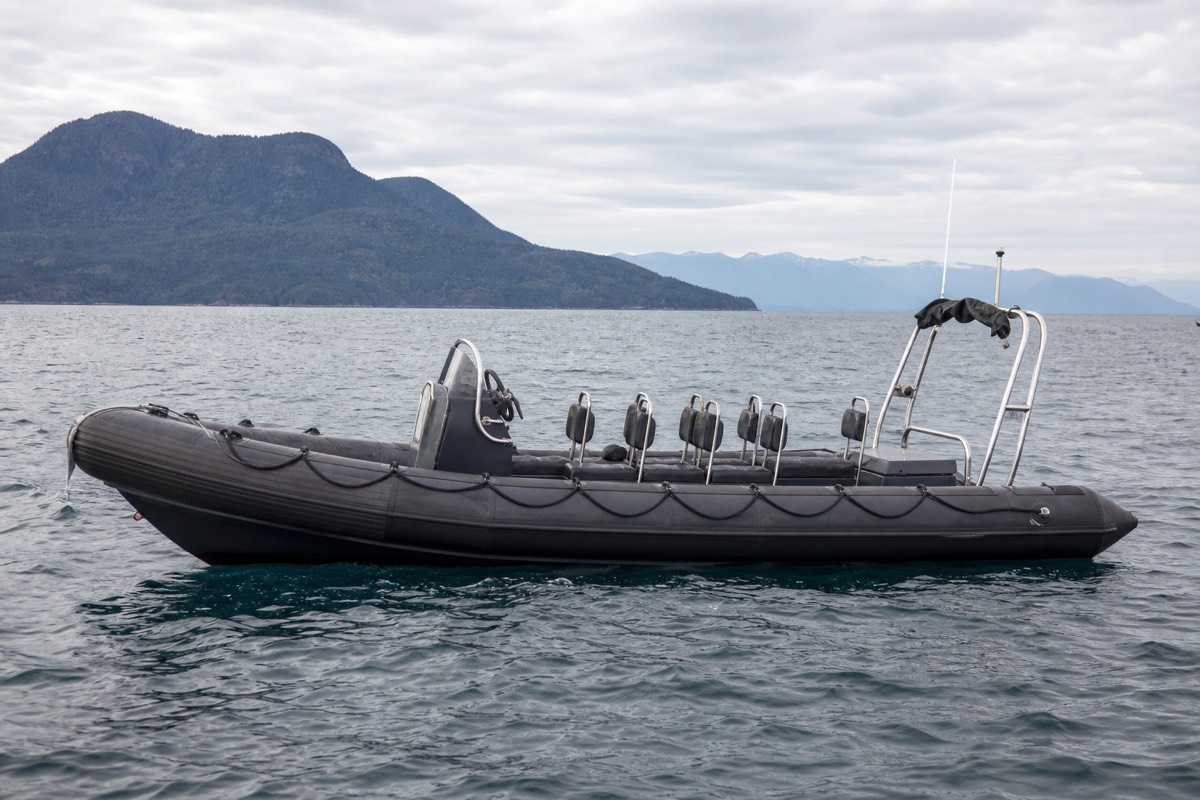
Johnstone Strait draws paddlers because it sits in the heart of the strongest orca habitat on Vancouver Island, and multi-day guided kayak expeditions run there through the summer. It is a committing trip, not a casual afternoon rental. Down on the west coast, the sheltered inlets of Clayoquot Sound are the realistic base for most visitors who simply want to get on the water near Tofino and Ucluelet. You may meet gray whales, seals, otters and eagles there, and the scenery is extraordinary, but orcas are the north island's specialty.
| Consideration | Johnstone Strait (north island) | Clayoquot Sound (Tofino) |
|---|---|---|
| Best for | Orca-focused kayak expeditions | General sea kayaking and wildlife |
| Orca chances | Highest on the island, still not guaranteed | Low, gray whales more likely |
| Typical format | Multi-day guided camping trip | Half-day to full-day guided paddles |
| Suits | Committed paddlers and wildlife travellers | Beginners and casual visitors |
What are the rules for paddling near whales?
Keep well back and never approach. Canada's marine mammal rules require vessels, kayaks included, to hold minimum approach distances from killer whales that are measured in hundreds of metres, and the endangered southern resident orcas get the widest berth of all. If whales approach you, stop paddling, stay quiet, raft up, and let them move past.
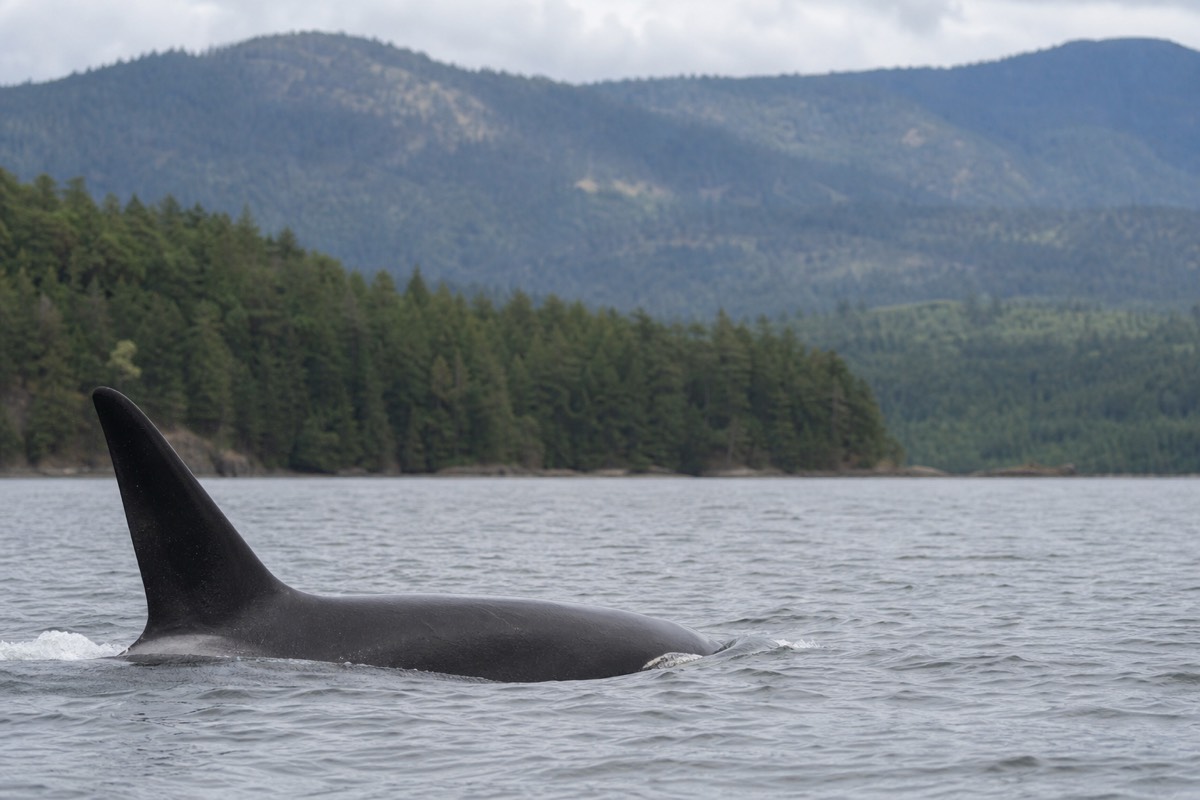
These are not suggestions. Fisheries and Oceans Canada sets the approach distances, and responsible guides drill the etiquette before you launch: no chasing, no positioning yourself in a pod's path, no getting between a mother and calf. The reward for restraint is the best kind of encounter, a wild animal choosing its own course near you. Parks Canada also publishes current guidance for the west-coast waters of Pacific Rim National Park Reserve, worth reading before any paddle on that coast.
Is kayaking with orcas realistic for beginners?
Not the orca part. Open-water paddling in Johnstone Strait involves cold water, strong tides, wind and boat traffic, so it is an intermediate undertaking best done as a guided expedition. Beginners are far better served by a sheltered guided paddle in Clayoquot Sound, where the water is calmer and the wildlife is still there.
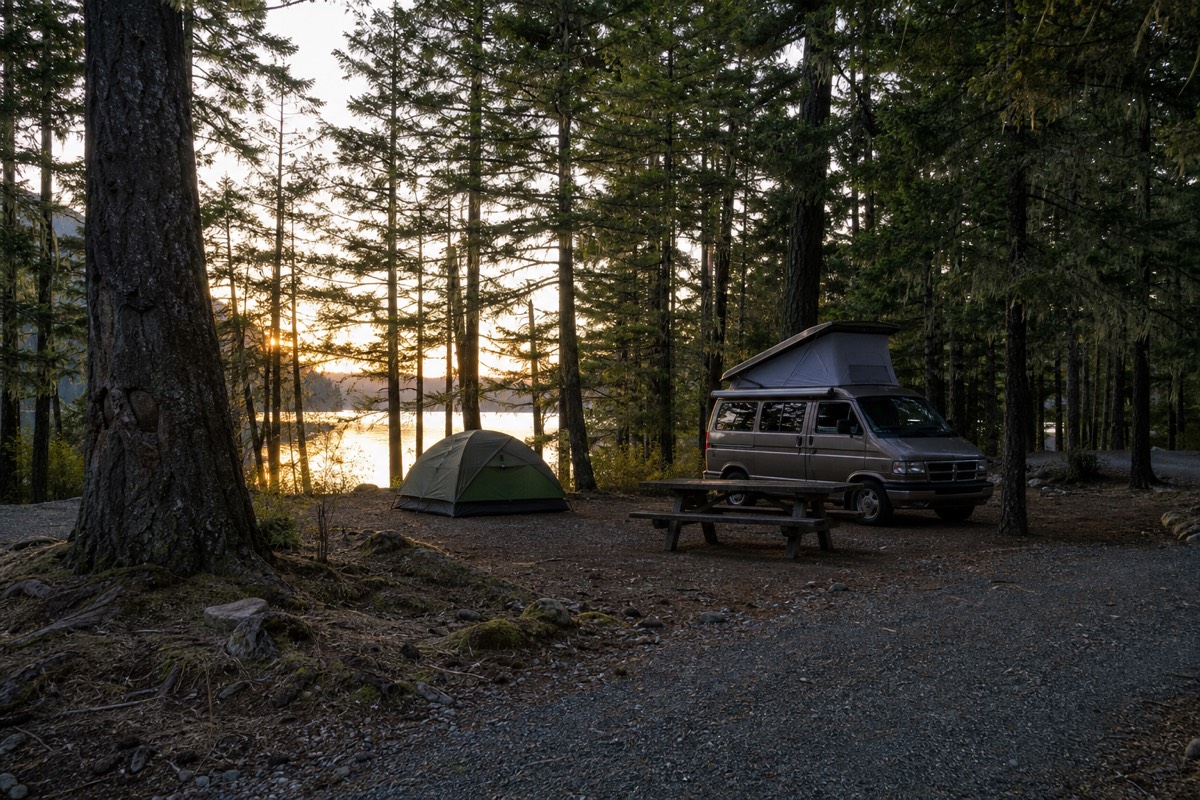
The cold is the real limiter. This is Pacific water, so a capsize is a serious event, which is why guided trips carry the training, the safety gear and the local read on tides and weather that a first-timer cannot supply. If your paddling is limited but you still want the north-island wildlife, a boat-based option covers more ground safely: the Hot Springs Cove wildlife cruise puts you on the water in a covered cruiser with a naturalist. And if you would rather explore Tofino's coast on land and short water, the bike and hike tour of the wild coast is an easier active day.
| Your experience | Start here |
|---|---|
| New to sea kayaking | Guided sheltered paddle in Clayoquot Sound |
| Confident paddler, want orcas | Multi-day guided expedition in Johnstone Strait |
| Prefer to stay dry | Boat-based wildlife cruise with a naturalist |
Guided trip or on your own?
Go guided, especially for orca water. A guide handles the tides, the weather window, the whale etiquette and the rescue skills, none of which a rented kayak comes with. You do not need a licence to paddle a human-powered kayak in British Columbia, but Transport Canada requires safety equipment aboard, including an approved lifejacket for every paddler.
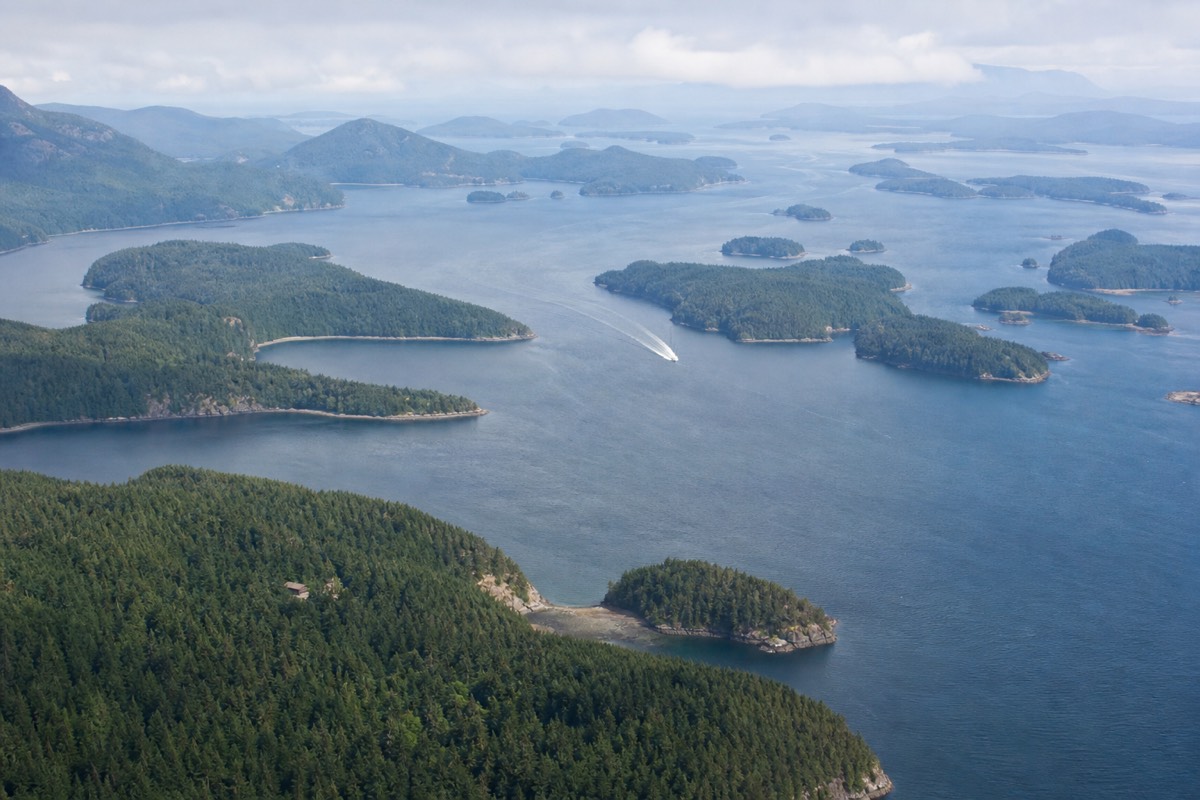
Solo paddling the open north coast is for experienced sea kayakers with local knowledge, cold-water rescue training and the right craft, not for a holiday first outing. For everyone else, a guided trip is both safer and more rewarding, because a good guide knows where the wildlife tends to be and how to be near it responsibly. Many visitors pair a paddle with other wildlife days: our piece on whether there are grizzly bears on Vancouver Island explains why the north island doubles as bear-and-orca country, so a single base can cover a lot of animals.
So, can you kayak with orcas here? Yes, on the whales' terms, in the right water, with a guide. Set the expectation as a wild encounter that may or may not happen and you will not be disappointed, because the paddling itself is the point. You can compare the guided coast and wildlife options across our Vancouver Island trips and build the water days that fit your comfort level.