Things to Do in Tofino & Ucluelet
Tofino and Ucluelet share the same wild stretch of Pacific Rim coast, and between them they hold most of the west coast's best surfing, wildlife cruising, rainforest walking and beach time. Here is how to fill your days.
Choose one defining coast day. Hot Springs Cove combines Clayoquot Sound, an old-growth boardwalk and geothermal pools. Check Hot Springs Cove Dates
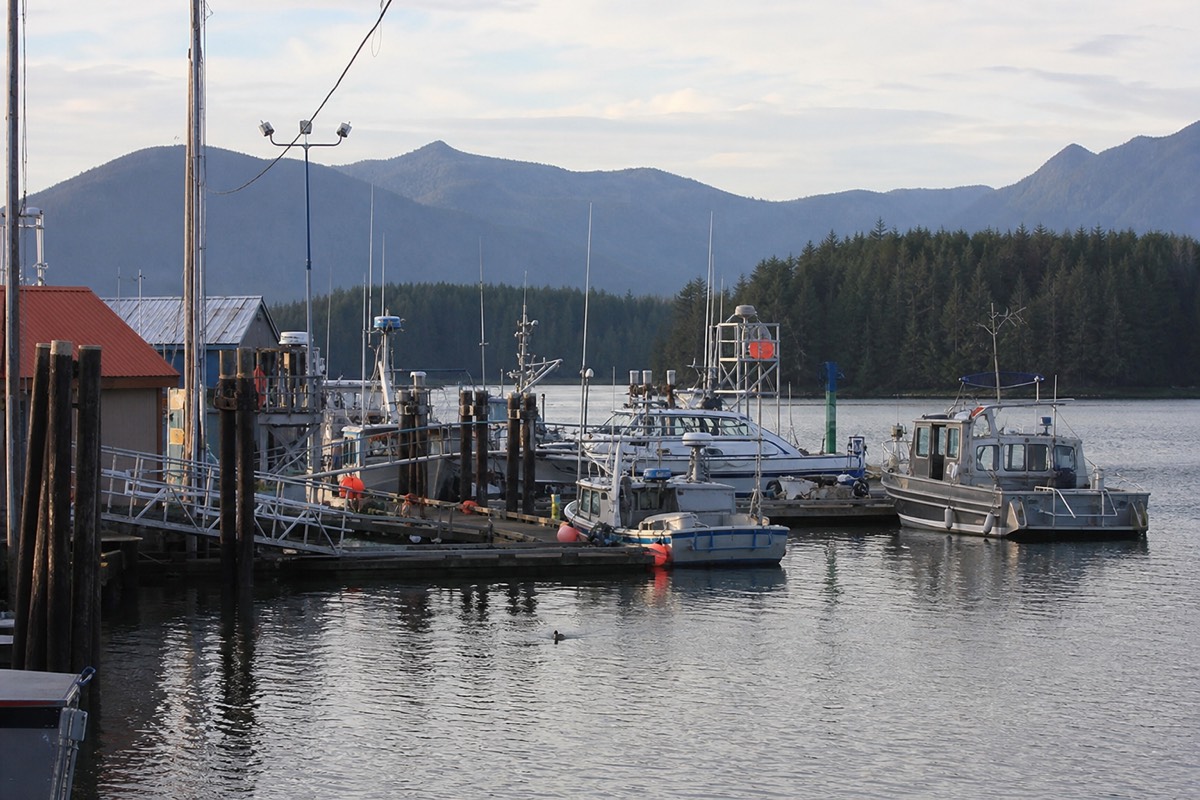
The drive in on Highway 4 tells you what kind of place this is. The road narrows, the trees close over it, and then the forest opens onto open ocean and a line of surf that never quite stops. Tofino gets most of the attention, but the smaller town of Ucluelet, about forty minutes south, shares the same coastline and much of the same wildlife. Nearly everything below works from either base, and our team has grouped it by what you actually want out of a day out here.
A quick orientation helps. The two towns bracket a long arc of protected coast, with Tofino at the northern end on a peninsula that reaches into Clayoquot Sound, and Ucluelet at the southern end guarding the mouth of Barkley Sound. Between them runs the Long Beach unit of the national park, where most of the famous sand and surf lives. Almost everything worth doing sits within a forty-minute drive of either town, so you never have to lock into a single base to reach it all.
The Tofino and Ucluelet year, activity by season
How the main west coast activities rise and fall across the year. Patterns are typical planning guidance, not guarantees.
What are the best things to do in Tofino and Ucluelet?
The west coast rewards a short list done well: surf a beginner beach, take a small boat into Clayoquot Sound for bears or whales, soak at Hot Springs Cove, walk one rainforest trail, and give yourself a slow beach day. Three to four days lets you do all of it without turning the trip into a schedule.
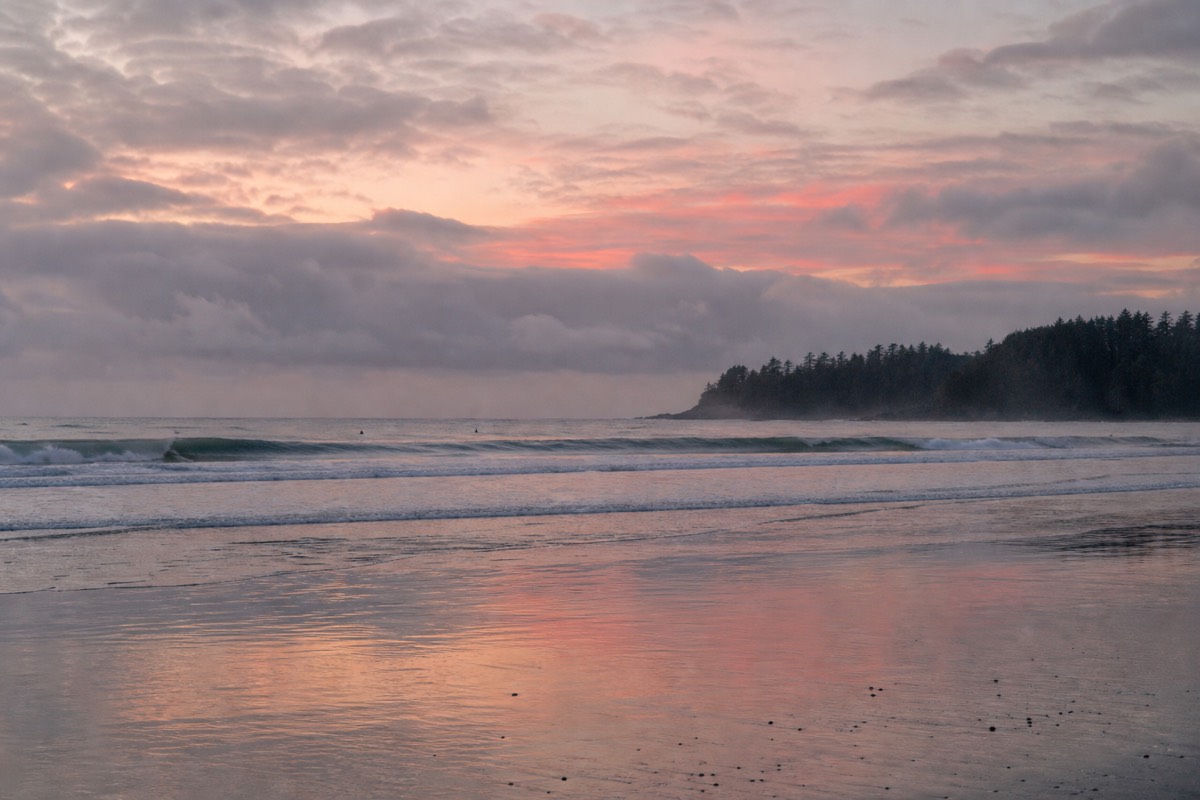
Both towns sit on the edge of Long Beach and the trails of Pacific Rim National Park Reserve, which runs along the coast between them. That park unit is the reason the beaches are so long and the rainforest so close to the sand. If you are still deciding where to sleep, our take on whether to base in Tofino or Ucluelet covers the trade-offs in detail, but the quick version is that Tofino is livelier and closer to the surf scene while Ucluelet is quieter and usually a little cheaper. Travellers often find that mixing the two, a couple of nights each, gives the fullest picture of the coast.
How do you get to Tofino and Ucluelet?
There is no ferry straight to Tofino. You reach the west coast by road on Highway 4, either driving your own car or joining a tour that handles the crossing and the drive. From Nanaimo it is roughly two and a half hours; from Victoria plan on about four and a half hours for the 315 kilometres.
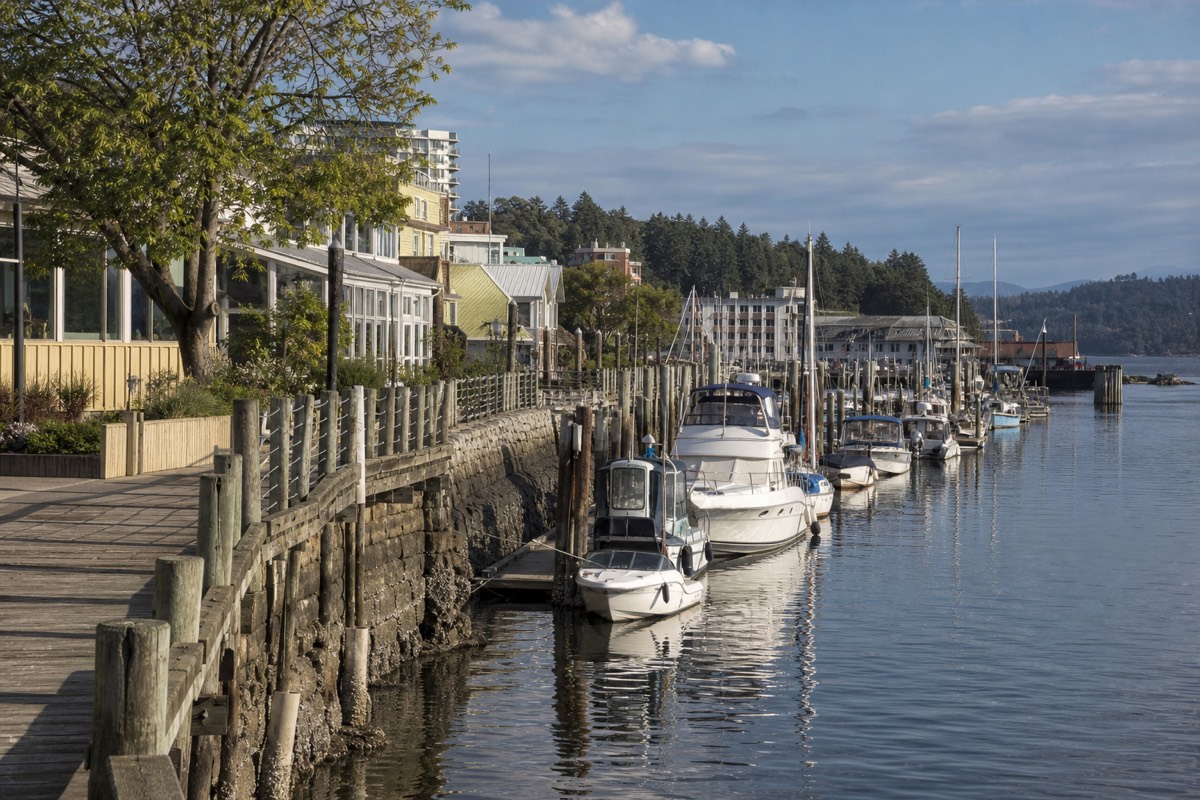
The final stretch through the mountains past Kennedy Lake is beautiful and slow, with fog and rain common even in summer, so leave buffer time. If you are coming from the mainland, our guide to getting to Vancouver Island walks through the ferry and seaplane options, and the drive itself is one of the highlights covered in our roundup of scenic drives across Vancouver Island. A small airport at Tofino also takes short prop flights from Vancouver for travellers short on time.
| Starting point | Route | Rough time to Tofino | Good to know |
|---|---|---|---|
| Nanaimo | Highway 4 west via Port Alberni | 2.5 hours | Closest mainland ferry connection at Departure Bay |
| Victoria | Highway 1 then Highway 4 | 4 to 4.5 hours | Best broken over two days or with an overnight |
| Vancouver | Ferry to the island, then Highway 4 | 6 to 7 hours door to door | A guided two-day package removes the driving and ferry timing |
| Ucluelet | Highway 4 to the junction, then south | 40 minutes from Tofino | Long Beach sits between the two towns |
Which Tofino and Ucluelet beaches should you actually walk?
Cox Bay, Chesterman Beach and Long Beach are the headline three, and each has a different character: Cox Bay for the biggest surf and the sunset crowd, Chesterman for tide pools and an easy family walk, and Long Beach for sheer scale. In Ucluelet, Big Beach and the coves off the Wild Pacific Trail reward a slower pace.
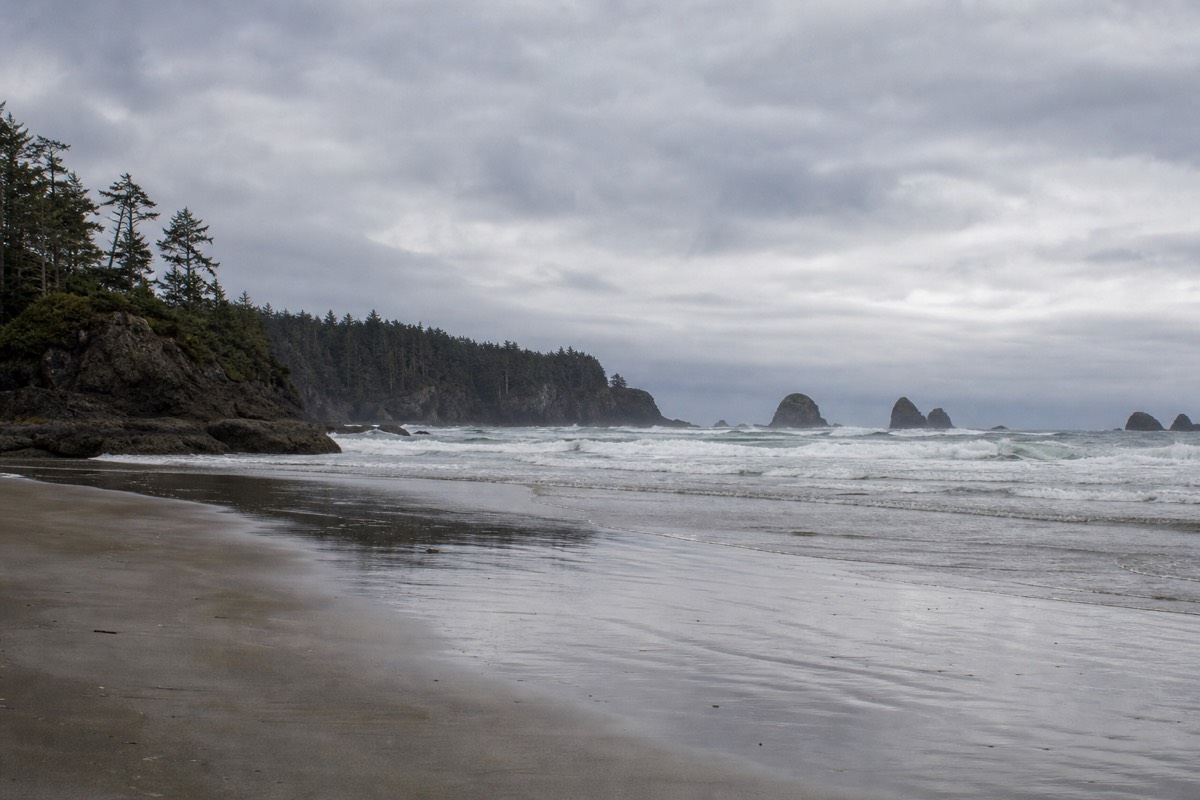
You could spend a full day on the sand and never see the same stretch twice. Long Beach alone runs for kilometres inside the national park, and at low tide the wet sand mirrors the sky in a way photographs struggle to hold. Chesterman is split into North and South by the tombolo out to Frank Island, walkable at low tide. For a wider look at how the coast compares to the rest of the island, our guide to the best beaches on Vancouver Island puts these next to the calmer sand of the east side.
| Beach | Where | Best for | Good to know |
|---|---|---|---|
| Long Beach | Pacific Rim park, between the towns | Long walks, first-time surfers, space | Park pass needed to stop and use the lots |
| Cox Bay | South Tofino | Bigger surf, sunsets | Powerful waves, respect the rip currents |
| Chesterman Beach | Just south of Tofino town | Families, tide pools, gentle surf | Walkable to Frank Island at low tide |
| MacKenzie Beach | North of Chesterman | Calm swimming, kids | More sheltered, close to resorts |
| Tonquin Beach | Walkable from Tofino town | Quick sunset, no car needed | Short forest trail down to the sand |
| Big Beach | Ucluelet | Storm views, quiet | Reached off the Wild Pacific Trail |
Can beginners really surf in Tofino?
Yes. Tofino is one of the friendliest places in Canada to catch a first wave, thanks to long sandy beaches, forgiving beach breaks at Cox Bay and Long Beach, and a cluster of surf schools that put beginners in the right spot with the right board. You will need a wetsuit year-round because the water stays cold.
Summer brings the mellowest, most beginner-appropriate conditions, while winter throws up the powerful swells that experienced surfers travel for. Board rental is easy in town if you already know what you are doing, and a two-hour group lesson is the sensible option if you do not. We keep the detail in our dedicated guide to learning to surf in Tofino, including which beach suits which level and how thick a wetsuit you need by season. If you would rather cover the surf coast without paddling out, a guided bike and hike along the surf beaches rides the same shoreline on beach cruisers and ends at the Pettinger Point lookout, and runs around three hours from roughly $110, so check the live listing for current dates.
Where do you see bears and whales near Tofino?
Coastal black bears feed along the shorelines of Clayoquot Sound at low tide, and small boats out of Tofino go looking for them daily in the warmer months. For whales, gray whales pass on their spring migration and humpbacks feed offshore through summer and into fall. Both are boat trips, not roadside sightings.
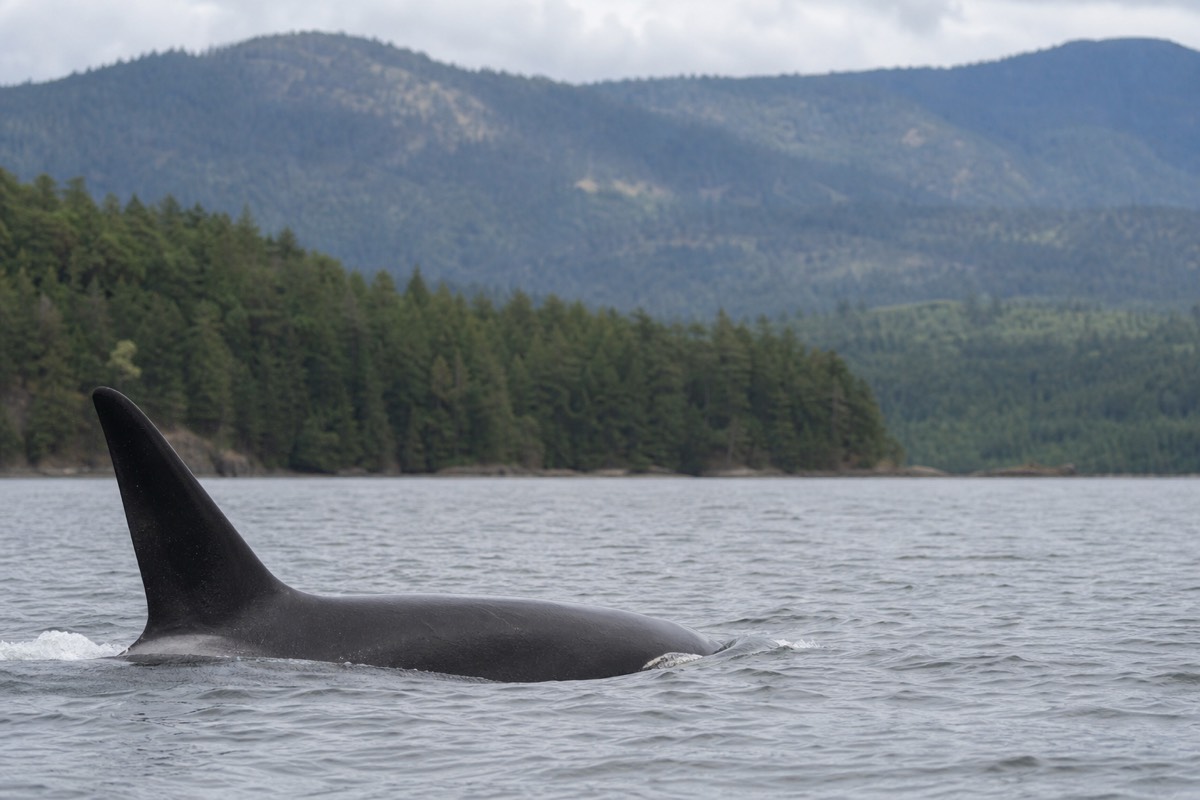
The bears here are black bears, not grizzlies, and they turn up on the rocks flipping stones for crabs when the tide drops. A small-group bear-watching cruise into Clayoquot Sound times its departures to the low tide and runs around two hours, often near $140, so check the live listing before you plan the day around it. If you are wondering about the bigger species, we answer whether there are grizzly bears on Vancouver Island in a separate piece. For the marine side, our guide to where and when to watch whales compares Tofino against Victoria and the north island so you launch from the right place.
Timing matters for both. Bears are most active and most visible on the lower tides, so departures shift with the tide table rather than the clock, and the fall salmon run is the peak window when the animals gather along the streams and shorelines. Whales run on a seasonal calendar instead: the gray whale migration passes in spring, while humpbacks feed offshore through summer and into autumn. Give yourself a couple of mornings if you want to see both without rushing either one.
| Wildlife trip | Best season | What you may see | Rough length |
|---|---|---|---|
| Bear watching cruise | Spring through fall, peak in the salmon run | Black bears, seals, eagles, herons | About 2 hours |
| Whale watching | Gray whales in spring, humpbacks summer to fall | Gray and humpback whales, sea lions | 3 to 4 hours |
| Hot Springs Cove cruise | Year-round, calmer in summer | Sea lions, otters, possible whales en route | About 6 hours |
How do you reach Hot Springs Cove?
Hot Springs Cove is reachable only by boat or floatplane, never by road. Most visitors take a cabin cruiser from Tofino harbour, cruise about ninety minutes up Clayoquot Sound, then walk a cedar boardwalk through old-growth rainforest to a chain of natural geothermal pools that step down to the sea.
The pools sit exactly where the hot spring meets the incoming Pacific surge, so you can move between scalding water and cold ocean spray without leaving the rocks. Because there is no road, the trip is a half-day commitment: the Hot Springs Cove wildlife cruise runs about six hours in total and often lands near $228, so check the live listing for the day you want. We spell out every access option, including water taxis and floatplanes, in our answer to whether you can drive to Hot Springs Cove.
What hikes are worth doing in Tofino and Ucluelet?
The best west coast walks are short but atmospheric: the Rainforest Trail and Schooner Cove Trail inside Pacific Rim National Park, the boardwalked Shorepine Bog, and the Wild Pacific Trail that hugs the headland in Ucluelet. None of them demand serious fitness, and most are under an hour.
This is temperate rainforest hiking, which means boardwalks, moss, and Sitka spruce and cedar rather than long climbs. The Wild Pacific Trail Lighthouse Loop in Ucluelet is the standout for open ocean views, especially when the swell is up. Inside the park you will need a day pass, and you can check park passes and current trail conditions with Parks Canada before you go. Our full Pacific Rim National Park guide maps the trails by length and lists which parking areas fill first in summer.
| Trail | Where | Length and time | What you get |
|---|---|---|---|
| Rainforest Trail | Pacific Rim park | 2 loops, about 30 minutes each | Old-growth cedar and spruce on boardwalk |
| Schooner Cove Trail | North end of Long Beach | 1 km each way, 30 to 40 minutes | Forest descent to a quiet beach |
| Shorepine Bog | Pacific Rim park | 0.8 km loop, 20 minutes | Stunted bog pines on full boardwalk |
| Wild Pacific Trail, Lighthouse Loop | Ucluelet | 2.6 km loop, about 1 hour | Amphitrite Lighthouse and open Pacific views |
| Tonquin Trail | Tofino town | Short, under 30 minutes | Forest walk to a town beach |
Can you kayak in Clayoquot Sound?
Yes, and it is one of the calmest ways to see the coast. Guided kayak trips launch from Tofino harbour into the sheltered water of Clayoquot Sound, with Meares Island and its old-growth Big Tree Trail a common half-day paddle. The protected inlets stay far gentler than the exposed surf beaches.
Beginners do fine on a guided outing because the guide picks the route around the tide and wind. Paddling among the islands you will often pass seals and eagles, and the forest comes right down to the waterline. People sometimes ask about paddling near orcas: we cover the reality of kayaking with orcas on Vancouver Island honestly, including why the sheltered Tofino side is more about the scenery than guaranteed whales.
What is there to do in Ucluelet specifically?
Ucluelet is quieter, more of a working fishing town, and built around the Wild Pacific Trail that loops the headland past the Amphitrite Lighthouse. Add the small catch-and-release Ucluelet Aquarium, easy beach access, and a slower pace, and it makes a relaxed base that sits the same distance from Long Beach as Tofino.
The Wild Pacific Trail is the reason to come, a series of connected loops right on the exposed rock where you feel the full weight of the Pacific. The town aquarium returns every creature to the ocean at the end of the season, which makes it a genuinely local, low-key stop with kids. If you are weighing the two towns for your booking, our comparison of the two bases lays out who each one suits, and many visitors end up splitting their nights.
What can you do in Tofino when it rains?
Rain is part of the deal on the west coast, and much of the best of Tofino works in it. Storm watching, rainforest walks under the canopy, the Hot Springs Cove soak, and the town galleries and cafes all shine on a grey day. The coast was not built for sunshine, and it shows.
From November through February the storms themselves become the attraction, with waves driving into the headlands and the beaches emptying out. We put the whole winter case together in our guide to storm watching through the winter. On a wet afternoon, the rainforest is arguably better than in sun because the moss glows and the light goes soft under the trees.
| Rainy-day option | Why it works |
|---|---|
| Storm watching from a headland | The wilder the weather, the better the show |
| Rainforest boardwalk walk | Canopy shelters you and the forest looks its best wet |
| Hot Springs Cove soak | You are getting wet anyway, and the pools are hot |
| Town galleries and cafes | Tofino has a real coffee and art scene for downtime |
What can you do in Tofino with kids?
Tofino and Ucluelet are excellent with children: gentle beaches for tide pooling and paddling, easy rainforest boardwalks, family surf lessons, and short wildlife cruises that kids find thrilling. Chesterman and MacKenzie beaches are the calmest, and most activities scale down to shorter, less strenuous versions for younger travellers.
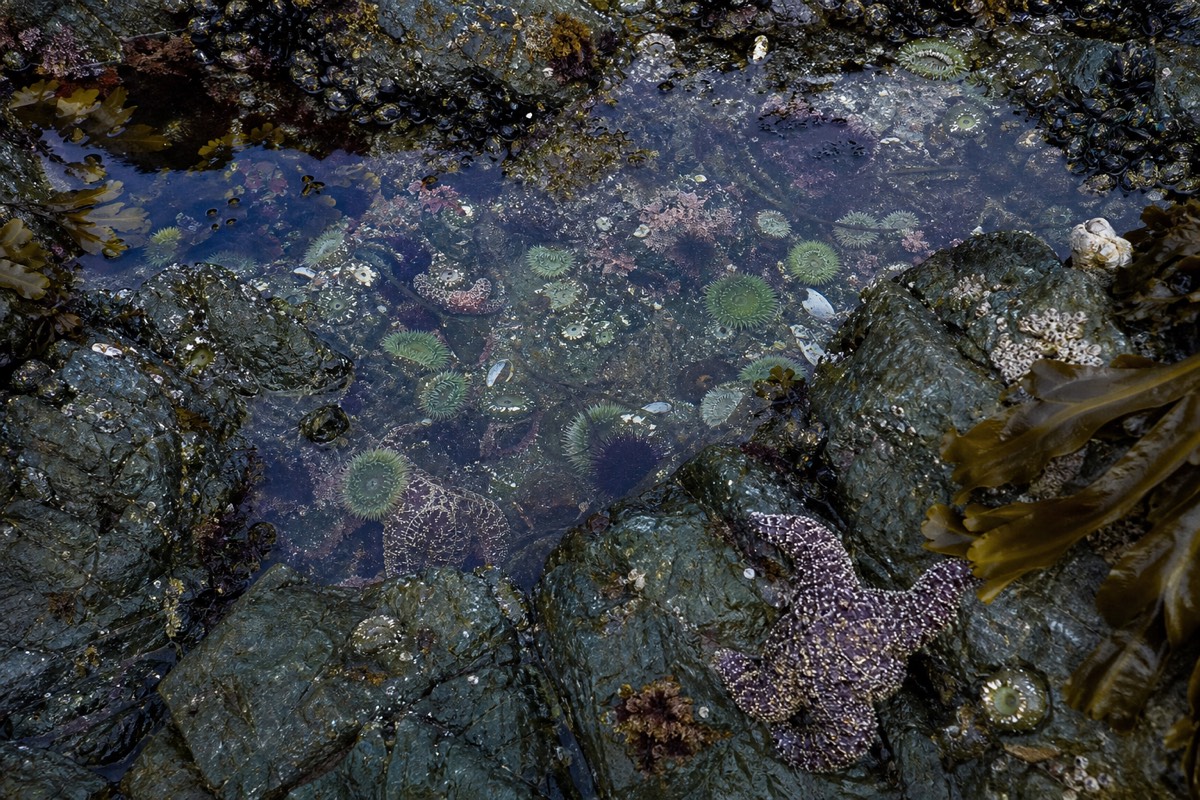
The coast rewards curious kids. Low tide turns the rocks at Chesterman into open-air aquariums of sea stars, crabs and anemones, and the flat boardwalk trails inside the park let small legs walk among giant trees without a real hike. Many surf schools run family lessons with child-sized wetsuits and soft boards, and a short cruise to look for bears or seals is often the highlight of a family trip, though the youngest children may find a longer boat day tiring. Keep sessions short, pack warm dry clothes and plenty of snacks, and let the beach itself do a lot of the entertaining. Summer is the easiest season for families, with the warmest water and the mellowest surf, and the whole region scores well for children thanks to its safe, relaxed pace.
Where do you eat in Tofino and Ucluelet?
Tofino punches well above its size for food, with a celebrated cluster of restaurants, cafes, bakeries and food trucks leaning heavily on local seafood. Fresh fish tacos, spot prawns, oysters and Dungeness crab are the coast's signatures. Ucluelet is quieter and more casual, with fewer options but a genuine local feel.
Seafood is the thread that runs through both towns, landed off boats that work the same waters your wildlife cruise crosses. Tofino has built a reputation as a small-town food destination, so book ahead in summer for the popular dinner spots, while the food trucks and bakeries handle casual lunches between beach sessions. Ucluelet's scene is smaller and more everyday, which suits its quieter character. Whichever town you base in, a fish taco eaten with sandy feet after a surf is close to the definitive west coast meal, and the short drive between the towns means the other's restaurants are always an option for dinner.
When is the best time to visit Tofino and Ucluelet?
Summer is warmest, driest and busiest, with mellow surf and long evenings. Fall brings the salmon run and peak bear activity with thinner crowds. Winter is storm season. Spring carries the gray whale migration. There is no wrong season here, only different reasons to come.
July and August are the safe bet for weather and beach time, but they are also when accommodation is tightest and the beaches busiest. Shoulder months in late spring and early fall trade a little sun for far more room. For a month-by-month breakdown across the whole island, see our take on the best month to visit Vancouver Island.
| Season | Weather | Crowds | Signature draw |
|---|---|---|---|
| Spring, Mar to May | Cool, showery, improving | Light to moderate | Gray whale migration |
| Summer, Jun to Aug | Warmest and driest | Busiest | Beginner surf, beach days |
| Fall, Sep to Oct | Mild, some rain | Moderate, easing | Salmon run, peak bears |
| Winter, Nov to Feb | Wet and wild | Quietest | Storm watching, big surf |
How many days do you need in Tofino?
Two nights is the practical minimum, three to four the sweet spot. Two nights gives you one full beach and surf day plus one morning wildlife or Hot Springs cruise. Add a third and fourth night and you can fit a rainforest hike, a kayak trip, and time to slow down without racing the tide.
A common mistake is treating the west coast as a day trip from Victoria: the drive alone is four and a half hours each way, which leaves almost no time on the coast. Our piece on how many days you need on Vancouver Island makes the case for splitting a trip between the two coasts. If you would rather leave the logistics to someone else, the team behind our guided west coast day tours books the beaches, wildlife cruises and rainforest stops as ready-made days, and you can compare regional planning notes through the island visitor resource.
The other common misstep is trying to see the whole island in one loop and giving the west coast only a night. Tofino and Ucluelet reward slowing down, and the drive out is long enough that a single night barely covers the travel. If your schedule is tight, commit fully to the coast for two or three nights rather than bolting it onto a packed island circuit and spending the visit in the car.
| Trip length | What you can realistically fit |
|---|---|
| 1 day | A single beach walk or one short cruise, rushed |
| 2 nights | One beach and surf day plus one wildlife or Hot Springs cruise |
| 3 to 4 nights | Beaches, a cruise, a rainforest hike and a kayak, at a relaxed pace |