What Is the Best Month to Visit Vancouver Island in 2026?
There is no single right month, only the right month for what you came to see. Whales, bears, garden blooms, and winter storms each peak at different times, and the crowds do too.
Match your month to what you most want to experience. Compare wildlife, gardens, summer coastlines and winter conditions before choosing dates.
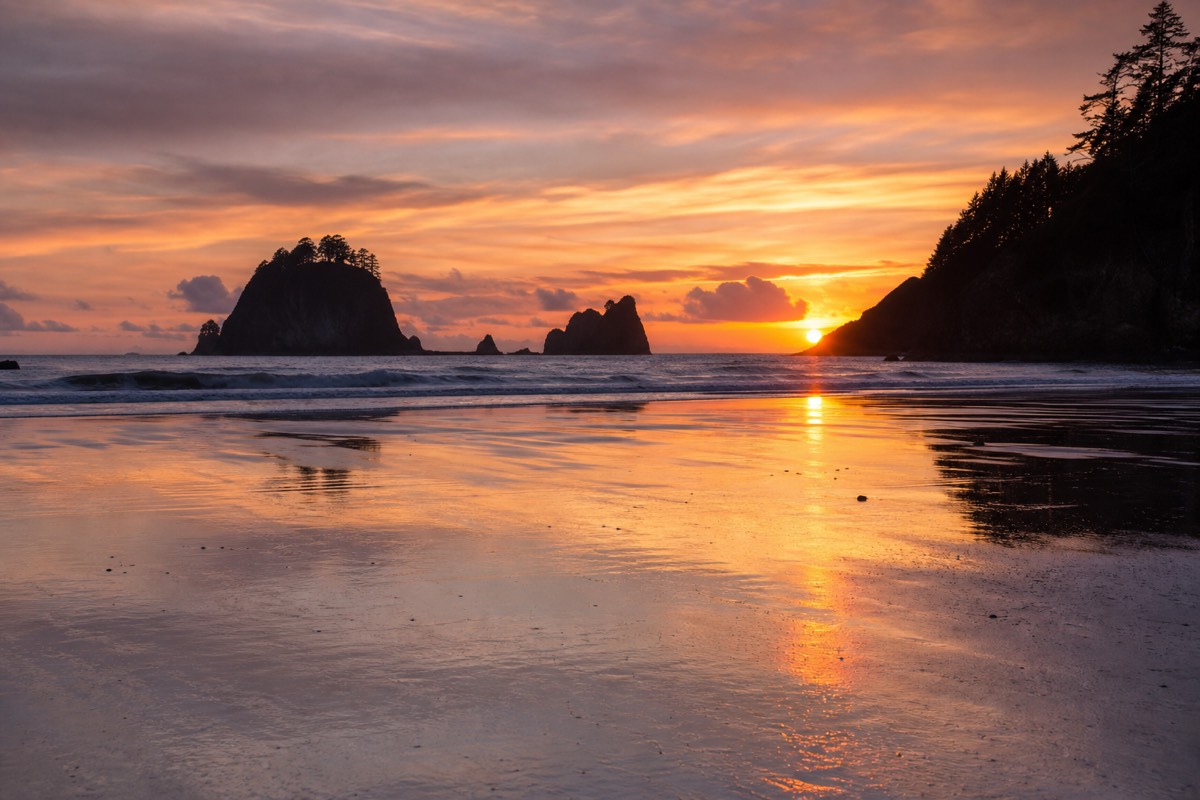
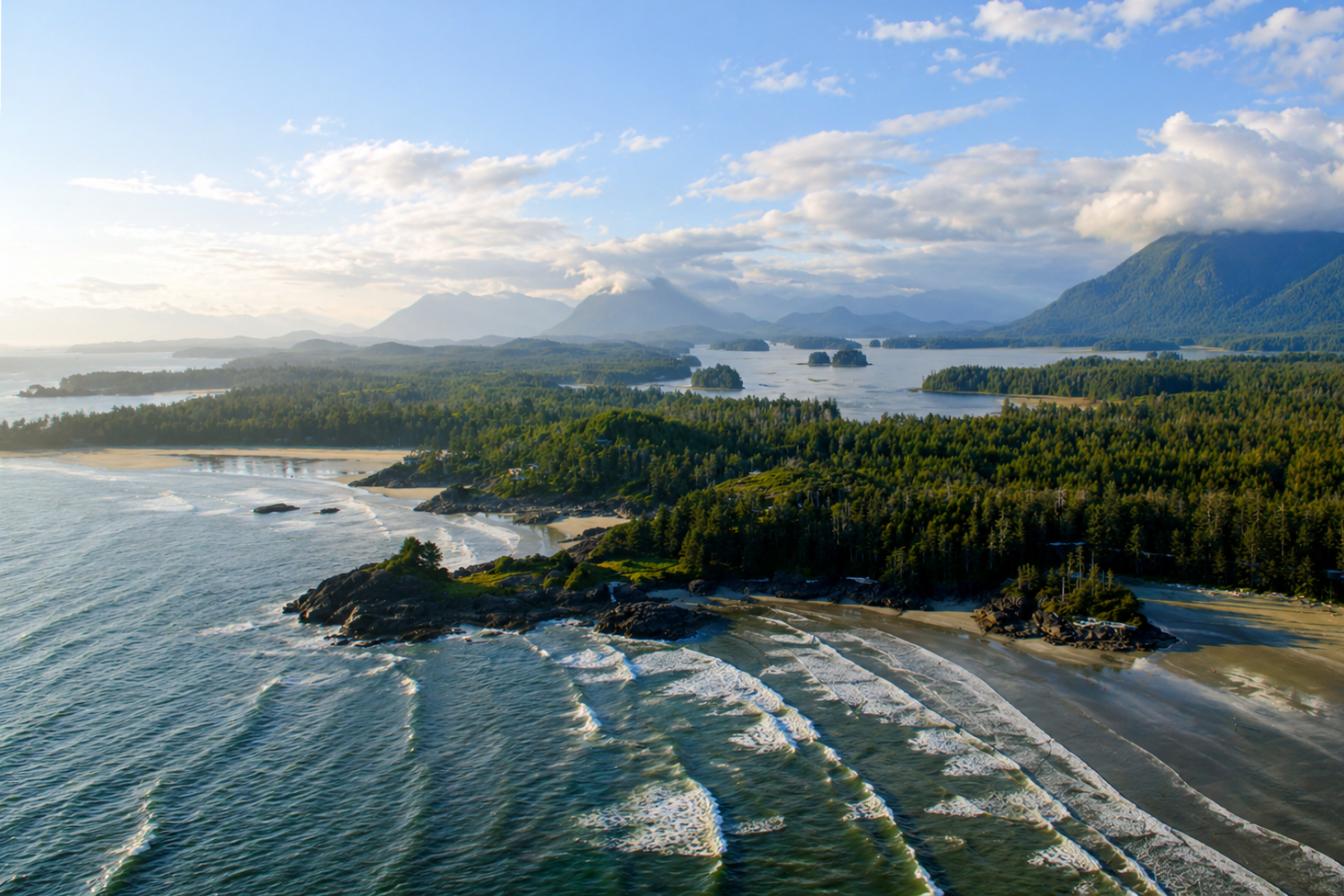
Vancouver Island runs about 460 kilometres from the garden city of Victoria in the south to the wild surf coast around Tofino, and its weather is famously changeable even on a good day. That range is why the best month depends entirely on your priorities. Someone chasing orcas wants a different calendar from someone chasing autumn light or a winter storm, and for 2026 travel the smart move is to match the month to the experience rather than the other way around.
What is the best month to visit Vancouver Island?
May, June, and September are the best all-round months. They bring mild weather of roughly 15 to 22 degrees, long days, strong wildlife activity, and noticeably lighter crowds than the July and August peak. July and August are warmest and driest but busiest and priciest, while winter suits storm watchers and quiet escapes.
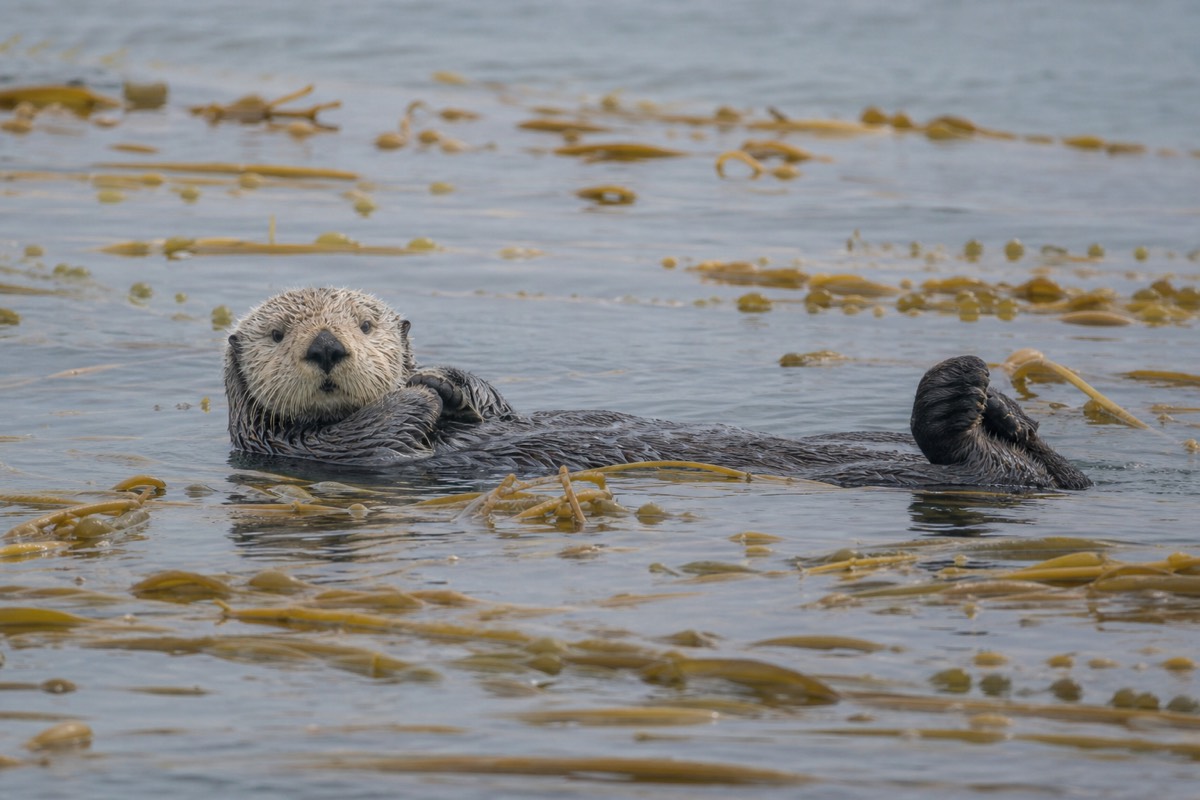
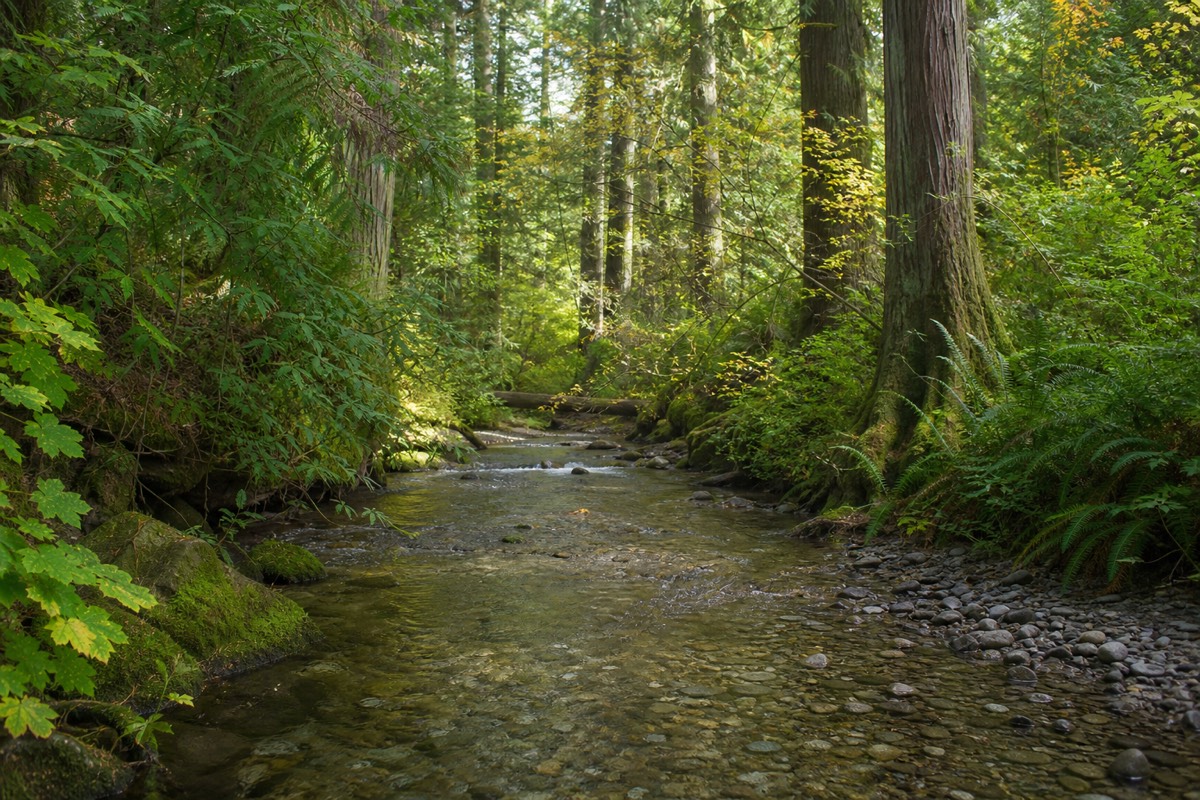
The shoulder seasons win for balance. Late spring gives you the gray whale migration, early orcas, wildflowers, and the peak garden bloom, all with thinner crowds. September pairs comfortable hiking weather with humpbacks, salmon runs that pull bears to the shoreline, and turning foliage. If you can travel outside high summer, you generally get a better trip for less money.
Month by month: weather, wildlife, and crowds
Wildlife and weather shift steadily through the year: whale watching peaks from May to October, orcas concentrate June to September, bears are best in spring and again during the fall salmon runs, garden blooms peak April to June, and storm season arrives with the late-autumn rains. The scorecard below sets each month side by side.
| Month | Weather | Wildlife | Crowds | Best for |
|---|---|---|---|---|
| January | Cool, wet, stormy west coast | Resident orcas offshore | Very light | Storm watching, cosy escapes |
| February | Cool, wet, big Pacific swells | Gray whale migration begins late | Very light | Storm watching |
| March | Mild, showery, lengthening days | Gray whales passing, early bears | Light | Migration, quiet trails |
| April | Mild, spring showers | Gray whales, bears waking, blooms start | Building | Garden bloom starts, fewer people |
| May | Mild, drier, long days | Gray whales, orcas starting, peak blooms | Moderate | Excellent all-round balance |
| June | Warm, mostly dry | Orcas building, humpbacks, blooms | Moderate to busy | Great balance before peak |
| July | Warmest and driest | Peak orcas and humpbacks | Heaviest | Beaches, fireworks, sun seekers |
| August | Warm and dry | Peak orcas and humpbacks | Heaviest | Warm weather, book well ahead |
| September | Mild, some later rain | Humpbacks, salmon runs, bears | Easing | Top month for wildlife |
| October | Cooler, wetter | Bears on salmon, late humpbacks | Light | Bears, autumn colour |
| November | Wet, storms returning | Fewer tours running | Very light | Storm watching begins |
| December | Cool, wet, stormy | Resident orcas offshore | Very light | Storms, Christmas garden lights |
The headline figures behind that table are worth keeping in mind. Reputable operators report whale sighting success above 90 percent from May through October, so the season is generous even outside the peak. For the deeper detail on launch points and boats, see our guide to whale watching on the island.
Which month suits what you came for?
Pick July or August for peak orcas and beach weather, September for humpbacks and bears on the salmon runs, April to June for Butchart Gardens at full bloom, and the November to February window for west-coast storm watching. If you want it all with fewer crowds, May or September are the safe bets.
| What you want | Best months |
|---|---|
| Peak orca activity | June to September |
| Reliable whale watching overall | May to October |
| Bears on the salmon runs | September to October |
| Butchart Gardens in full bloom | April to June |
| Warmest, driest beach days | July to August |
| Storm watching on the west coast | November to February |
| Fewest crowds and lower prices | Spring and late autumn |
September is our quiet favourite for wildlife because the salmon runs concentrate coastal black bears along the Clayoquot Sound shoreline while the humpbacks are still active. If bears are your priority, our piece on the island's coastal black bears explains what you can and cannot expect to see, and a fall Tofino bear-watching cruise times its departures to that activity.
What about the summer peak and the winter off-season?
July and August deliver the warmest, driest, sunniest weather and the peak of orca activity, but also the fullest ferries, the highest prices, and the busiest trails, so book early. Winter flips the island: fewer tours run, but the west coast becomes prime storm-watching country and Victoria stays walkable and calm.
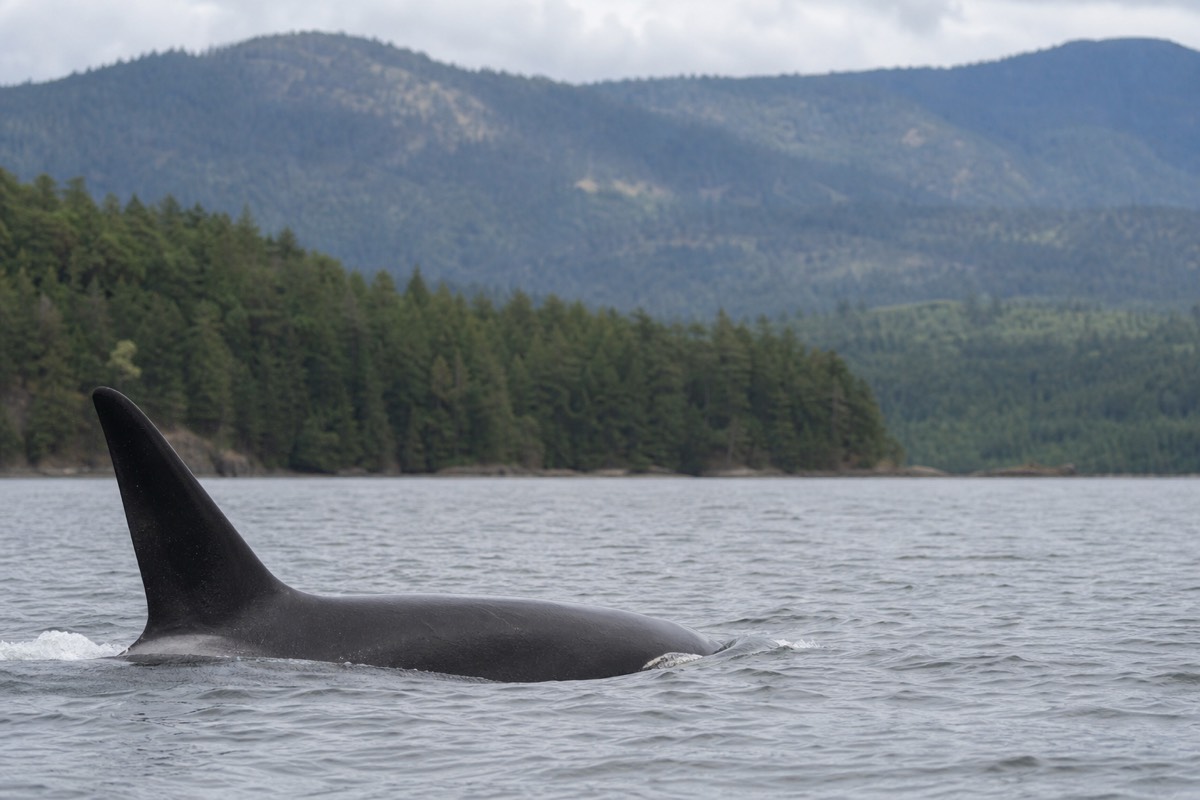
High summer is the default choice for a reason, and if you only have school holidays to work with, it still delivers a superb trip. The trade-off is simply competition: peak sailings fill, popular tours sell out weeks ahead, and Tofino accommodation is at its most expensive. Winter is the underrated flip side. The rains that make November through February the wettest stretch also drive the huge Pacific swells that turn the west coast into a storm-watching destination, covered in our guide to Tofino storm watching. You can check the season's weather outlook for the west coast through Pacific Rim National Park before you plan a winter trip.
How to lock in the month you pick
Once you have your month, book the crowd-sensitive pieces first: peak ferry sailings, summer tours, and any fireworks or fixed-capacity boat departures. The finite experiences, a seaplane seat or a small bear-watching boat, fill from confirmed bookings, so reserving before your dates are set is the difference between doing it and missing it.

How much month choice matters also depends on how long you are staying, which we cover in how many days you need on the island. For a spring or summer visit, the Butchart Gardens day tour lands you in the gardens at peak bloom, and the seaplane and whale-watching day trip combines two experiences that both peak from June through October. Whatever month you choose, start from the guided island tours on our homepage, and cross-reference the wider destination at vancouverisland.travel and sailing times on BC Ferries.