Tofino Storm Watching & Winter on the West Coast (2026-2027)
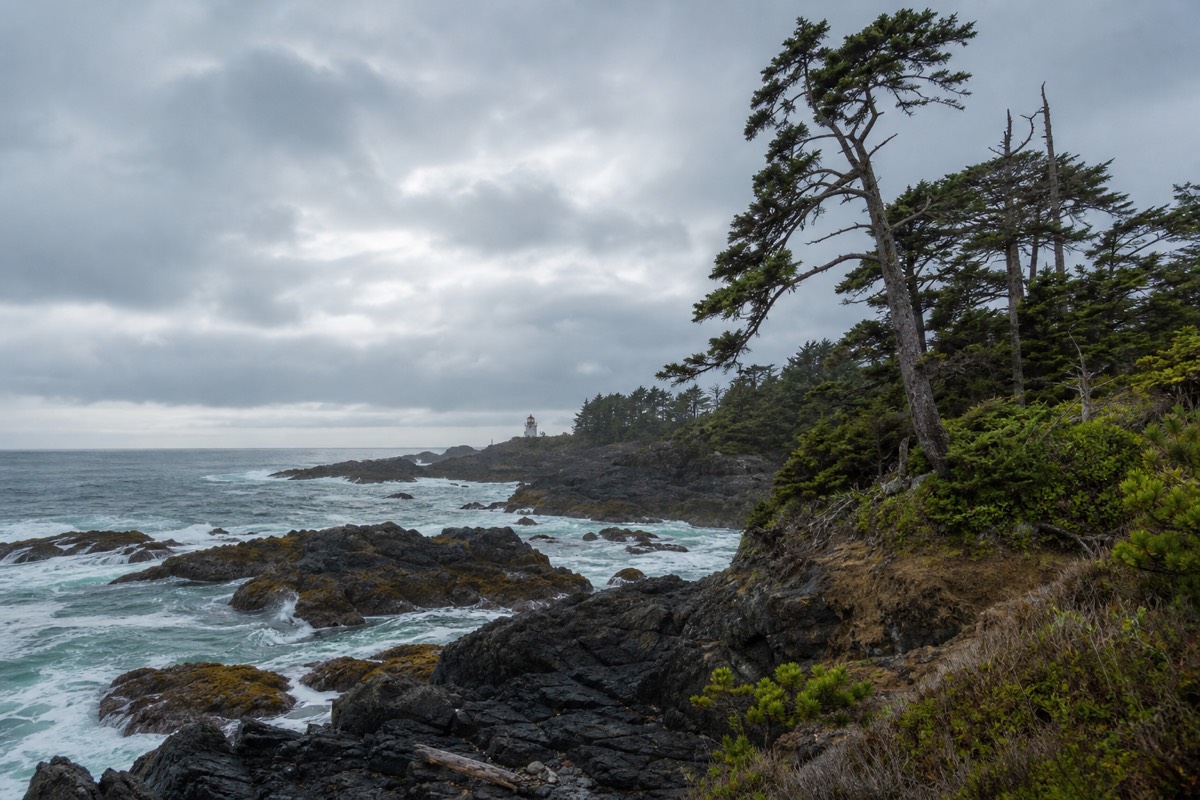
From November to February, Tofino trades surfers and sunsets for something wilder: Pacific storms that hurl waves into the headlands while you watch from behind glass or a rain shell. Here is how to plan a winter storm trip.
Trade one grey day for steam. A covered Clayoquot Sound cruise leads to the Hot Springs Cove boardwalk and geothermal pools. Check Hot Springs Cove trip dates
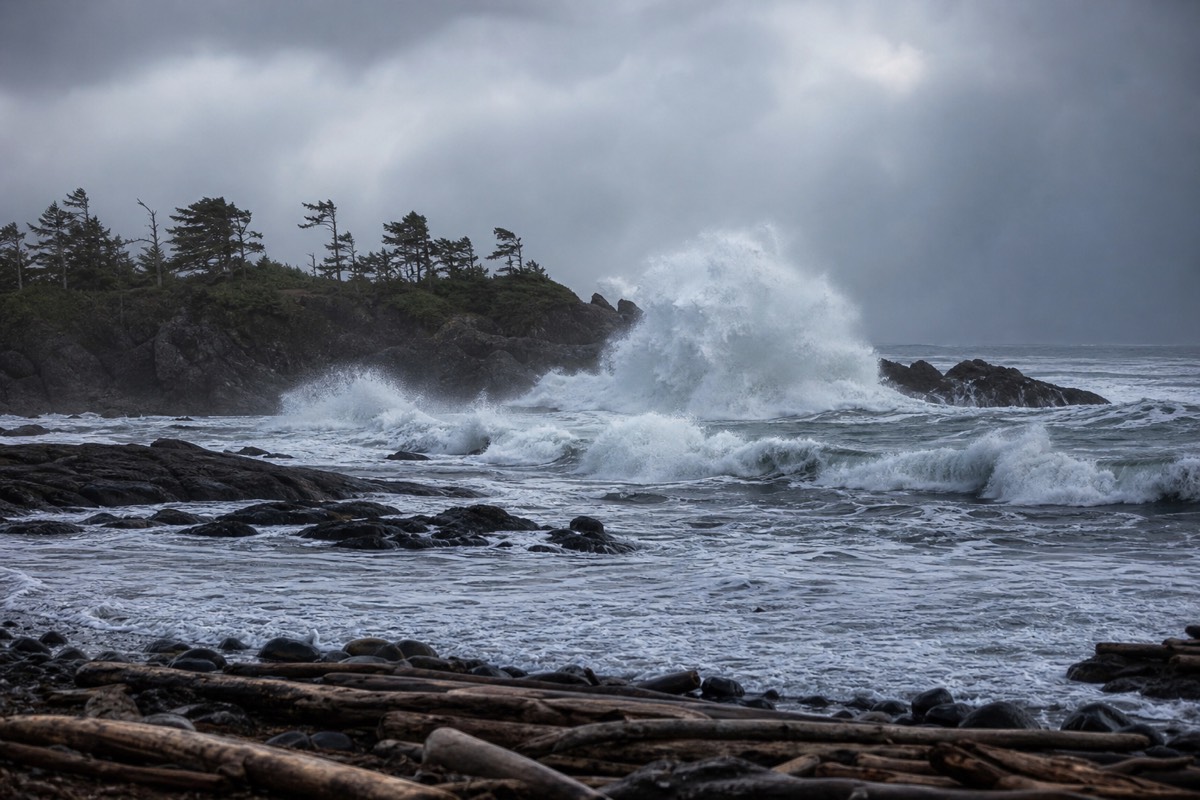
Most beach towns shut down when the weather turns. Tofino does the opposite. When the first big low spins in off the Pacific in late autumn, a different kind of visitor arrives, the ones who came precisely because the ocean is angry. Storm watching has become the west coast's signature winter draw, and it is one of the few travel experiences that gets better the worse the forecast looks. This guide from our team lays out the 2026-2027 season, where to stand, what to wear, and how to fill the hours when you are not staring at the surf.
Storm watching is a genuinely different way to see the west coast, and it has grown from a local secret into one of the main reasons people book the coast in the off-season. The beaches that heave with visitors in August lie almost empty, the rates ease, and the ocean puts on a show that no summer day can match. It rewards a particular kind of traveller, one who packs for weather and treats a wild forecast as good news rather than a ruined plan.
Tofino storm season, month by month
Typical storm frequency across the winter. The pattern is a planning guide for the 2026-2027 season, not a forecast.
When is storm watching season in Tofino?
Storm watching season runs from November through February, with the biggest and most frequent systems arriving in December and January. For the 2026-2027 winter, plan a trip anytime from mid-November 2026 to late February 2027, and build in flexibility, because the best storms are the ones you cannot schedule. October and March are quieter shoulder months.
These are the rainiest, windiest months on the coast, which is exactly the point. A good storm brings low grey skies, driving rain, and waves that stack up and detonate against the rocks. You do not need to chase a specific date so much as give yourself a few nights and let a system roll through, since most trips of three or four nights catch at least one proper blow. The same weather that powers the storms also fires up the winter swell that draws surfers, which we cover in our guide to surfing in Tofino.
| Month | Storm activity | Crowds | Notes |
|---|---|---|---|
| October | Building, first systems | Light | Shoulder season, milder |
| November | Frequent, strong | Quiet | Season opens in earnest |
| December | Peak, big systems | Holiday spikes | Book early around the holidays |
| January | Peak, wildest surf | Quiet | Often the biggest waves |
| February | Still strong | Quiet | Reliable storms, good value |
| March | Easing, mixed | Light | Gray whales start to appear |
What causes the storms on the west coast?
Tofino's storms are born far out in the North Pacific, where deep low-pressure systems spin down out of the Gulf of Alaska through autumn and winter and drive straight into the exposed west coast of Vancouver Island. There is no land to soften them, so the full weight of wind, rain and ocean swell lands here first.
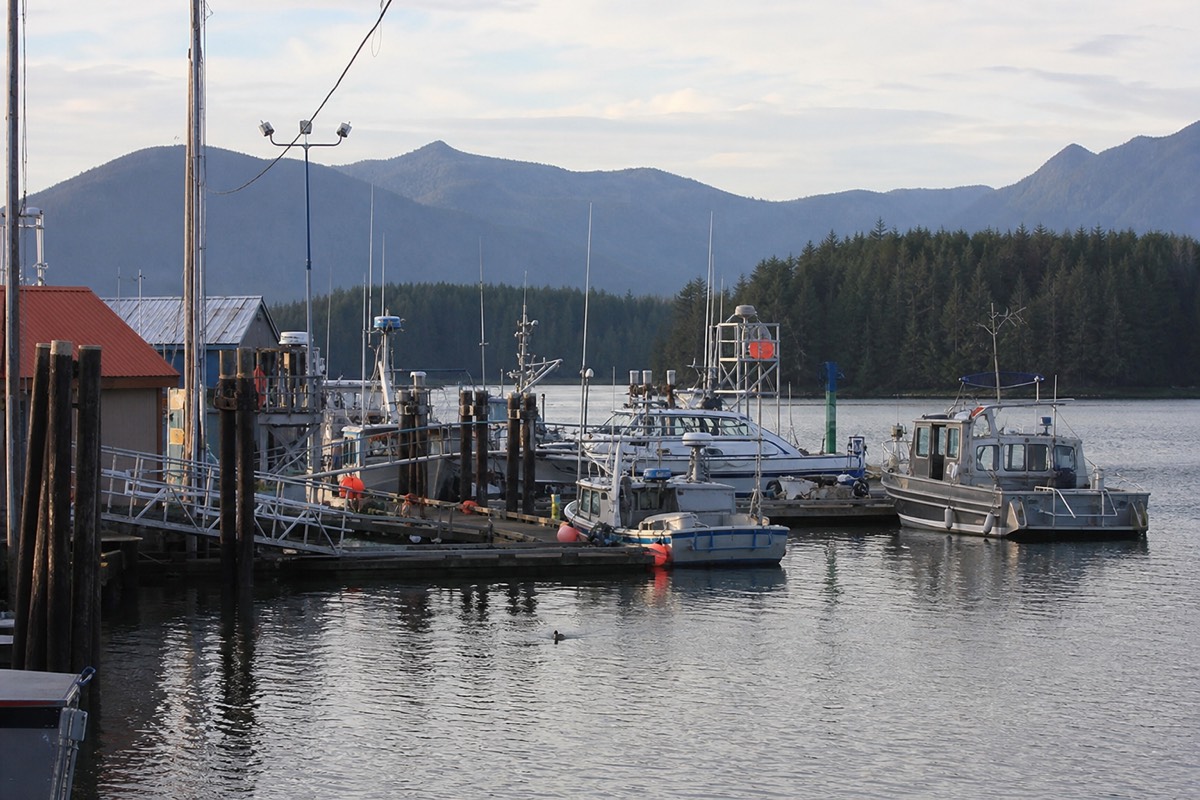
This open exposure is the whole reason the coast catches such heavy weather from November onward. Nothing stands between the town and the systems tracking in off thousands of kilometres of open water, so the swell arrives with its energy intact. When a strong low lines up with a high tide, the waves that reach the beaches carry enormous force, and that is what you see exploding against the headlands and sending spray over the rocks. The rainforest behind the beaches tells the same story in slow motion: the trees lean inland, wind-pruned and shaped by decades of the same prevailing gales. Understanding this also helps you read a forecast. A tight, deep low tracking toward the island usually means a serious blow, while a weaker system passing to the north may bring rain without much drama. The coast has always lived at this weather boundary, and the storms are not an interruption to the place so much as the force that made it what it is.
How do you know when a storm is coming?
Watch the marine and coastal forecasts in the days before you travel, and look for incoming low-pressure systems, high wind warnings and large swell. On the coast, a falling barometer, a rising southwest wind and a heavy grey sky building offshore are the classic signs that a system is about to arrive.
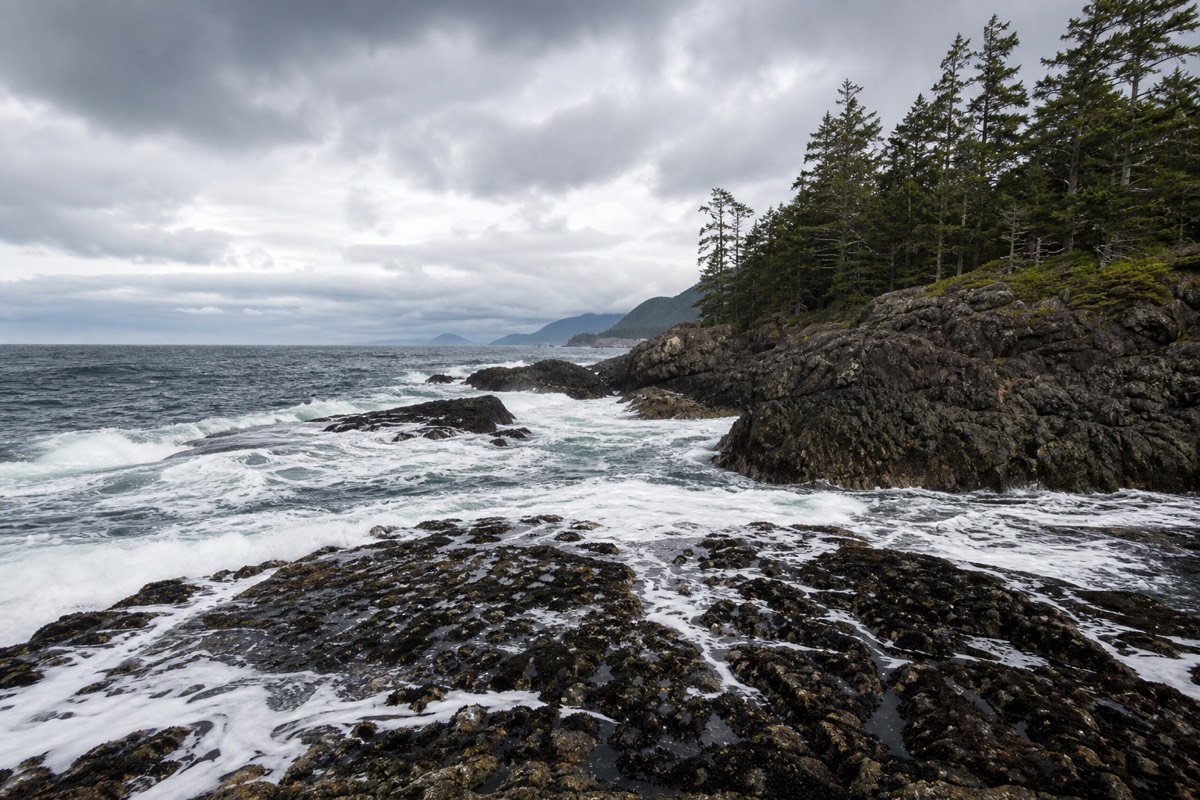
You do not need to be a meteorologist to time this well. A general forecast showing strong wind and rain is usually enough to promise a good show, and the wilder it reads, the better the watching tends to be. Because storms cannot be pinned to an exact day, the practical move is to book several nights rather than one and let the weather come to you, since most trips of three or four nights catch at least one solid system. Marine forecasts and swell readings give the keenest watchers a head start, but they are a bonus rather than a requirement. Once you arrive, lodge staff and locals are the best source of all, because they follow the systems closely all season and will happily tell you when the next big one is due to land. Flexibility is the real skill here: keep your outdoor plans loose, and be ready to drop everything and head for a headland when a good one rolls in.
Where are the best beaches and vantage points for storms?
The best storm watching combines exposed, safe vantage points with a warm place to retreat. Cox Bay, Chesterman Beach and Long Beach take the full force of the swell, the Wild Pacific Trail headlands in Ucluelet give elevated cliff-top views, and many oceanfront lodges let you watch from behind glass. Never turn your back on the water or stand on wave-washed rocks.
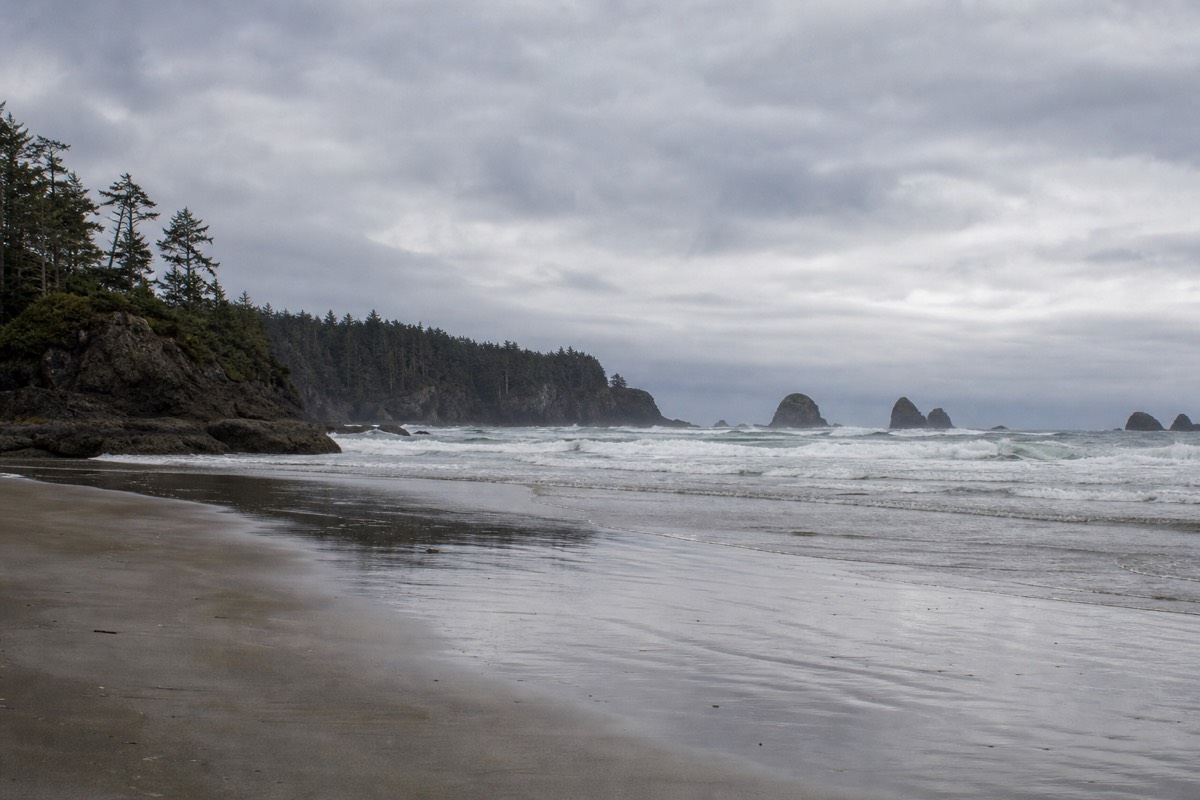
Cox Bay is a favourite because its deep bay funnels and stacks the swell into towering walls. The rocky points around Chesterman and the headlands of Ucluelet's Wild Pacific Trail let you look down onto the chaos from a safe height, which is often the most dramatic angle. Inside the national park, the Wickaninnish area offers big open views of Long Beach under storm skies; check current conditions and any closures with Parks Canada first, since the park manages access in severe weather. The single most important safety rule is distance: sneaker waves and log-strewn beaches are genuinely dangerous in a storm.
Timing helps too. A storm arriving on a rising or high tide pushes the waves furthest up the beach and makes for the most dramatic viewing, while a big swell on a low tide can look tamer than the forecast suggested. Give yourself room to move back as the tide climbs, watch how far the largest sets are reaching before you settle on a spot, and keep well clear of the huge drift logs that the surf can shift without warning. The safest and often best views are from a headland or a warm window rather than the open sand, and photographers in particular find the elevated angles both safer and more striking.
| Vantage point | What you see | Exposure | Access |
|---|---|---|---|
| Cox Bay | The biggest stacked waves | Very high | Beach and viewpoint, keep well back |
| Chesterman Beach | Waves wrapping the points | High | Easy, close to town |
| Wild Pacific Trail, Ucluelet | Cliff-top views down onto the surf | High, but elevated and safer | Loop trails on the headland |
| Wickaninnish, Long Beach | Vast open beach under storm sky | High | Inside the park, day pass needed |
| Oceanfront lodge window | The full show, warm and dry | None | Book a storm-facing room |
What should you wear and pack for a Tofino storm?
Dress for horizontal rain and strong wind, not just cold. A fully waterproof shell jacket and pants, warm layers underneath, waterproof boots, and a hat you will not lose to the wind are the core kit. Add a dry change of clothes back at the room, because you will get wet, and that is part of it.
Cotton is the enemy in this weather, so build your layers from wool or synthetics under a genuinely waterproof outer shell. Wind, not temperature, is what makes a west coast storm feel raw, so a hood that cinches down matters more than a heavy coat. Waterproof footwear with grip keeps you steady on slick boardwalks and rocks, and a small dry bag for your phone or camera saves a lot of grief. Treat the list below as a planning allowance and adjust it to your own tolerance for the wet, since some people happily watch for an hour while others prefer twenty minutes and a warm window.
| Item | Why it matters |
|---|---|
| Waterproof shell jacket | Rain here comes sideways on the wind |
| Waterproof over-trousers | Keeps you out long enough to enjoy it |
| Wool or synthetic layers | Stay warm even when damp, unlike cotton |
| Waterproof boots with grip | Slick boardwalks and wet rock |
| Snug hat and gloves | Wind chill, not cold, is the real issue |
| Dry change of clothes | Waiting warm and dry back at the room |
Why visit Tofino in winter at all?
Winter is Tofino at its most authentic: emptier beaches, lower midweek rates, cosy oceanfront lodges, and a raw ocean that summer visitors never see. The town stays open, the rainforest looks its best in the wet, and the whole coast slows to a pace that the July crowds make impossible.
There is a particular pleasure in watching a storm rage while you are warm and dry with a hot drink, then heading out bundled up for twenty wind-blasted minutes on the sand. Rates outside the holiday weeks are often gentler than peak summer, and the beaches you shared with hundreds of people in August are yours alone. If you are weighing where to base for a winter trip, Ucluelet often runs quieter and cheaper still, a trade-off we lay out in Tofino or Ucluelet. Winter is also when the coast feels most like the wild edge it actually is.
The town itself stays alive through the season. Restaurants, cafes and shops keep reduced but real winter hours, the surf community never leaves, and the pace is unhurried in a way that suits a slow trip. Days are short, so plan the outdoor hours around the light and keep the evenings for the warm indoor side of the coast. Travellers who arrive expecting a ghost town are usually surprised by how comfortable and welcoming a winter base here can be, and by how much they end up doing between the squalls.
| Winter Tofino | Summer Tofino | |
|---|---|---|
| Main draw | Storms, big surf, solitude | Beaches, mellow surf, sun |
| Crowds | Quiet outside holidays | Busiest of the year |
| Rates | Often lower midweek | Highest and tightest |
| Weather | Wet, windy, dramatic | Warmest and driest |
| Best for | Storm lovers, couples, photographers | Families, first-time surfers |
What is a storm-watching package?
Many oceanfront lodges on the coast build their winter business around storm watching, offering packages that pair a storm-facing room with extras like rain gear to borrow, hot drinks and flexible dates. They are designed for exactly this trip: watching the ocean rage from a warm room, then stepping out into it whenever you like.
The appeal of a package is that it turns the weather from a gamble into the entire point of the stay. A room facing the open Pacific lets you watch the biggest sets roll in without leaving your chair, and borrowed rain gear means one less thing to pack. Outside the holiday weeks, winter rates are often gentler than peak summer, which makes a storm trip surprisingly good value for the drama it delivers. Some lodges sit right above the surf on exposed points, others tuck into more sheltered bays, so it is worth checking exactly what your window looks onto before you book. Getting out to the coast in the first place takes a little more care in winter, when Highway 4 can see snow at the summit and rain lower down, and our guide to reaching Vancouver Island covers the crossing and the drive. Once you are settled into a storm-facing room, the hard part is done and the ocean does the rest.
Can you combine storm watching with surfing?
Yes, and many winter visitors do both. The same storms that draw watchers to the headlands generate the powerful swell that experienced surfers travel across the world for. On the wildest days the ocean is purely for watching, but in the cleaner windows between systems the winter surf is at its most rewarding for those with the skill and the right wetsuit.
The two pursuits share a natural rhythm. A big system rolls through and you watch it hammer the coast, then as it clears the wind swings offshore, the surf cleans up, and the confident surfers paddle out into head-high and bigger waves. This is firmly advanced territory rather than a place to learn, and it demands a 5/4 wetsuit with boots, gloves and a hood to handle water that sits near single digits. For everyone else, the storm itself is the main event, and there is no shortage of it between November and February. Watching a lone surfer drop into a grey winter wall while rain sweeps the beach is, for many visitors, the defining image of the season, the moment the whole trip clicks into place. Even if you never go near a board, the surfers add scale and life to the scene that makes the ocean's raw power easier to grasp.
Which tours still run in winter, and can you pair Hot Springs Cove?
Several tours run right through winter, weather permitting. The Hot Springs Cove cruise pairs especially well with a storm trip, since soaking in geothermal pools at the ocean's edge while rain falls is a highlight, not a compromise. Guided beach and forest outings also run, though schedules thin out and some operators pause on the roughest days.
Soaking at Hot Springs Cove in winter is one of the coast's great experiences, and because the site is reachable only by boat, you go with a guided trip. The Hot Springs Cove wildlife cruise runs about six hours from roughly $228, so check the live listing for winter sailings and weather holds. We spell out access in our answer to whether you can drive to Hot Springs Cove. On calmer winter days, a guided ride and hike along the surf beaches gets you onto the coast with a local who reads the conditions, running about three hours from roughly $110; check the live listing before you book.
What runs and what pauses comes down to the weather on the day. Boat trips need a workable window, so operators may hold departures when a system is at its worst and sail as soon as it eases, which is another reason to give your trip a few nights of flexibility. Bear and whale activity both drop off through the coldest months, with the gray whales not returning to the coast until around March, so winter is squarely about the storms, the surf and the soak rather than wildlife. Book cruises ahead where you can, and keep a rainy-day plan ready for the days the ocean is simply too rough to head out on.
| Activity | Runs in winter? | Notes |
|---|---|---|
| Hot Springs Cove cruise | Yes, weather permitting | Soaking in the rain is a highlight |
| Guided bike and hike | Yes, on calmer days | Guide reads the conditions |
| Bear watching | Limited | Bears are less active in the cold months |
| Whale watching | Limited until spring | Gray whales return around March |
What are the best rainy-day and indoor options?
When you need a break from the weather, Tofino has more indoors than its size suggests: cafes and bakeries, galleries showing coastal and Indigenous art, a brewery, spa soaks, and the covered rainforest boardwalks that shelter you under the canopy. A storm trip is at its best when you alternate wild outdoor bursts with warm indoor stretches.
The rainforest is arguably better in the wet than the dry, since the moss glows and the light goes soft, and the boardwalk trails inside Pacific Rim National Park keep you off the mud. Town has a genuine coffee and food scene for the in-between hours, and a spa or hot pool is an easy way to warm through after a beach walk. Photographers in particular tend to find the low, moody light of a storm day far more rewarding than flat summer sun, which is part of why the coast has become such a draw for winter shooting.
A good winter day here has a rhythm to it: a wind-blasted walk on the beach, then back inside to dry off over coffee, then out again when the next squall clears. That stop-start pattern is part of the charm, and it means you are never far from somewhere warm. Bring a book, treat meals as events rather than refuelling, and let the weather set the pace rather than fighting it. The travellers who enjoy winter here most are the ones who stop trying to control the day and simply follow the storms.
| Rainy-day option | Why it works |
|---|---|
| Rainforest boardwalk walk | Canopy shelters you and the forest looks its best |
| Cafes, bakeries and a brewery | Warm hours between storm bursts |
| Art galleries | Coastal and Indigenous work, all indoors |
| Spa or hot pool | Warm through after a wind-blasted beach |
| Storm photography | Moody light beats flat summer sun |
Is winter Tofino worth it, and who is it for?
Winter Tofino is worth it for anyone who values drama over sunshine: couples after a cosy escape, photographers, and travellers who want the coast without the crowds. It suits people happy to get wet and flexible on timing. It is a poor fit for those set on beach swimming, guaranteed sun, or a packed tour schedule.
The honest test is your attitude to weather. If a forecast of gales and rain sounds thrilling rather than ruinous, this is your trip. If you were hoping to lie on warm sand, come in summer instead and read our full things to do in Tofino and Ucluelet for the warm-season lineup, or compare beaches across the island in our guide to the best beaches on Vancouver Island. For travellers who want the winter coast handled end to end, the team behind our guided west coast tours arranges storm-season days and cruises, and the island visitor resource is useful for lodging and current conditions.
One honest note to close on: winter days are short and the weather can keep you indoors for stretches, so this is a trip that rewards a relaxed mindset over a crammed itinerary. Couples and photographers tend to love it, families with very young children less so when the weather turns truly rough. If a wild, quiet, dramatic coast sounds like your kind of escape, few places in Canada deliver quite like this one does in a January gale.
| Winter Tofino suits | Winter Tofino is a poor fit for |
|---|---|
| Couples after a cosy escape | Anyone set on beach swimming |
| Photographers chasing moody light | Travellers who need guaranteed sun |
| Storm and surf lovers | Those wanting a packed tour schedule |
| Crowd-averse visitors | Very young children in rough weather |