Are There Grizzly Bears on Vancouver Island?
Short version: the island itself is black bear country, and grizzlies are a mainland animal you reach by boat. Here is what that means for a bear-watching trip.
Choose the right bear trip. Island black bears stay local; grizzly day trips cross from Campbell River to mainland habitat.
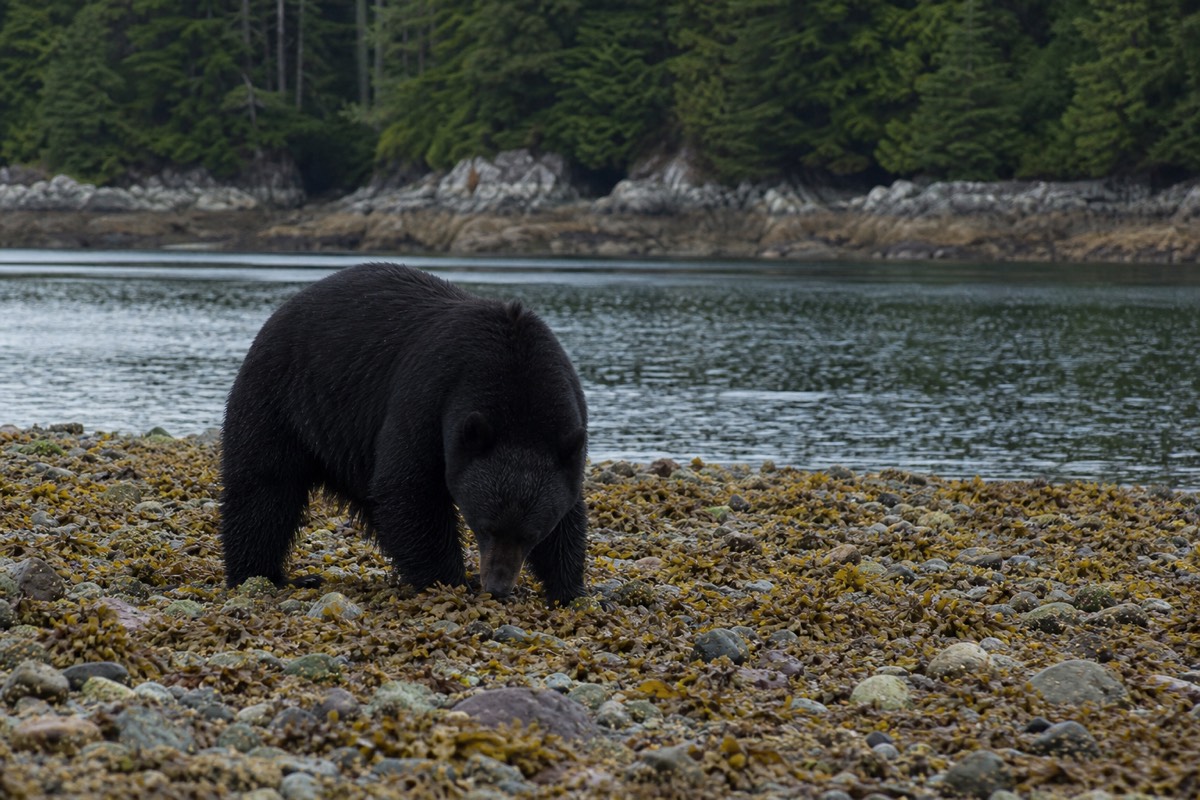
People often arrive expecting grizzlies fishing a salmon stream and leave having watched something quieter and just as good: a black bear flipping rocks for crabs on a low-tide shoreline. The confusion is understandable, because grizzly images sell British Columbia, but the reality on Vancouver Island is specific and worth getting right before you book.
Are there grizzly bears on Vancouver Island?
No, not as a resident population. Vancouver Island is black bear country, one of the densest black bear habitats anywhere, while grizzlies live on the British Columbia mainland. Rare wandering males have occasionally swum across from the mainland, but there is no breeding grizzly population on the island itself.
So if your heart is set on grizzlies, you will be looking mainland-side, reached by boat or floatplane from the north of the island rather than from Tofino or Victoria. That is not a downgrade. Vancouver Island's coastal black bears are large, photogenic and easy to watch from the water, and the trip to see them is one of the most reliable wildlife outings on the coast.
What bears actually live on Vancouver Island?
Coastal black bears, and lots of them. They forage along shorelines and estuaries, flipping rocks for crabs and other food at low tide, and gather on salmon streams in the fall. They are a distinct coastal population, often larger than interior black bears thanks to the rich shoreline diet.
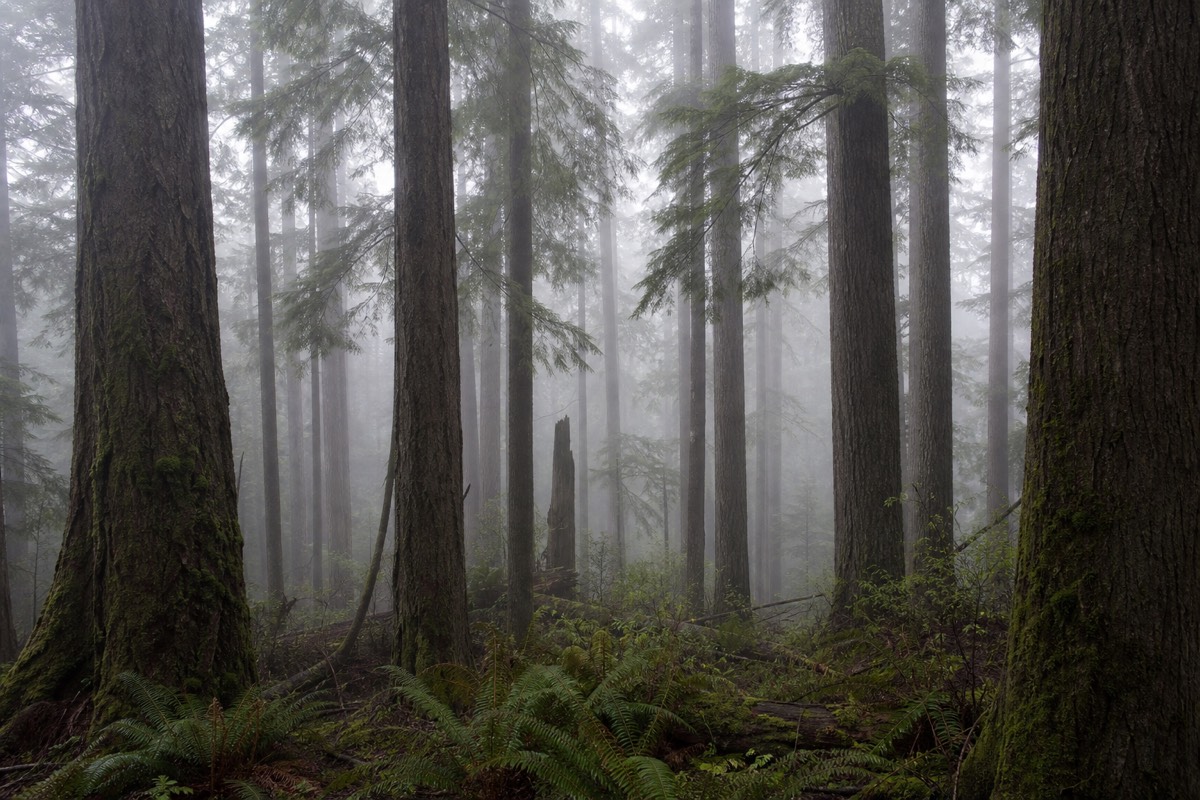
The classic way to see them is from a small boat easing along a sheltered inlet at low tide, when bears come down to the exposed rocks to feed. This is exactly the experience on the Tofino bear watching cruise into Clayoquot Sound, a short small-group trip with a naturalist who reads the tide and the shoreline for you. Along the way you also stand a good chance of seals, porpoises, bald eagles and herons, which is why families rate it so highly and why our guide to Vancouver Island with kids puts a bear cruise near the top of the list. The wider west coast around Tofino and Ucluelet is prime black bear territory more generally, backed by the rainforest of the national park reserve.
| Trait | Black bear | Grizzly bear |
|---|---|---|
| On Vancouver Island? | Yes, a dense resident population | No resident population, mainland only |
| Where you watch them | Shorelines and inlets near Tofino and Campbell River | Mainland inlets such as Knight Inlet, reached by boat |
| Look | Smaller, no shoulder hump, straighter face | Larger, distinct shoulder hump, dished face |
| Best way to see | Small-group boat cruise at low tide | Guided day trip from the north island by boat or floatplane |
Where can you see grizzly bears near Vancouver Island?
You cross to the mainland for grizzlies. The usual route is a guided day trip from the north island, often out of the Telegraph Cove and Campbell River area, running by boat or floatplane to mainland inlets like Knight Inlet where grizzlies gather on the salmon rivers in season.
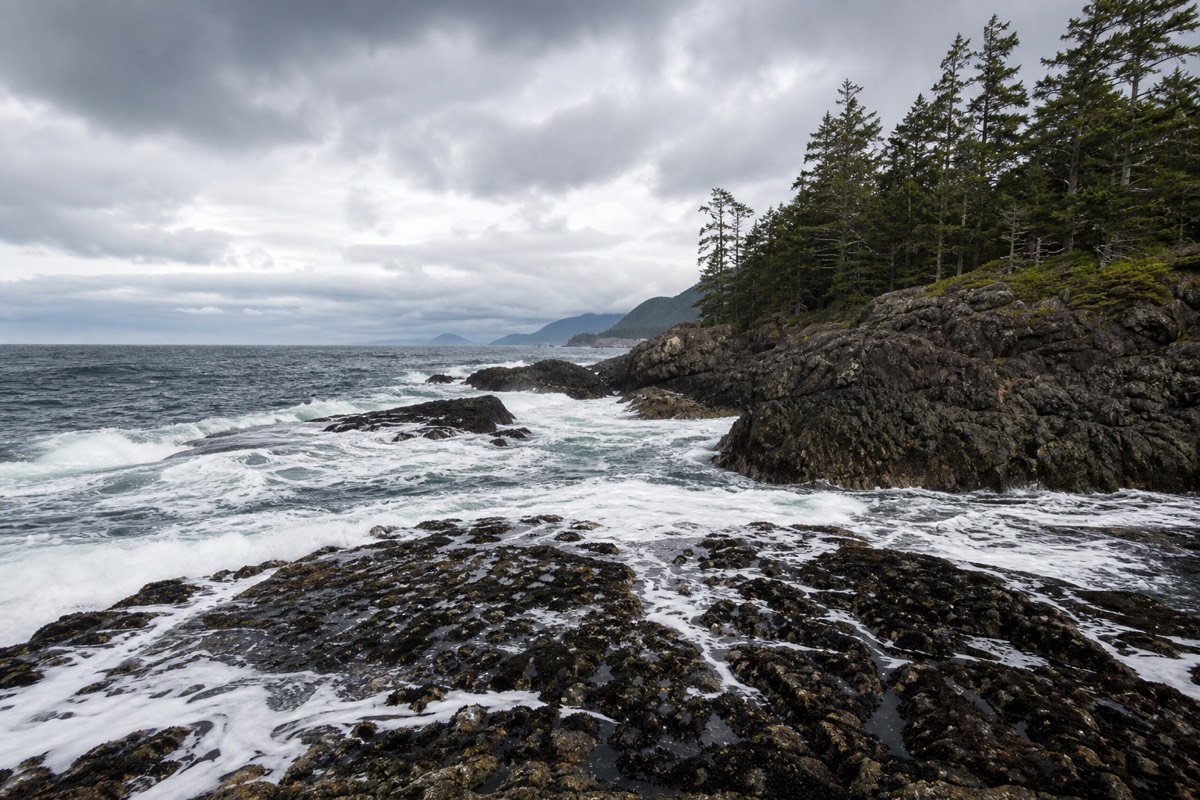
These are longer, pricier and more specialised outings than a Tofino black bear cruise, and they suit travellers building a trip around wildlife rather than fitting a bear stop into a beach holiday. If you are already heading up the coast, the north island is also the strongest region for orcas, so grizzly and orca watching can share a base. Our overview of whale watching on Vancouver Island explains why Telegraph Cove and Campbell River top the orca rankings, which makes the far north a natural double bill for serious wildlife travellers.
| Where | Bear type | Best season | How to get there |
|---|---|---|---|
| Clayoquot Sound (Tofino) | Coastal black bears | Spring and fall | Small-group boat from Tofino |
| Campbell River area | Black bears | Spring and fall | Boat or shoreline viewing |
| Knight Inlet (mainland) | Grizzly bears | Late summer and fall salmon runs | Guided day trip from the north island |
When is the best time to see bears?
Spring and fall are the strongest windows. In spring, bears come out hungry and work the shorelines at low tide. In fall, especially September and October, salmon runs concentrate bears on the rivers and estuaries, which is also the peak for grizzly watching on the mainland.
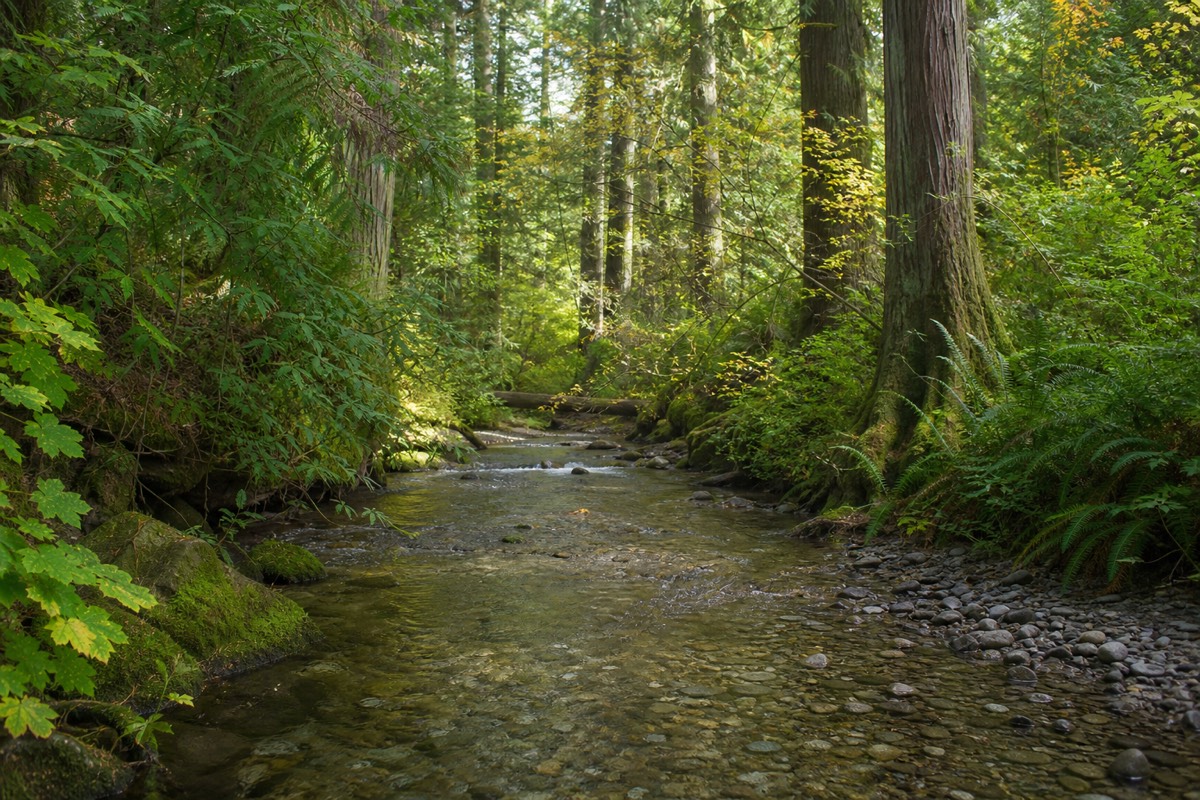
Low tide matters as much as the month for shoreline black bears, because that is when the feeding rocks are exposed, so a good operator times the departure to the tide rather than the clock. If your dates are open, September is hard to beat: the bears are active, the weather is often settled, and the same season delivers strong whale watching too.
How do you watch bears safely and ethically?
Go with a guide on the water rather than seeking bears out on foot. A boat keeps a respectful distance, causes no stress to the animal, and is far safer than trying to self-drive to a sighting. If you are hiking in bear country, carry bear spray, make noise, keep dogs leashed, never feed or approach a bear, and stick to marked trails.
Guided cruises and viewing platforms are the responsible standard here for a reason: they let you watch a wild animal behaving naturally without crowding it. On any island trail you should assume black bears are present, give them plenty of room, and back away calmly if you meet one. Parks Canada publishes current bear guidance for the west coast at Pacific Rim National Park Reserve, and the broader picture of the island's wildlife is well summarised on the Vancouver Island reference page. For a gentler day on the water that still turns up wildlife, some visitors prefer to ask whether you can kayak with orcas on Vancouver Island, though bears are best left to a boat with an engine and a guide.
The bottom line: you can absolutely watch bears on a Vancouver Island trip, just calibrate the expectation. Black bears on the island are close, reliable and family-friendly, while grizzlies are a mainland add-on for the north-island wildlife specialist. Either way, book the small-group boat departures ahead, because they run to fixed capacities and the fall salmon-run dates fill first. You can compare the wildlife-focused options across our guided island tours before you lock in your dates.