Vancouver Island Road Trips and Scenic Drives: Routes, Stops and Timings
Vancouver Island rewards a car more than almost anywhere in British Columbia. Here are the classic routes, the stops that make them, the times between them, and whether to drive yourself or hand the wheel to a guide.
See the classic west-coast journey without coordinating every connection. This two-day trip combines the ferry, Cathedral Grove, Tofino and one overnight. Check the two-day Tofino itinerary
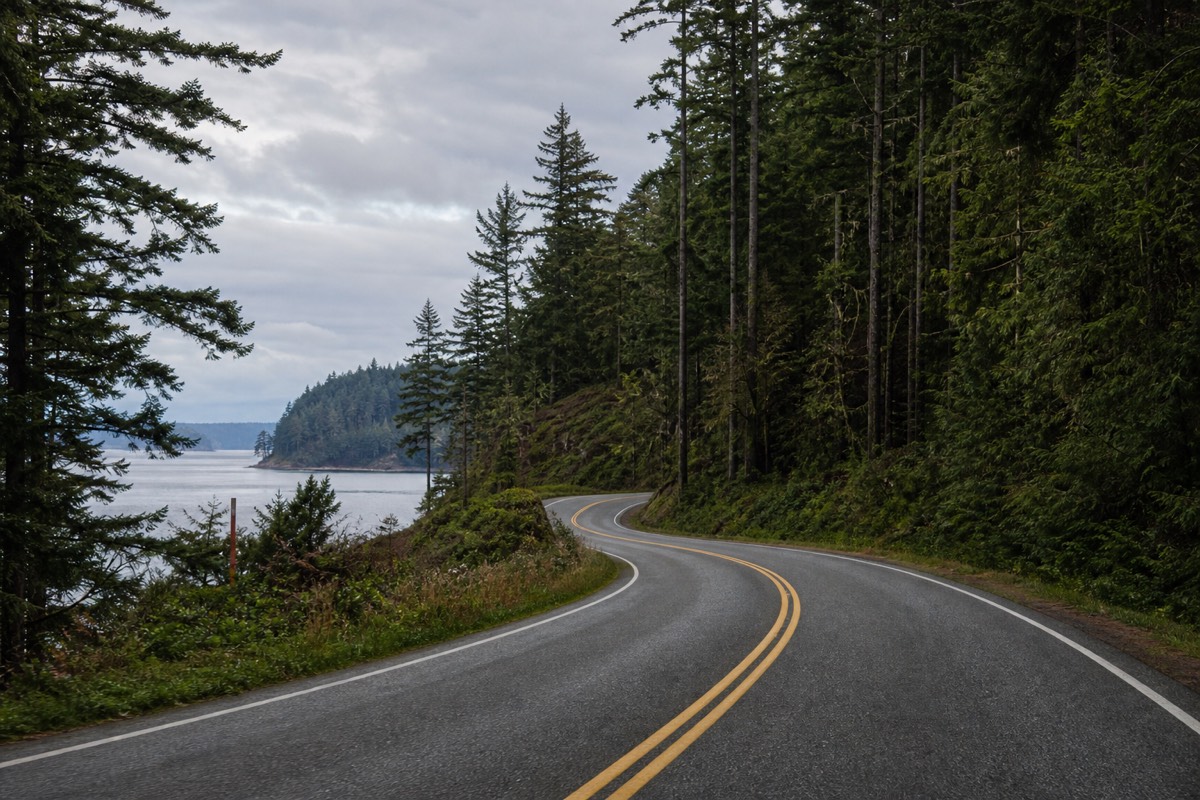
Vancouver Island rewards a car more than almost any part of British Columbia. Its best moments are strung along two-lane highways: an old-growth grove ten minutes off the road to the coast, a country market with goats grazing on the roof, a headland where the pavement runs out at Port Renfrew. This guide lays out the island's classic driving routes, the stops that make them, the times between them, and whether to drive yourself or let a guide take the wheel.
Driving times across the island
Planning allowances only; island roads run slower than the distance suggests, so build in a buffer for stops and traffic.
What are the best road trips on Vancouver Island?
Three road trips define Vancouver Island: the Victoria to Tofino run across the mountains to the surf coast, the Pacific Marine Circle Route looping the wild south from Victoria through Port Renfrew, and the long Island Highway north to Campbell River and beyond. The first is the classic, and the one most visitors drive.
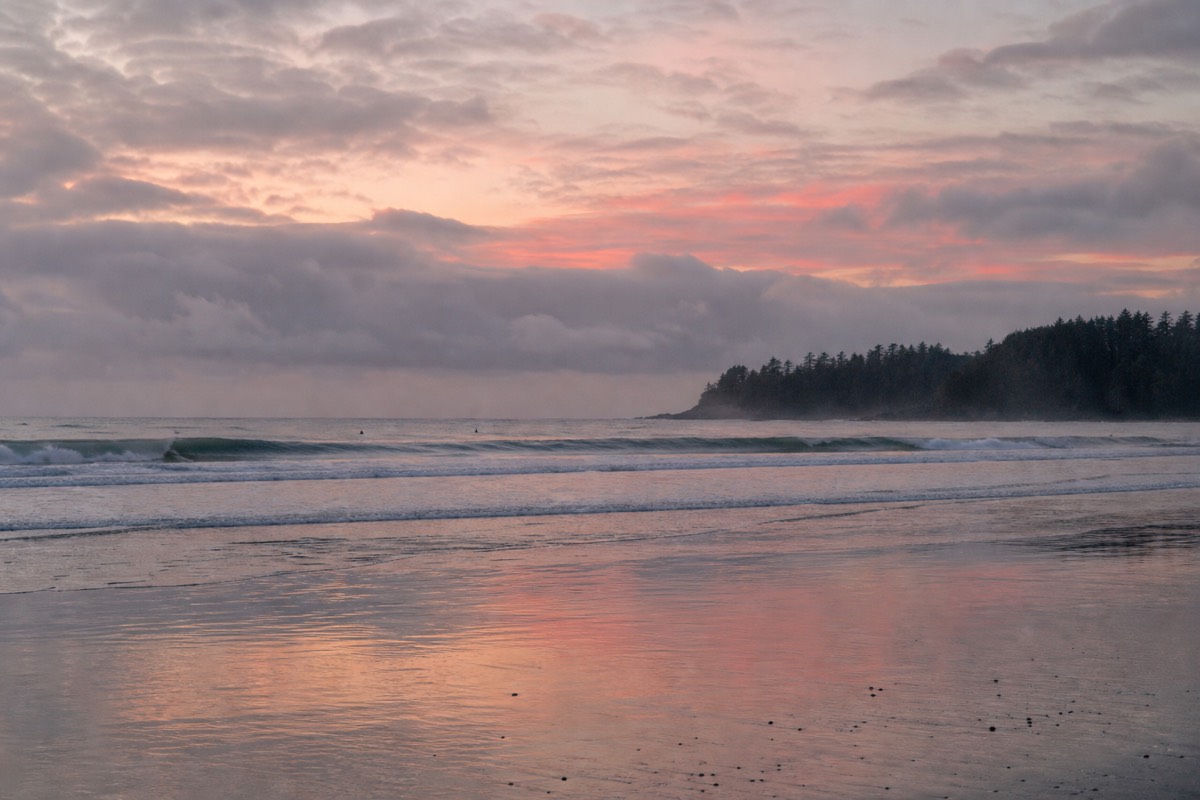
Each route has its own rhythm. The Victoria to Tofino drive is a point-to-point journey with a real destination at the end, best done over two or more days rather than there and back in one. The Pacific Marine Circle Route is a full-day loop you can start and finish in Victoria, taking in the Juan de Fuca coast and the Cowichan Valley. The Island Highway north opens up wilder, quieter country toward Campbell River, Telegraph Cove and eventually Port Hardy, and suits travellers with a week or more. Before you commit to a route, it helps to decide how long you have; our blog on how many days you need on Vancouver Island sets realistic expectations.
A useful way to choose is by the trade-off between distance and depth. A single loop like the Pacific Marine Circle Route shows you a lot of coast in one day but little of any one place. A point-to-point run to Tofino, with an overnight or two, trades breadth for immersion, letting the beaches and rainforest sink in. The north-island drive rewards travellers willing to keep going past the usual turnaround at Campbell River, toward Telegraph Cove and the wildlife-rich waters beyond. Match the route to the days you have, and to whether you would rather cover ground or settle into it.
| Route | Distance (allow) | Time | Highlight | Best for |
|---|---|---|---|---|
| Victoria to Tofino | About 315 km one way | 4 to 4.5 hrs driving | Cathedral Grove, Pacific Rim beaches | The classic west-coast trip |
| Pacific Marine Circle Route | About 250 km loop | A full day | Port Renfrew, Juan de Fuca coast, Cowichan | A big day trip from Victoria |
| Island Highway north | Victoria to Campbell River about 265 km | Half a day plus stops | Wildlife, quieter towns | Longer trips, the north island |
| Southern Gulf detour | Short ferry hops | A day or two | Salt Spring and the Gulf Islands | A slower island add-on |
The Island Highway north deserves a mention of its own, because it is the route most first-timers overlook. Beyond Nanaimo the highway runs up the sheltered east coast through Courtenay and the Comox Valley to Campbell River, the gateway to the wilder north, then pushes on toward Telegraph Cove and Port Hardy for those with the days to spare. It is a different island up here: quieter towns, big timber and river country, and some of the finest wildlife watching in the province. The road is good and the driving easy, but the distances are real, so treat the north as a destination in its own right rather than a quick add-on. Some travellers even pair it with a ferry from Port Hardy up the Inside Passage, turning the drive into one leg of a much larger loop.
How does the Victoria to Tofino drive work?
The Victoria to Tofino drive runs about 315 kilometres and takes four to four and a half hours without stops: north on Highway 1 to Nanaimo and Parksville, then west on Highway 4 over the mountains to the coast. The final stretch is narrow and winding, so plan it as a half-day with stops, not a dash.
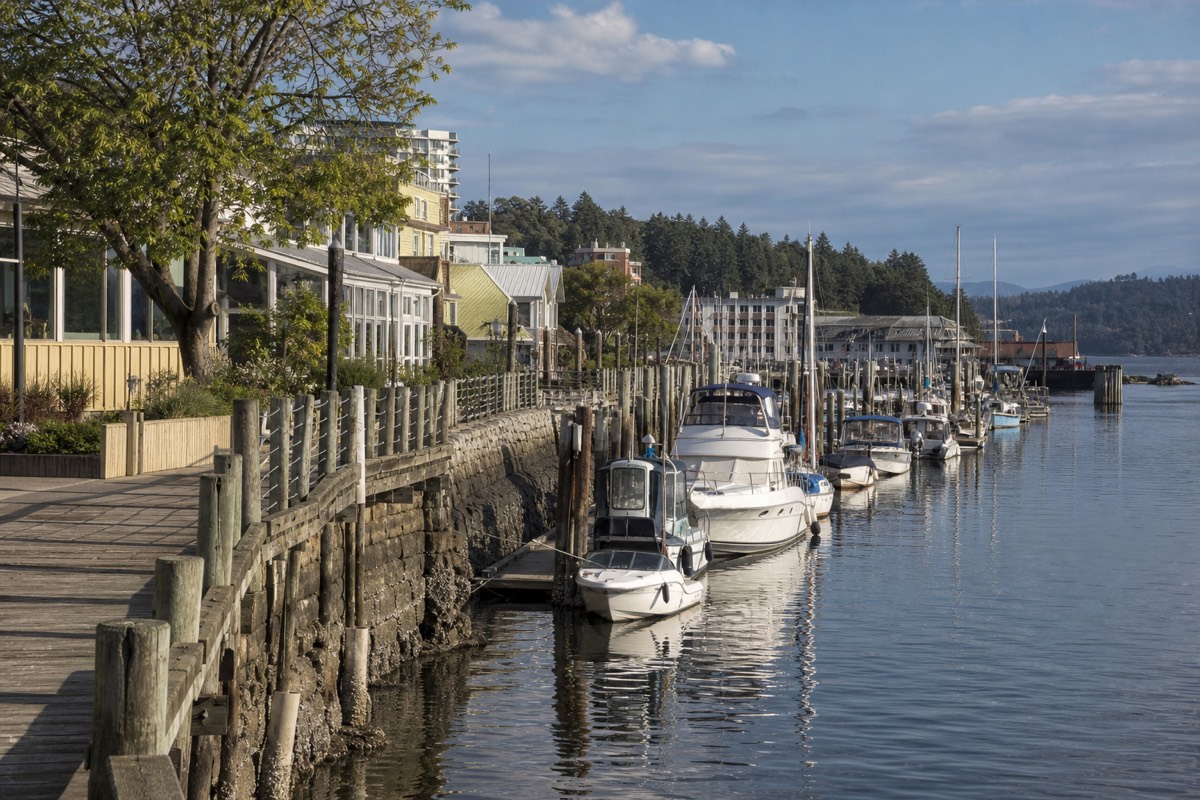
From Victoria you head up the Island Highway through the Cowichan Valley to Nanaimo, then continue to Parksville, where Highway 4 branches west. This is where the drive changes gear. The road climbs past Cameron Lake to Cathedral Grove, dips through Port Alberni, then crosses a mountain pass before the long descent to the coast at the Ucluelet junction, where you turn north for Tofino. Fuel up in Port Alberni, the last major services before the coast, and do not trust your arrival time to the map, because the mountain section is slow and can back up behind logging trucks or road work. Starting from Nanaimo rather than Victoria cuts the drive to around two to two and a half hours. For the crossing options that get you onto the island in the first place, see our guide to getting to Vancouver Island.
The scenery earns the hours. The first leg through the Cowichan Valley rolls past farms and vineyards, then Nanaimo marks the shift from city to coast. Beyond Parksville, Highway 4 tightens and climbs, and the payoff is immediate: Cameron Lake mirrors the mountains on a calm morning, Cathedral Grove appears without warning around a bend, and the descent to the coast delivers your first glimpse of open Pacific. Plan a proper food stop in Coombs or Port Alberni rather than eating on the move, and the drive stops feeling like a transfer and starts feeling like the holiday itself.
What is the Pacific Marine Circle Route?
The Pacific Marine Circle Route is a loop of roughly 250 kilometres that you can drive from Victoria in a full day. It runs west along the Juan de Fuca coast through Sooke to Port Renfrew, then cuts inland to Lake Cowichan and Duncan before returning to Victoria on Highway 1. It is the island's best day-long scenic drive.
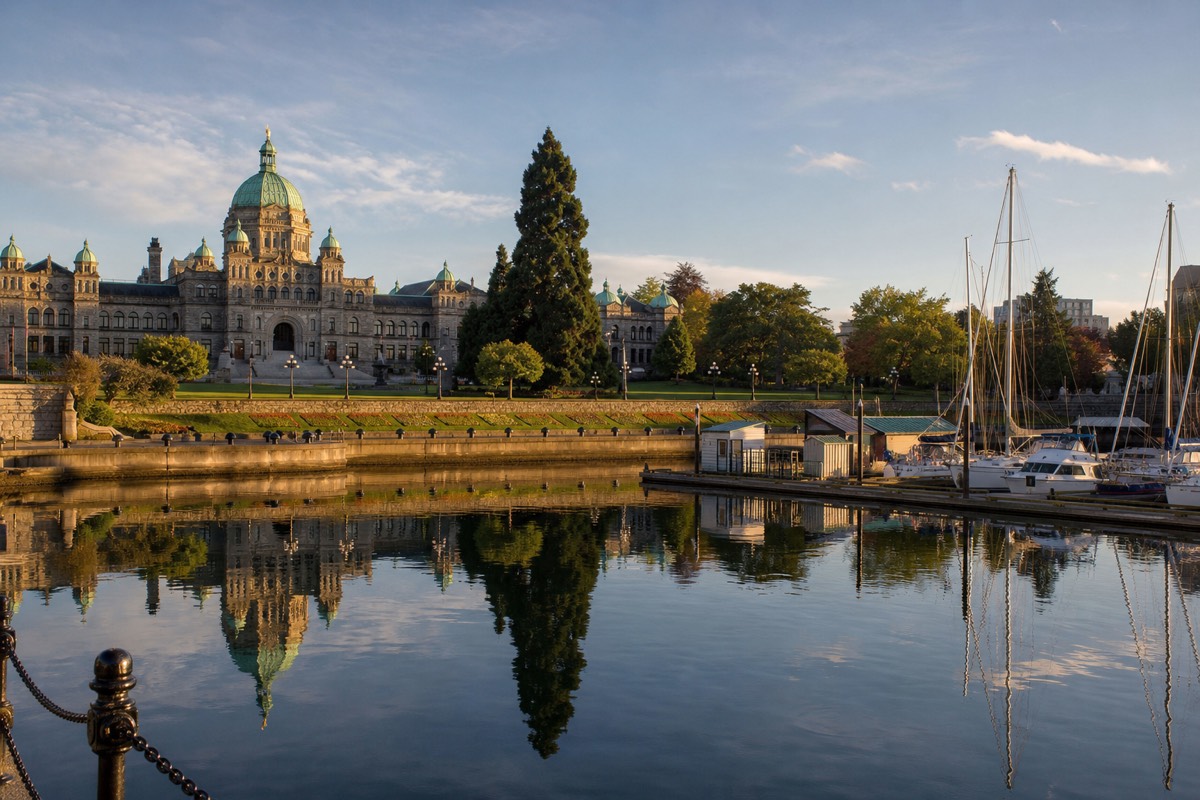
The circle route packs a surprising amount into one day. The Highway 14 leg from Sooke to Port Renfrew hugs a wild, forested coast with pullouts for the Juan de Fuca beaches, including the tidepools at Botanical Beach and the waterfall hike to Mystic Beach that we cover in our roundup of the best beaches on Vancouver Island. From Port Renfrew the road turns inland through logging country to Lake Cowichan, then drops into the Cowichan Valley, wine and farm country worth a lingering lunch. Fill the tank before Port Renfrew, since services on the loop are sparse, and start early if you want time at the beaches along the way.
The Cowichan Valley end of the loop deserves more than a pass-through. This is the island's warmest region and its farm-to-table heart, with cideries, wineries and roadside stands that make an easy lunch, and the town of Duncan, known for its collection of totem poles, sits right on the route back to Victoria. If wine is the draw, our guide to Cowichan Valley wine country maps the day in detail. Drive the loop clockwise, from Sooke out to Port Renfrew first, and you will catch the wild coast in the morning light and the mellow valley in the afternoon.
What are the best stops along the way?
The unmissable stop on the way to Tofino is Cathedral Grove in MacMillan Provincial Park, where old-growth Douglas firs between 300 and 800 years old line a short loop trail beside Cameron Lake. Add Coombs Old Country Market for lunch, and the twin waterfalls at Englishman River and Little Qualicum near Parksville.
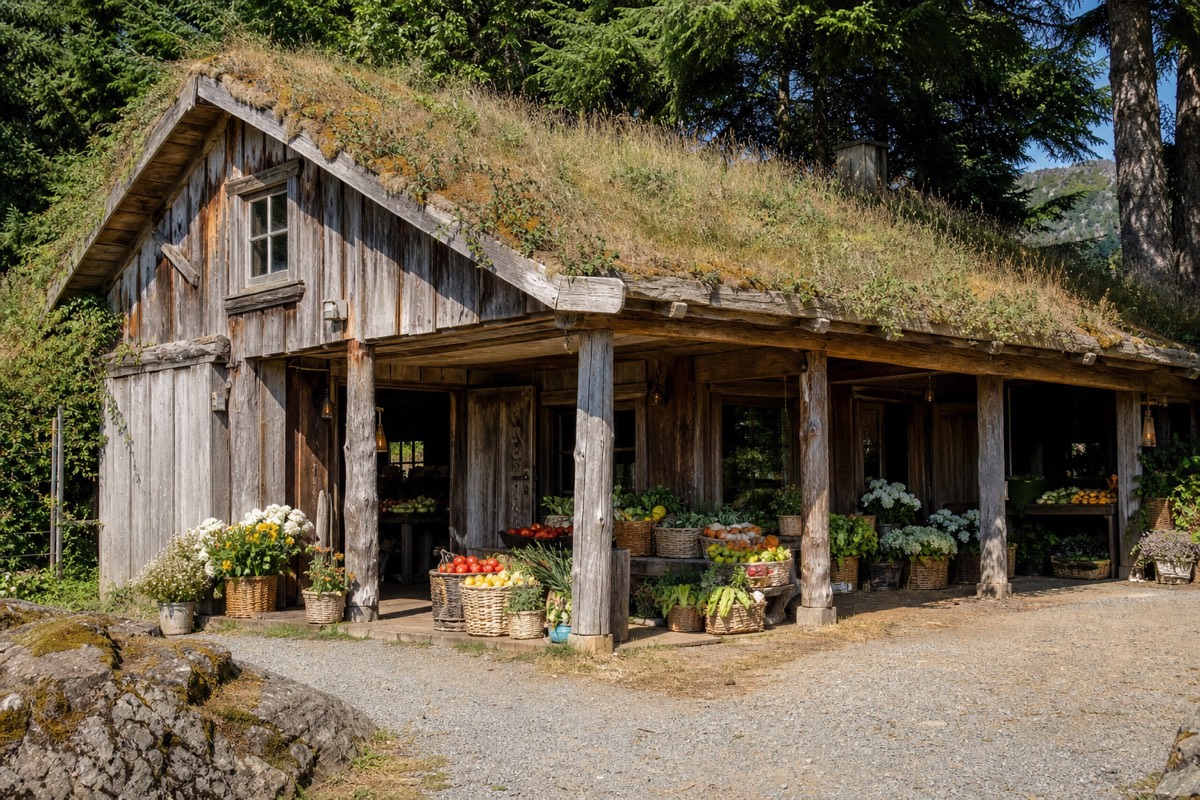
Cathedral Grove is a ten-minute walk that most visitors remember far longer than they expect. A short boardwalk loop runs among Douglas firs and western red cedars so large that photographs never quite carry the scale, and the trees have stood here for centuries. It sits right on Highway 4, so it costs you almost no time; official park information is posted by BC Parks for MacMillan Provincial Park. To understand what you are looking at and where else the island's giants stand, read our guide to the old-growth forests of Vancouver Island. Just off the same route, Coombs Old Country Market is the famous stop with goats grazing on its grass roof, good for a picnic or an ice cream. Two short detours near Parksville reach Englishman River Falls and Little Qualicum Falls, both mapped in our guide to Vancouver Island waterfalls. A guided Cathedral Grove, Coombs and waterfalls day tour links all of these in one private outing if you would rather not plan the stops yourself.
Do not overload the itinerary. The temptation on a first island road trip is to stack every stop into one day, but the drives are long and the best moments are unhurried, so pick two or three anchors and let the rest be a bonus. Cathedral Grove is close to non-negotiable, both for what it is and because it costs so little time. Beyond that, choose between the waterfalls, the market and a longer beach stop depending on your pace, and keep an eye on daylight if you are aiming to reach the coast before dark.
| Stop | Where | Why stop | Allow |
|---|---|---|---|
| Cathedral Grove | MacMillan Prov. Park, Hwy 4 | Old-growth Douglas fir loop | 20 to 40 min |
| Coombs Old Country Market | Near Parksville | Goats on the roof, food, picnic | 30 to 60 min |
| Englishman River Falls | Near Parksville | Waterfalls and forest pools | 45 to 60 min |
| Little Qualicum Falls | Near Qualicum Beach | Two-tier falls, short trails | 45 to 60 min |
| Cameron Lake | On Highway 4 | Lakeside pullout before the grove | 10 to 15 min |
| Port Alberni | On Highway 4 | Last major fuel and supplies | As needed |
How does the 2-day Vancouver to Tofino trip work?
The two-day Vancouver to Tofino trip works by folding the ferry crossing, the drive and the best stops into one guided package. Day one crosses from Vancouver, drives up the island with a stop at Cathedral Grove, and reaches Tofino by afternoon; day two explores Pacific Rim's beaches and rainforest before the return.
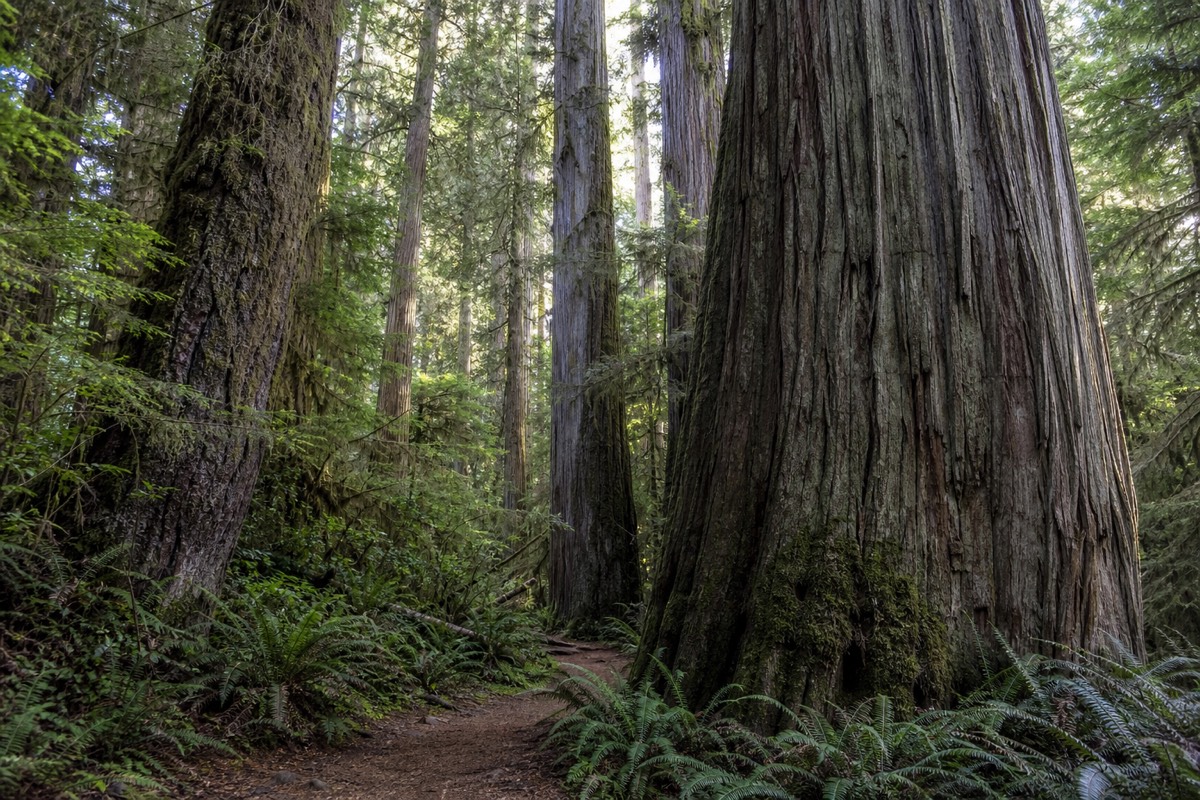
Driving from Vancouver to Tofino and back in a single day is not realistic. The ferry alone runs about an hour and a half each way, and the road beyond is another four hours or more, which is exactly why an overnight makes the difference. A private two-day Vancouver to Tofino tour handles the whole chain: crossing on the ferry, driving in an air-conditioned vehicle, stopping among the ancient giants of Cathedral Grove, then giving you a full day on the Pacific Rim beaches and hidden coves before the drive home. Because it is private and priced per group, the per-person cost comes down for a small party rather than a solo traveller, and it takes the ferry timing, the mountain driving and the accommodation booking off your plate. Once you arrive, our guide to Pacific Rim National Park covers what to do on the coast.
The value of a guided version is not only the driving. On a two-day format, someone else is watching the ferry schedule, choosing where to stop, and knowing which Cathedral Grove trail and which Tofino beach suit the day's weather and tide. For a small group travelling together, the private format also means the vehicle and the pace are yours, with hotel pickup and the accommodation sorted in advance. It is the difference between arriving on the coast relaxed and arriving frazzled after four hours of unfamiliar mountain road.
| Day | Morning | Midday | Evening |
|---|---|---|---|
| Day 1: Vancouver to Tofino | Ferry crossing to the island | Drive north, Cathedral Grove stop | Arrive Tofino, settle in |
| Day 2: Tofino and the return | Pacific Rim beaches and rainforest | Wildlife or surf time | Drive and ferry back to Vancouver |
Should you drive yourself, go guided, or take a campervan?
Self-driving suits travellers who want to set their own pace and chase good light and low tides. A guided tour suits those who would rather not manage ferries, mountain roads and bookings. A campervan splits the difference, but reserve campgrounds well ahead in summer, when island sites fill fast.
Self-driving is the most flexible way to see the island, and for the Pacific Marine Circle Route or a leisurely coast trip it is hard to better. You choose when to stop, where to eat and how long to linger at a beach. The trade-offs are the logistics: ferry reservations in summer, a winding mountain highway to Tofino, and accommodation that books out months ahead in July and August.
Fuel and distance planning matter more here than on the mainland. Gas stations thin out north of the main towns and on the road to Tofino, so fill up when you can rather than when you must, and expect higher prices in the remote spots. Elk and deer are common on island roads, particularly at dawn and dusk, so ease off after dark. None of this is difficult, but the island punishes the traveller who treats it like a quick hop and rewards the one who leaves a little slack in the schedule.
A campervan or motorhome turns the drive itself into the trip, but it brings its own planning. Provincial park campgrounds and private sites around Tofino, Parksville and the Cowichan Valley fill quickly in summer, so reserve early, and remember that the Highway 4 mountain section is slow going in a heavy vehicle. If none of that appeals, a guided option removes it entirely. You can compare pickup times and live prices on each listing, and see the full range of guided island trips in one place.
| Option | Flexibility | Planning load | Best for |
|---|---|---|---|
| Self-drive (car) | High | Ferries, bookings and driving on you | Independent travellers |
| Guided tour | Set itinerary | Almost none | First-timers, or no rental car |
| Campervan | High, self-contained | Book campsites well ahead | Slow, outdoorsy trips |
How long does each drive take?
Plan your driving around a few key legs: Victoria to Nanaimo is about an hour and a half, Nanaimo to Tofino about two to two and a half hours, and Victoria to Tofino four to four and a half. Add the ferry, roughly an hour and a half, if you are coming from the mainland.
These are moving times without stops, and the island's roads run slower than the distances suggest, so treat them as a floor rather than a promise. The Highway 4 mountain section between Port Alberni and the coast is the least predictable, occasionally held up by construction or single-lane control, so leave a buffer if you have a ferry or a tour to catch on the way back. For the ferry itself, book ahead in summer through BC Ferries, especially if you are bringing a vehicle.
One more timing note: the ferry and the drive have to be planned together. If you are catching a specific sailing back to the mainland, count backwards from the departure with a generous buffer for the mountain section, which is the part most likely to run slow. Reservations are typically held until shortly before departure, so arriving at the terminal with time in hand is the difference between making your sailing and watching it leave. Better to wait at the dock with a coffee than to miss the boat by ten minutes.
| Leg | Distance (allow) | Time (allow) |
|---|---|---|
| Victoria to Nanaimo | About 110 km | 1.5 hrs |
| Nanaimo to Tofino | About 210 km | 2 to 2.5 hrs |
| Parksville to Tofino | About 170 km | 2 to 2.5 hrs |
| Victoria to Tofino | About 315 km | 4 to 4.5 hrs |
| Tsawwassen to Swartz Bay (ferry) | Salish Sea crossing | About 1.5 hrs |
| Horseshoe Bay to Departure Bay (ferry) | Salish Sea crossing | About 1.5 hrs |
When is the best time for a Vancouver Island road trip?
Summer, from June to September, is prime road-trip season, with long days, open campgrounds and reliable weather, but also the busiest ferries and fullest hotels. May and October are quieter and often still pleasant. Winter driving on the Highway 4 mountain section can mean snow, so check conditions before you set out.
For the classic Tofino run, late spring through early autumn is the easy window, when the road is clear, the beaches are inviting and everything is open. Book ferries and beds ahead for July and August, the peak weeks. May, June and September give you thinner crowds with most of the good weather, which is why many repeat visitors prefer the shoulder months. In winter the coast turns wild and beautiful for storm watching, but the drive over the pass demands respect: carry the right tires, check the highway conditions and allow extra time, or let a guided trip take on the mountain driving for you.
Shoulder-season road trips have a quiet appeal that regulars swear by. In May the passes are clear, the waterfalls run full with snowmelt, and the campgrounds have space; in late September the crowds have gone, the light turns golden, and the returning salmon start drawing wildlife to the rivers. Rain is always possible, but a wet day on Vancouver Island has its own beauty, especially in the old-growth forests, where mist and drizzle bring out the deep greens and the scent of cedar. Pack for it, and the weather stops being a problem.
Wherever you point the car, the island gives back time in proportion to how much you allow. Two unhurried days between Victoria and Tofino, with a morning in an old-growth grove and an afternoon on the sand, will beat a rushed there-and-back every time. To bookend the drive with a couple of days in the capital, see our guide to things to do in Victoria.
| Before you go | Why it matters |
|---|---|
| Book ferries ahead in summer | Vehicle sailings fill on peak weekends |
| Reserve accommodation early | Tofino and Parksville sell out in July and August |
| Fuel up in Port Alberni | Last major services before the coast |
| Download offline maps | Cell coverage thins on the highways |
| Pack layers and rain gear | Coast weather changes fast in any season |
| Check highway conditions | Highway 4 can face closures or winter snow |
| Watch for wildlife at dawn and dusk | Deer and elk cross island roads |