Where Should You Base Yourself on Vancouver Island?
There is no single best base on Vancouver Island, only the right base for the trip you are taking. Victoria suits first-timers, Tofino suits nature lovers, Cowichan suits food and wine, and where you stay decides what your days look like.
Choose your base by the days you want. Victoria offers an easy first base; coast, food, and wildlife priorities may justify relocating. Check Victoria harbour whale-watching tour dates
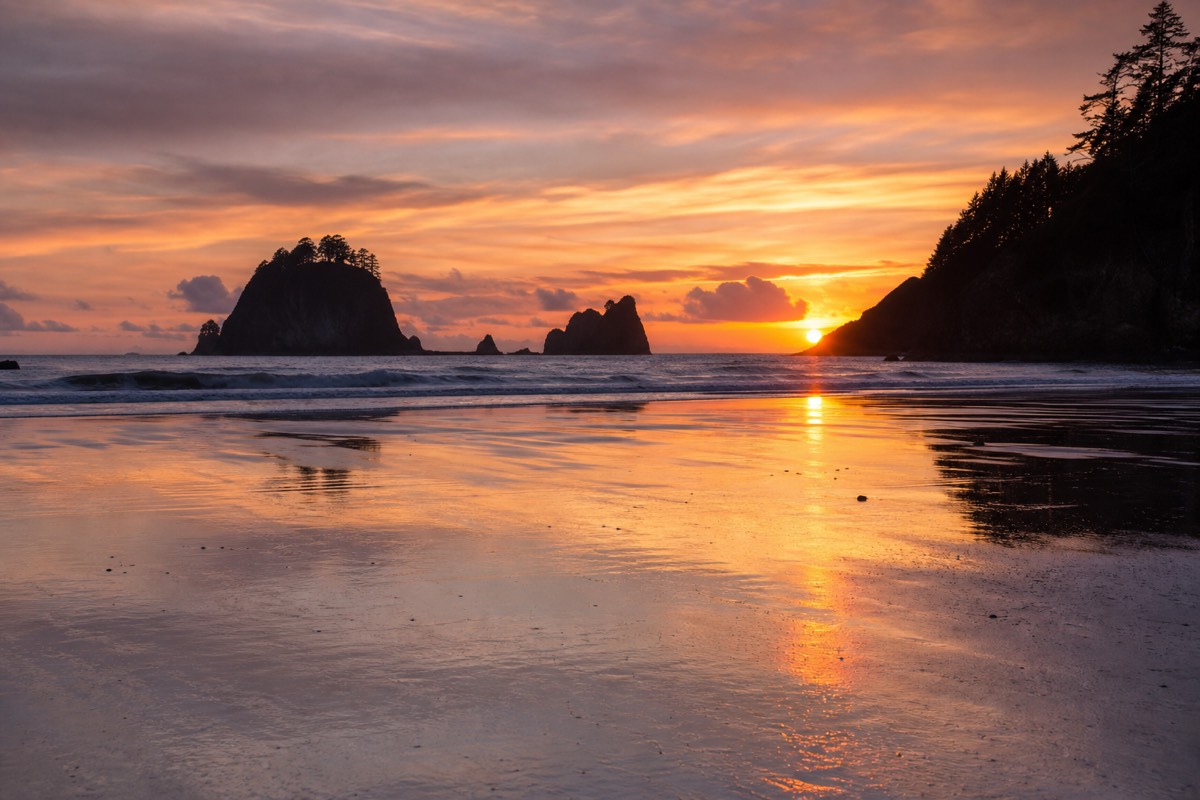
Choosing a base on Vancouver Island is really a question about what kind of trip you want, because the island is long and its regions pull in different directions. The garden-city calm of Victoria in the southeast is a four-and-a-half-hour drive from the surf and rainforest of Tofino on the west coast. You cannot see both from one hotel. So the smart move is to match your base, or bases, to what you actually came for.
Quick answer: Victoria and southern Vancouver Island suit first-timers, with gardens, harbour, whale watching, and easy ferry access. Tofino and Ucluelet in Pacific Rim National Park suit nature lovers, with beaches, surf, and old-growth forest. The Cowichan Valley suits food and wine travellers. Nanaimo makes a good central base for day trips. Campbell River and the north are best for serious wildlife. Most first visits split time between Victoria and Tofino.
Where should first-timers stay on Vancouver Island?
Victoria and southern Vancouver Island is the best base for first-timers. It is the most popular region for good reason: the Inner Harbour, Butchart Gardens, high tea at the Empress, whale watching, and scenic drives are all within easy reach, and it has the simplest access from the ferry. If it is your first visit, start here.
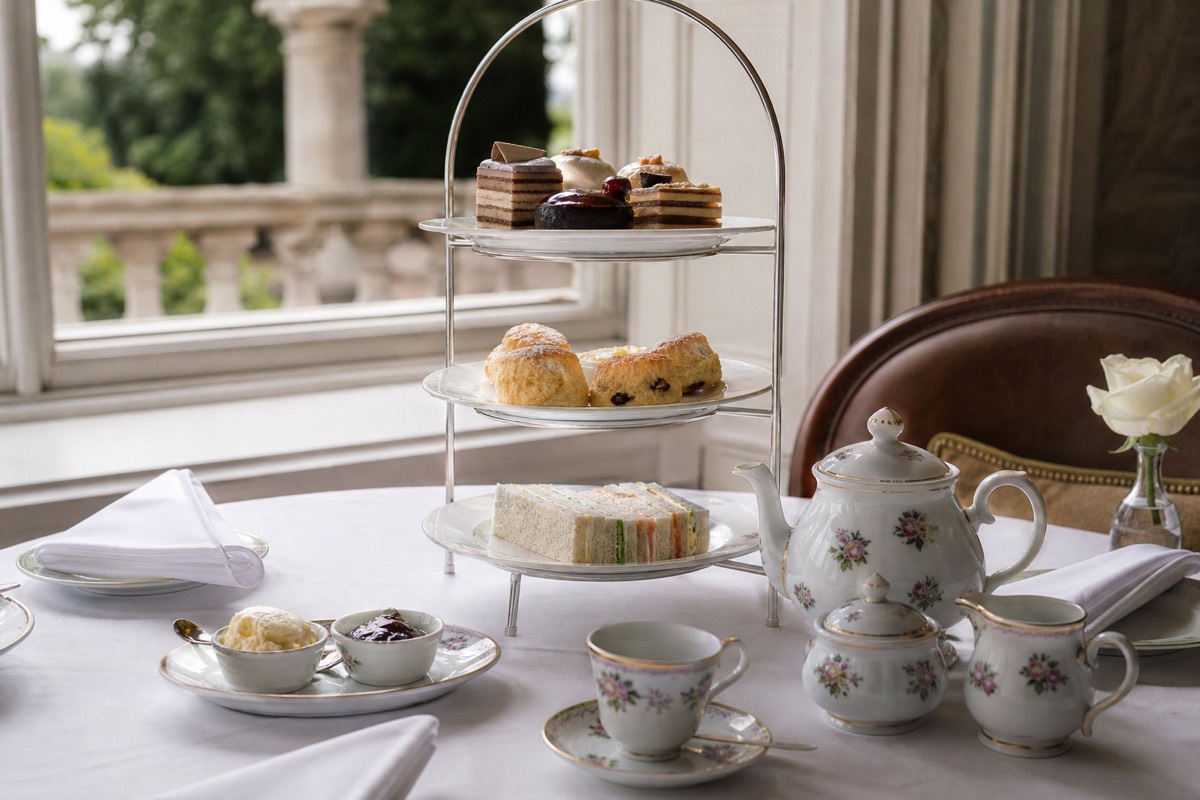
Victoria packs a lot into a compact, walkable footprint, which is exactly what you want when you are getting your bearings. You can spend a day on foot in the city, a day at Butchart Gardens, and a half-day on a whale watching cruise from the harbour, all without a long drive between them. The south island also has the widest range of places to stay and eat, so it flexes to any budget.
It is an easy base to build day trips from, too. A private Butchart Gardens and Malahat SkyWalk tour pairs the famous gardens with an elevated forest-canopy walkway, and the surrounding area holds Goldstream Park, the Cowichan Valley, and the wilder Sooke coast, all reachable in a day. For the full picture of the city, see our guide to things to do in Victoria.
Where should nature lovers stay?
Tofino and Ucluelet, on the west coast in and around Pacific Rim National Park, are the base for nature lovers. This is the island's dramatic side: long sandy beaches, world-class surf, ancient temperate rainforest, hot springs, and excellent whale and bear watching. It is a longer haul to reach, and worth every kilometre.
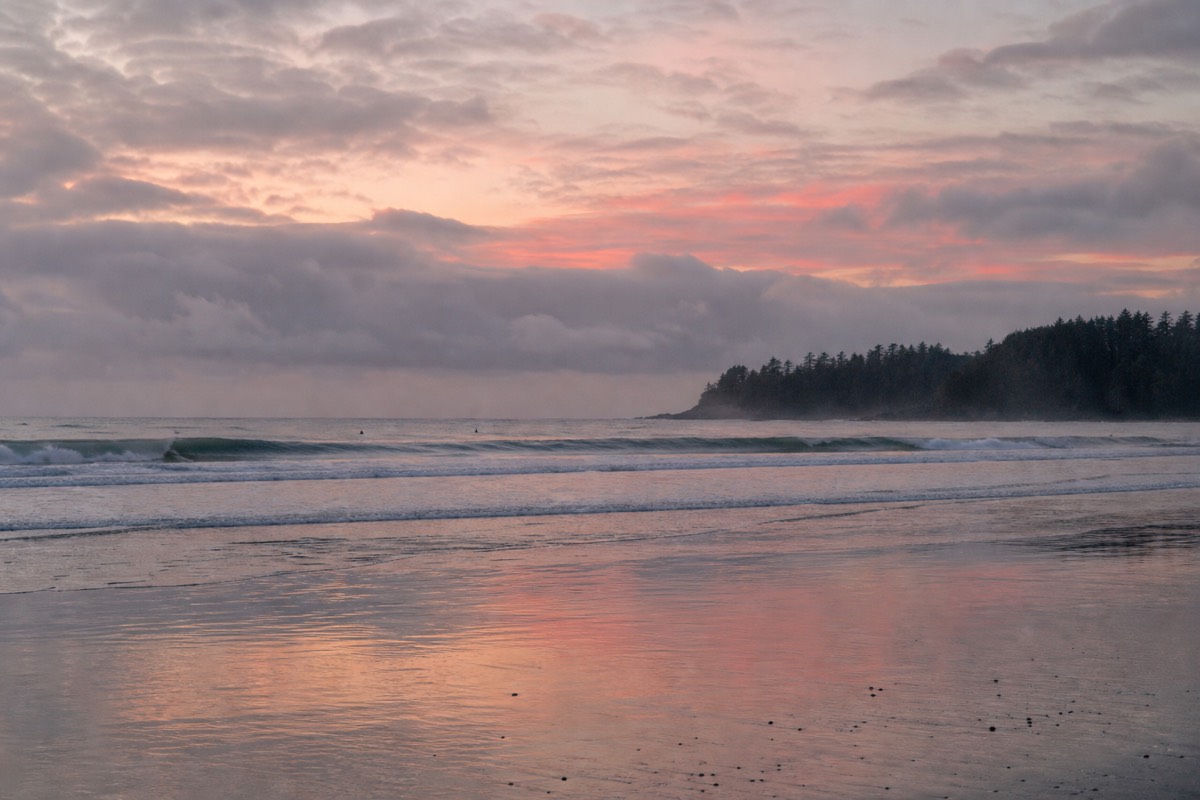
The two towns share the Pacific Rim coast but have different characters. Tofino is livelier, with more restaurants, surf culture, and the bigger name; Ucluelet is quieter and a touch cheaper, with the superb Wild Pacific Trail on its doorstep. Either works as a base for the beaches, the rainforest trails, and the boat tours into Clayoquot Sound. If you are torn, our comparison of Tofino or Ucluelet weighs them side by side.
Plan at least two nights out here, because the drive alone justifies more than a quick overnight. Days fill easily: a morning bear watching cruise, an afternoon on Long Beach, a rainforest boardwalk, or an active outing like the guided bike and hike the wild coast tour that pairs beach cruising with a hike to a Pacific lookout. If you are coming straight from the mainland, a private two-day Tofino trip from Vancouver gets you here without the self-drive logistics.
Where is the best central base?
Nanaimo and the central island make a solid central base for day trips. Sitting roughly midway up the island's east side, Nanaimo gives you access to Newcastle Island, parks, and outdoor activities, and it is well placed for the drive west toward Tofino or south toward Victoria. It suits travellers who want one hotel and a hub-and-spoke plan.
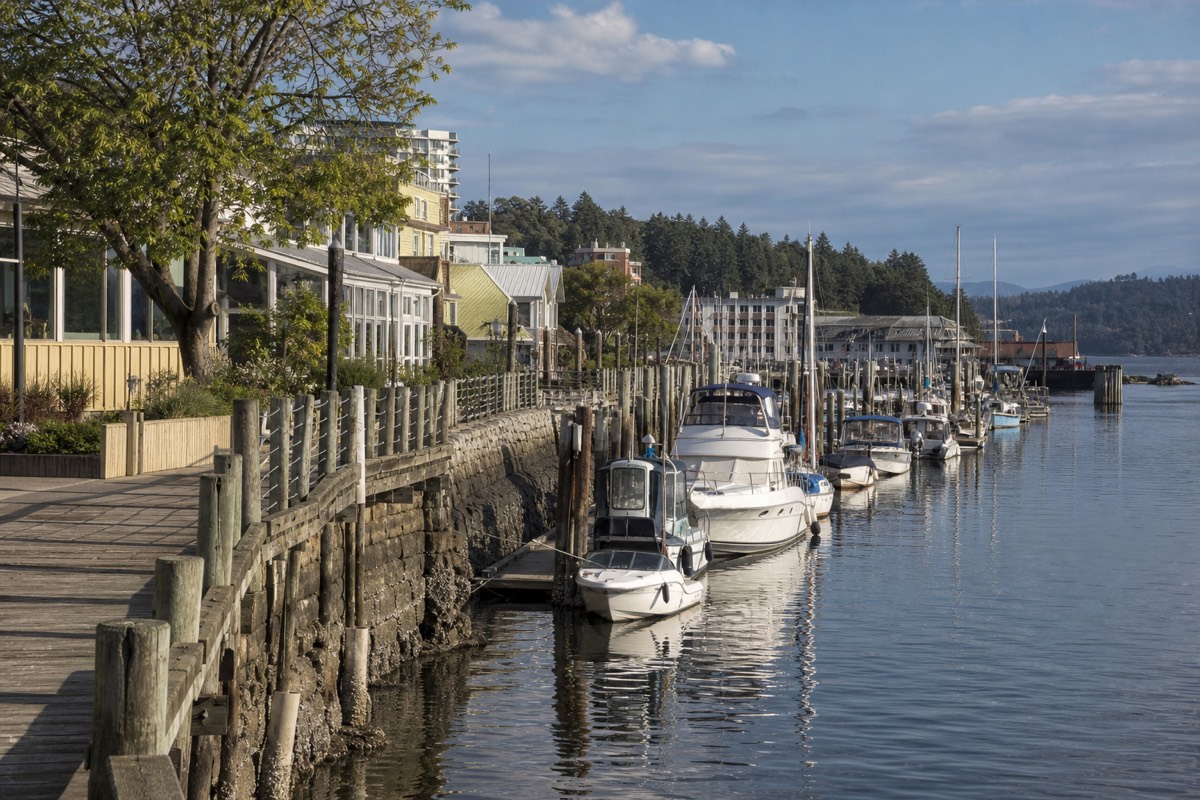
The appeal of a central base is not having to pack and move. From Nanaimo you can day-trip to Cathedral Grove's old-growth giants, reach the Cowichan Valley wineries, or head up-island, all without relocating your bags. It is also the arrival point for the Horseshoe Bay ferry and the Hullo fast ferry from downtown Vancouver, which makes it an efficient landing spot for a car-free trip. The trade-off is that you are not immersed in either the city or the coast, so it fits planners and drivers more than it fits someone who wants to wake up beside the ocean.
Where should food and wine travellers stay?
The Cowichan Valley is the base for food and wine. Known for its wineries, farm-to-table restaurants, and Indigenous culture, it is one of Canada's most productive small food regions and an easy day trip or overnight from Victoria. If a relaxed, tasting-led pace is your idea of a good trip, this is where to point it.
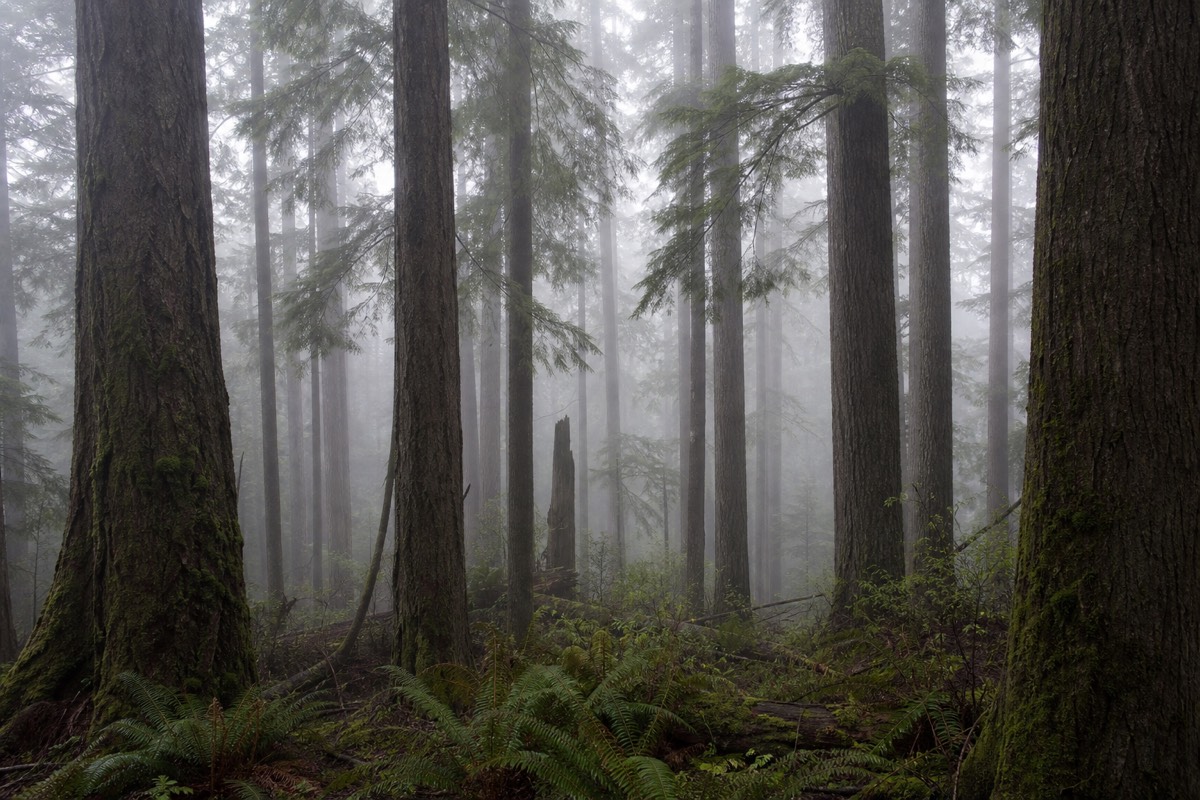
The valley sits between Victoria and Nanaimo, so you can base in either city and visit for the day, or stay in the valley itself for a slower rhythm among the vineyards and farms. It is a gentler kind of island experience, less about hiking boots and more about long lunches, cheese, cider, and wine, with the coastline never far away. Our guide to Cowichan Valley wine country covers how to structure a day here.
Where should serious wildlife watchers stay?
Campbell River and the North Island are the base for serious wildlife. This is the region for the best chances at grizzlies, orcas, and genuine wilderness, with access to Telegraph Cove and Knight Inlet. It is the furthest from the ferry and the least polished, which is exactly why the wildlife viewing is so strong.
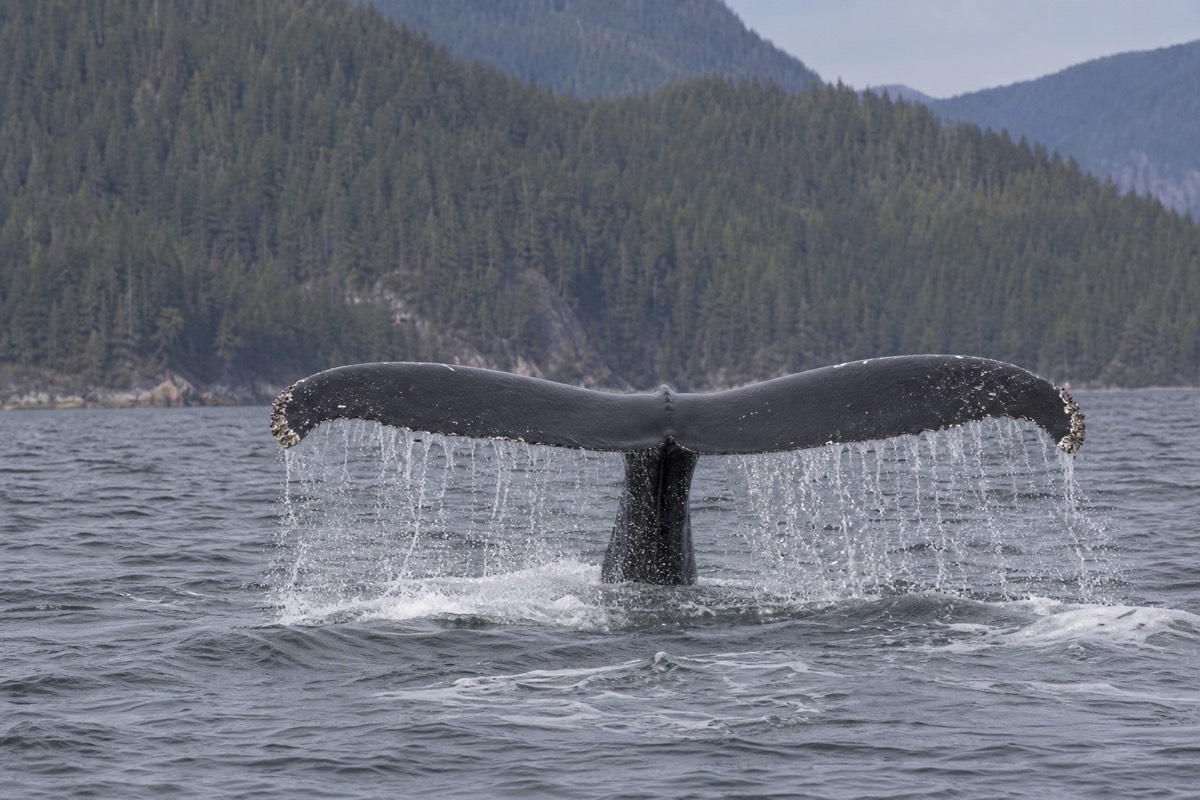
If ticking off orcas and bears is the whole point of your trip, the north rewards the extra driving. The waters around Telegraph Cove and Campbell River are considered among the best on the coast for orcas in summer, and boat-based grizzly viewing runs from this end of the island. It is a bigger commitment than a south-island stay, so it suits a second visit or a dedicated wildlife trip more than a first look. That said, plenty of visitors get their wildlife fix on a whale or bear tour from Victoria or Tofino instead, without heading this far north.
How do you choose your base on Vancouver Island?
Match the base to your priority: Victoria for a first visit and the classic sights, Tofino or Ucluelet for nature and the coast, Cowichan for food and wine, Nanaimo for central day trips, and the north for wildlife. Most first-timers split their nights between Victoria and Tofino, which together cover the island's signature experiences.
The table below sorts the regions by traveller type so you can see at a glance which one fits. Treat it as a starting point, then let your interests and your trip length fine-tune the split.
| Base | Best for | What you get |
|---|---|---|
| Victoria and the south | First-timers | Gardens, harbour, whale watching, easy ferry access |
| Tofino and Ucluelet | Nature lovers | Beaches, surf, rainforest, hot springs, wildlife |
| Cowichan Valley | Food and wine travellers | Wineries, farm-to-table dining, a relaxed pace |
| Nanaimo and central island | Day-trippers and planners | Central hub, parks, ferry access, no need to relocate |
| Campbell River and the north | Serious wildlife watchers | Grizzlies, orcas, real wilderness |
How many bases you need comes down to how long you have. A short trip is better spent in one region done well than split thinly across two, while a week comfortably covers Victoria and Tofino with a night or two elsewhere. Our guide to how many days you need pairs directly with this decision. For most visitors, Victoria plus Tofino is the winning combination, and you can browse the full range of guided island tours to see how experiences in each region fit together.