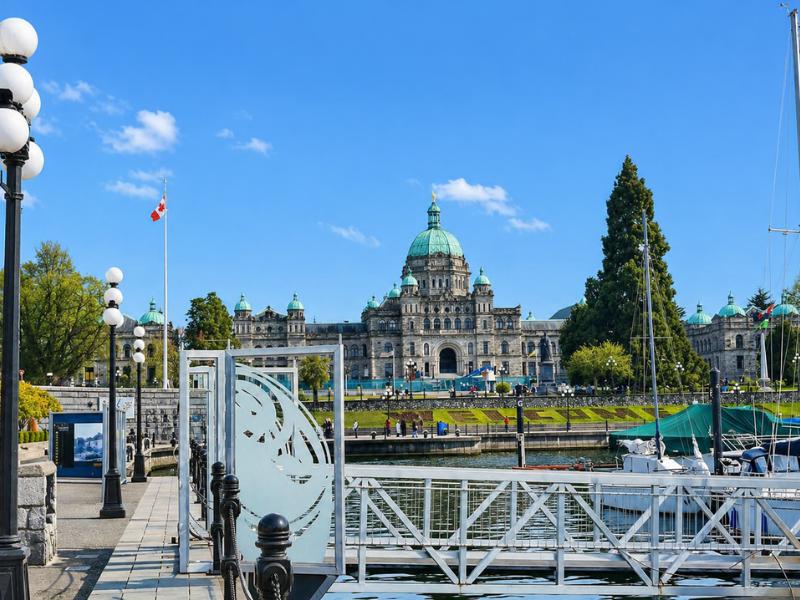
Afternoon Tea in Victoria: The Empress and Beyond
Victoria has served afternoon tea since the railway-hotel era, and the ritual reaches far past the one grand hotel everyone photographs. Here is where to take it, what to expect, and how to book.
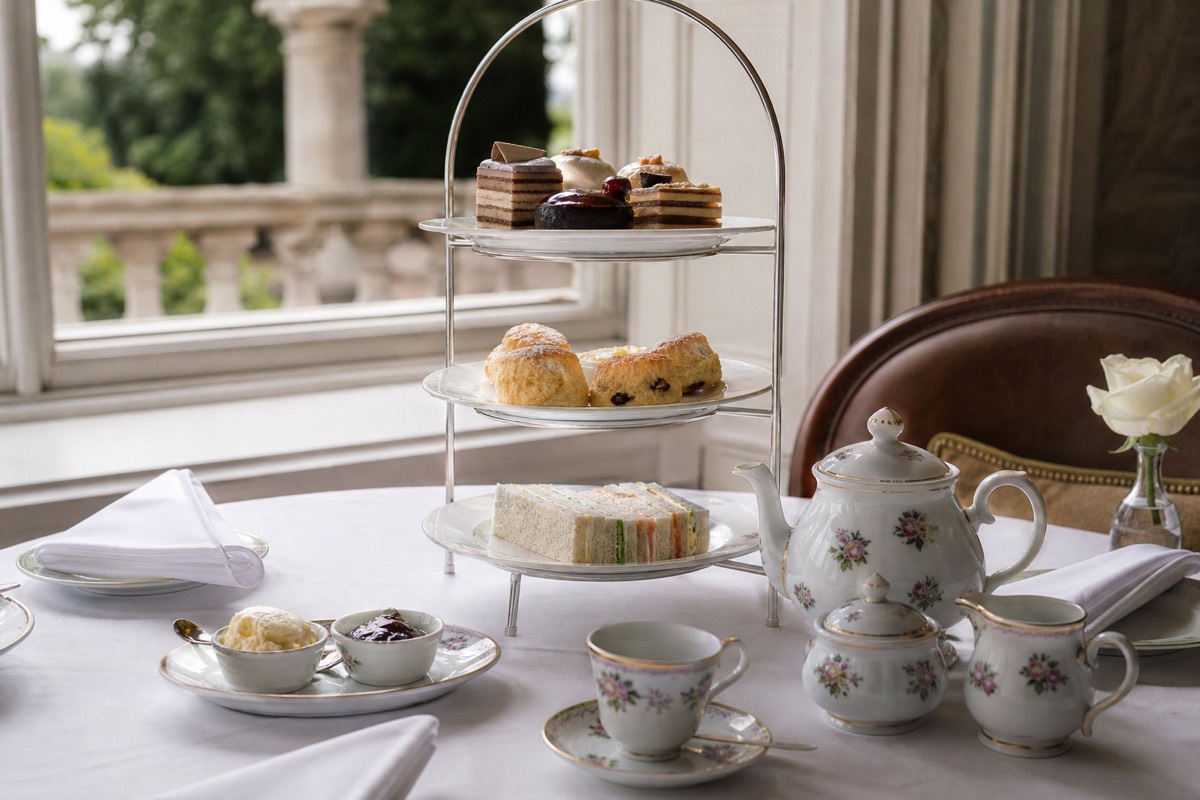
The clink of a three tier stand landing on a linen table is one of Victoria's oldest running performances. The city started pouring afternoon tea in the era of steamships and railway hotels, and it never really stopped. What surprises most first timers is how far the ritual reaches beyond the one grand hotel everyone photographs. You can take tea in a former limestone quarry full of flowers, in a genteel seaside village, or in a Chinatown teahouse three blocks from the harbour, and each version tells you something a little different about the place.
The Three Tier Stand, and How to Eat It
The classic afternoon tea order: savouries first, then warm scones, then the sweet tier. Treat it as tradition, not a rule.
What is afternoon tea in Victoria, and where should you have it?
Afternoon tea in Victoria is a mid afternoon service of loose leaf tea with finger sandwiches, scones and pastries, rooted in the city's British heritage. The landmark version is at the Fairmont Empress on the Inner Harbour, but excellent tea is also served at Butchart Gardens, in Oak Bay and neighbourhood tea rooms, and in Chinatown, so match the setting to the day you want.
Victoria leans into its colonial past more openly than anywhere else in western Canada, and the tea tradition is the most charming piece of that inheritance. It arrived with the hotels and the garden parties, and it survived because it suits the city so well: mild, walkable, slow paced, fond of an afternoon that has nowhere in particular to be. For a visitor, the real choice is less about which single room is best and more about the kind of afternoon you are after. A formal hotel sitting feels nothing like a garden pavilion or a cosy village room, and all of them sit within easy reach of the core. If you are still shaping the wider trip, our guide to things to do in Victoria shows how a tea slots in alongside the harbour and the gardens.
Here is the shorthand for the main kinds of tea experience in and around the city, and who each one suits.
| Setting | What it feels like | Cost sense | Best for |
|---|---|---|---|
| Landmark hotel (the Empress) | Formal, historic, harbourside | Premium, book ahead | A planned once-in-a-trip splurge |
| Garden tea (Butchart Gardens) | Tea folded into a garden visit | Mid to premium | Pairing tea with the flowers |
| Neighbourhood tea room | Relaxed, local, often quirky | Moderate | An unhurried afternoon off the tourist track |
| Oak Bay village | Genteel, seaside, old fashioned | Moderate to premium | A pretty half day away from downtown |
| Chinatown teahouse | Chinese-style tea and dim sum | Budget to moderate | Tea culture in a different key |
Where did Victoria's tea tradition come from?
Victoria's afternoon tea tradition is a direct inheritance from its British colonial past, carried in by the railway hotels, the garden parties and the settlers who ran the young capital. It took root because the city modelled itself on England, and it endured because a slow, mild afternoon suits Victoria better than almost anywhere else in Canada.

The capital of British Columbia wears its colonial heritage more openly than any other city in the west, and tea is the most sociable part of that legacy. When the grand harbour hotel opened in 1908, it gave the ritual a stage, and the habit spread from the hotels into the tea rooms, the gardens and the seaside villages. What began as an import became a local signature, and today it is one of the first things visitors associate with the city, alongside the harbour and the gardens. Understanding that history is part of the pleasure, because a sitting here is not a themed novelty, it is a living piece of how Victoria has always spent its afternoons.
Is afternoon tea at the Fairmont Empress worth it?
Yes, once. Afternoon tea at the Fairmont Empress is a genuine Victoria institution rather than a manufactured one, served in the hotel's lounge for well over a century. It is expensive and needs a reservation days ahead in summer, so treat it as a planned highlight, arrive with an appetite, and dress smart casual.

The Empress is the ivy clad railway hotel that has anchored the Inner Harbour skyline since 1908, and taking tea there is as much about the room as the food. Expect loose leaf teas chosen from a list, a tier of finger sandwiches, warm scones with clotted cream and preserves, and a run of small pastries, all served under high ceilings with harbour light coming through tall windows. The pace is deliberately slow. Plan on roughly two hours, leave the beachwear and gym kit at the hotel, and book several days out in summer, longer for weekends and holidays.
Is it worth the money? If you enjoy a formal, drawn out afternoon and you like the sense of stepping into the city's history, it earns its place once in a trip. If you would rather eat well for less, or you are travelling with restless children, one of the options further down this page will suit you better. The Empress version is a special-occasion experience by design, and it rewards people who lean into that rather than treating it as a quick lunch. Either way, the harbour causeway right outside is free theatre, so build in time to watch the float planes and the buskers before or after. Our one day in Victoria itinerary shows where a tea sitting fits into a tight schedule.
A few practical notes make the sitting go smoothly. Arrive on time, because seatings are scheduled and the kitchen paces the stands to them. Come hungry, since a full afternoon tea can easily replace lunch. And leave nothing urgent for afterwards, because the whole point is to linger over a second pot rather than rush back out to the next sight.
What is the difference between afternoon tea, high tea and cream tea?
Afternoon tea is the elegant mid afternoon service of sandwiches, scones and pastries with pots of tea. High tea, despite how the phrase gets used on menus, was historically a heartier early evening meal at a dining table. A cream tea is the simplest version: just scones, clotted cream, preserves and a pot of tea.
The names matter mostly because menus in tourist towns tend to blur them, and knowing the difference saves you from ordering more or less than you wanted. If you see high tea advertised as a fancier afternoon tea, that is marketing rather than history, though nobody will mind if you use the terms loosely. When you only want a light stop, ask for a cream tea and you will pay less and eat lighter. The table below keeps the categories straight.
| Type | What it includes | When it was traditionally taken | Good when |
|---|---|---|---|
| Cream tea | Scones, clotted cream, preserves, a pot of tea | Any time | You want a light, quick stop |
| Afternoon tea | Sandwiches, scones and pastries on a tiered stand, with tea | Mid afternoon, around 3 to 4 pm | You want the full ritual |
| High tea | A more substantial hot meal with tea | Early evening, historically | You are hungry and want dinner-ish fare |
| Champagne or royal tea | Afternoon tea plus a glass of sparkling wine | Mid afternoon | A celebration or a bigger treat |
What is served, and in what order should you eat it?
A full afternoon tea arrives on a three tier stand: savoury finger sandwiches on the bottom, scones with clotted cream and preserves in the middle, and sweet pastries on top. Convention is to work upward, starting with the savouries and finishing with the sweets, though nobody will police your plate.

The tiered stand is the signature of the service, and the logic behind it is simple. You begin with the lightest savoury bites, move to the warm scones while they are still fresh, and end on the sweet tier so the flavours build rather than fade. Loose leaf tea is poured throughout, and a good room will bring a fresh pot or a second variety if you ask. The perennial debate is whether cream or jam goes on the scone first, a genuinely disputed point of etiquette that shifts depending on which English county tradition you follow, and one you are free to settle however you like.
| Tier | Typically holds | Notes |
|---|---|---|
| Bottom | Finger sandwiches, savoury bites | Eat these first, while your appetite is fresh |
| Middle | Scones, clotted cream, preserves | Best eaten warm, so do not leave them |
| Top | Cakes, tarts, macarons, small pastries | Save for last, the sweetest tier |
| In the pot | Loose leaf tea, refilled on request | Ask for a second variety to compare |
Which tea should you order?
Most rooms hand you a list, and the safe move is a classic black tea such as an English or Irish breakfast blend, which stands up to milk and cuts through the richer bites. If you want something lighter, a green or white tea suits the sweeter tier, and a caffeine-free herbal or fruit infusion is the pick for late afternoon or for children. Ask what the room recommends with the pastries; the staff pour this all day and know their list. Loose leaf is the norm here rather than bags, so give the pot a few minutes to steep before the first cup.
Where can you have afternoon tea beyond the Empress?
Beyond the Empress, the standout is afternoon tea at Butchart Gardens, taken as part of a garden visit. Victoria also has neighbourhood tea rooms, a genteel village tradition in Oak Bay, and Chinatown teahouses serving tea in a different cultural key. Each costs less than the landmark hotel and offers a more relaxed afternoon.
The most rewarding alternative sits about twenty kilometres north of downtown. Butchart Gardens serves a well regarded afternoon tea in its dining room, and the appeal is obvious: you fold the ritual into a walk through fifty five acres of themed planting built into an old limestone quarry. If a garden day is already on your list, taking tea there saves doubling back and turns lunch into an event. Seasonal hours and booking details are posted at butchartgardens.com, and our comparison of a guided Butchart visit versus going it alone covers how to plan the day around it.
Back in town, the tradition runs far broader than one hotel. Oak Bay, the seaside village just east of downtown, keeps an old fashioned, genteel feel and has long been associated with a proper tea and a slow afternoon. Cook Street Village and Fairfield hide smaller cafes and tea rooms where the service is more casual and the bill lighter. And Victoria's Chinatown, the oldest in Canada, is where you can swap the British ritual for a Chinese one, with pots of oolong or pu-erh and a spread of dim sum a short walk from the harbour. For the wider picture of where the city actually eats and drinks, see our guide to where locals eat in Victoria.
Finding a neighbourhood tea room is the same skill as finding any good local spot: walk a village high street and look for the busy independent room rather than the one built for coach tours. Cook Street Village, Fairfield and Oak Bay all reward a wander, and a barista or your hotel front desk will happily name a favourite. The reward for skipping the landmark is a quieter table, a lighter bill, and often a more personal welcome, which for plenty of visitors is the version of the ritual they end up remembering most.
| Where | The experience | Roughly how to book |
|---|---|---|
| Butchart Gardens dining room | Afternoon tea within a garden visit | Reserve ahead, especially in bloom season |
| Oak Bay village | Genteel, seaside, old fashioned tea | Reserve on weekends |
| Cook Street Village and Fairfield | Casual cafe and tea room service | Often walk in |
| Chinatown teahouses | Chinese tea service and dim sum | Usually walk in |
How much does afternoon tea cost, and how do you book?
Afternoon tea in Victoria ranges from a modest cream tea to a premium hotel sitting, so prices vary widely by venue. The landmark hotels sit at the top end and need reservations days ahead in summer, while neighbourhood tea rooms cost far less and often take walk ins. Always check current pricing and the dress code on each venue's own site before you go.
We do not quote fixed prices here, because they move with the season and the venue, and a promised figure that turns out to be wrong helps nobody. The honest guidance is this: expect the grand hotel service to be a real splurge, the garden and village options to sit somewhere in the middle, and a simple cream tea or a Chinatown pot to be very affordable. Reservations are the thing most visitors get wrong. The famous rooms fill days ahead in July and August and around the winter holidays, while the smaller places stay far more flexible. Run through the checklist below so nothing catches you out.
| Thing to sort | What to know |
|---|---|
| Reservation | Book days ahead in summer and holidays for landmark venues |
| Timing | The service usually runs early to mid afternoon; ask for the seating times |
| Dress code | Smart casual at the grand hotels, relaxed elsewhere |
| Dietary needs | Ask ahead for vegetarian, vegan or gluten-free stands |
| Cost | Check the venue's own site for current pricing |
| Children | Many rooms welcome kids and offer a children's tea; confirm first |
Is afternoon tea a good fit for celebrations, dietary needs and children?
Afternoon tea suits celebrations well, and many rooms offer a champagne or sparkling option to mark a birthday or anniversary. Most kitchens accommodate vegetarian, vegan and gluten-free guests if you ask when booking, and plenty of tea rooms welcome children with a scaled-down children's tea, though the grand hotels are more formal.
Tea is a natural choice for a milestone, because the pace and the setting do the celebrating for you. Ask about a sparkling upgrade and any small touches the room can add. Dietary needs are best flagged at the time of booking rather than on arrival, since the stands are usually built ahead, and a day or two of notice gets you a proper vegan or gluten-free tier rather than a plate of leftovers. Travelling with kids changes the calculus: a relaxed neighbourhood tea room or the garden dining room is a gentler introduction than a hushed hotel lounge, and a children's tea keeps younger guests happy. For more on planning family days in the city, our take on whether Vancouver Island is good with kids is a useful companion.
When is the best time of year and day for afternoon tea?
Afternoon tea works year round in Victoria, but the winter holidays and the spring bloom are the most atmospheric windows, and they are also the busiest for the landmark rooms. For the service itself, aim for early to mid afternoon, and book well ahead in July and August when the city is fullest.
Tea suits Victoria's off season especially well. When the weather turns and the daylight shortens, a long, warm sitting is exactly the kind of thing the city does best, and the holiday season brings festive menus and decorations to many rooms. Spring is the other sweet spot, when the gardens hit peak bloom and a tea at Butchart pairs naturally with the flowers. Summer is lovely, but the popular rooms book out, so plan early. If a cosy indoor treat in the low season is what you are after, our look at Victoria in winter makes the case for a rainy-day tea.
| Season | Why take tea then | Booking pressure |
|---|---|---|
| Spring (Apr to Jun) | Gardens at peak bloom, tea at Butchart shines | Building |
| Summer (Jul to Aug) | Long days, lively harbour, but rooms fill | Highest |
| Autumn (Sep to Oct) | Quieter, mild, easy to get a table | Moderate |
| Winter (Nov to Mar) | Festive menus, a cosy escape from the rain | High around the holidays |
How do you fit afternoon tea into a day in Victoria?
Afternoon tea slots neatly after a morning around the Inner Harbour and Chinatown, or as the centrepiece of a Butchart Gardens visit. Give it about two hours, keep the rest of the afternoon light, and let it be the slow, sit-down anchor of an otherwise walking-heavy day.
The trick is not to schedule anything strenuous straight after a full tea, because you will not want it. A good rhythm is a morning on foot around the harbour, the Parliament Buildings and Chinatown, then tea in the early afternoon, then an easy stroll through Beacon Hill Park or the shops of the Old Town to walk it off. If you are giving a whole day to the gardens, take tea there and let it replace lunch. And when you would rather someone else handle the logistics of the wider day, our team books guided day tours from Victoria that leave you free time in the city to slot in a sitting. The Butchart Gardens and Malahat SkyWalk day tour pairs the garden with an elevated canopy walk above Saanich Inlet, and visitors crossing from the mainland often take the Vancouver to Victoria and Butchart Gardens full-day tour, which builds in time to explore the city on your own. For plans that carry into the evening, our guide to Victoria's seafood and oysters and our rundown of haunted Old Town ghost walks both pick up where the afternoon leaves off. More on the island as a destination is gathered at vancouverisland.travel.
| Time of day | Pair tea with | Note |
|---|---|---|
| Morning | Inner Harbour, Parliament, Chinatown | Walk first, then sit for tea |
| Early afternoon | The tea sitting itself | Allow about two hours |
| Late afternoon | Beacon Hill Park, Old Town shops | Gentle strolling to follow |
| Full day out | Butchart Gardens | Take tea in the garden dining room |