Victoria Seafood & Oysters: A Local Eating Guide
Victoria eats close to the water, from spring spot prawns to island oysters shucked to order. Here is what is in season, where locals go, and how to find the good seafood yourself.
Add local context beyond a restaurant shortlist. This downtown walk visits independent businesses and documents a local seafood chowder tasting. Explore Victoria’s Independent Downtown Food Stops
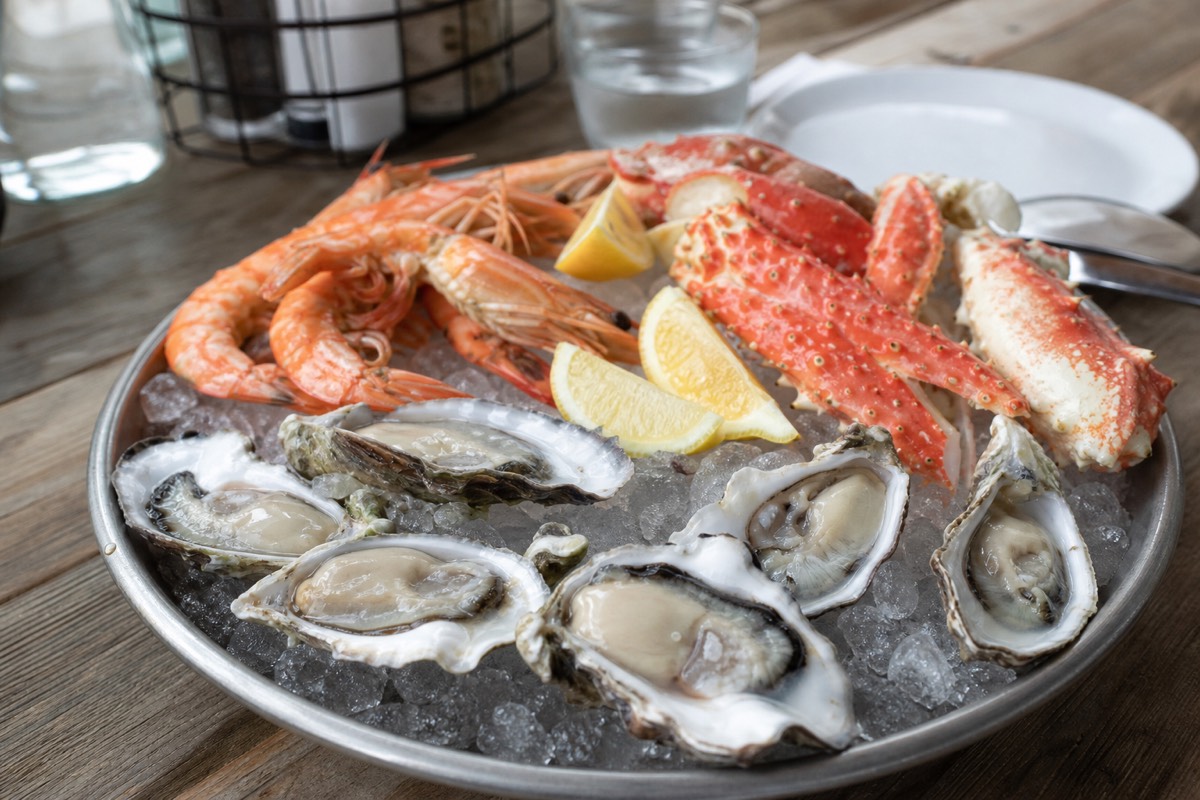
Victoria eats well for its size, and the reason is mostly geography. The fishing boats, the shellfish beds, and the farms of the Saanich Peninsula and the Cowichan Valley all sit within an easy drive of the kitchens, so what lands in the morning can be on a plate by dinner. Oysters are the local flex here, and a proper bar will list several island varieties by the cove they came from. This guide covers what is in season, where the good seafood hides, and how to pick a spot yourself instead of settling for the first patio with a view.
Vancouver Island Seafood Through the Year
A rough seasonality guide for island seafood around Victoria. Real dates move each year, so ask what landed that day.
What seafood is Victoria BC known for?
Victoria is known for oysters and shellfish, wild Pacific salmon, halibut, Dungeness crab, and the short spring spot-prawn season. The city runs on seafood that lands close to home, cooked simply and often raw at the bar, and the smartest ordering rule is to ask what came in that day rather than reaching for the printed menu.
The through-line is proximity to the source. Salmon, halibut, spot prawns in their brief window, Dungeness crab and local oysters all turn up on menus that change with what is landing and growing. British Columbia is one of the great cold-water shellfish regions on the continent, and the sheltered inlets north of the city grow oysters and mussels that get shipped worldwide, so eating them at the source is a genuine treat rather than a novelty. If you are lining up your meals around your sightseeing, our guide to things to do in Victoria shows how the food districts sit next to the harbour and the gardens.
| What to look for | What it is | How it usually shows up |
|---|---|---|
| Oysters | Cold-water Pacific oysters from island beds | Raw on the half shell, sometimes baked |
| Spot prawns | Sweet local prawns, a short spring catch | A spring special, often barely cooked |
| Dungeness crab | Large, sweet coastal crab | Whole and cracked, or in cakes and rolls |
| Wild salmon | Chinook, sockeye, coho by season | Grilled, cured, or in chowder |
| Pacific halibut | Firm white fish, a spring-to-fall catch | Grilled, or the pick for fish and chips |
| Mussels and clams | Farmed and wild bivalves | Steamed in a pot with broth |
When is each seafood in season around Victoria?
Oysters are at their best in the cooler months, roughly October through March. Spot prawns run for only a few weeks in late spring, usually May and June. Wild salmon peaks with the summer and autumn runs, Dungeness crab is landed for much of the year, and Pacific halibut is a spring-to-fall catch. Chasing the season is the single best way to eat well here.
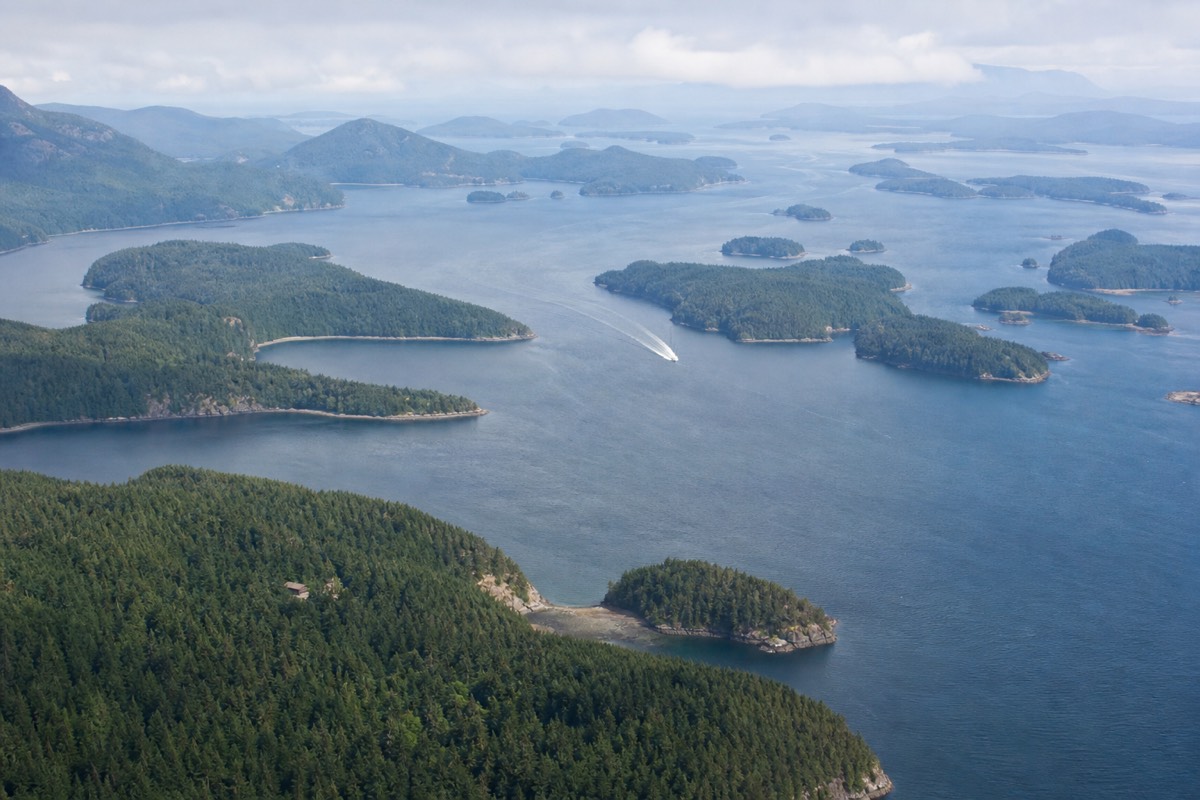
Seasonality is not a marketing pose in Victoria, it is how the good kitchens actually order. The spot-prawn season in particular is treated as an event, with a short window when the sweet, translucent prawns show up everywhere before vanishing again for a year. Oysters follow the old wisdom of the cooler months, when the water is cold and the shellfish are firm and briny rather than milky. Use the chart and table below as a rough planning guide, and remember that exact dates shift each year with the weather and the fishery.
| Season | What is at its best | Worth ordering |
|---|---|---|
| Spring (Mar to Jun) | Spot prawns, early halibut, oysters still good | Spot prawns while they last |
| Summer (Jul to Aug) | Wild salmon runs, Dungeness crab, halibut | Grilled wild salmon |
| Autumn (Sep to Oct) | Salmon runs continue, crab, oysters returning | Salmon, then early-season oysters |
| Winter (Nov to Feb) | Oysters at their peak, crab, shellfish | Oysters on the half shell |
Where does Victoria's seafood come from?
Victoria's seafood comes from the waters and farms right around it: oysters and shellfish from the sheltered inlets up-island, including the well-known beds near Fanny Bay, wild salmon and halibut from the wider BC coast, and produce from the Saanich Peninsula and the Cowichan Valley. Short supply lines are the whole point.
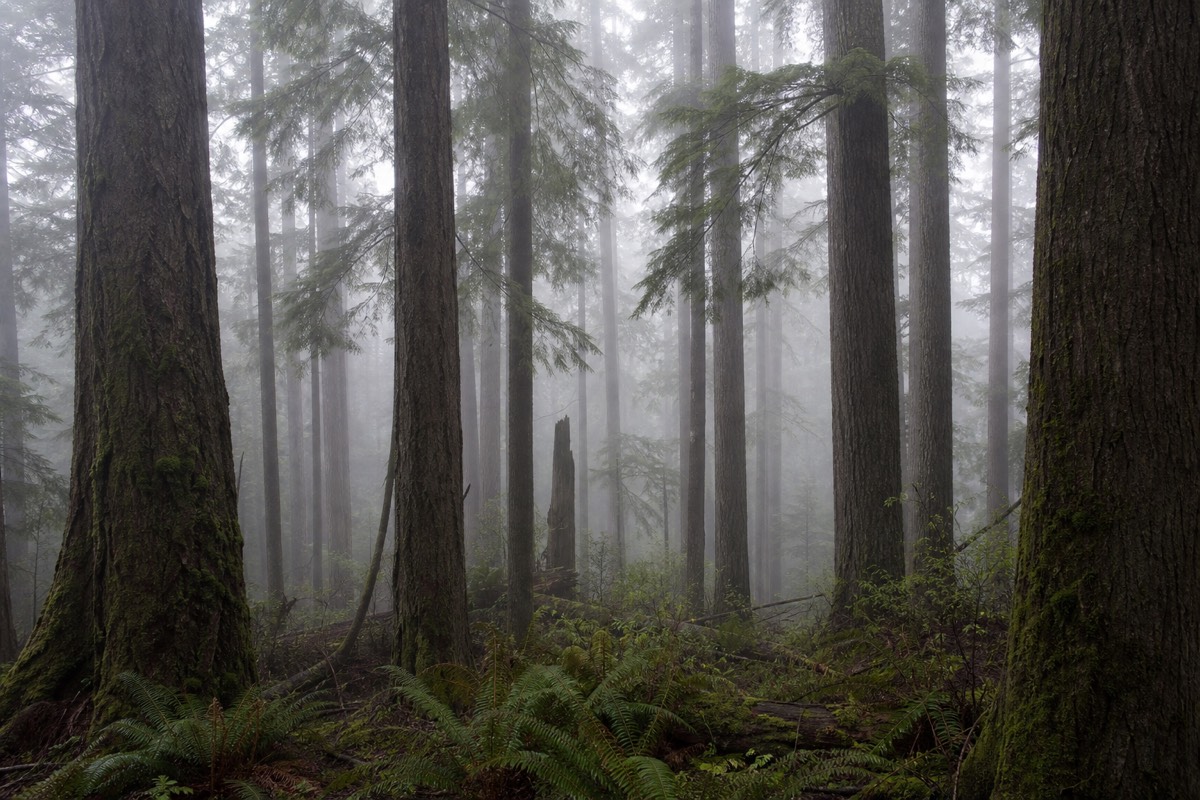
The island grows and lands an unusual share of what ends up on the plate. The calm, cold inlets of the east coast are ideal for oysters and mussels, and the shellfish farms up the coast ship worldwide, so eating them here means eating them fresh rather than flown in. Wild salmon and halibut come off boats working the coast, and the vegetables, cheese and wine that round out a meal come from farms a short drive north. Cowichan Bay, up-island, even carries a slow-food reputation of its own. This is why the good rooms talk about provenance: it is close enough to matter.
Farmers markets are the local shortcut to all of it. Through the warmer months, neighbourhood and regional markets around Greater Victoria bring island growers, bakers and sometimes a fishmonger together, and they are a fine place to build a picnic of local bread, cheese, fruit and smoked salmon. Even out of season, the year-round downtown public market covers the same ground indoors. Buying direct is how many residents eat their best island produce, and it costs a fraction of a restaurant meal.
Where do you find the best oysters in Victoria?
For oysters, locals head to the Old Town oyster bars and neighbourhood seafood rooms rather than the harbour patios. British Columbia is one of the great oyster regions, and island-grown oysters, including those from the well-known beds around Fanny Bay up-island, are shucked to order across the city's better bars. A good bar lists them by their home cove.
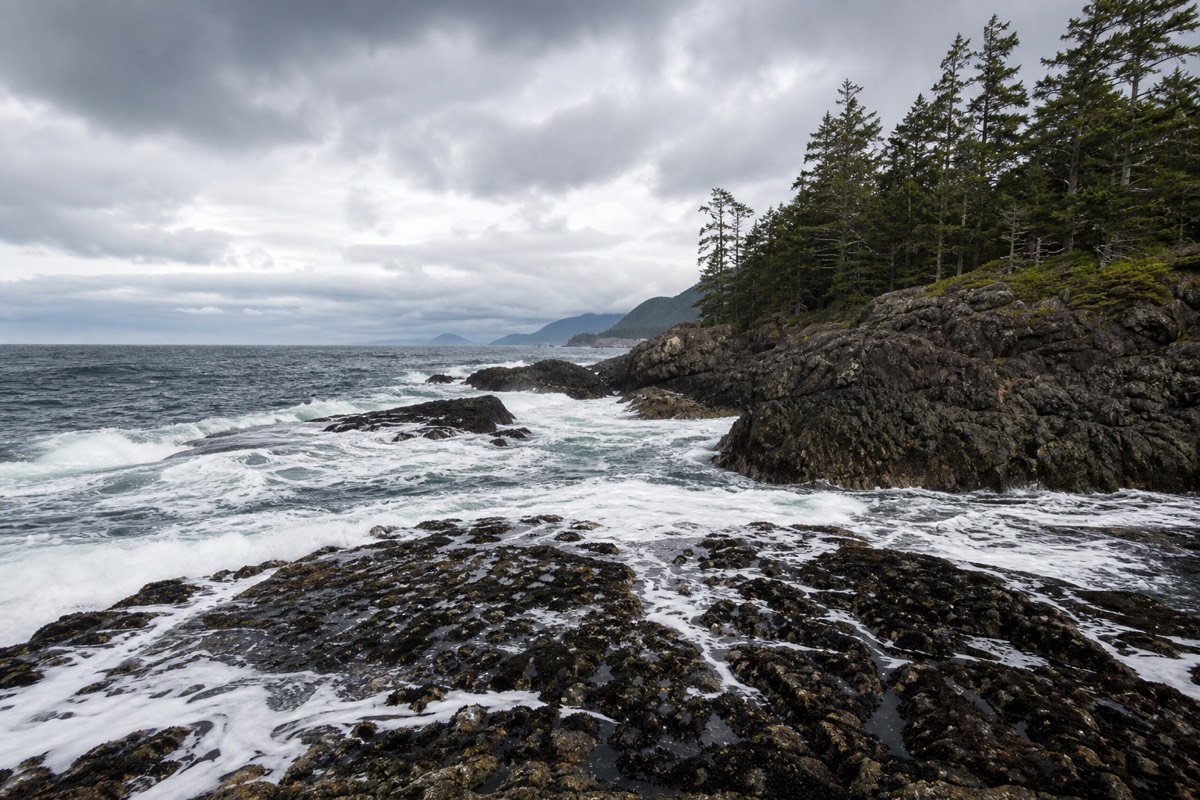
Oysters here reward a little curiosity. The same species tastes noticeably different depending on where it grows, so a bar worth your time will name several island varieties and tell you which inlet each came from, then describe how briny or sweet or mineral each one runs. Beach-grown oysters tend to have a deeper cup and a fuller flavour, while tray-grown and tumbled oysters come up smaller and cleaner, ideal for a first-timer. Order a mixed half-dozen, work from mildest to boldest, and take the shooter of seawater in the shell with it. If you want your seafood as part of a day beyond the city, the west coast seals, rainforest and waterfall tour builds in a lunch stop between the beaches and the ancient cedars.
A little etiquette makes the experience better. Check that each oyster sits in its own clear liquor and smells clean and briny before you eat it, loosen it from the shell with the small fork if the shucker has not already, then tip it back with the seawater rather than chewing it to nothing. A splash of lemon, a spoon of mignonette, or nothing at all are the classic accompaniments, while a heavy hit of hot sauce tends to bury the flavour that makes island oysters worth ordering.
| Oyster style | What to expect | Good for |
|---|---|---|
| Beach-grown | Deeper cup, fuller, brinier flavour | Experienced oyster eaters |
| Tray or tumbled | Smaller, cleaner, milder | First-timers |
| Baked or grilled | Warm, with butter or a topping | Cooler evenings, cautious eaters |
| A mixed half-dozen | Several coves side by side | Comparing island varieties |
Where do locals go for seafood in Victoria?
Locals eat seafood in the Old Town oyster bars, at the floating food stalls of Fisherman's Wharf, and at the downtown public market, more than on the harbour tourist strip. The pattern is simple: walk a few blocks inland from the water, or out to the wharf, and choose the busy room full of locals over the one with a menu in several languages.
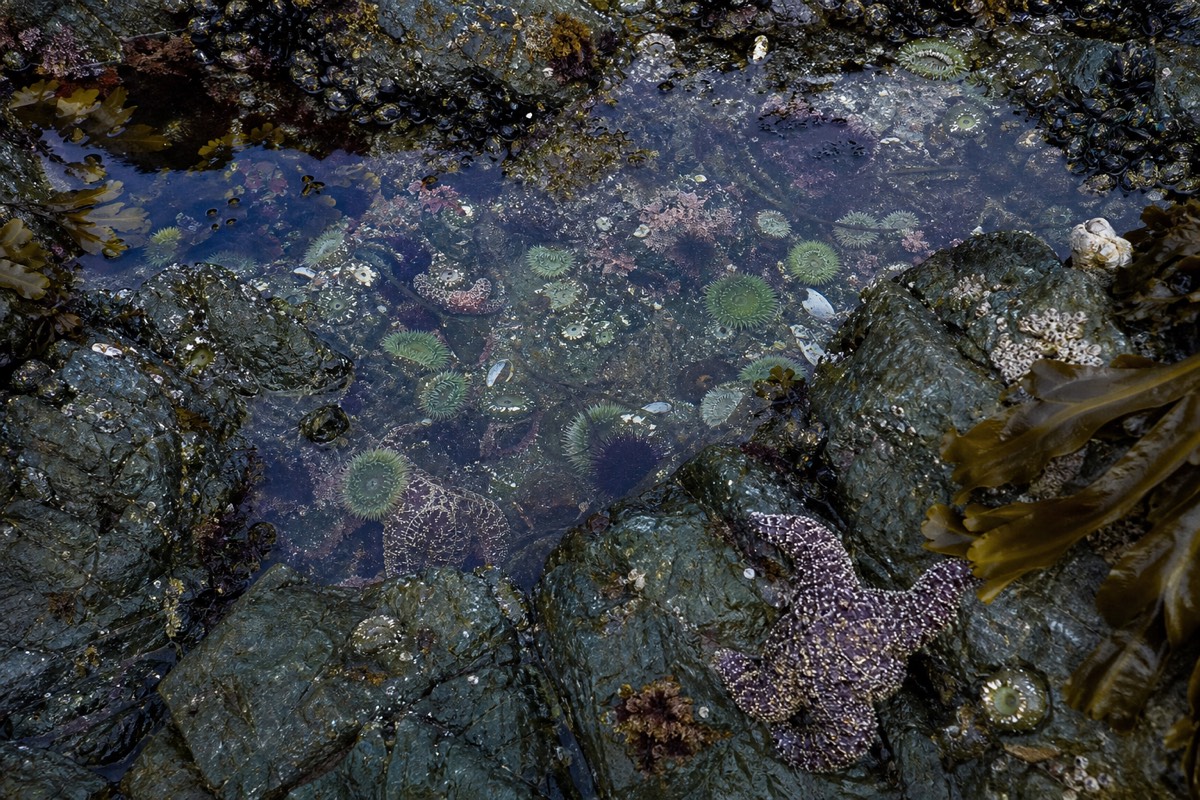
Each setting does a different job. The Old Town rooms are where the serious oyster and shellfish cooking happens, often paired with island wine and a shorter, changing menu. Fisherman's Wharf, a working marina about a fifteen-minute walk west of the Inner Harbour, has a cluster of floating stalls selling fish and chips and other casual bites right on the docks, with harbour seals loitering nearby hoping for scraps, and it is genuinely fun with children. The downtown public market gathers island producers, a fishmonger, bakers and prepared-food vendors under one roof, which is the easy win when a group cannot agree on one cuisine. For the wider picture of the districts Victorians actually use, see our guide to where locals eat in Victoria.
| Setting | What you get | Best for |
|---|---|---|
| Old Town oyster bars | Serious oyster and shellfish cooking | A proper seafood dinner |
| Fisherman's Wharf floats | Casual fish and chips on the docks | A relaxed lunch, families |
| Downtown public market | Island producers and a fishmonger | Grazing, mixed groups |
| Neighbourhood seafood rooms | Local spots away from the strip | Eating where residents do |
Which neighbourhoods should you head to for seafood?
The go-to seafood neighbourhoods are the Old Town and Chinatown for oysters and chef-driven kitchens, James Bay for relaxed brunch and Fisherman's Wharf, Cook Street Village and Fairfield for casual bistros, and Oak Bay for a quieter village feel. All are a short walk or quick ride from the Inner Harbour.
Victoria is compact, so none of these districts is far. Wander one of them at mealtime and pick the room with locals in it, and you will do better than any single fixed recommendation. Chinatown, the oldest in Canada, packs noodles, dumplings and newer chef-driven kitchens into a few blocks around Fisgard Street, with Fan Tan Alley threading through, and the wine bars that have opened around it in the Old Town lean hard on local shellfish. James Bay puts you near the wharf and the water. Cook Street Village and Fairfield keep the mood casual and neighbourly.
| Neighbourhood | Seafood character |
|---|---|
| Old Town | Oyster bars, wine bars, chef-driven kitchens |
| Chinatown | Noodles, dumplings and shellfish a short walk from the harbour |
| James Bay | Relaxed brunch and Fisherman's Wharf nearby |
| Cook Street Village and Fairfield | Casual bistros and neighbourhood spots |
| Oak Bay | Quieter, genteel village dining |
How do you tell a good seafood spot from a tourist trap?
A good Victoria seafood spot names where its oysters and fish come from, changes its menu with the season, is busy with locals rather than only visitors, and sits a few blocks off the harbour strip. Ask your host or barista for their own go-to, follow the day's catch, and treat a very long printed menu as a warning sign rather than a promise.
A few habits do the work of any guidebook. Rooms that care will tell you which cove an oyster grew in and what boat the halibut came off, and they will happily steer you to the day's best thing. Hospitality workers here eat out constantly and love sharing where, so a barista or a hotel front desk is a better source than a review count. Chase the season, and let the kitchen cook the fish simply. When the day's catch is good, it does not need much.
| Green flag | Red flag |
|---|---|
| Oysters listed by their home cove | Oysters sold only as a generic dozen |
| A short menu that changes | A long menu that never changes |
| Full of locals | Only tour groups and a menu in many languages |
| A few blocks off the harbour | Prime patio, all view, no line-caught anything |
What should you order, and what should you drink with it?
Order oysters on the half shell to start, then whatever landed that day, whether wild salmon, halibut or Dungeness crab, cooked simply. For drinks, the island's own cool-climate white wines and sparkling wines from the Cowichan Valley pair beautifully with shellfish, and BC craft beer or cider suits the casual fish-and-chips end of the spectrum.
The classic Victoria progression is a plate of oysters, a bowl of steamed mussels or clams, then a piece of grilled fish or cracked crab. In spring, swap in spot prawns wherever you see them. The wine list is where the region shows off, because the same cool coastal climate that grows the shellfish grows crisp, mineral whites just up the road. A dry island sparkling or a coastal white is close to a perfect oyster match, and our guide to Cowichan Valley wine country covers the vineyards a short drive north where much of it comes from.
Know the fish a little and you order better. Wild salmon runs through several species across the season, from the rich, fatty chinook, often called spring, to leaner sockeye and coho, and a good kitchen will tell you which is running. Halibut is firm, white and mild, the pick for a superior plate of fish and chips. Dungeness crab is sweet and generous, and it is best cracked and eaten with your hands. In the short late-spring window, spot prawns need almost nothing done to them, so order them simply prepared and taste why locals count the weeks until they arrive.
Is the seafood safe to eat raw, and is it sustainable?
Oysters and other raw shellfish served at reputable Victoria bars come from monitored, licensed growing areas and are safe to eat raw, though anyone pregnant or immune-compromised should be cautious with raw shellfish. British Columbia also has a strong sustainable-seafood culture, and many kitchens highlight responsibly harvested local catch.
Shellfish harvesting on the coast is regulated and the growing waters are monitored, which is why sticking to established restaurants and bars matters more than chasing the cheapest plate. Seasonal closures happen, sometimes for naturally occurring algal blooms, and reputable rooms simply take affected shellfish off the menu when they do. On sustainability, ask or read the menu, because plenty of Victoria kitchens are proud of sourcing responsibly caught fish and farmed shellfish, and the staff can usually tell you where a given item came from and how it was harvested.
Can you find great seafood beyond Victoria on the island?
Yes. Vancouver Island's seafood reputation reaches well past the capital, from the oyster farms and slow-food waterfront of Cowichan Bay up-island to the fresh catch and casual fish tacos of Tofino on the west coast. If you are touring the island, build a seafood stop into each base rather than saving it all for Victoria.
Each region has its own angle. Cowichan Bay, about an hour north, pairs its shellfish with the farms and vineyards of the Cowichan Valley and its own slow-food waterfront. On the wild west coast, Tofino turns the day's catch into everything from fine dining to fish tacos at a surf beach, and our things to do in Tofino guide points to where the town eats. Wherever you are, the same rule holds: eat what landed that day, cooked simply.
How do you build a seafood day around Victoria?
A good seafood day starts casual and builds: fish and chips at Fisherman's Wharf or a graze through the public market for lunch, then oysters and the day's catch in the Old Town for dinner. Add a day trip to the beaches or the wine country, and you have island seafood at both the source and the table.
Keep the daytime light and let the evening be the main event. A relaxed lunch by the water, an afternoon around the harbour or Chinatown, then a proper oyster dinner as the light goes is the rhythm that works, and it pairs naturally with a slow morning. Our one day in Victoria itinerary maps a version of that, and if you would rather not manage logistics, our team books guided day trips from Victoria that leave you free time in the city to eat where the locals do. The Butchart Gardens and Malahat SkyWalk day tour handles the sightseeing and returns you in time for dinner in the Old Town. For the rest of a Victoria food itinerary, our guide to afternoon tea in Victoria covers the daytime ritual, and after dinner a haunted Old Town ghost walk is an easy way to end the night. More on the island as a destination is gathered at vancouverisland.travel, and the region as a whole is summarised at Vancouver Island.
| Part of the day | Where to eat | What to order |
|---|---|---|
| Lunch | Fisherman's Wharf or the public market | Fish and chips, or a market graze |
| Afternoon | Chinatown and the Old Town | Dumplings, a snack, a coffee |
| Dinner | An Old Town oyster bar | Oysters, then the day's catch |
| Day trip | Cowichan Valley or the west coast beaches | Island wine, a picnic lunch |