Seattle and Port Angeles to Victoria by Ferry
Two very different boats connect the United States to Victoria: a fast passenger catamaran from downtown Seattle and a car ferry from Port Angeles. Which one you want depends on whether you are bringing a vehicle and how much of the day you will spend on the water.
Start with the vehicle question. Car-free Seattle travellers can book a direct one-way ferry into Victoria’s Inner Harbour. Check One-Way Seattle Ferry Sailing Dates
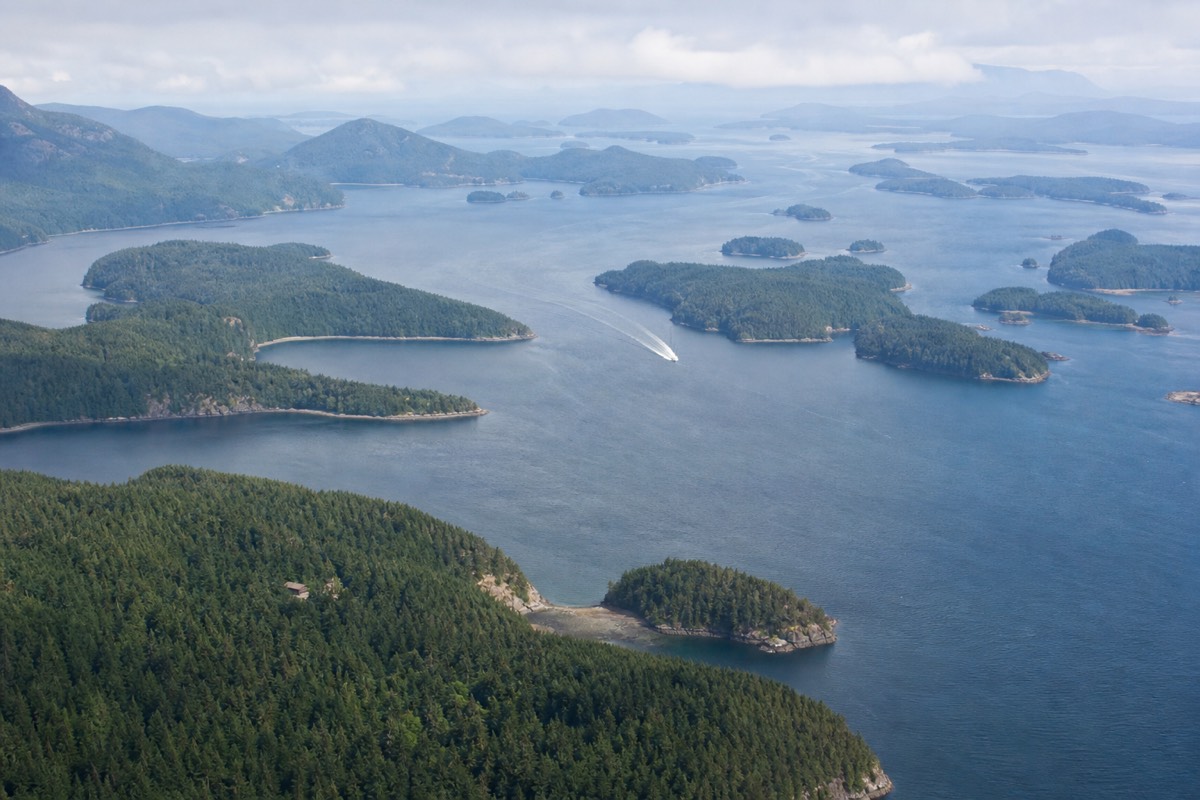
Victoria is the rare international destination you can reach on a day boat. From the American side, two crossings run straight to the city's Inner Harbour, and they could hardly be more different. One is a fast passenger catamaran out of downtown Seattle. The other is a working car ferry from Port Angeles, a shorter hop across the Strait of Juan de Fuca. Pick the wrong one and you either leave your rental car stranded in Washington or spend three hours on a boat you did not need.
Both are border crossings, so a passport comes along either way. Past that, the choice is simpler than it looks once you know what each boat does and does not carry. Below is how the two services compare, what the border process actually involves, and how to use the hours you gain on the far side.
Quick answer: take the Victoria Clipper from downtown Seattle when you are travelling without a car, a passenger-only high-speed catamaran that reaches Victoria's Inner Harbour in roughly two and a half to three hours. Take the Black Ball MV Coho from Port Angeles when you want to bring a vehicle, a traditional car ferry that crosses in about 90 minutes. Both are international sailings, so carry a valid passport, arrive early for the border check, and book ahead in summer.
Seattle Clipper or Port Angeles Coho, side by side
At a glance: the Seattle Clipper carries foot passengers on a longer, faster catamaran; the Port Angeles Coho carries vehicles on a shorter crossing.
How do you get from Seattle or Port Angeles to Victoria?
Two direct ferries do it. The Victoria Clipper is a passenger-only catamaran from downtown Seattle, faster on the water but a longer route, at roughly two and a half to three hours. The MV Coho is a car ferry from Port Angeles that crosses in about 90 minutes and carries vehicles. If you already have a rental in Washington and want it in Canada, the Coho is the only one of the two that will take it.
The deciding factor is almost always the car. Everything else, cost, timing, how much of the day the crossing eats, follows from that one question. A traveller flying into Seattle for a long weekend in Victoria wants the Clipper. A road-tripper working their way around the Olympic Peninsula wants the Coho, because it slots the crossing into a drive and keeps the vehicle with them.
Geography also nudges the choice. Seattle is the bigger, easier arrival city, but Port Angeles sits much closer to Victoria across the strait, which is why its crossing is so much shorter. If you are starting from Seattle without a car, the Clipper saves you the drive out to Port Angeles entirely. The table below sets the two side by side.
| Service | Route | Crossing time | Carries vehicles? | Arrives | Booking |
|---|---|---|---|---|---|
| Victoria Clipper | Downtown Seattle to Victoria | About 2.5 to 3 hours | No, foot passengers only | Inner Harbour | Reserve online ahead, seasonal service |
| MV Coho, Black Ball Ferry | Port Angeles to Victoria | About 90 minutes | Yes, cars and passengers | Inner Harbour | Reserve a vehicle ahead in summer |
What is the Victoria Clipper, and who is it for?
The Victoria Clipper is a high-speed passenger catamaran that sails from downtown Seattle to Victoria's Inner Harbour in roughly two and a half to three hours. It carries no vehicles, so it suits travellers who want a car-free city break, arriving in the heart of Victoria within walking distance of the hotels, harbour, and sights. It runs seasonally, with the most sailings in summer.
The appeal is the door-to-door simplicity. You board in downtown Seattle and step off in downtown Victoria, no car, no parking, no terminal miles from anywhere. For a weekend away, that is close to ideal, because Victoria is compact and walkable and rewards visitors who arrive on foot. You lose nothing by not having a vehicle, and you skip the whole business of driving a rental across a border.
Because it is passenger-only and popular, sailings can sell out in high summer, so reserve ahead rather than turning up. Current schedules, fares, and any package add-ons are best checked directly with Clipper Vacations, since the service is seasonal and the timetable shifts through the year. Aim to be at the terminal well before departure to clear the outbound process without stress.
This is one of the most popular ways American visitors reach Vancouver Island, and for good reason. The catamaran is built for the crossing, with indoor seating, large windows, and a galley on board, so the two-and-a-half to three hour ride passes comfortably even when the strait is lively. Some travellers pair the sailing with add-ons such as a hotel night or a Butchart Gardens excursion sold as a package, which can simplify a short trip, though you can just as easily book the crossing on its own and arrange the rest yourself once you land.
Who should skip it? Anyone who needs a car on the island. If your plan is to drive the Malahat, tour the Cowichan Valley wineries, or push up-island, the Clipper leaves your vehicle on the wrong side of the water. That is the Coho's job.
What is the MV Coho, and when should you take it?
The MV Coho is a car-and-passenger ferry run by Black Ball Ferry Line between Port Angeles, Washington, and Victoria's Inner Harbour, crossing in about 90 minutes. Take it when you want your vehicle in Canada, when you are already exploring the Olympic Peninsula, or when you simply prefer the shortest time on the water. It carries cars, RVs, motorcycles, bicycles, and foot passengers alike.
The Coho is the practical choice for a road trip. It folds neatly into a loop around the Olympic Peninsula and the Strait of Juan de Fuca, and it keeps your car with you, which changes what the island trip can be. With a vehicle you can leave Victoria behind for the day, and the drive up to the west coast beaches or into wine country opens up in a way it never does on foot.
Vehicle space is finite and fills in summer, so a reservation is worth having for the sailing you want, particularly on peak weekends. Check the live timetable and vehicle booking with Black Ball Ferry Line before you set your day around a specific departure. Foot passengers have more flexibility, but even they benefit from arriving early during the busy months.
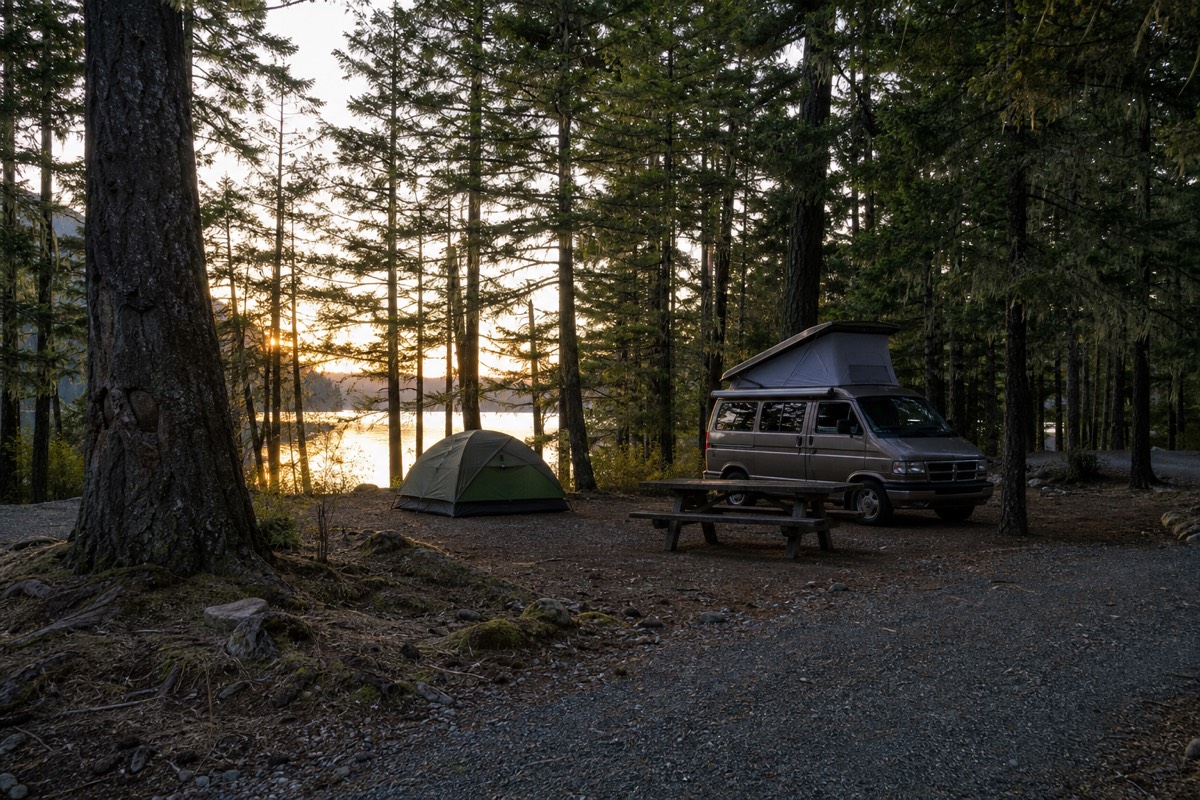
The Coho is also friendly to how people actually travel the coast. It takes RVs and campervans, which makes it a natural link in a Pacific Northwest road trip, and it carries bicycles for cycle tourers riding the island. Walk-on passengers who leave their car in Port Angeles are a common sight too, using the crossing as a car-free day trip while keeping the drive on the American side. That flexibility is part of why the little ferry has run this route for generations.
One planning note: the Coho requires a drive to Port Angeles first, roughly two to three hours from Seattle depending on traffic and the route you take. If you are starting in Seattle without a car, that drive cancels much of the Coho's time advantage, which is exactly why the Clipper exists.
What is the crossing itself like?
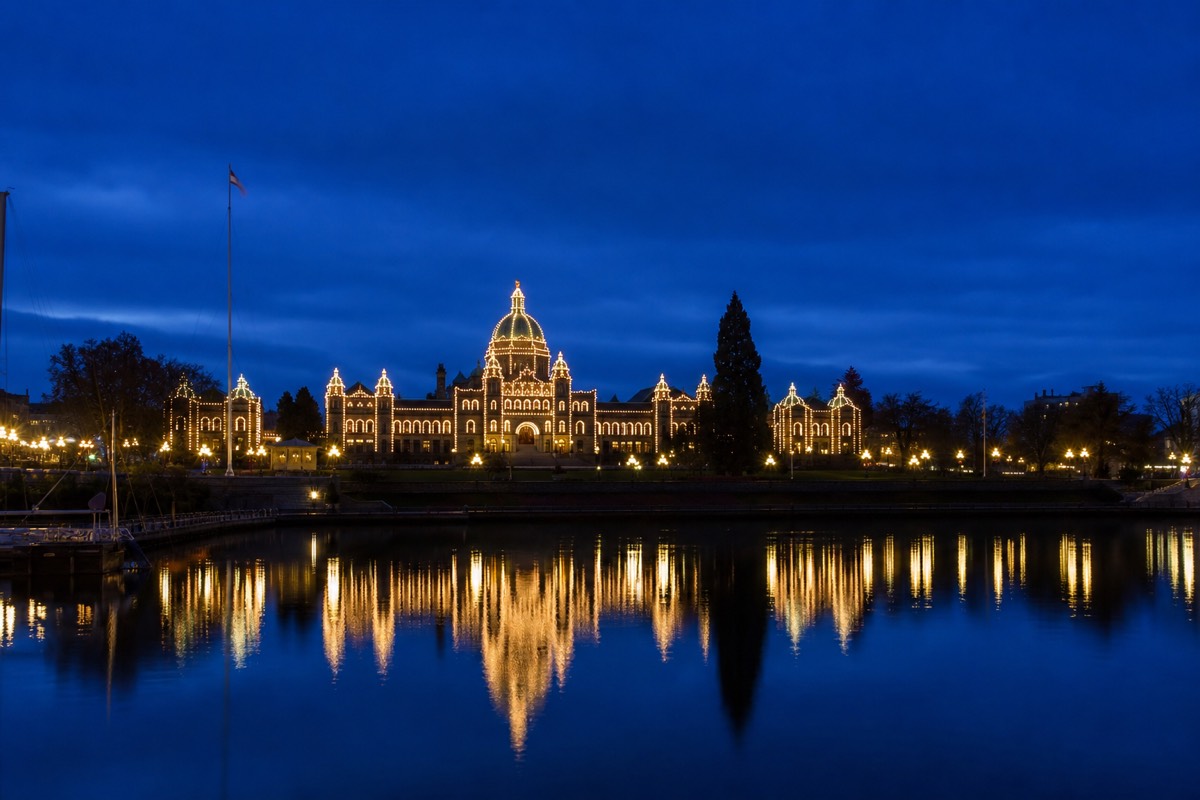
Both boats cross the Strait of Juan de Fuca, the open stretch of water between Washington's Olympic Peninsula and Vancouver Island. On a clear day the Olympic Mountains rise behind you and the coastal ranges of the island fill the horizon ahead. Expect fresh air, the chance of seals, porpoises, or the occasional whale, and a slow approach into the Inner Harbour past the lit Parliament Buildings.
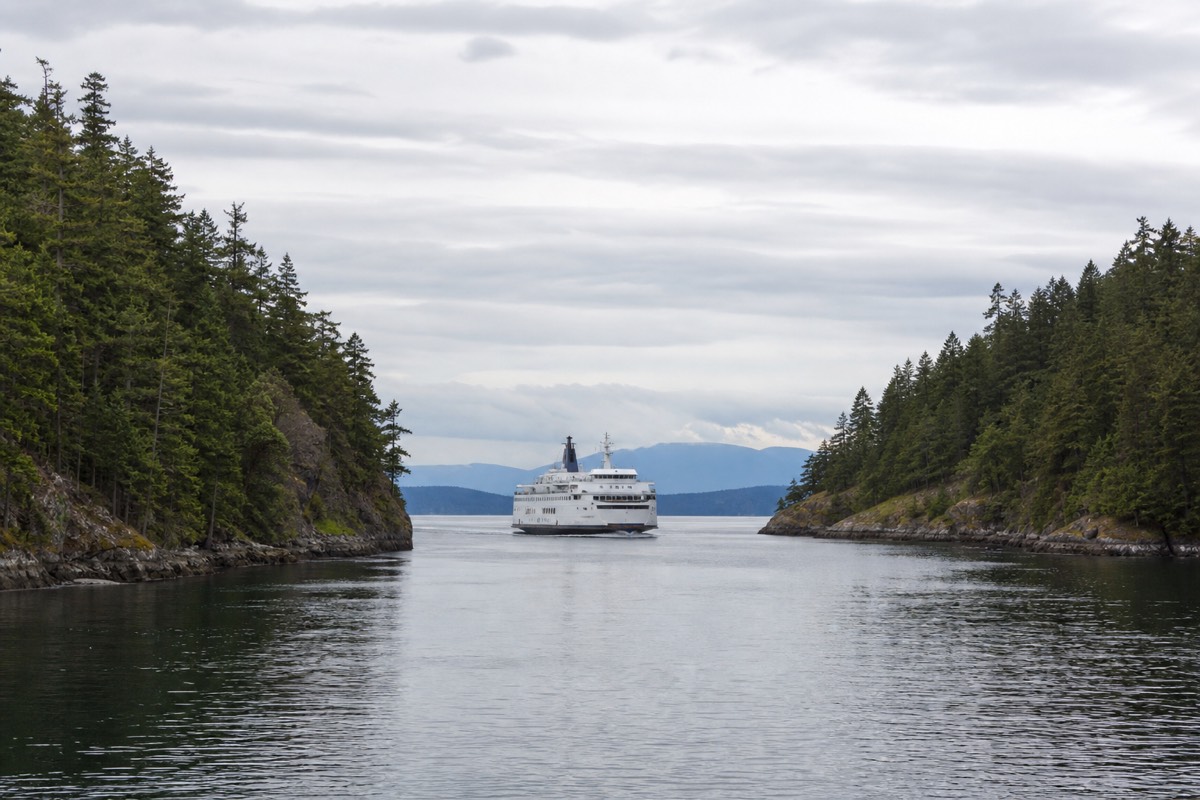
The strait is real ocean water rather than a sheltered channel, so it can be breezy and lively, especially on the longer Clipper route. The catamaran is enclosed and comfortable with seating and a galley, so weather rarely spoils the ride, and many travellers spend the crossing watching for wildlife rather than reading. Marine life is a genuine bonus here: harbour seals, Dall's porpoises, and, if the timing is lucky, orcas or humpbacks that share these waters through the warmer months.
The arrival is the part people remember. Coming into Victoria's Inner Harbour, the city reveals itself around the water: the domed Legislative Buildings, the ivy-covered Empress Hotel, float planes taxiing across the harbour, and the working waterfront that has been the city's front door for well over a century. It is one of the more graceful ways to arrive at any city on the coast.
Do you need a passport, and how does customs work?
Yes. Both crossings are international, so every traveller needs a valid passport or an approved travel document such as a passport card, an enhanced driver's licence, or a NEXUS card. You clear Canadian customs on arrival in Victoria and United States customs on the way back. Arrive early, because border processing is part of the boarding time, not an afterthought.
The process is routine but real. On the way to Victoria you go through Canada Border Services, and on the return you clear US Customs and Border Protection. Have your documents ready, know where you are staying, and be straightforward about what you are bringing across. Families should note that children need their own travel documents for a sea crossing, so check everyone's papers before you leave home.
A few practical points smooth the border. Alcohol and cannabis both have limits crossing into and out of Canada, and certain fresh foods, plants, and firewood are restricted, so travel light on those and declare anything you are unsure about rather than guessing. If you cross this border often, a NEXUS card speeds the process on both sides. And do not book your onward plans too tightly against the sailing time, because a busy border check on a peak summer day can absorb more of the buffer than you expect.
Build the border into your timing. The published boarding cut-offs already assume you need time to be processed, and missing that window means missing the boat. The checklist below covers what to have in hand.
| Item | Why it matters |
|---|---|
| Valid passport or approved document | Required for every traveller, including children, on both directions |
| Proof of onward or return plans | Border officers may ask where you are going and for how long |
| Accommodation details | Have your Victoria hotel or address ready to state |
| Early arrival at the terminal | Border processing happens before boarding, not on the boat |
| Awareness of what you can bring | Limits apply to alcohol, cannabis, and certain foods across the border |
What do the schedules look like by season?
Both services run most often in summer and thin out in the off-season. The Clipper operates seasonally, generally from spring into fall, with peak frequency in midsummer. The Coho runs across more of the year with the fullest timetable in summer and a lighter schedule outside it. In July and August, book ahead for either boat; in the shoulder months you have far more room.
Summer is when demand meets limited capacity. The passenger catamaran can sell out, and vehicle space on the car ferry fills on peak weekends, so the high-season rule for both is simple: reserve the sailing you want rather than leaving it to chance. If your dates are fixed, that matters even more.
The off-season is the opposite experience. Fewer sailings, but also fewer crowds and easier bookings, and Victoria in the quieter months is a genuinely pleasant place to visit. Because timetables change with the season, always confirm the current schedule with the operator close to your travel date rather than relying on last year's pattern.
| Season | Frequency | Booking advice |
|---|---|---|
| Summer, June to September | Most sailings, highest demand | Reserve ahead; vehicle space and catamaran seats both fill |
| Shoulder, spring and fall | Reduced but regular | Book a few days ahead to be safe |
| Winter | Lightest timetable, Coho only for much of it | Check current schedules; the Clipper may be out of season |
Clipper or Coho: which crossing suits you?
Choose the Clipper if you are car-free and starting in Seattle, and want the simplest possible door-to-door trip into downtown Victoria. Choose the Coho if you want a vehicle on the island, are already near the Olympic Peninsula, or prefer the shortest crossing. The car is the pivot: no car points to the Clipper, a car points to the Coho.
Think about the trip you are actually taking rather than the boat in isolation. A couple flying into Seattle for three nights in Victoria will spend those nights walking the harbour, visiting the gardens, and eating well, none of which needs a car, so the Clipper is the cleaner answer. A family circling the Olympic Peninsula in a rental wants the Coho, because the vehicle is the whole point of that itinerary.
There is also a question of what you want the crossing to be. The catamaran is a fast, comfortable ride with the strait rolling past the windows. The car ferry is a shorter, more workaday hop. Neither is wrong. The table below matches each boat to the traveller it fits.
| You are... | Best crossing | Why |
|---|---|---|
| Flying into Seattle, no car | Victoria Clipper | Downtown to downtown, no driving or parking |
| Road-tripping the Olympic Peninsula | MV Coho | Keeps your vehicle, shortest crossing |
| Planning to drive the island | MV Coho | The only one of the two that carries cars |
| After the quickest time on the water | MV Coho | About 90 minutes across |
| On a car-free city weekend | Victoria Clipper | Lands you in the walkable heart of Victoria |
How much time and money does each crossing take?
Treat the crossing as part of the day, not a footnote. The Clipper is a longer ride but saves you the drive to Port Angeles; the Coho is a shorter sail but adds that drive if you start from Seattle. Fares vary by season and how far ahead you book, so check live prices with the operators and factor in the border time at each end.
The honest comparison is door to door rather than dock to dock. From downtown Seattle, the Clipper is often the faster total journey despite the longer sailing, because you skip the two-to-three-hour drive to Port Angeles. From anywhere already on the Olympic Peninsula, the Coho wins easily. Run the arithmetic for your actual starting point before you assume the shorter crossing is the shorter day.
| Starting point | Best boat | How the day feels | Trade-off |
|---|---|---|---|
| Downtown Seattle, no car | Victoria Clipper | 2.5 to 3 hours on the water, no driving at all | Longer sailing, but skips the drive to Port Angeles |
| Seattle with a car | Coho via Port Angeles | About 90 minutes across, after a 2 to 3 hour drive | Adds the peninsula drive, keeps your vehicle |
| Already on the Olympic Peninsula | MV Coho | Short drive to the dock, then a quick crossing | The shortest total day of any option |
| Tight schedule, travelling light | Victoria Clipper | One boarding, downtown to downtown | The simplest logistics, no car to manage |
Costs move around, so we will not pin a hard number that goes stale. What stays true is that both are reasonably priced for an international day crossing, both charge more in peak season, and both reward booking early. For the Canadian-side picture and how it compares, our guide to crossing from Vancouver on the Canadian side lays out the ferries and seaplanes from the mainland.
One more habit saves money on either boat: book early. Fares tend to be lowest well ahead of the date and climb as sailings fill through summer, and the cheapest seats and vehicle spaces go first. If your plans are firm, lock the crossing in as soon as you can. If they are flexible, travelling in the shoulder months rather than at the July and August peak lowers both the price and the crowds, and Victoria is arguably at its most pleasant in late spring and early fall anyway. Either way, treat the ferry fare as one line in the day's budget rather than the whole story, since the real cost of a Victoria day trip is what you do once you are there.
What should you do when you arrive in Victoria?
You land right in the Inner Harbour, steps from the Parliament Buildings, the Empress Hotel, and the start of most sightseeing. With a full day you can walk the harbour and Old Town, take a whale watching cruise, or join a guided tour out to Butchart Gardens and the wild west coast. The city rewards visitors who arrive early and start on foot.
| Time ashore | What fits comfortably |
|---|---|
| 3 to 4 hours | Inner Harbour walk, Old Town and Chinatown, lunch or afternoon tea |
| Half a day | Add a harbour whale watching cruise or a visit to Butchart Gardens |
| A full day | A guided tour to Butchart and the Malahat SkyWalk, or out to the west coast |
| Overnight or longer | Add the wild west coast, wine country, or unhurried whale watching |
Because both boats dock in the centre, you lose no time getting from the terminal to the sights. That makes even a single day productive. The Inner Harbour, the Legislative Buildings, Beacon Hill Park, and Canada's oldest Chinatown are all within an easy walk, and the harbour itself is alive with float planes and whale watching vessels. For a full plan, see our rundown of things to do in Victoria and, if your time is tight, how to structure one day in Victoria.
If you have brought a car on the Coho, the island opens up. A private guided Butchart Gardens and Malahat SkyWalk day tour pairs the world-famous gardens with an elevated forest-canopy walkway, and the full-day west coast seals, rainforest, and waterfall tour heads out to ancient cedars, dramatic beaches, and wildlife on the island's wilder side. Both are easy to fold into a Victoria stay, and you can compare the full range of guided Vancouver Island day tours to match one to your dates.
Two more pieces help you plan the rest. If Butchart Gardens is high on your list, weigh visiting Butchart Gardens with a tour against going on your own, and if the harbour's whale watching boats catch your eye, our guide to whale watching from Victoria's harbour covers the seasons and sighting odds. Staying more than a day is where the island really opens up, and where to base yourself helps you decide whether Victoria alone is enough or whether to push further afield. For destination background beyond the crossing, the regional resource at Vancouver Island Travel is a good place to start.