Is Vancouver Island Expensive? A Real Budget Breakdown
The honest answer depends far more on when you go and where you sleep than on the island being pricey by nature. Here is where the money actually goes, with real numbers for the parts you can pin down.
Compare the complete trip, not one fare. One Vancouver-origin day combines transport, ferry admission, Butchart Gardens admission, narration, and Victoria time. Explore the bundled Victoria day
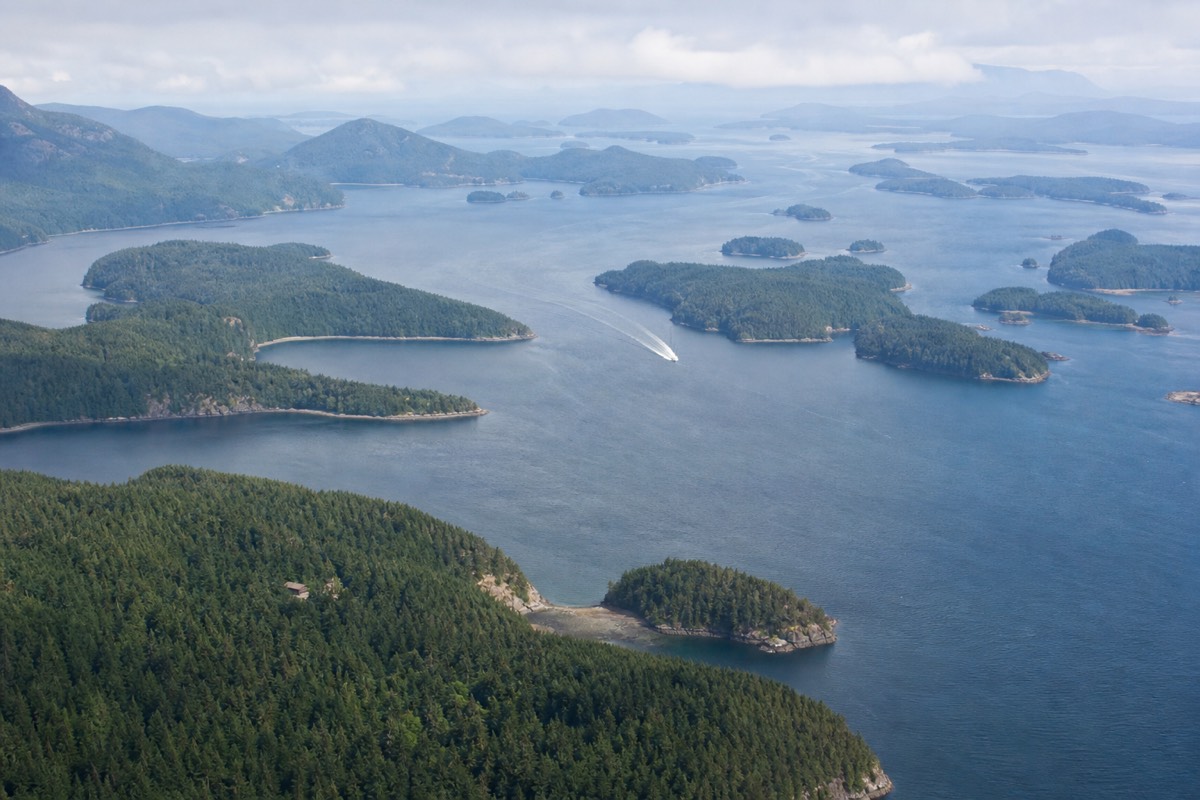
The reputation runs ahead of the reality. People arrive expecting Vancouver Island to empty their wallet, and then find the ferry costs about the same as a couple of restaurant coffees and the best beaches are free. The honest answer to whether the island is expensive depends far more on when you go and where you sleep than on the place being pricey by nature. Here is where the money actually goes, with real numbers for the parts you can pin down.
Is Vancouver Island expensive?
Vancouver Island is moderately expensive by Canadian standards, and the single biggest variable is accommodation in peak summer, especially in Tofino and Victoria. Getting to the island and joining day tours are more predictable and reasonable. Travel in the shoulder seasons and the whole trip drops in price noticeably.
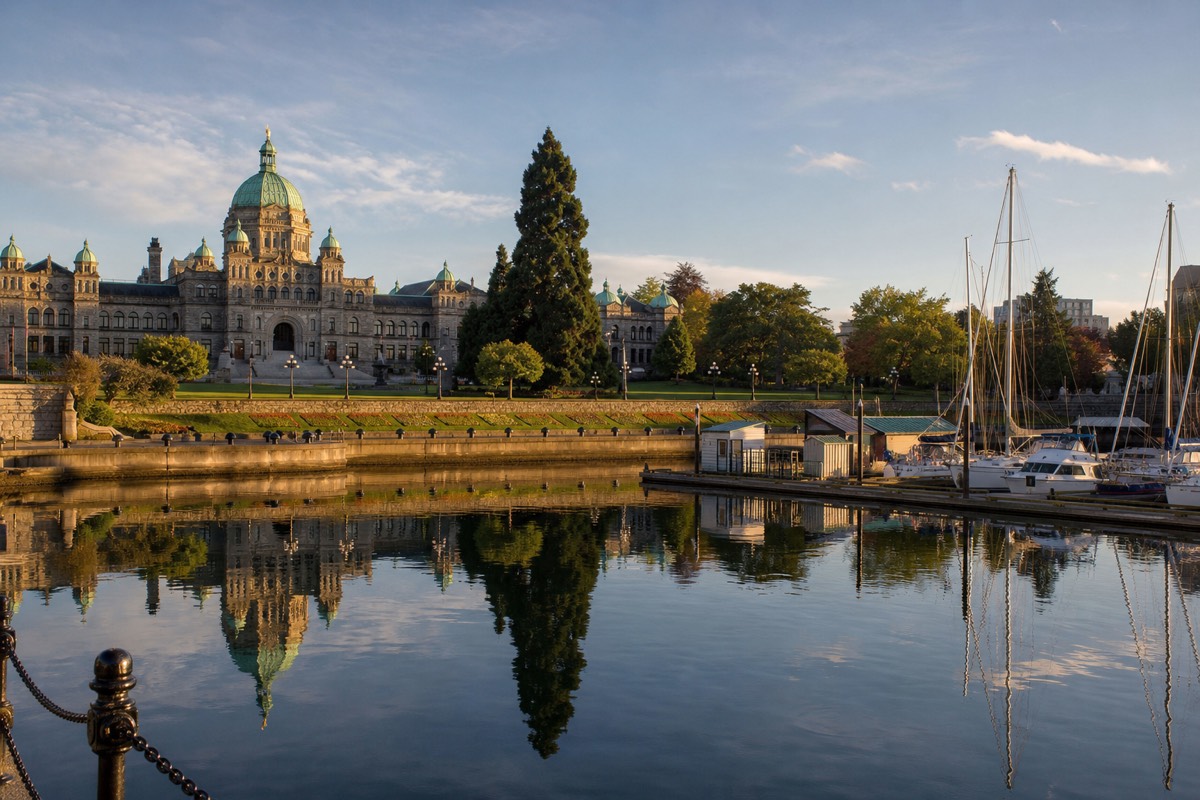
Think of a trip as three buckets: getting there, sleeping and eating, and doing things. The first and third are broadly fixed and fair. The middle one is where costs swing hardest, and it is almost entirely driven by season and by which town you base in. Nail the timing and the base, and the island is a reasonable holiday. Land in Tofino on a July weekend without a booking, and it will feel like the expensive place its reputation claims.
What does it cost to get to the island?
Crossing by ferry is the affordable option, at roughly twenty to twenty-two Canadian dollars each way as a foot passenger and around fifty-five to seventy-five dollars for a standard vehicle. A seaplane is far quicker at about thirty-five minutes but costs considerably more, and a rental car runs roughly fifty to a hundred dollars a day.
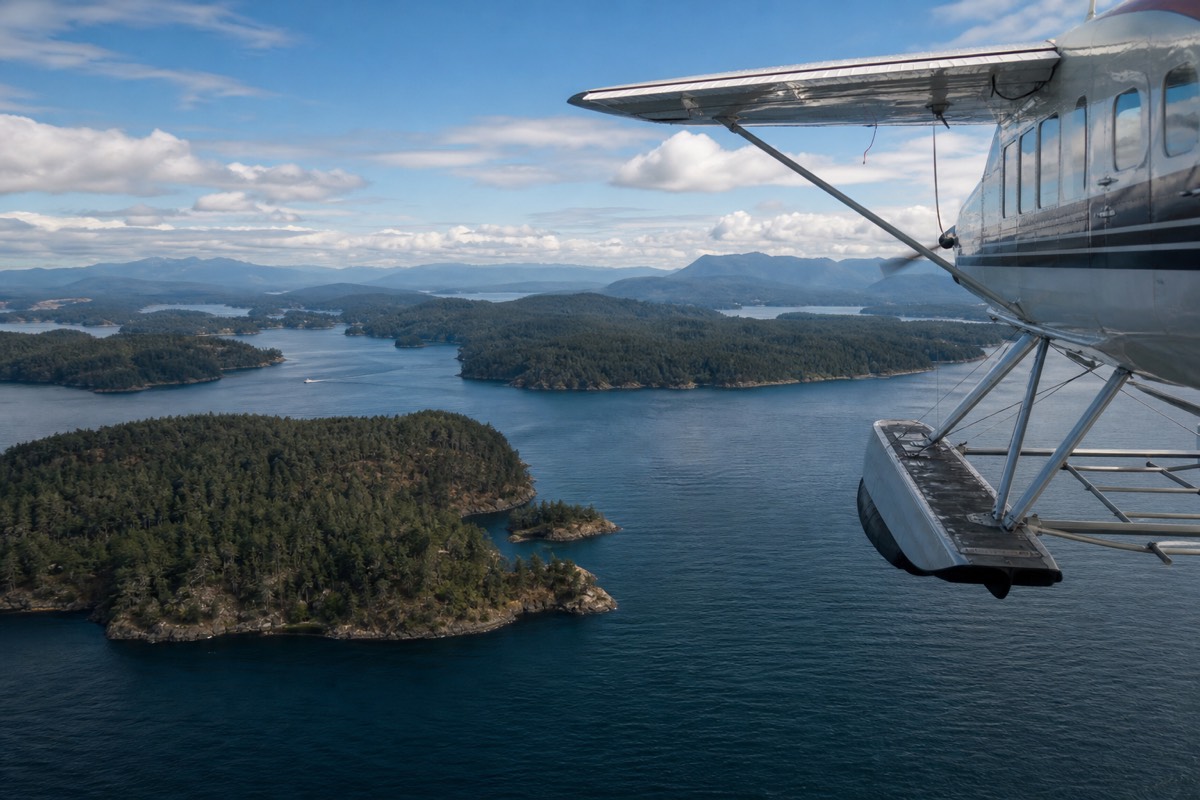
The cheapest way onto the island is to walk on the ferry and skip the car entirely, which many tour-based visitors do. Bring a vehicle and you pay the passenger fares plus the vehicle fare each way, then a daily rental on top if you do not own the car. The seaplane is a genuine experience and a big time saver from downtown Vancouver, but you pay for the speed and the views. We break down each option in our guide to getting to Vancouver Island, and you can check current fares on BC Ferries before you decide whether the car is worth bringing.
What do tours and activities cost?
Day tours are one of the better values here, from around $108 for a half-day out to about $558 for a premium seaplane and whale-watching day, with private and multi-day formats costing more. Many of the island's finest experiences, from beaches to old-growth forest trails, cost nothing at all.

Prices below are typical online rates as of early 2026, so treat them as a reference and check the live listing for your dates. A useful thing about the guided days is how much they fold into one figure. The Vancouver to Victoria day, for example, includes both ferry crossings and Butchart Gardens entry, which makes the real cost easier to compare against doing it yourself once you count fares, fuel, and admission.
| What | Typical online price | Notes |
|---|---|---|
| BC Ferries, foot passenger | About $20 to $22 CAD each way | The cheapest way across |
| BC Ferries, standard vehicle | About $55 to $75 CAD each way | On top of passenger fares |
| Rental car | About $50 to $100 CAD per day | Only if you want a car on the island |
| Butchart Gardens admission | From around $40 CAD per adult | Varies by season |
| Bike and hike, Tofino | From around $108 per person | A three-hour half day |
| Bear-watching cruise, Tofino | From around $140 per person | A short focused wildlife trip |
| Vancouver to Victoria and Butchart day | From around $244 per person | Both ferry crossings and garden entry included |
| Seaplane and whale-watching day | From around $558 per person | Includes the 35-minute seaplane flight |
| Private Vancouver to Tofino, 2 days | From around $1,938 per group | Shared across a small party |
Those top-line tour prices come from real listings, and you can compare them yourself across our guided day trips and multi-day packages. The Tofino bike and hike, rated 4.8, is the kind of low-cost half day that keeps a west-coast trip affordable, while a private multi-day like the two-day Vancouver to Tofino tour is a splurge that shares out across a group.
What about accommodation and food?
Accommodation is the biggest single cost and the one that swings hardest, with peak-summer rooms in Tofino and Victoria the priciest on the island. Food ranges from cheap and excellent, at bakeries, taco stands, and pubs, to full fine dining, so eating well without overspending is entirely possible if you mix it up.
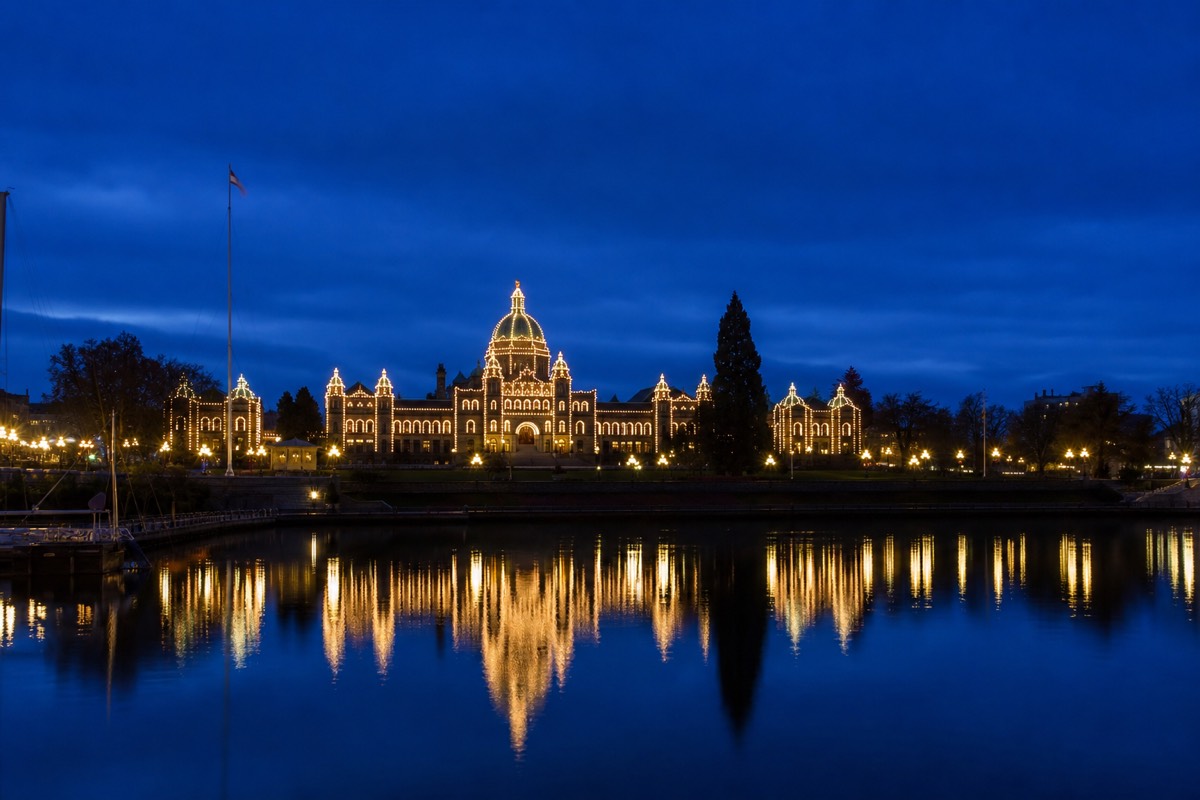
We do not quote nightly room rates here because they move so much by season, town, and how far ahead you book, and any fixed figure would mislead. What holds true is the pattern: July and August in Tofino and Victoria command the highest prices and sell out first, so booking months ahead is the difference between a fair rate and a painful one. On food, the island rewards a mix. A bakery breakfast, a taco or fish-and-chips lunch, and one nicer dinner keeps costs sensible while still eating the coast's best. If where to base yourself is still open, our guide to where to stay on Vancouver Island weighs the towns, and how many days you need helps you avoid paying for more nights than the trip warrants.
How can you keep the cost down?
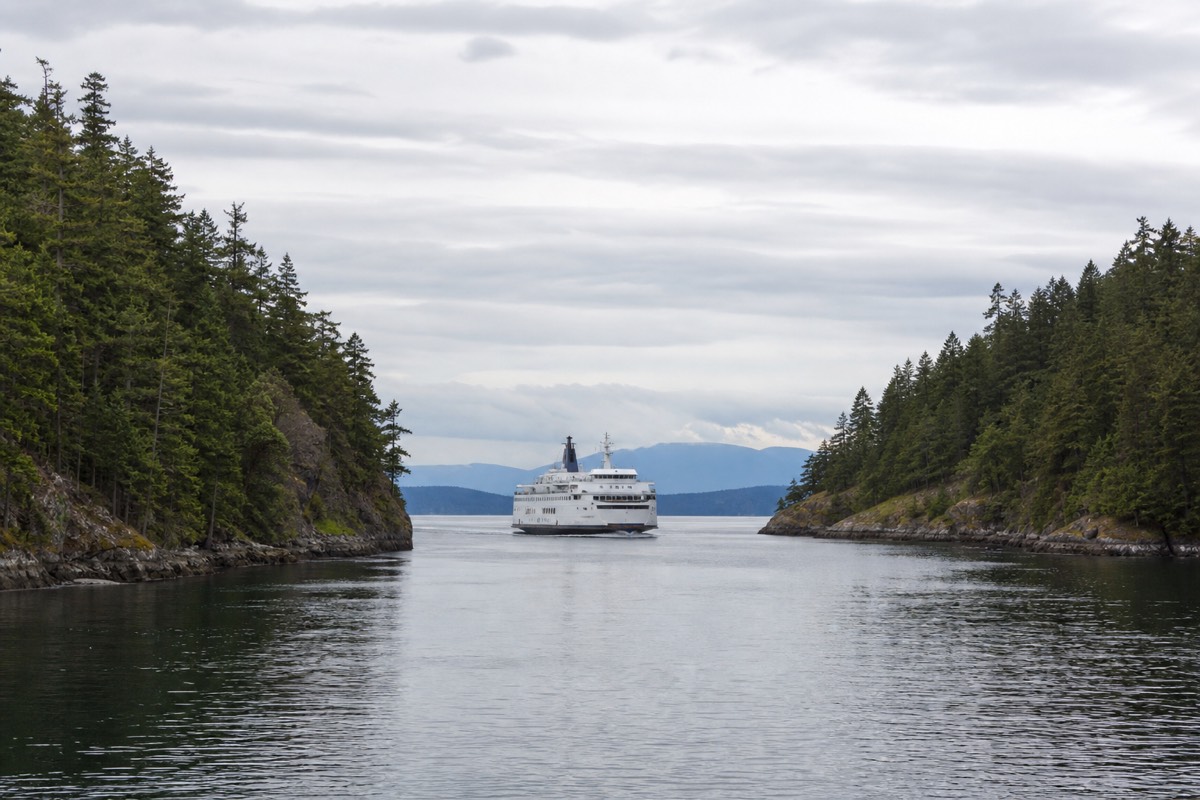
The biggest savings come from timing and lodging: travel in May, June, or September, book summer rooms far ahead, base in one town to cut moving costs, and lean on the island's free nature. Walking onto the ferry instead of bringing a car saves the vehicle fare and the rental, and bundling the crossing into a day tour can beat piecing it together.
None of these require roughing it. Shoulder-season travel alone can transform the budget, and it happens to be the best time for weather and wildlife too, as our look at the best month to visit Vancouver Island lays out. The rest is common sense applied consistently. The table below sorts the levers by how much they move the needle.
| Money-saving lever | How it helps |
|---|---|
| Travel May, June, or September | Lower room rates and thinner crowds than peak summer |
| Walk on the ferry, skip the car | Saves the vehicle fare and the daily rental |
| Book summer lodging months ahead | Avoids the worst peak-season room prices |
| Base in one town, take day trips | Cuts repeated moving and check-in costs |
| Bundle the crossing into a day tour | One price can cover ferries and admission together |
| Lean on free nature | Beaches, old-growth trails, and viewpoints cost nothing |
So, is it worth the money?
Yes, for most travellers, because the biggest attractions, the coast, the forests, and the wildlife, are either free or fairly priced, and the costs that do bite are the ones you can plan around. Go in shoulder season, base smartly, and pick a couple of guided days for the experiences you cannot easily reach alone, and the island is good value.
The trap is treating the island as a rushed add-on and paying peak prices for a stressful version of the trip. Give it a few unhurried days, cross by ferry, and mix free days outdoors with the odd guided outing, and the numbers land in a very reasonable place. Start from our Vancouver to Victoria and Butchart day tour for the classic bundled day, and read the wider destination background at vancouverisland.travel as you plan.