Rathtrevor Beach With Kids: The Warm-Water Family Beach
Rathtrevor Beach at Parksville is the closest thing Vancouver Island has to a warm-water family beach. Here is why the water warms up, how to read the tides safely, what to pack, and how to build an easy day around it with kids.
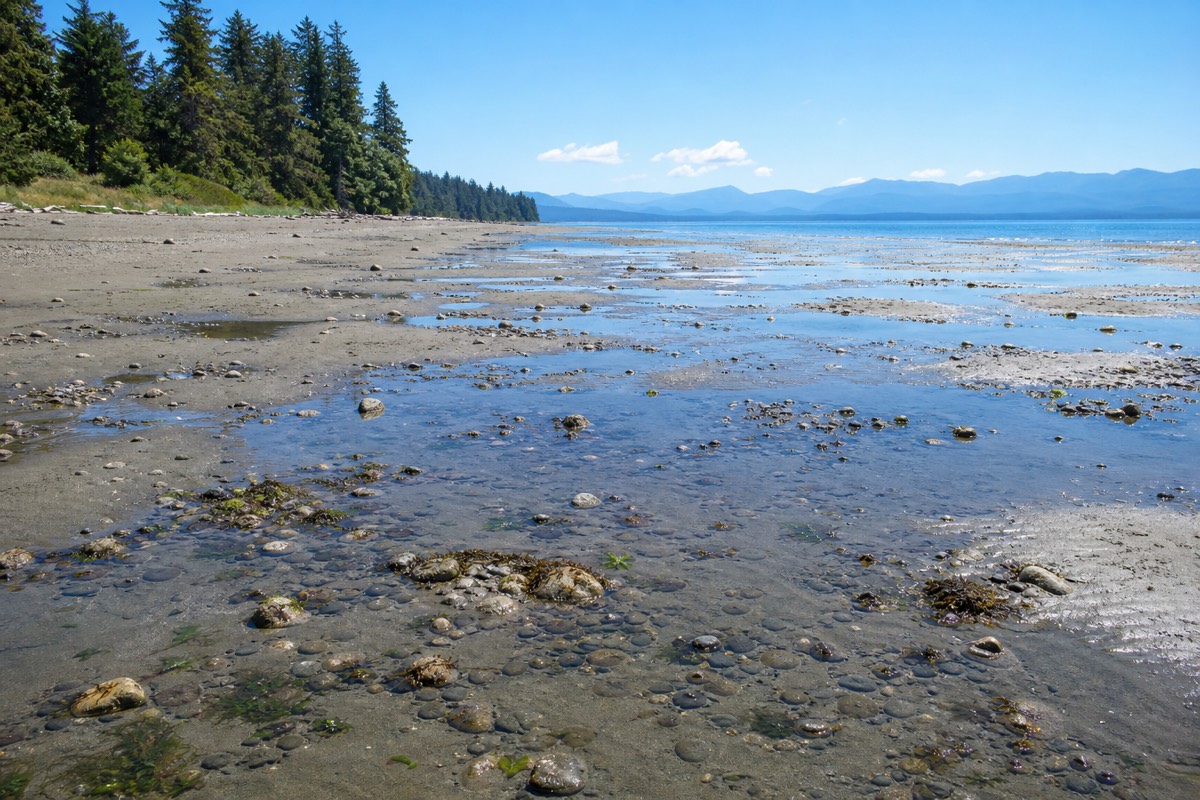
Watch a four-year-old at Rathtrevor on a falling tide and you understand the beach in about a minute. The water is somewhere off in the distance, there is a warm, ankle-deep sheet of it spread across acres of ridged sand, and the child is running flat out through it with a bucket, chasing a crab that is faster than it looks. Nobody is cold. Nobody is being told to be careful near a drop-off, because there is no drop-off.
Rathtrevor Beach sits at Parksville on the sheltered central east coast, and it has a reputation among island families that outsizes its fame with everyone else. The draw is simple: water warm enough to actually swim in, a huge shallow bay with no sudden depth, and forest with shade and trails right behind the sand. This guide covers why it works so well with children, how to time the tides without a scare, what to bring, and what to fold into the day nearby.
How far the sea retreats at Rathtrevor at low tide
A rough comparison, not a survey figure: the point is the scale. The wide, sun-warmed flats at Rathtrevor are exactly what makes the returning tide warm enough for young children to swim.
Why is Rathtrevor Beach so good for kids?
Rathtrevor combines the three things parents want in one place: shallow, gently sloping water with no sudden depth, some of the warmest ocean swimming on the coast, and a vast sand flat where small children can roam safely. Add tide pools full of crabs and sand dollars and a shaded forest behind, and it entertains kids for hours.
What sets it apart from a pretty but bracing west-coast beach is that nothing here needs to be endured. On the open Pacific the water stays cold and the surf is real, which is thrilling for teens and surfers but a short, shivering visit for a toddler. Rathtrevor is the opposite: calm, warm and forgiving, the kind of beach where a family settles in for the afternoon rather than dashing in and out. Parents relax more here too, because the sightlines are open and the water stays shallow so far out that the usual beach anxieties barely apply. It is one of the reasons we steer families toward the central island, not only the headline ends, in our overview of Vancouver Island with kids.
Why is the water warm at Rathtrevor?
At low tide the sea retreats up to roughly a kilometre across flat sand, and the sun heats that huge exposed flat all day. When the tide turns, the water flows back in a thin sheet over the warmed sand and arrives noticeably warmer than the open ocean. That tidal-flat effect is why Rathtrevor swims warmer than almost anywhere else on the island.
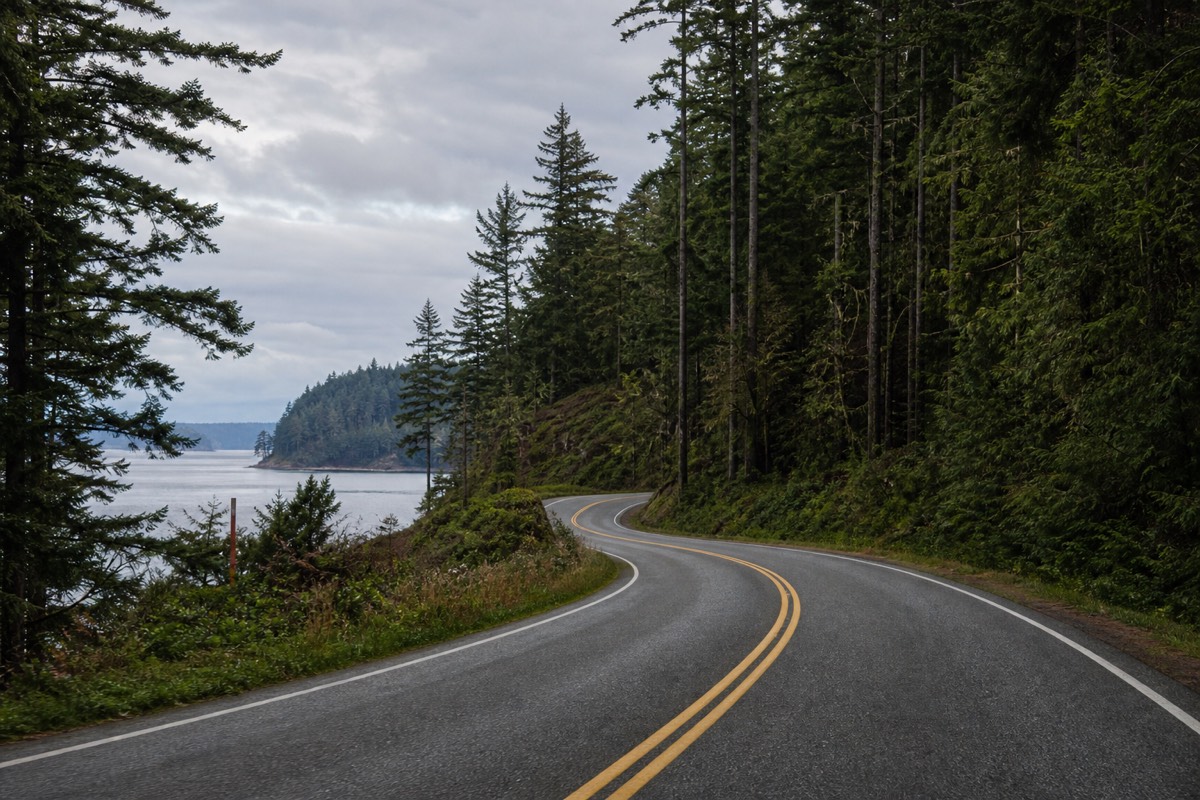
It is a genuine quirk of geography rather than marketing. The bay is broad and shallow, so a small vertical change in tide exposes an enormous area of sand, and that sand acts like a solar collector between tides. The returning water skims across it and picks up the heat. The exposed flats are also the whole play area: acres of firm, ridged sand dotted with warm pools, ideal for young children who are not yet strong swimmers. For the wider pick of shorelines and how Rathtrevor compares, see our guide to the island's best beaches.
How do the tides work, and how do you time your visit?
Check the day's tide table before you go. A falling or low tide exposes the warm sand flats and the tide pools, which is the classic Rathtrevor experience. The one thing to respect is the returning tide: because it floods across such a flat, wide area, it comes in fast and can cut off anyone who has wandered far out, so keep track and keep kids in sight.
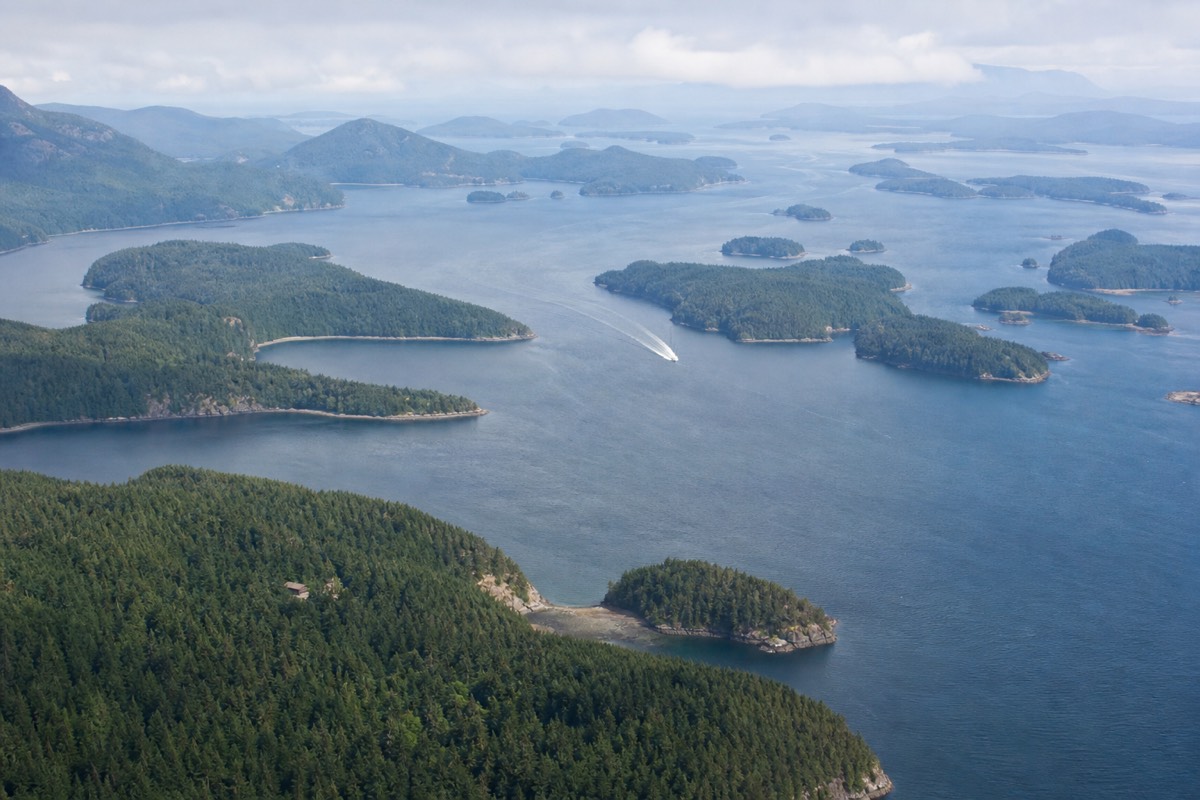
Timing turns an average visit into a great one. Aim to arrive as the tide is dropping toward low so the kids get the full run of the flats and the pools, then enjoy the warm, shallow swimming as the water creeps back in over the heated sand. The incoming tide is the part that catches people out, not because it is dangerous in itself, but because the distances are so large that a fast-moving edge of water can surround a sandbar before you notice. It is an easy thing to manage once you know it is coming.
Reading the tide is simpler than it sounds. A free tide table for Parksville, on any weather app or water-conditions site, gives the day's high and low times, and the useful window runs a couple of hours either side of low tide. Aim to be set up on the sand as the water is dropping, and you get the long walk out, the pools, and then the warm swim as it floods back. Two low tides roll through most days, so there is usually a workable slot in the morning or the afternoon.
| Tide stage | What the beach is like | Best for |
|---|---|---|
| Low tide | Vast exposed sand flats and warm tide pools | Crab hunts, sand play, long walks out |
| Rising tide | Warm, shallow water flooding over heated sand | Warm swimming for young kids |
| High tide | Water close to the treeline, less sand | A shorter splash, then the forest trails |
What should you bring to Rathtrevor Beach with kids?
Pack for sun, wind and a long stay: sun protection above all, since the open flats offer little shade near the water, plus warm layers for when the sea breeze picks up. Beach shoes help on the ridged sand and around the tide pools, and buckets, nets and a change of clothes complete a low-effort family day.
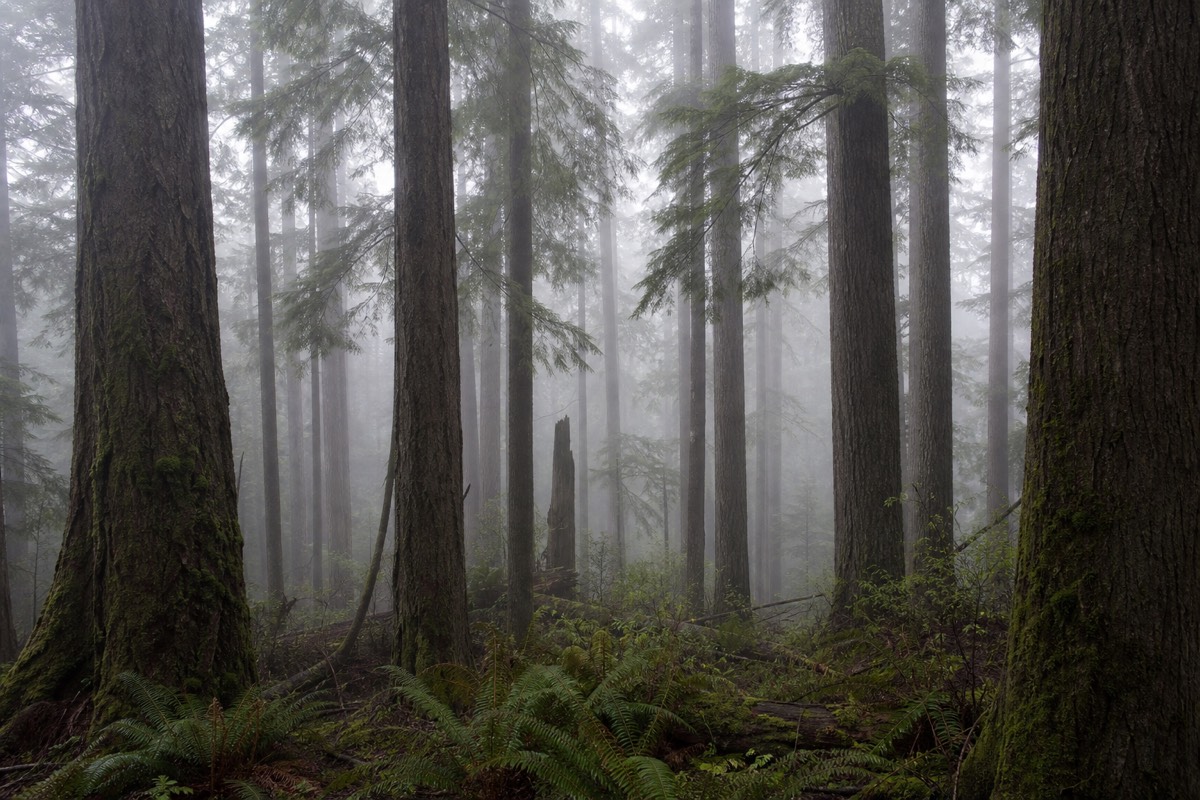
The flats are exposed, so the sun is stronger than it feels with a breeze on you, and a hat, high-factor sunscreen and a shade tent for a baby make the difference between a happy day and a sunburnt one. The forest behind the beach gives shade and easy stroller-friendly paths when little ones need a break from the open sand. Bring more water than you think, since there is a lot of running about, and a picnic, because the beach invites lingering.
| What to bring | Why |
|---|---|
| Hat, sunscreen, shade tent | The flats are open with little shade near the water |
| Warm layer or windbreaker | The sea breeze cools things quickly |
| Beach shoes or sandals | Ridged sand, shells and tide pools |
| Buckets, nets, small spade | Crabs, sand dollars and sandcastles |
| Plenty of water and a picnic | It is a settle-in-for-hours kind of beach |
| Towels and a full change of clothes | Everyone gets wet and sandy |
What is there to do at the beach for different ages?
Toddlers love the warm, shallow water and the tide pools right at the edge of the flats. Younger kids graduate to crab hunts, sand sculptures and long walks out to the water line. Older kids and teens can range further, skimboard on the shallow sheet of returning water, and take the forest trails or bike the park roads.
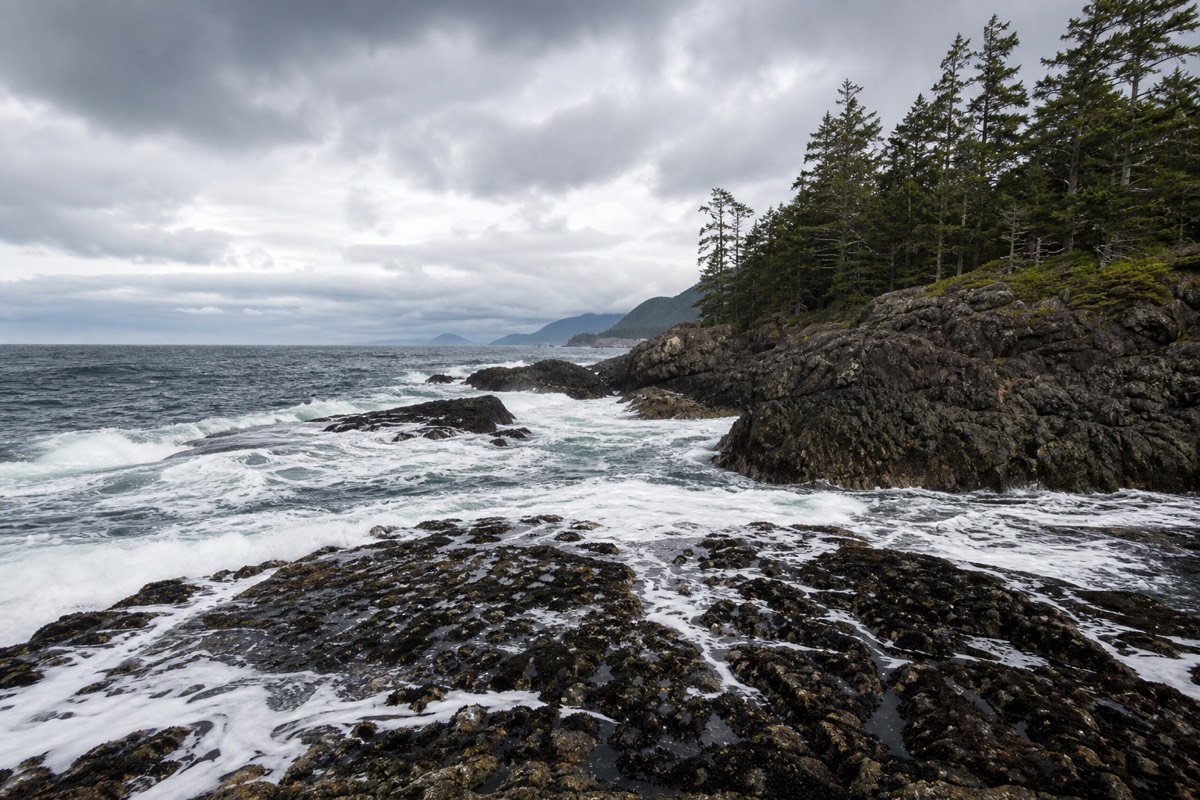
The beach scales with the child, which is what makes it work for mixed-age families. A baby is happy in a warm pool at the sand's edge while a ten-year-old is a quarter-mile out hunting moon snails, and both are within an easy walk of the same picnic blanket. In spring, the tide flats also draw thousands of migrating Brant geese along this coast, an easy bit of wildlife-watching that turns into a good story for slightly older kids. A simple rule keeps everyone happy: give the youngest the warm pools near the blanket, let the older ones range under a loose watch, and regroup for the walk back when the tide turns.
| Age | Great picks | Keep in mind |
|---|---|---|
| Toddlers, under 3 | Warm shallow pools, sand at the water's edge | Shade and a fast-moving incoming tide |
| Young kids, 3 to 8 | Crab hunts, tide pools, sandcastles | Sun protection and hydration |
| Older kids and teens | Skimboarding, long walks out, forest trails | Keep an eye on the returning tide edge |
What are the facilities, parking and camping like?
Rathtrevor is a provincial park, so day use is free, with picnic areas, washrooms and forest trails behind the beach. The campground is one of the busiest in British Columbia and books up far in advance for summer, so reserve early if you want to stay. Parking fills on hot summer days, which is a good reason to arrive in the morning.
The practicalities are easy but the popularity is real. On a July afternoon the day-use lots can be full, and the summer campground is often booked out months ahead, released on the provincial reservation calendar. If you are not camping, the town of Parksville and nearby Nanaimo have the bulk of the family accommodation, pools and restaurants. Official park details, seasonal programs and camping reservations are on the BC Parks site, and the wider visitor picture for the region is at Vancouver Island's tourism site.
The campground is an experience in itself. Sites sit under tall Douglas firs a short walk from the sand, so children can bike the loops while parents keep the beach in earshot, and summer brings ranger-led nature programs and campfire talks. Because it is so sought after, the peak-season sites open for reservation months ahead and vanish quickly, so set a reminder for the day the calendar opens if a summer stay is the plan.
| Detail | What to expect |
|---|---|
| Day-use cost | Free, no entry gate |
| Facilities | Picnic areas, washrooms, forest trails |
| Camping | Large, very popular, book far ahead for summer |
| Parking | Fills on hot summer days, arrive early |
| Shade | Little on the flats, plenty in the forest behind |
How do you avoid the crowds at Rathtrevor?
Come early or come in the shoulder season. On hot July and August afternoons the day-use parking fills and the sand near the main access gets busy, but the beach is so vast that a five-minute walk along the flats leaves most of the crowd behind. Mornings, weekdays and the quieter months of May, June and September are the easy fixes.
The scale of the place is your friend. Even on a packed summer day, the exposed flats stretch far enough that families spread out naturally, and the forested picnic areas soak up the overflow. If a parking spot is the worry, arrive before mid-morning, or base nearby and walk or cycle in. The reward for a shoulder-season visit is the beach almost to yourself, with the trade-off of cooler water that suits paddling and crab hunts more than a long swim.
What else is nearby for a family day?
Everything a family day needs sits within about half an hour. The Coombs market with its rooftop goats is ten minutes away for lunch and ice cream, Englishman River Falls offers a shaded forest cool-off, Qualicum Beach is a gentle village stroll, and Cathedral Grove's giant trees are a short drive west on Highway 4.
That clustering is the real reason to base a family day around Parksville. On a scorching afternoon you can retreat to the shade and swimming hole at Englishman River, and on a grey one you can browse the market or drive to the big trees. We lay out the whole cluster in our guide to Parksville, Coombs and the mid-island stops, map the cascades in our guide to Vancouver Island's waterfalls, and cover the ancient forest in our guide to the island's old-growth Douglas firs. Most families use nearby Nanaimo as a base for the wider spread of hotels and the ferries. That clustering means a single tank of gas and a relaxed loop can cover the beach, a waterfall, the market and the big trees in one day, with none of the long transfers the far ends of the island demand.
| Nearby stop | Allow, one way | Why it suits kids |
|---|---|---|
| Coombs Old Country Market | About 10 minutes | Rooftop goats, bakery, ice cream |
| Englishman River Falls | About 15 minutes | Shady forest walk and a swimming hole |
| Qualicum Beach village | About 12 minutes | Easy strolling, cafes, a tidy waterfront |
| Cathedral Grove | About 35 minutes | Giant trees on a short, flat loop |
When is the best time to visit Rathtrevor with kids?
July and August give the warmest water, once the sand flats have banked weeks of sun, and they are the classic family beach months. Spring is quieter and brings the Brant goose migration, while early autumn keeps decent warmth with fewer crowds. Winter is for forest walks and beachcombing, not swimming.
If the warm swim is the whole point, come in high summer and time your visit to the tide. The trade-off is crowds and full parking, so mornings are calmer. Shoulder months suit families who care more about elbow room than a long swim, and the beach is beautiful in any season for a walk, even when the water is too cool for little ones. For a month-by-month read across the island, see our planner on Vancouver Island's weather month by month.
| Season | Water | Crowds | Notes |
|---|---|---|---|
| Spring, April to June | Cool, warming | Light to moderate | Brant geese along the shore |
| Summer, July to August | Warmest for swimming | Busy | Arrive early, time the tide |
| Autumn, September to October | Cooling | Light | Quiet flats, good for walks |
| Winter, November to March | Cold | Very light | Beachcombing and forest trails |
How can a guided day fit a beach trip with kids?
A beach afternoon pairs naturally with a guided morning nearby. The central-island tour that visits Cathedral Grove, the Coombs market and the local waterfalls lands you in exactly the area around Rathtrevor, around $816 for a private small group, so check the live listing for current dates and prices.
Guided days take the driving and planning off parents, which matters most on a trip with young children. Our Cathedral Grove, Coombs and waterfalls day tour is private and capped at eight travellers, so it moves at a family's pace and strings the big trees, the goats-on-the-roof market and the falls into one loop, leaving the beach for the warm part of the afternoon. If you are combining the central island with a longer coastal trip, the two-day private tour from Vancouver to Tofino passes through this area on the way to the Pacific Rim beaches.
Families arriving from the mainland often pair the beach region with the capital and its famous garden, the most-booked route being the Vancouver to Victoria and Butchart Gardens full-day tour, which crosses the Salish Sea from around $244 with the ferry included and suits kids who like flowers and fountains. To compare the family-friendly options in one place, browse our guided island day tours, and for the wider destination picture the reference page for Vancouver Island is a useful overview.