Things to Do in Nanaimo: Old City, Islands & Harbour
Most travellers see Nanaimo only as a ferry ramp. Give it a morning and it turns into the central island's most useful base: a working harbour, a car-free island offshore, and the big trees, falls and warm beaches all a short drive away.
Turn Nanaimo’s harbour into the main event. Take a guided four-hour paddle around Saysutshun with kayaks and safety equipment included. Paddle Around Saysutshun from Nanaimo
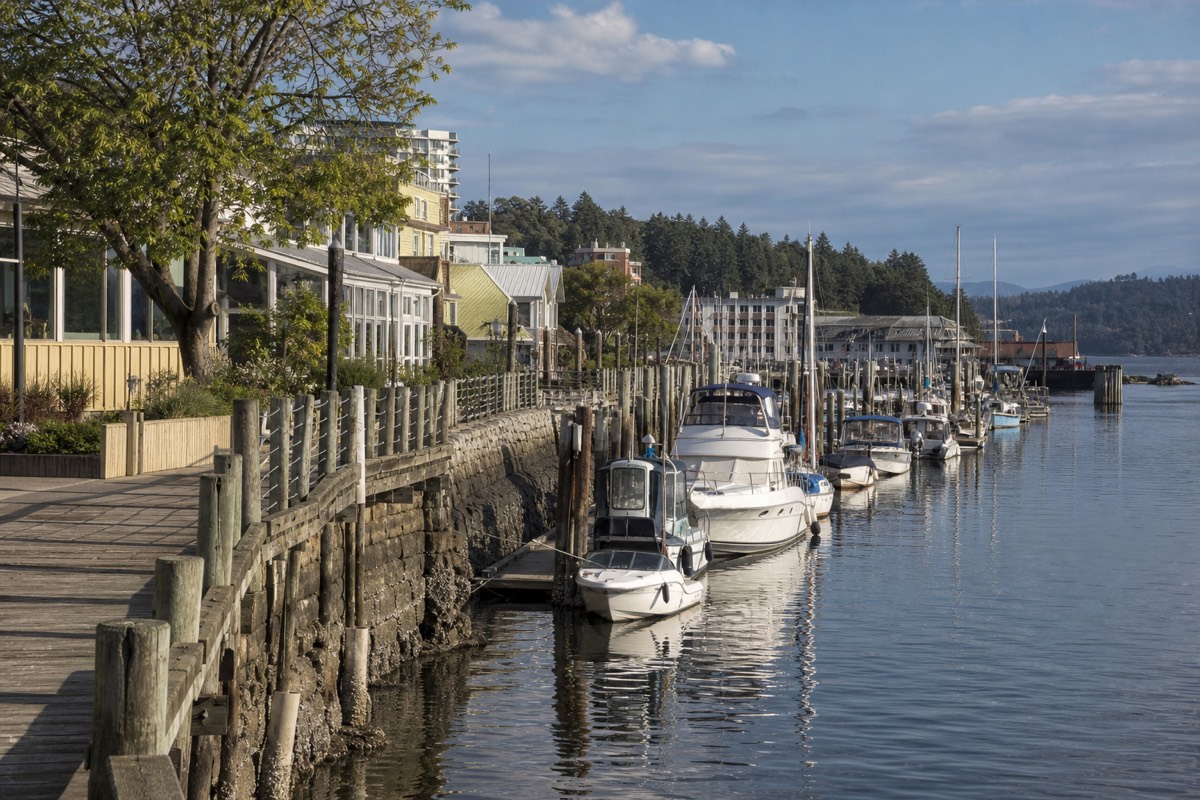
Most people treat Nanaimo as a place they pass through, a ferry ramp on the way to somewhere else. That is a habit you can break in about ten minutes on the harbourfront walkway, coffee in hand, watching a little foot-ferry chug out to a car-free island a few hundred metres offshore. The town rewards the travellers who actually stop.
Nanaimo sits on the central east coast of Vancouver Island, roughly halfway up, and that position is the whole point. It is the island's second city, a working harbour with an old quarter climbing the hill behind the docks, a scatter of small islands within sight of downtown, and a location that puts the ancient trees, the waterfalls and the warm-water beaches of the central island all within an easy drive. Here is what to do in town, and how to use it as a base for everything around it.
Drive time from Nanaimo to the central island's highlights
Times are planning allowances for driving in normal conditions, not promises; summer traffic on Highway 4 toward Cathedral Grove and Tofino can add a good deal to the longer runs.
What are the best things to do in Nanaimo?
The best of Nanaimo is its waterfront: walk the harbourfront promenade, take the short foot-ferry to car-free Newcastle Island, wander the heritage streets of the Old City Quarter, and get out on the water for kayaking or a wildlife cruise. It is also the central island's most practical base for day trips.
None of it takes a plan the size of a Tofino trip. You can fill a relaxed day inside the downtown core and never move the car, then use the next two days to reach the trees and beaches. The city works at a human scale, walkable along the water, with the ferries, the seaplane dock and the passenger fast ferry all landing within a short reach of the same harbour. Give the town a full day and it splits neatly into a waterside morning, an island afternoon, and an evening on the promenade. Give it two, and the whole central island opens up from your door.
| Thing to do | Where | Good for | Time to allow |
|---|---|---|---|
| Harbourfront walkway and waterfront park | Downtown | Easy stroll, families | 1 to 2 hours |
| Newcastle Island (Saysutshun) | Off the harbour | Trails, beaches, history | Half a day |
| Old City Quarter | Uphill from the docks | Heritage, cafes, small shops | 1 to 2 hours |
| The Bastion | Waterfront | History, a summer cannon firing | About 30 minutes |
| Sea kayaking | Harbour and islands | Active days, wildlife | 2 to 3 hours |
| Whale and wildlife cruise | From the harbour | Humpbacks, orcas, sea lions | 3 to 4 hours |
| Central-island day trips | Highways 19 and 4 | Trees, falls, beaches | Full day |
How do you get to Nanaimo, and where do the ferries land?
Two vehicle-ferry routes serve Nanaimo: Horseshoe Bay to Departure Bay in the north, and Tsawwassen to Duke Point in the south, each around one and a half to two hours of sailing. A passenger fast ferry runs from downtown Vancouver to the harbour, a seaplane lands right at the waterfront, and Nanaimo Airport takes regional flights.
The two vehicle terminals sit at opposite ends of town, which trips up first-timers. Departure Bay is a few minutes north of downtown and lands the Horseshoe Bay boats. Duke Point is south of the city and takes the Tsawwassen sailings, so check which one your booking uses before you set the navigation. Foot passengers have it easier still: the downtown-to-harbour fast ferry drops you steps from the walkway, no car needed, which pairs well with basing yourself in the walkable core. Sailing times and current schedules live on the official BC Ferries site, and if you are weighing the crossing options for the whole island, our guide to getting to Vancouver Island by ferry, seaplane and flight lays them side by side.
| Route | Type | Lands at | Allow |
|---|---|---|---|
| Horseshoe Bay to Departure Bay | Vehicle ferry | North Nanaimo | About 1 hr 40 min sailing |
| Tsawwassen to Duke Point | Vehicle ferry | South Nanaimo | About 2 hr sailing |
| Downtown Vancouver to Nanaimo | Passenger fast ferry | Nanaimo harbour | A little over an hour |
| Vancouver Harbour to Nanaimo Harbour | Seaplane | Downtown waterfront | Well under an hour |
| Fly to Nanaimo Airport (YCD) | Regional flights | South of the city | Varies by origin |
What is there to do in Nanaimo's Old City Quarter and downtown?
The Old City Quarter is Nanaimo's heritage heart, a compact grid of restored brick and clapboard buildings on the slope above the harbour, filled with cafes, galleries and independent shops. Down at the water, the promenade links a waterfront park and lagoon with the Bastion, a wooden Hudson's Bay Company tower from the 1850s.
Start low and walk up. The harbourfront walkway runs along the docks past a waterfront park with a protected swimming lagoon, a good place to let kids off the leash while the seaplanes come and go. From there the streets climb into the Old City Quarter, where the buildings date to the coal-mining decades that built the town, and the pace slows to browsing speed. The Bastion, right on the waterfront, is one of the oldest structures of its kind still standing on its original site in North America, and in summer a costumed crew fires the cannon at noon.
The waterfront is the town's living room. Floatplanes taxi in and out beside the docks, a small museum up the hill tells the coal-mining and First Nations history in more depth, and on warm evenings the promenade fills with locals walking off dinner as the light goes long across the harbour. It is an unforced kind of charm, a working town rather than a polished resort, and much of the appeal is exactly that lack of gloss.
Nanaimo sits on the traditional territory of the Snuneymuxw people, and the city's name comes from the Snuneymuxw word for the villages that stood around this harbour long before the coal ships arrived. That history is woven through the waterfront rather than tucked into a single museum, and the interpretive signs along the walkway are worth slowing down for. For a broader sense of how the island fits together, the visitor-facing overview at Vancouver Island's tourism site is a useful starting frame.
Which islands can you reach from Nanaimo's harbour?
Three islands sit within reach of downtown. Newcastle Island, or Saysutshun, is a car-free provincial park a short foot-ferry ride offshore, with trails, beaches and old quarry history. Protection Island is a tiny residential hop across the harbour known for its floating pub. Gabriola, a full Gulf Island, is a twenty-minute vehicle ferry away.
Newcastle Island is the one most visitors underrate. There are no cars, just a network of easy shoreline trails, sandstone bluffs, pocket beaches and the remains of an old sandstone quarry and a herring saltery, all on a loop you can walk in a few hours. Bring a picnic and you have a half-day that costs nothing but the little ferry fare. Gabriola, by contrast, is a place to spend a whole day: an artists' island with galleries, walking trails and the wave-carved sandstone galleries along its shore. The provincial parks system keeps the on-the-ground details at BC Parks.
Protection Island is the small, offbeat option. A tiny passenger ferry shuttles across the harbour to a car-free community of narrow lanes and cottage gardens, where the draw is a floating pub moored at the dock and the slow pace of a place where golf carts outnumber cars. The crossing takes barely ten minutes, which makes it an easy add to a harbour afternoon rather than a day of its own.
| Island | Getting there | What it is for | Note |
|---|---|---|---|
| Newcastle Island (Saysutshun) | Short foot-ferry from the harbour | Car-free trails, beaches, quarry history | Day use plus walk-in camping |
| Protection Island | Little foot-ferry across the harbour | Quiet lanes and a floating pub | Tiny residential island |
| Gabriola Island | Vehicle ferry, about 20 minutes | Galleries, sandstone formations, trails | A full-day Gulf Island escape |
What can you do on the water in Nanaimo?
Nanaimo is a genuine on-the-water town. You can paddle a kayak among the harbour islands, join a wildlife cruise for humpbacks and orcas that show strongly here through much of the year, dive cold-water wrecks on artificial reefs offshore, or run a fishing charter for salmon in summer.
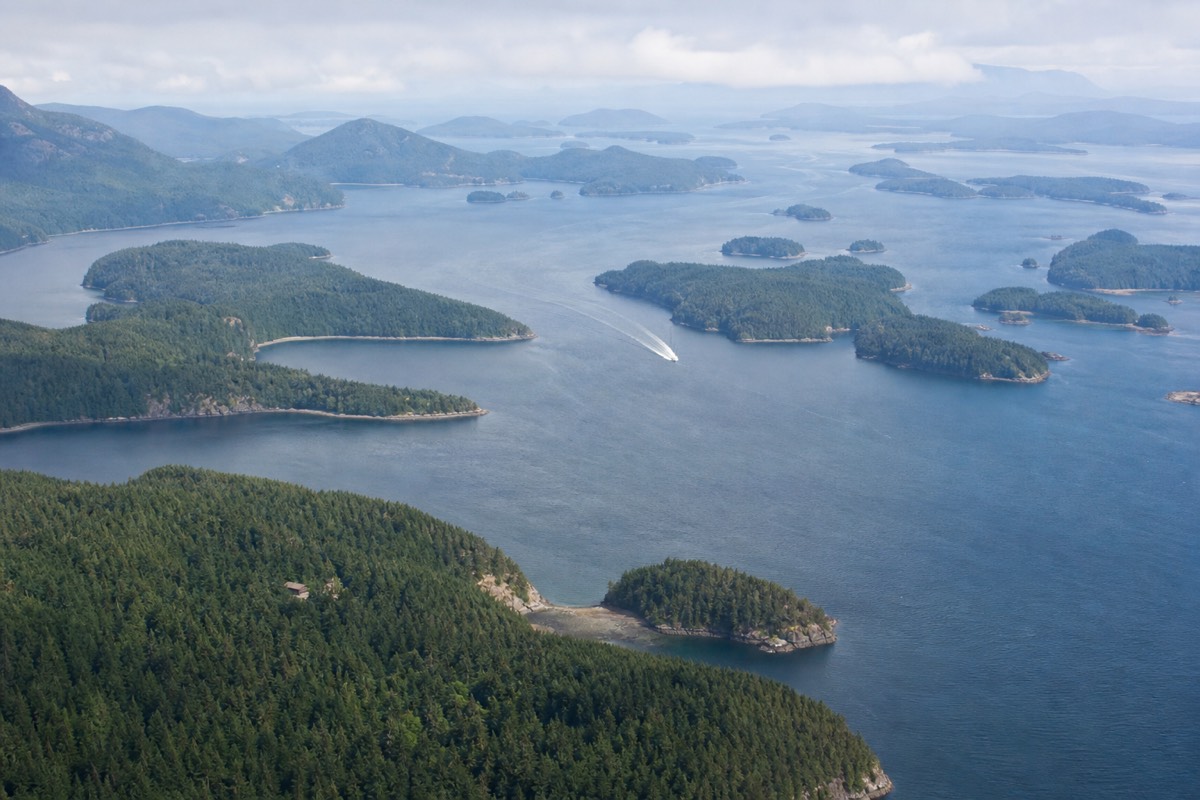
The sheltered harbour makes kayaking approachable even for beginners, with seals hauled out on the rocks and eagles working the shoreline. Whale watching runs from here too: the central island's waters produce dependable humpback and orca sightings, and a cruise from Nanaimo covers different ground than the busier Victoria departures. Underwater, the cold, clear water off the city has made it one of the better-known scuba destinations on the coast, with sunken vessels turned into artificial reefs that draw certified divers year-round. And every summer the town leans into its odd claim to fame, a championship bathtub race that sends motorised tubs churning out of the harbour and across the strait. The whale watching here carries its own advantage: the boats work feeding grounds that the busier southern departures do not, so a Nanaimo cruise often feels less crowded on the water while still turning up humpbacks and orcas.
| On the water | What you will see or do | Season | Who it suits |
|---|---|---|---|
| Harbour and island kayaking | Shoreline, seals, eagles | Spring to fall | Most people, beginners welcome |
| Whale and wildlife cruise | Humpbacks, orcas, sea lions | Strong through much of the year | Families and wildlife fans |
| Cold-water wreck diving | Artificial-reef wrecks | Year-round | Certified divers |
| Fishing charter | Salmon and bottom fish | Mainly summer | Anglers |
What outdoor adventures are near Nanaimo?
For active travellers, Nanaimo backs onto real adventure. You can take a bungee jump from a bridge over the Nanaimo River, one of the original such jumps in Canada, ride zip-lines through the river canyon, hike Mount Benson for sweeping views over the city and the Salish Sea, or explore a growing network of mountain-bike trails in the forest above town.
The town sits at the edge of the forested hills that run up the island's spine, so trailheads are close. Mount Benson is the local classic, a steady climb to a summit that looks out over Nanaimo, the Gulf Islands and the mainland peaks on a clear day. Closer in, the short hike to Ammonite Falls threads through second-growth forest to a broad cascade, and the river canyon south of town is where the bungee and zip-line circuits run. It is an easy place to pair a lazy harbour morning with a heart-rate afternoon, which is part of why it suits families with restless teenagers as well as couples after a quiet stroll.
Is Nanaimo a good base for day trips on the central island?
Yes, and this is the strongest reason to stay. From Nanaimo the Coombs market is about half an hour west, the warm sand of Rathtrevor Beach is a similar hop north, the central waterfalls sit within forty-five minutes, and Cathedral Grove's ancient firs are around an hour along Highway 4. Even Tofino and Victoria are day-trip distance.
The geography is what makes the town punch above its weight. Sitting mid-island, you are never far from the marquee stops, and you can build days in almost any direction. West on Highway 4 takes you to the goats grazing on the grass roof at the Coombs market, then on to the big trees, which we cover in our guide to the island's old-growth forests and Cathedral Grove. A short run north reaches the beach towns, laid out in detail in our guide to Parksville, Coombs and the mid-island stops. Families tend to point straight at the warm shallows we describe in the guide to Rathtrevor Beach with kids, and the twin falls nearby are mapped in our roundup of Vancouver Island's waterfalls.
| Day trip | Allow, one way | Highlight |
|---|---|---|
| Coombs Old Country Market | About 25 to 30 minutes | Goats grazing on the grass roof |
| Parksville and Rathtrevor Beach | About 25 to 30 minutes | Warm-water sand flats at low tide |
| Englishman River and Little Qualicum falls | About 30 to 45 minutes | Two waterfall stops in one loop |
| Cathedral Grove | About 1 hour | Douglas firs past 800 years old |
| Qualicum Beach | About 35 minutes | A tidy seaside village |
| Tofino and Pacific Rim | About 2.5 to 3 hours | Surf, rainforest and long beaches |
| Victoria | About 1.5 hours | The capital, culture and gardens |
The real luxury of a central base is optionality. Wake up, read the sky, and point the car at the coast, the forest or the beach without a two-hour transfer eating the morning. That flexibility is why so many island road trips use Nanaimo as their hinge, spending a night here between the south and the west coast rather than doubling back.
Is Nanaimo a good base compared with Victoria and Tofino?
It depends on what you want. Victoria is the pick for first-timers who want gardens, culture and easy sightseeing. Tofino is for surf, storms and rainforest, at a price and a distance. Nanaimo is the value option in the middle: fewer marquee sights in town, but the best launchpad for reaching the whole central island cheaply.
Think of it as trading headline attractions for range. Victoria has the Inner Harbour and Butchart Gardens on its doorstep, and Tofino has the open Pacific, but each anchors you at one end of a long island. Nanaimo keeps you central, close to the ferries and to a spread of trees, falls and beaches, which suits road-trippers and budget-minded families more than it suits someone who wants to walk out of the hotel into a famous streetscape. Plenty of visitors split the difference, sleeping a night or two in Nanaimo to cover the central island and pairing it with a couple of nights at one of the ends. If you are still choosing where to sleep, our piece on where to base yourself on Vancouver Island weighs each option in more depth.
| Base | Best for | Trade-off |
|---|---|---|
| Victoria | First-timers, gardens, culture | South end, a long way from the west coast |
| Nanaimo | Central day trips, budget, ferries | Fewer headline sights in town itself |
| Tofino | Surf, storms, rainforest, wildlife | Remote, pricier, a long drive in |
What food is Nanaimo known for?
Nanaimo lent its name to one of Canada's most famous desserts. The Nanaimo bar is a no-bake three-layer square with a chocolate-and-coconut crumb base, a custard-cream middle and a chocolate top, and the city celebrates it with a self-guided trail of cafes and bakeries putting their own spin on the classic.
You do not have to hunt hard for one. Bakeries and coffee shops across town keep them in the case, and the trail turns the search into a light-hearted way to wander the neighbourhoods, from deep-fried versions to boozy ones. Beyond the bar, the harbourfront and Old City Quarter carry the kind of casual seafood, brewpubs and farm-driven kitchens you would expect of a working coastal town, without the price step-up of the resort destinations. Eat where the locals queue and you will do well. The weekly farmers' market and a small cluster of craft breweries are both worth a look, and the harbourside is the natural spot for fish and chips eaten while the boats come in.
When is the best time to visit Nanaimo?
Late spring through early autumn is the sweet spot. May, June and September bring mild, mostly dry weather, longer days and thinner crowds than the July and August peak. Summer is warmest and best for beaches and festivals but fills the ferries, while winter is quiet, cosy and green, with the drama saved for the storm-watching coast out west.
Nanaimo's weather is milder and drier than the exposed west coast, which is part of why the central island works so well as a base. The shoulder months give you comfortable days for walking the harbour, paddling and driving to the trees without the summer rush. If a warm beach day is the goal, aim for July or August when the sand flats at Rathtrevor have had the season to heat up. For a month-by-month read across the whole island, see our planner on Vancouver Island's weather month by month.
| Season | Conditions | Crowds | Notes |
|---|---|---|---|
| Spring, April to June | Mild, greening, some rain | Light to moderate | Great balance, waterfalls running full |
| Summer, July to August | Warm, dry, long days | Busy | Best for beaches and festivals, book ferries ahead |
| Autumn, September to October | Cool, often clear | Light | Quiet and good for wildlife |
| Winter, November to March | Wet, mild, short days | Very light | Cosy town, the storms are out on the west coast |
How can you see Nanaimo and the central island on a guided tour?
The easiest way to reach the central island's big trees, falls and market without driving yourself is a guided day out of the region. A private full-day tour visits Cathedral Grove alongside Englishman River Falls, Little Qualicum Falls and the Coombs market, around $816 for a small group, so check the live listing for current dates and prices.
Going guided removes the two things travellers find hardest here: the summer parking crush at Cathedral Grove and the sense of rushing a place you drove to reach. Our Cathedral Grove, Coombs and waterfalls day tour is private and capped at eight, so it never feels like a coach herd, and it strings the central-island highlights into one unhurried loop. If you would rather see the trees as one stop on a longer coastal run, the two-day private tour from Vancouver to Tofino walks the giants at Cathedral Grove on the way to the Pacific Rim beaches.
Nanaimo also makes a natural halfway point on the classic mainland day trip south. The most-booked option, the Vancouver to Victoria and Butchart Gardens full-day tour, crosses the Salish Sea from around $244 with the ferry included, a good pairing if the capital and its famous garden are on your list too. To compare the full range of guided day tours that reach the central island's trees, coast and towns, start from the home page, and if you are mapping a bigger loop, our guide to Vancouver Island road trips and scenic drives shows how Nanaimo threads the whole thing together.