Vancouver Island Weather Month by Month
Locals will tell you the island makes its own weather, sometimes several kinds in one afternoon. Here is what each month actually brings, from the wet, wild winters of the west coast to the mild, bright shoulder seasons that reward planners.
Let your month choose the experience. Compare covered wildlife viewing, garden transport and west-coast outings against your dates. Check covered Victoria wildlife cruise dates
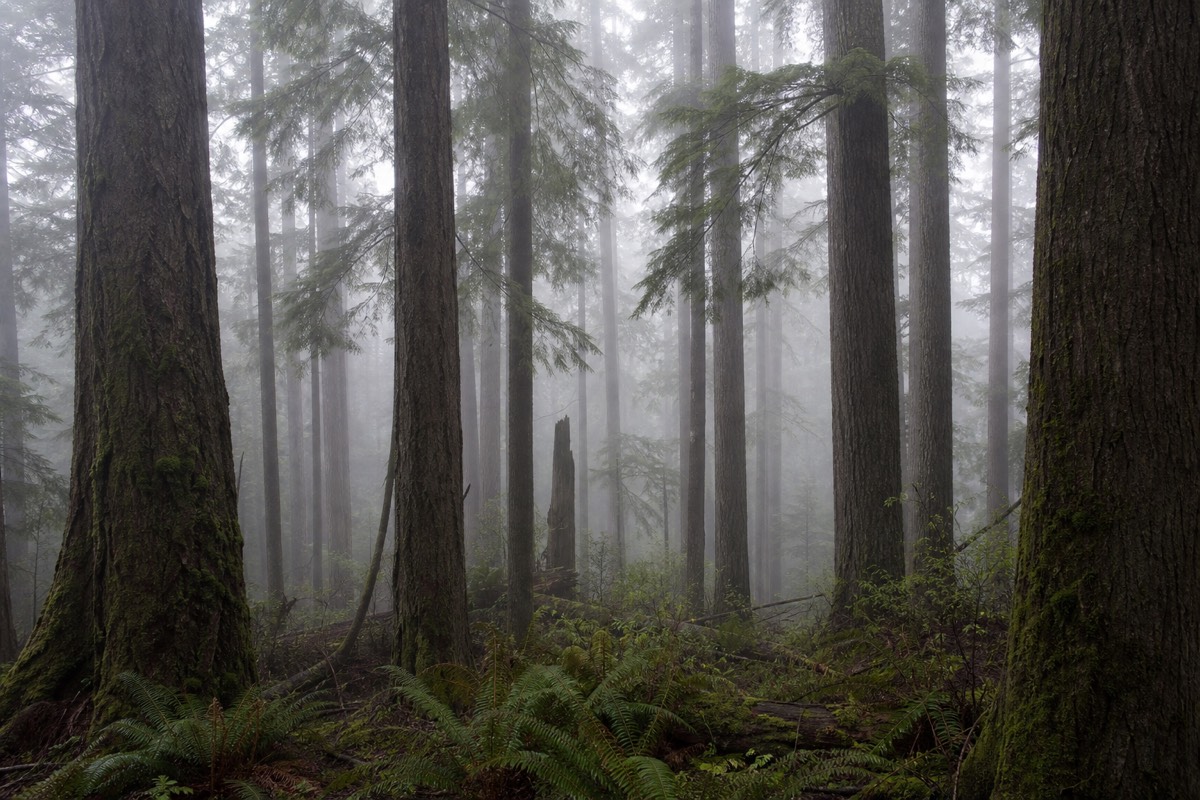
Ask ten Vancouver Island locals about the weather and you will get one answer over and over: dress in layers and carry something waterproof. The island sits in the path of Pacific weather systems, and even a bright morning can turn windy, cool, or wet by afternoon. That changeability is not a flaw in the forecast so much as the defining feature of a temperate rainforest coast, and once you plan around it, the weather stops being a gamble and starts being predictable in its own way.
The other thing worth understanding early is that the island has two climates, not one. The sheltered east coast around Victoria is among the mildest and driest corners of Canada, while the exposed west coast at Tofino takes the full force of the open Pacific and its winter storms. A month that is calm and bright in Victoria can be grey and streaming in Tofino, and that split is exactly what makes each end of the island worth visiting at different times of year.
Quick answer: May, June, and September are the best months overall, with mild days in the range of 15 to 22 degrees Celsius, longer light, blooming gardens or autumn salmon runs, and fewer crowds. July and August are the warmest and driest but also the busiest and priciest. November through February is the wettest stretch and the prime storm-watching season on the west coast, quiet everywhere else. The east coast is drier than the west in every month, so pick your timing around what you most want to do.
When to visit, month by month
Our month-by-month verdict on when to visit, weighing weather, wildlife, and crowds. The shoulder months come out on top.
What is the weather like on Vancouver Island?
Vancouver Island has a mild, wet oceanic climate with cool, rainy winters and warm, comparatively dry summers. Temperatures rarely swing to extremes, and the coast seldom freezes hard, but rain is a constant possibility outside high summer, and the west coast is far wetter than the east. The single most useful rule is to travel in layers with a waterproof shell, whatever the month.
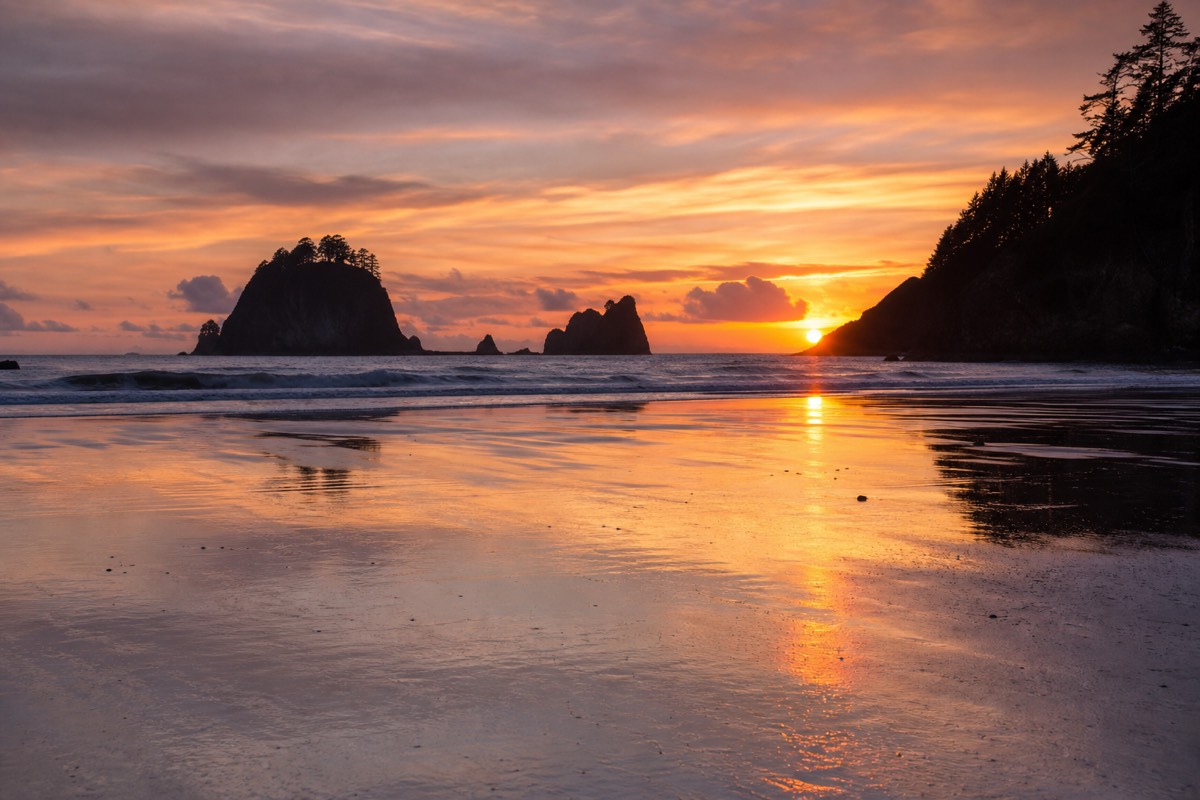
Summers are the reliable stretch. From roughly July into September the systems ease off, the days are long, and stretches of dry, bright weather settle in, with comfortable daytime temperatures that make the beaches, gardens, and trails their best. Winter is the mirror image: shorter days, frequent rain, and, on the west coast, the storms that draw a certain kind of visitor precisely because they are dramatic. Spring and autumn sit in between, milder and quieter, which is why so many seasoned visitors aim for them.
None of this should put you off travelling outside summer. A wet island is a green island, and the rainforest, the waterfalls, and the moss-hung old growth are at their most alive when the rain is doing its work. It simply means the packing list matters. If you are still settling on dates, our companion piece on the best month to visit weighs the trade-offs season by season, and this guide fills in the month-level detail behind it.
Fog is the other coastal quirk worth expecting, especially on summer mornings along the water, when a marine layer can grey out an otherwise fine day before it burns off by mid-morning. It is part of why floatplane schedules can shift and why a dawn whale watching departure occasionally waits for visibility. None of it lasts long in the warm months, but it rewards a flexible morning and a patient attitude, and the light when the fog lifts off the Salish Sea is worth the wait.
What is the weather like on Vancouver Island month by month?
The year breaks into three moods: a wet, quiet winter from November to February, a mild and increasingly bright shoulder in spring and autumn, and a warm, dry, busy peak in July and August. Each month has its own draw, whether that is the spring bloom, the summer whale season, the autumn salmon runs, or the winter storms, and the table below sets them side by side.
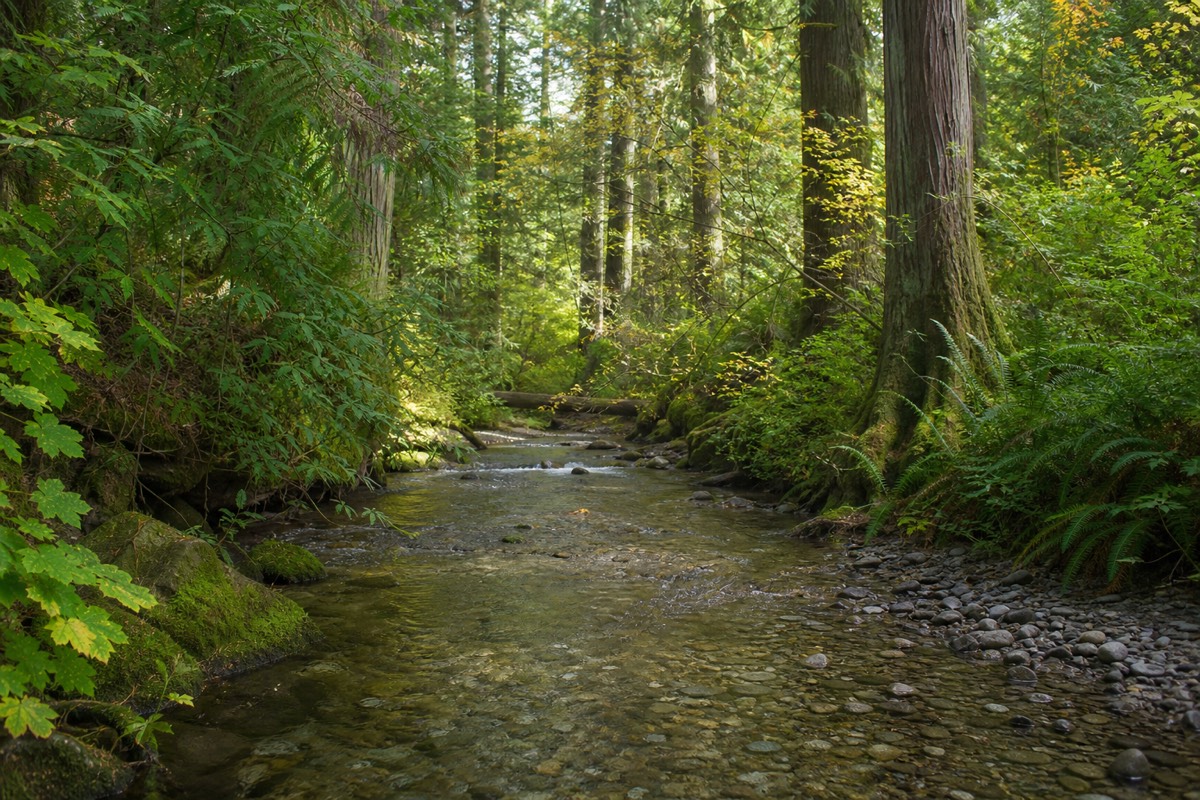
Read the temperatures as broad bands rather than promises, since the coast varies day to day and the two sides of the island can differ sharply on the same date. The verdicts are our planning steer, weighted for the mix of weather, wildlife, and crowds that most visitors care about.
| Month | Feel | Rain | Crowds | Wildlife and what is on | Our take |
|---|---|---|---|---|---|
| January | Cool and damp, rarely freezing at the coast | High | Low | Resident orcas, big surf and storms on the west coast | Storm watching and a quiet island |
| February | Cool and damp | High | Low | Peak storm season in Tofino, first hints of spring | Best value, wettest weather |
| March | Cool, easing | Moderate to high | Low | Gray whale migration begins off the west coast | Spring stirring, still quiet |
| April | Mild | Moderate | Building | Tulips and cherry blossom begin at Butchart Gardens, gray whales | Gardens waking up |
| May | Mild, around 15 to 22 degrees | Lower | Moderate | Gray whales, orcas starting, wildflowers, peak garden bloom | Excellent balance |
| June | Mild to warm, 15 to 22 degrees | Low | Busier | Orcas building, long days, gardens at their fullest | A top pick |
| July | Warm | Lowest | Peak | Peak orcas and humpbacks, Saturday fireworks at Butchart | Warmest and busiest |
| August | Warm | Lowest | Peak | Peak whale season, beach weather, fireworks continue | Great weather, biggest crowds |
| September | Mild, some rain later in the month | Low to moderate | Easing | Humpbacks, salmon runs drawing bears, autumn colour | The connoisseur's month |
| October | Cool | Rising | Low to moderate | Late whales, autumn foliage at Butchart | Quietening, still rewarding |
| November | Cool and wet | High | Low | Storm season opens on the west coast | Storms and solitude |
| December | Cool and wet | High | Low | Storm watching, Christmas lights at Butchart Gardens | Festive and cosy |
The seasons condense into four clear characters, which is often the easier way to plan. The summary below captures the trade each one asks you to make between weather, wildlife, and how many other people share the trails.
| Season | Weather | Wildlife highlight | Crowds | Best for |
|---|---|---|---|---|
| Spring, March to May | Mild, drying out | Gray whales and garden bloom | Building | Flowers, first whales, fewer people |
| Summer, June to August | Warm and dry | Peak orcas and humpbacks | Highest | Beaches, long days, reliable weather |
| Autumn, September to October | Mild, then cooling | Salmon runs, bears, humpbacks | Easing | Wildlife, colour, comfortable hiking |
| Winter, November to February | Cool and wet | Storms and resident orcas | Lowest | Storm watching, quiet, low prices |
One pattern runs through the whole calendar: the island rewards the shoulders. The weeks on either side of high summer hand you most of the good weather with a fraction of the crowds, the wildlife is often at its most active, and rooms and tours cost less and open up more readily. If your dates are flexible at all, nudging them toward late May, June, or September tends to improve the trip on almost every measure that matters.
When is the best time to visit Vancouver Island?
May and June or September give the best balance overall: mild weather in the 15 to 22 degree range, longer days, strong wildlife, blooming or turning landscapes, and noticeably fewer visitors than the July and August peak. Choose high summer if warm, dry beach weather is the priority, and winter if you specifically want storms or a quiet island at low-season prices.
The case for the shoulder months is simple. In May and June the gardens hit peak bloom, the gray whale migration is still active off the west coast, the orcas are arriving, and you are competing with far fewer people for morning whale watching slots and Tofino rooms. September flips the wildlife script in its favour: humpback activity stays strong, the salmon runs draw coastal black bears to the shoreline, and the autumn light on the forests and beaches is exceptional. Our deeper look at choosing the right month makes the full argument.
Match the timing to the thing you most want to do and the decision gets easier still. The table below lines up the island's headline activities with the window that suits each one, and the second table shows how crowds and prices move through the year, since the two are tightly linked.
| Activity | Best window |
|---|---|
| Whale watching | May to October, peak June to September |
| Butchart Gardens bloom | April to June for tulips and blossom, July to August for fireworks, September to October for foliage |
| Storm watching in Tofino | November to February |
| Bear watching | Spring and autumn, best during the September to October salmon runs |
| Hiking and beaches | May to September |
| Fewest crowds | May to early June, and September to October |
| Period | Crowds | Prices | Booking pressure |
|---|---|---|---|
| July to August | Highest | Highest | Book weeks ahead for tours and ferries |
| May to June, September | Moderate | Moderate | Book a week or two ahead |
| April and October | Low to moderate | Lower | Usually flexible |
| November to March | Lowest | Lowest | Fewest departures, but easy to book |
Whichever month you land on, the wildlife trips are the ones to reserve early, because the boats are small and the best departures fill first. Our overview of whale watching around the island covers where and when sightings are most reliable, and success rates run remarkably high, above ninety percent, from May through October.
Prices track the crowds closely, so the same tour can feel like better value in the shoulder months even before you factor in the shorter queues. Summer is when the island's best experiences run at capacity, with fixed group sizes and fixed departures, so a confirmed booking matters most from June through August. In the quieter months you gain flexibility and lose only a handful of departures, mainly on the west-coast boats that scale back for winter.
When is the rainy season, and does it matter?
The wettest months are November through February, and they matter most on the west coast, where the rain arrives with wind and big Pacific swells. Far from being a washout, that stretch is the island's celebrated storm-watching season, when Tofino and Ucluelet fill with people who come specifically to watch the ocean throw itself at the shore from behind warm windows.
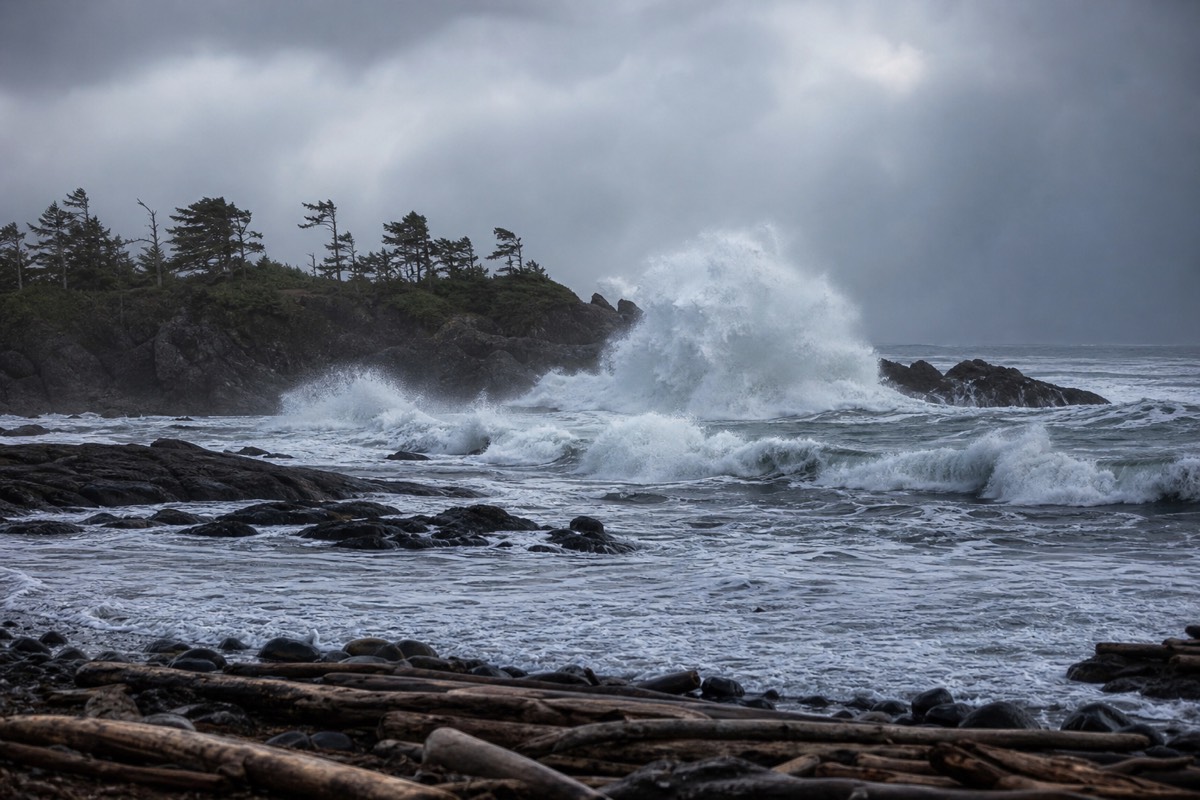
Rain is possible in any month here, which is why the packing advice never changes, but the volume is seasonal and lopsided. Victoria and the sheltered southeast stay comparatively dry and mild even in winter, while the exposed west coast can see dramatic rainfall totals over the same weeks. If a grey forecast worries you, weight your trip toward the south in the wetter months and save the west coast for late spring through early autumn, or lean into the drama and go west on purpose.
Storm watching has become a genuine reason to visit in the low season, and it is a very different experience from a summer beach day. Our guide to Tofino storm watching explains when the biggest systems tend to roll in and how to see them safely and comfortably. Even in the wet months the rainforest around Tofino is worth walking, and an active outing like the guided bike and hike along the wild coast works well on the bright, blustery days that punctuate the storms; our fuller rundown of things to do in Tofino has more for a rainy-season trip.
There is a mindset shift that makes a wet-season trip work. Once you accept that you will get rained on and dress for it, the weather stops dictating the day, and the payoffs are real: empty beaches, cheaper rooms, the forest at its greenest, and waterfalls running hard. Plan a few indoor anchors around the showers, a long lunch, a gallery, a coffee while a squall passes, and keep the outdoor plans loose. The island in the rain is not a consolation prize; for some travellers it is the version they come back for.
How does the weather differ between Victoria and Tofino?
Victoria, on the sheltered east coast, is milder, drier, and calmer year-round, while Tofino, on the exposed west coast, is wetter, windier, and far more dramatic, especially in winter. The same day can be bright in Victoria and streaming in Tofino. Plan the south for reliable mild weather and the west for rainforest, surf, and storms, and time each accordingly.
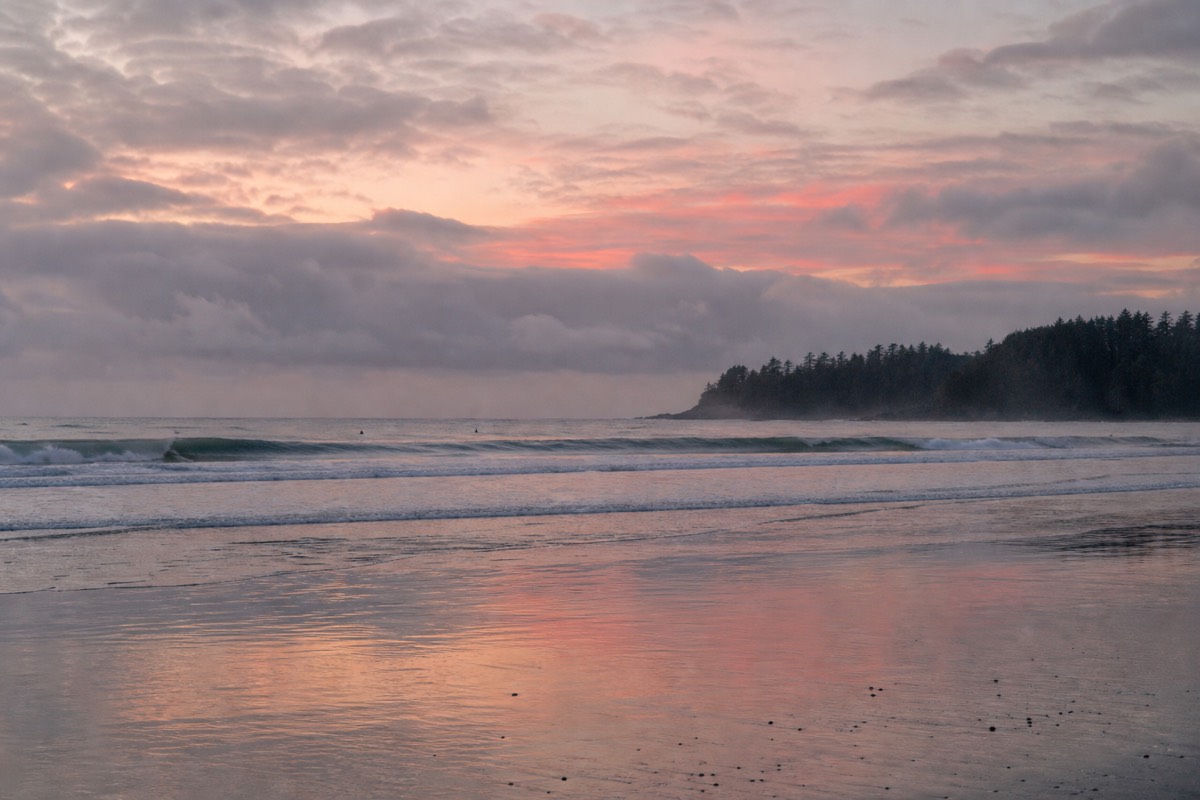
The difference comes down to geography. Victoria sits in a rain shadow, tucked behind the island's mountains and the Olympic range across the strait, which keeps it among the sunniest and driest places in the region. Tofino faces the open ocean with nothing to slow the incoming systems, so it gathers the rain, the wind, and the swell that make its rainforest lush and its winters spectacular. Neither is better; they are two different holidays that happen to share an island.
That split is worth building into any itinerary that covers both ends. A summer trip can enjoy both coasts at their best, while a winter trip is happier weighting time toward Victoria unless storms are the point. For a Victoria-focused visit, our guide to what to do in the capital pairs well with the drier months, and if you are trying to fit both coasts into limited time, see how the days lay out in our island itineraries.
| Aspect | Victoria, east coast | Tofino, west coast |
|---|---|---|
| Rainfall | Comparatively low, rain-shadow | High, one of the wetter coasts in Canada |
| Summer feel | Warm, dry, bright | Mild, often cool and misty mornings |
| Winter feel | Cool and damp, rarely severe | Wet, windy, big storms |
| Winter draw | A quiet, walkable city | Storm watching and empty beaches |
| Exposure | Sheltered | Fully open to the Pacific |
What wildlife can you see by season?
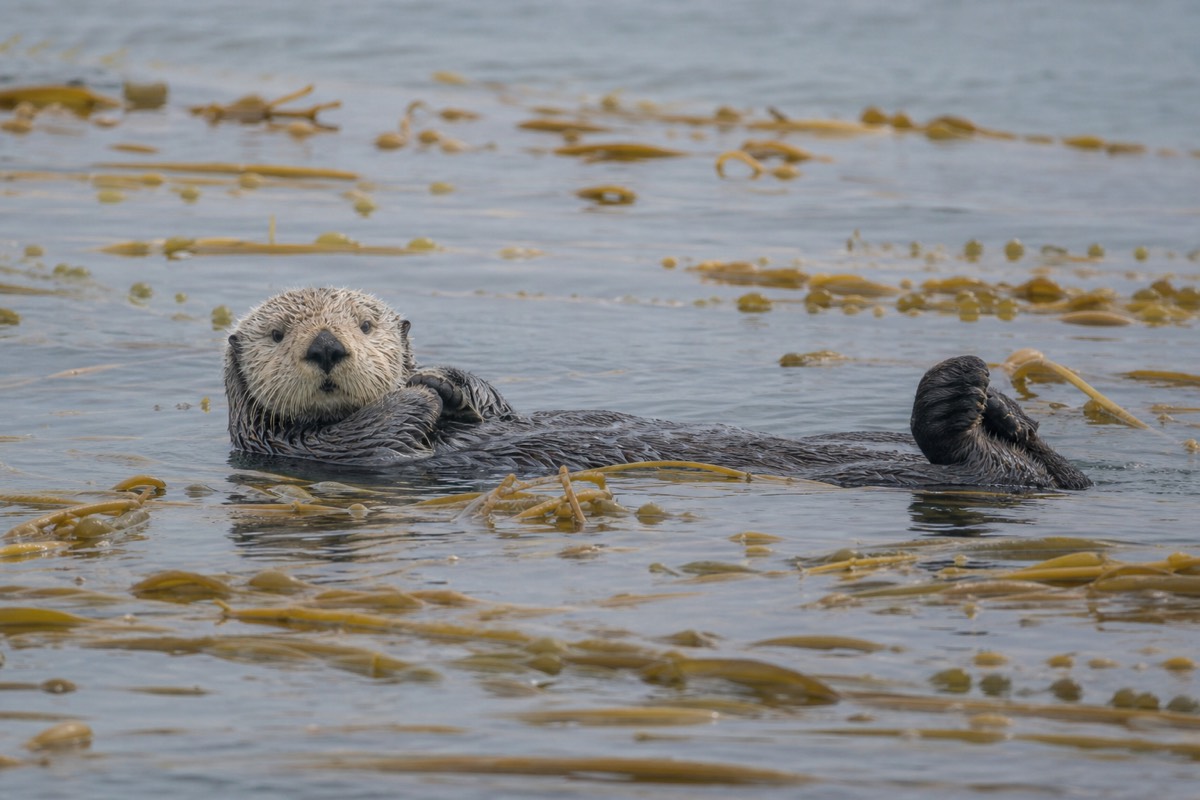
The island's wildlife runs on a calendar. Gray whales migrate past the west coast in spring, orcas and humpbacks peak from June through September, coastal black bears are most active in spring and again during the autumn salmon runs, and bald eagles are present year-round, gathering wherever the salmon do. Timing your visit to a species is one of the best reasons to pick a particular month.
Whale watching is the headline, and its window is generous. Reputable operators report sightings above ninety percent from May through October, with orca and humpback activity at its height in the summer months. The seaplane and whale watching day trip is a popular way to combine the crossing with a search of the Salish Sea, and the seaplane and whale watching adventure runs through the prime season, so check the live listing for the dates you want.
Bears follow the food. Spring brings them to the shoreline to forage at low tide, and autumn concentrates them on the salmon streams, which is why September and October are the standout bear months in Clayoquot Sound and beyond. The calendar below is a planning guide rather than a guarantee, since wildlife keeps its own schedule, but it reflects when each species is most reliably around.
| Species | Best season |
|---|---|
| Gray whales | March to May, migration off the west coast |
| Orcas | May to October, peak June to September |
| Humpback whales | May to October, strong into September |
| Coastal black bears | Spring, and September to October salmon runs |
| Salmon runs | Late summer into autumn |
| Bald eagles | Year-round, concentrated at salmon runs |
Tide pools deserve a mention alongside the big animals, since they need no season and no boat. The rocky shorelines and low tides along both coasts reveal sea stars, anemones, crabs, and the small drama of the intertidal zone, and they are one of the easiest and most reliable wildlife experiences on the island for families. Check a tide table, go out on a good low, and the shore does the rest.
What should you pack for Vancouver Island weather?
Pack for wind, rain, and temperature swings whatever the season. The essentials are comfortable walking shoes with grip, layered clothing built around a waterproof and windproof jacket, and a warm layer for boat tours and cool mornings. Add sun protection and binoculars in summer, and heavier waterproofs for a winter west-coast trip. Overpacking slightly beats being cold and wet.
The logic is the same across the calendar, just dialled up or down. In summer you are guarding against cool mornings, breezy boat decks, and the occasional shower on an otherwise bright day, so a fleece and a packable shell over a t-shirt usually covers it. In winter, and any time you are heading to the west coast, the waterproofs move from backup to front line, and a warm hat and gloves earn their place. Cotton jeans are the one thing to leave behind, since they hold the damp; quick-dry layers are far happier here.
The checklist below distils what our team tells travellers most often. It works for a guided day like the Victoria and Butchart Gardens tour, where you are on your feet in the gardens and on an open ferry deck, just as well as for a rainforest walk. If you are still shaping the trip around the seasons, our look at how many days you need and the full range of guided island trips will help you fit the weather to your plans.
| What to bring | Why |
|---|---|
| Waterproof and windproof jacket | Rain and wind are possible in any month, essential on the west coast |
| Layers, t-shirt plus fleece or hoodie | Temperatures swing through the day and between coasts |
| Comfortable walking shoes with grip | Trails, beaches, and gardens all involve time on your feet |
| Warm hat and light gloves | Boat decks and early mornings run cold, even in summer |
| Hat, sunglasses, and sunscreen | Summer days are bright and long |
| Binoculars | Highly recommended for whale and wildlife watching |
| Motion sickness remedy | Useful if you are prone to seasickness on cruises |
Treat the weather here as part of the character rather than an obstacle, and the island opens up in every season. The bright shoulder months reward the planner, high summer delivers the reliable warmth, and even the wettest weeks have their own draw on the storm coast. For destination background as you plan, the regional resource at Vancouver Island Travel is a useful starting point, the bloom calendar at Butchart Gardens tracks what is flowering when, and the wider climate picture of the island itself puts the two coasts in context. Pack the layers, keep the shell handy, and let the forecast be what it will.