Vancouver Island Itineraries: 3, 5, 7 and 10 Days
How to shape a trip around Victoria, Tofino, and the road between them. Four ready day-by-day plans, from a quick southern loop to a slow ten-day sweep of the whole island.
Choose a realistic route for your available days. A half-day Victoria wildlife cruise fits every itinerary length. Check Victoria whale watching dates
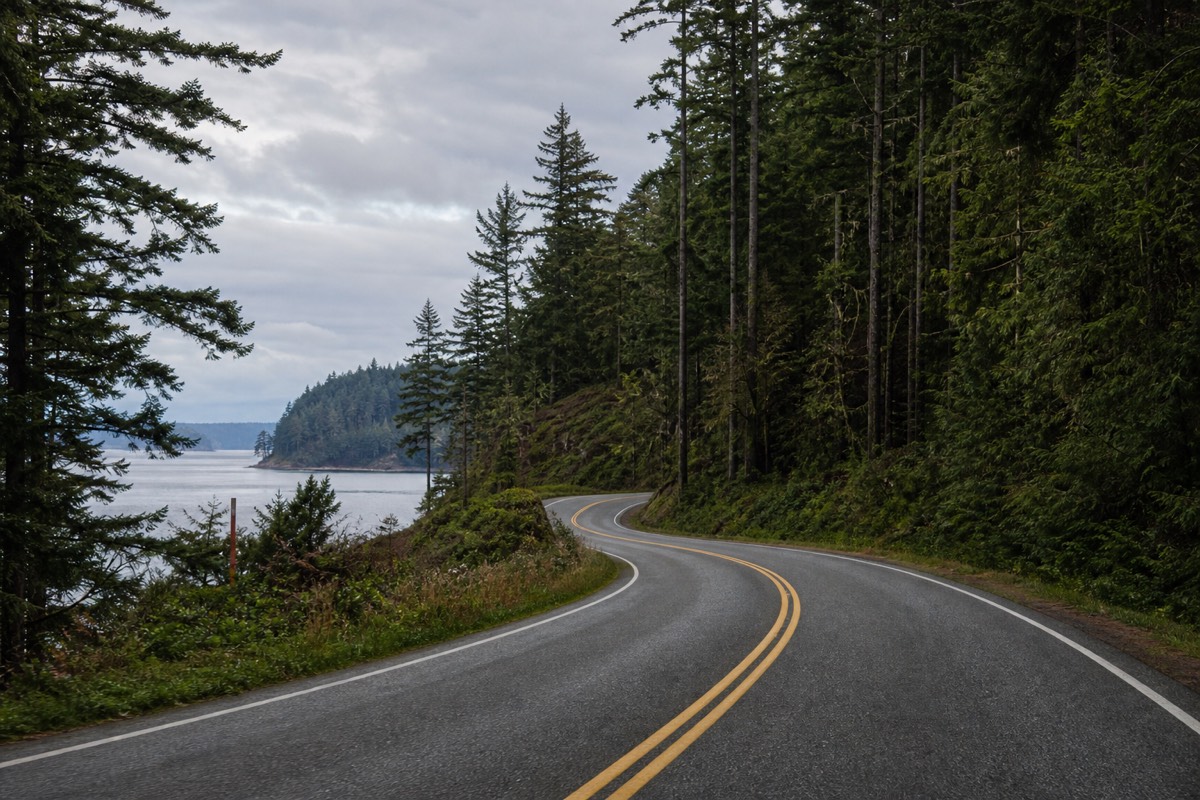
Vancouver Island looks compact on a map and behaves large on the ground. It runs about 460 kilometres along the Pacific coast, its two most famous places sit at opposite ends, and the water crossing to reach it eats part of any short trip before you have seen a thing. The plans below take that reality and turn it into four workable shapes, so you can pick the one that matches the days you have rather than trying to force the whole island into a long weekend.
Each itinerary is built the way our team actually routes first-timers: minimise the backtracking, give the long drive its own day, and put the wildlife and the gardens where the weather and the light usually favour them. Read them as starting points, not scripts. If you already know roughly how long you can spare, the honest starting question is answered in our look at how many days the island really needs, and this guide picks up where that leaves off, with the day-by-day detail.
Quick answer: three days covers Victoria, Butchart Gardens, and a whale watching cruise at a comfortable pace, all from a single southern base. Five days lets you add Tofino and the west coast, with the island drive as its own day. Seven days folds in the Cowichan Valley and central island without rushing. Ten days opens up the north, from Campbell River wildlife to a slower loop of the whole island. First-timers do well with five to seven; three is a focused southern trip; ten is for slow travellers.
How far apart the island's highlights are
Approximate one-way travel times between the island's main bases. The Victoria to Tofino leg is the one first-timers underestimate most.
How should you plan a Vancouver Island itinerary?
Split your time between the sheltered south and the wild west coast rather than trying to see everything from one base, and give the drive between Victoria and Tofino its own day. The two ends of the island are about 315 kilometres and four and a half hours apart by road, so the single most common planning mistake is treating Tofino as a quick side trip. Plan around the drive, not against it.
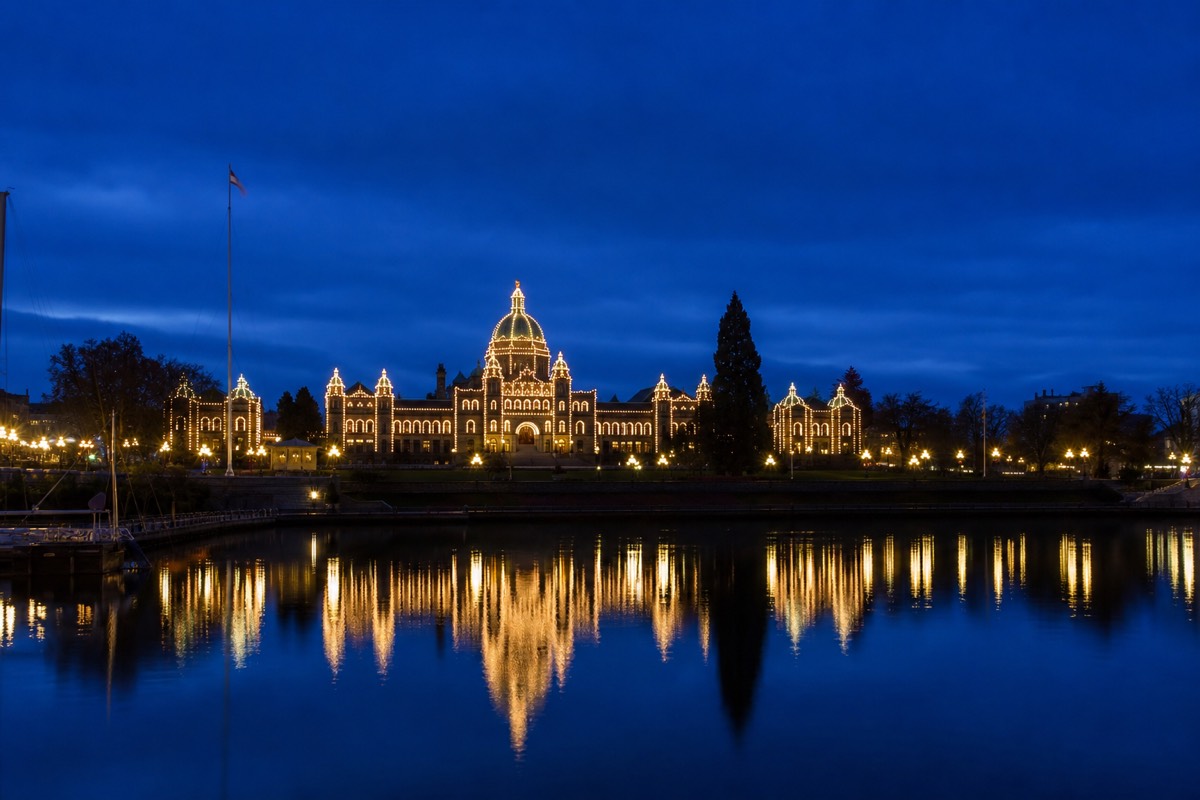
Three principles keep an island itinerary from unravelling. First, decide which coast is the priority, because the south is gardens, harbour, and colonial streets while the west is surf beaches, ancient rainforest, and wildlife-rich inlets, and few trips do both ends justice in under five days. Second, book the ferry crossing early if you are bringing a car in summer, since the Tsawwassen route is the busiest in the province; the mechanics of every crossing are laid out in our guide to reaching the island. Third, build in slack for weather and the winding coastal highway, because Highway 4 to the west coast is scenic and slow, not a motorway.
Timing shapes an itinerary as much as distance does. May and June and September are the shoulder months our team steers most first-timers toward, with mild days, the spring bloom at Butchart Gardens or the autumn salmon runs, and fewer visitors than the July and August peak. Whichever window you choose, reserve the Tofino nights and any wildlife cruises well ahead in summer, because the west coast's small boats and limited rooms fill from confirmed bookings long before you arrive.
The overview table sets the four plans against each other so you can see at a glance what each length buys. Suggested nights are a guide; shift them toward whichever coast pulls you most.
| Trip length | Regions covered | Suggested nights | Best for |
|---|---|---|---|
| 3 days | Victoria and the south | 3 in Victoria | First-timers focused on the south |
| 5 days | South plus the west coast | 2 Victoria, 2 to 3 Tofino | Seeing both sides of the island |
| 7 days | South, central, and west coast | 2 Victoria, 1 Cowichan or Nanaimo, 3 Tofino | A complete first visit without rushing |
| 10 days | South, central, west, and north | 3 Victoria, 1 Cowichan, 3 Tofino, 2 Campbell River | Slow travel and north-island wildlife |
What is a good 3-day Vancouver Island itinerary?
Base all three nights in Victoria and treat the south as the whole trip. Day one is the walkable city, day two pairs Butchart Gardens with a whale watching cruise, and day three runs out along the wilder Sooke coast or up to the Malahat before you head home. It is unhurried, it needs no long drives, and it works well without a car.
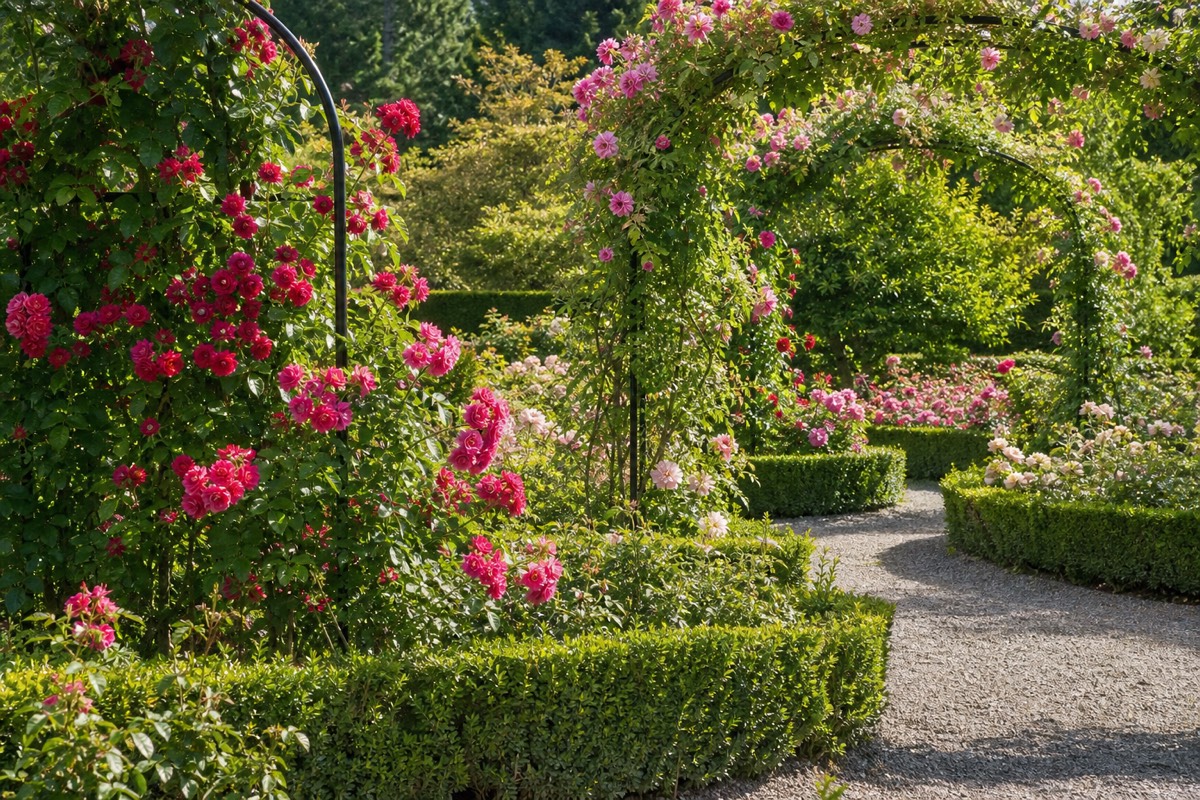
Victoria itself is compact, so day one is best spent on foot: the Inner Harbour, the Parliament Buildings, Beacon Hill Park, and Canada's oldest Chinatown with Fan Tan Alley, all within an easy wander, with a proper seafood lunch somewhere along the way. Our guide to what to do in Victoria fills in the detail if you want to fine-tune the day.
Day two is the island's headline double: a morning at Butchart Gardens, 55 acres of themed planting in a former limestone quarry on the Saanich Peninsula, followed by an afternoon whale watching cruise from the Inner Harbour, where sightings of orcas and humpbacks run above ninety percent from May through October. If gardens and views appeal more than a boat, swap the cruise for the Malahat SkyWalk high above the Saanich Inlet. Day three is your buffer: the sandstone beaches and old-growth of the wilder west coast near Sooke make a fine final day, and the guided Victoria and Butchart Gardens day is an easy way to cover the marquee sights if you are crossing from Vancouver rather than staying over.
If three days is genuinely all you have and you are based in Vancouver, you can still make it work, though it becomes a tightly run trip. Cross early, spend the first day and night in Victoria, use the second for the gardens and the water, and keep the third gentle before an afternoon crossing home. Eat where the locals do rather than on the harbour tourist strip, take the mornings slowly, and you will leave with a real sense of the south rather than a blur of ferry decks.
| Day | Base | What you do |
|---|---|---|
| Day 1 | Victoria | Inner Harbour, Parliament Buildings, Beacon Hill Park, Chinatown and Fan Tan Alley on foot |
| Day 2 | Victoria | Butchart Gardens in the morning, whale watching cruise or the Malahat SkyWalk in the afternoon |
| Day 3 | Victoria | The Sooke coast and its beaches and waterfalls, or a relaxed morning before heading home |
What can you do with 5 days on Vancouver Island?
Five days is the shortest trip that does both coasts justice. Give Victoria two nights, take the island drive as its own scenic day with a stop at Cathedral Grove, then spend two nights in Tofino for the beaches, the rainforest, and one morning wildlife cruise. It is the plan our team recommends most often, because it stops the west coast from becoming a rushed there-and-back.
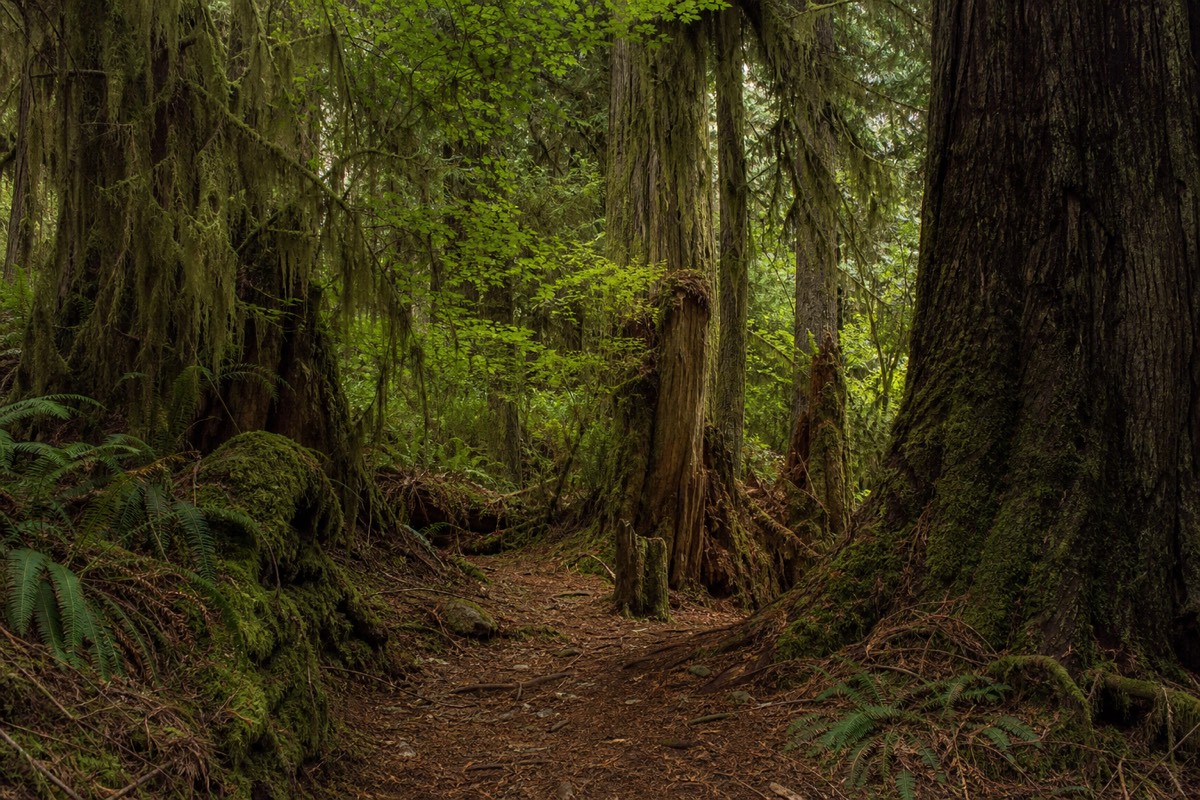
Days one and two mirror the southern itinerary above: the city, then Butchart Gardens and a whale watching cruise. Day three is the crossing to the west coast, and it deserves to be unhurried. The drive climbs over the island's spine on Highway 4 and emerges near Ucluelet before turning north to Tofino, and the standout stop is Cathedral Grove in MacMillan Provincial Park, where Douglas firs and western red cedars between three hundred and eight hundred years old line a short loop trail. The scale of those trees is not communicated by photographs, so allow more time on the boardwalk than you think you need; our guide to the island's old-growth forests explains what you are looking at.
Day four is Tofino at its best: Long Beach and the surf strands of Pacific Rim National Park, rainforest trails, and the town's easy pace. Day five is a morning on the water before you turn for home, and the choices are excellent. A Tofino wildlife cruise for coastal black bears, a run out to the geothermal pools at Hot Springs Cove, or a whale watching trip all fit a final morning. If you would rather not drive the west-coast highway yourself, a private two-day Vancouver to Tofino trip handles the ferry, the drive, and the stops.
The switch between coasts is part of the appeal, and it helps to pack for both. The sheltered south can be warm and dry while the exposed west coast is cool, misty, and wet on the same afternoon, so layers and a waterproof shell earn their place in the bag. Fuel up and grab supplies in Nanaimo or Port Alberni before the final mountain stretch, because services thin out on the road west, and the last hour into Tofino is slow going even in fine weather.
| Day | Base | What you do |
|---|---|---|
| Day 1 | Victoria | Arrive and explore the walkable city and Inner Harbour |
| Day 2 | Victoria | Butchart Gardens and a whale watching cruise |
| Day 3 | Travel to Tofino | Drive Highway 4, stop at Cathedral Grove, arrive on the west coast |
| Day 4 | Tofino | Long Beach, Pacific Rim trails, surf and rainforest |
| Day 5 | Tofino | Morning wildlife or hot springs cruise, then head home |
What does a 7-day Vancouver Island itinerary look like?
A week lets you add the central island without cutting either coast short. Keep two nights in Victoria, spend a night in the Cowichan Valley or Nanaimo to break the journey with wine and farm-to-table food, then give Tofino three nights so you can pair the beaches with more than one boat trip. Seven days is the sweet spot for a complete first visit.
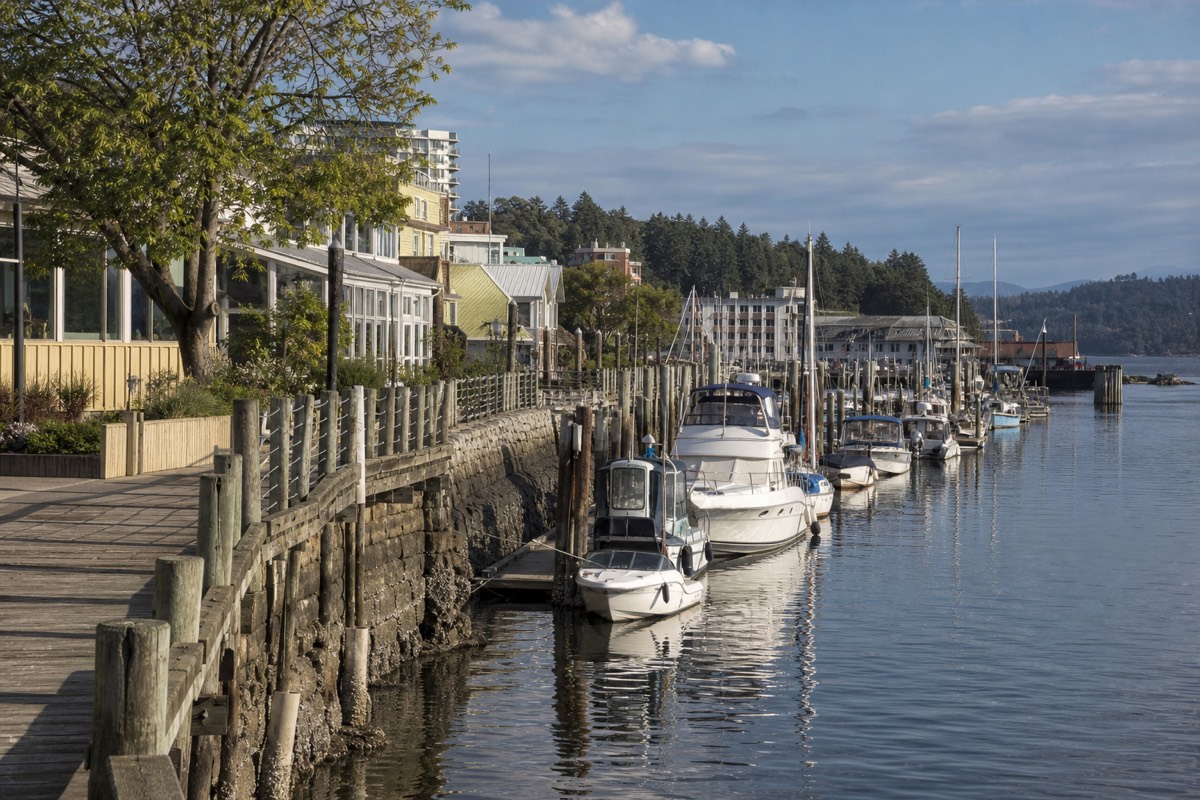
The first two days remain Victoria and its headline sights. Day three heads north but takes its time: the Cowichan Valley, known for wineries, farm-to-table food, and Indigenous culture, makes a relaxed midpoint, and our guide to the Cowichan wine country maps the tasting rooms worth the detour. Overnight there or in nearby Nanaimo, the natural gateway to the Highway 4 drive west.
Day four crosses to Tofino with the Cathedral Grove stop, and the country market at Coombs makes a good leg-stretch on the way; the Cathedral Grove, Coombs and waterfalls tour strings those stops together if you would rather be driven. Days five and six are the west coast unhurried: one full day on the Pacific Rim beaches and trails, and one dedicated to the water, whether that is bears in Clayoquot Sound, the Hot Springs Cove cruise, or whales offshore. Day seven runs south to Ucluelet for the Wild Pacific Trail before the drive home, or loops back toward the ferry. To decide where to sleep along the way, our overview of where to base yourself breaks the island down by traveller type.
Nanaimo earns its night here as more than a waypoint. The old city quarter, the harbour, and easy boat access to Newcastle Island make a pleasant half-day, and it sits at the junction where the west-coast highway peels off from the main island route. If you would rather trade the wine country for coast, spend the third night in Parksville instead, within reach of Rathtrevor Beach and the Coombs market, and pick the drive west up the next morning from there.
| Day | Base | What you do |
|---|---|---|
| Day 1 | Victoria | The walkable city and Inner Harbour |
| Day 2 | Victoria | Butchart Gardens and whale watching or the Malahat SkyWalk |
| Day 3 | Cowichan or Nanaimo | Cowichan Valley wine and food, overnight mid-island |
| Day 4 | Travel to Tofino | Cathedral Grove, the Coombs market, arrive on the coast |
| Day 5 | Tofino | Pacific Rim beaches and rainforest trails |
| Day 6 | Tofino | A wildlife, whale, or hot springs cruise |
| Day 7 | Tofino to home | Ucluelet and the Wild Pacific Trail, then the drive back |
How would you spend 10 days on Vancouver Island?
Ten days is for slowing down and reaching the north. Give Victoria three nights, add a Cowichan night, keep three in Tofino, then push up-island to Campbell River for two nights of serious wildlife, from Elk Falls to the orca waters off the north coast. It turns a highlights tour into a proper loop of the island.
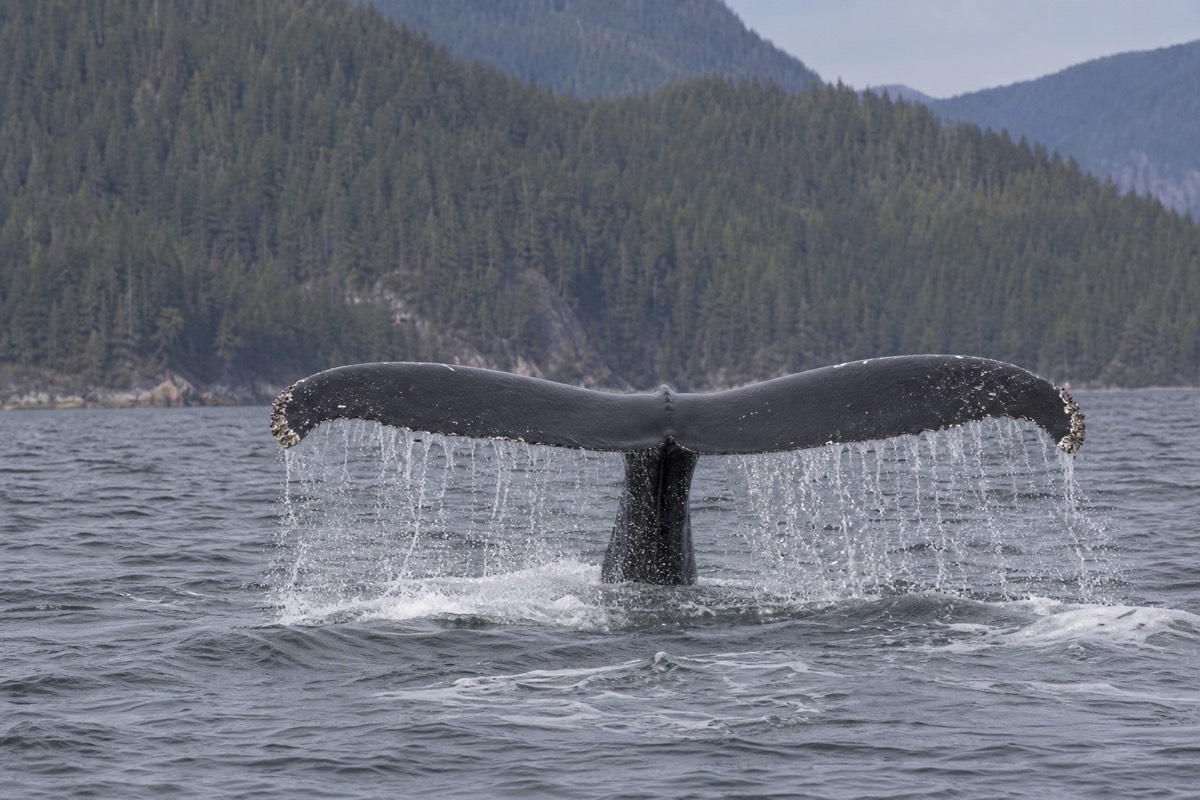
With this much time the south stops being a rush. Three Victoria nights leave room for the city, Butchart Gardens, a whale watching cruise, and a full day out along the wild Sooke coast to the thousand-year-old cedars of Jurassic Grove and its sandstone beaches. Day four eases north into the Cowichan Valley for wine and food, and day five makes the west-coast crossing with the Cathedral Grove and Coombs stops.
Days six through eight are Tofino at a genuine holiday pace: beaches and rainforest, the Hot Springs Cove cruise, a bear-watching morning in Clayoquot Sound, and the Wild Pacific Trail at Ucluelet. Days nine and ten head up-island to Campbell River and the north, the base most associated with serious wildlife, where Elk Falls and its suspension bridge, the salmon rivers, and the orca waters around Telegraph Cove reward the extra distance. If a road trip is the point of your ten days, our guide to the island's best scenic drives is worth reading before you set the route.
The north is where the island's wildlife gets serious. Campbell River and the waters toward Telegraph Cove are among the best places in the province for orcas through the summer, and day trips from the area reach the grizzly-viewing rivers of Knight Inlet in season, when the bears gather on the salmon streams. It is a longer haul and a wilder end to the trip, better suited to travellers who came for the animals and the scenery than to anyone chasing city comforts, and it rewards the extra two days accordingly.
| Days | Base | What you do |
|---|---|---|
| Days 1 to 3 | Victoria | The city, Butchart Gardens, whale watching, and the Sooke coast |
| Day 4 | Cowichan | Wine, food, and Indigenous culture in the valley |
| Day 5 | Travel to Tofino | Cathedral Grove, Coombs, and the Highway 4 drive |
| Days 6 to 8 | Tofino | Pacific Rim beaches, a hot springs cruise, bear watching, Ucluelet |
| Days 9 to 10 | Campbell River | Elk Falls, salmon rivers, and north-island orca waters |
How far apart is everything on Vancouver Island?
The distances are the whole reason these itineraries are shaped the way they are. The ferry crossing runs an hour and thirty five minutes, Swartz Bay to Victoria is another 30 to 45 minutes, Victoria to Nanaimo is about two hours, and Tofino is a further three hours beyond Nanaimo. Victoria to Tofino direct is about 315 kilometres and four and a half hours, which is why the west coast earns its own nights.
Highway 4, the road to the west coast, is scenic and winding rather than fast, and fog or rain can slow the final mountain stretch, so pad your timings. The east-coast Island Highway between Victoria, Nanaimo, and Campbell River is quicker and straighter. The table below gathers the legs that shape a trip; treat every figure as a planning allowance and check current road and sailing conditions before you set out, since the same drive can vary with weather and season. For the crossing itself, the fastest and cheapest options are compared in our look at the ferry, the seaplane, and a guided day trip.
| Leg | Approximate distance | Approximate time |
|---|---|---|
| Ferry, Tsawwassen to Swartz Bay | Crossing | 1 h 35 min sailing |
| Swartz Bay to Victoria | Short hop | 30 to 45 min |
| Victoria to Nanaimo | Central island | About 2 h |
| Nanaimo to Tofino | West coast | About 3 h |
| Victoria to Tofino, direct | About 315 km | 4 to 4.5 h |
| Nanaimo to Campbell River | Up-island | About 2 h |
How do you adapt these itineraries?
Every plan here flexes for how you travel. Without a car, base in Victoria and let guided day tours reach the sights, or take the two-day Tofino trip to the coast. With young children, shorten the drives and lean on gentle beaches and short cruises. In winter, trade some Tofino boat time for storm watching and give Victoria more of the trip. Match the plan to your party rather than the other way around.
The most common adjustment is doing without a car. It is entirely possible: Victoria is walkable, the south island has transit, and guided tours cover the spots that are awkward to reach on foot, from Butchart Gardens to the whale watching docks. Our look at whether you can visit the island without a car lays out exactly how far you can get. Season is the other big lever, and it pays to check the island's weather month by month before you commit, since the west-coast cruises run fullest from late spring through early autumn while winter turns Tofino into storm-watching country.
The table below is a quick reference for the adjustments that come up most. Whichever shape your trip takes, the full range of guided island tours and multi-day packages can carry the parts you would rather not drive or plan yourself.
| Your situation | How to adapt |
|---|---|
| No car | Base in Victoria, use guided day tours, take the two-day Tofino trip for the west coast |
| Travelling with young kids | Shorten drives, add Parksville and Rathtrevor beaches, choose gentle cruises |
| Winter or shoulder season | More time in Victoria, storm watching in Tofino, fewer boat departures |
| Tight budget | Cross on foot, self-cater, pick one or two paid cruises rather than many |
| Only one coast | Commit to Victoria and the south, or to Tofino and the west, and go deeper |
Families in particular benefit from loosening these plans. Children travel better with shorter driving days and more beach time, so the warm shallows at Rathtrevor near Parksville, the tide pools along the coast, and a gentle bear or whale cruise usually land better than a packed sightseeing schedule. The island is genuinely easy with kids, and building in downtime is not a compromise on the trip, it is what makes the days work.
However you assemble it, resist the urge to add one more region than the days comfortably hold. The island gives back time in direct proportion to how much you give it, and a plan with a little air in it beats a checklist run at speed. For destination background as you sketch the route, the regional resource at Vancouver Island Travel and the wider picture of the island itself are useful, and the west-coast national park has its own trip-planning detail at Pacific Rim National Park.