What Is Vancouver Island Like in Winter?
Winter on Vancouver Island is mild, wet and wonderfully quiet. The crowds thin, the prices drop, and the west coast puts on the best storm show in Canada. Here is what the season is actually like.
Winter is quieter, wetter and wilder. Compare weather-dependent coast, wildlife and holiday options before fixing your route.
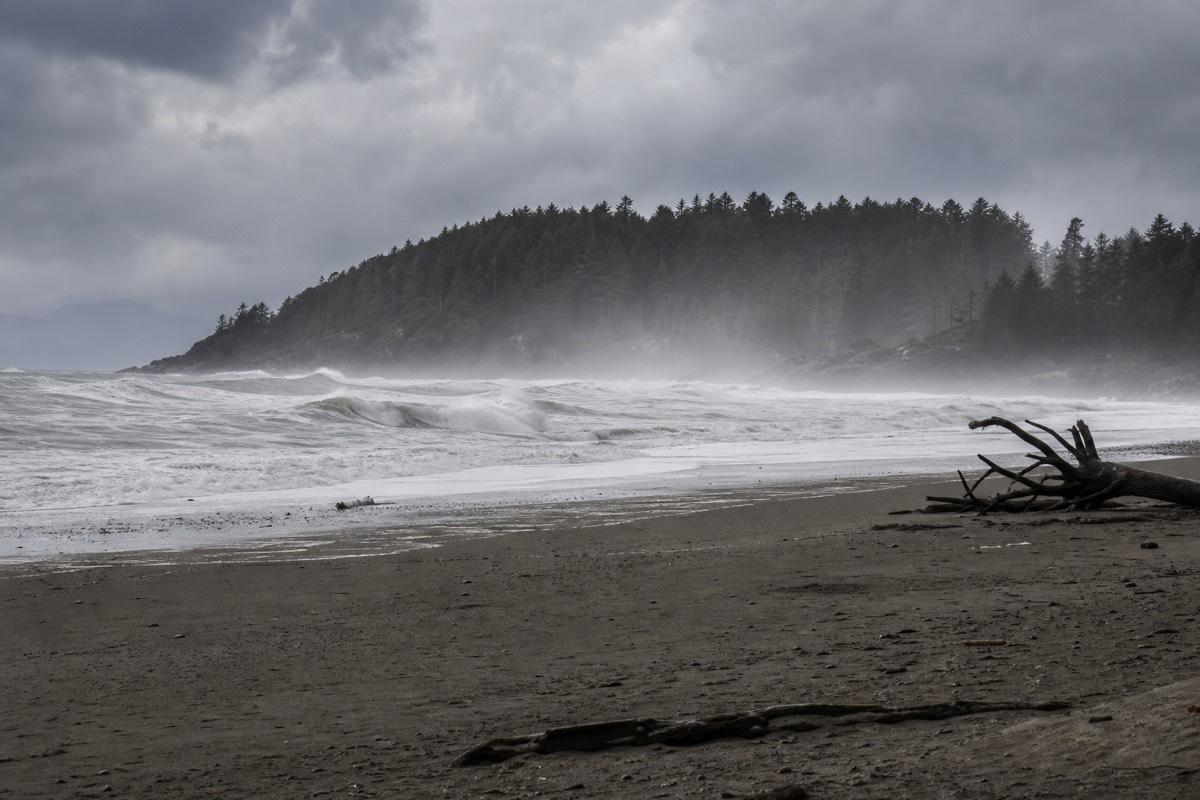
The first thing to unlearn about a Canadian winter is that it means deep snow and hard freezes. On the coast of Vancouver Island it usually means rain, soft grey light, and a green landscape that never really shuts down. Victoria is among the mildest cities in the country, and while the mountains inland hold snow, the towns at sea level rarely do for long.
What you trade for the damp is real. The summer crowds are gone, rooms and tables are easy to get, and the wild west coast turns on the show it is famous for. Our team sends plenty of travellers over in the off-season, and most come back saying it was quieter and more atmospheric than they expected.
What is the weather like on Vancouver Island in winter?
Winter on Vancouver Island is mild and wet at sea level, not cold and snowy. Coastal towns like Victoria, Nanaimo and Tofino sit above freezing most of the time, with frequent rain and daytime temperatures often in the mid single digits to low double digits Celsius. Snow falls mainly at elevation, so the mountains get plenty while the coast stays green.
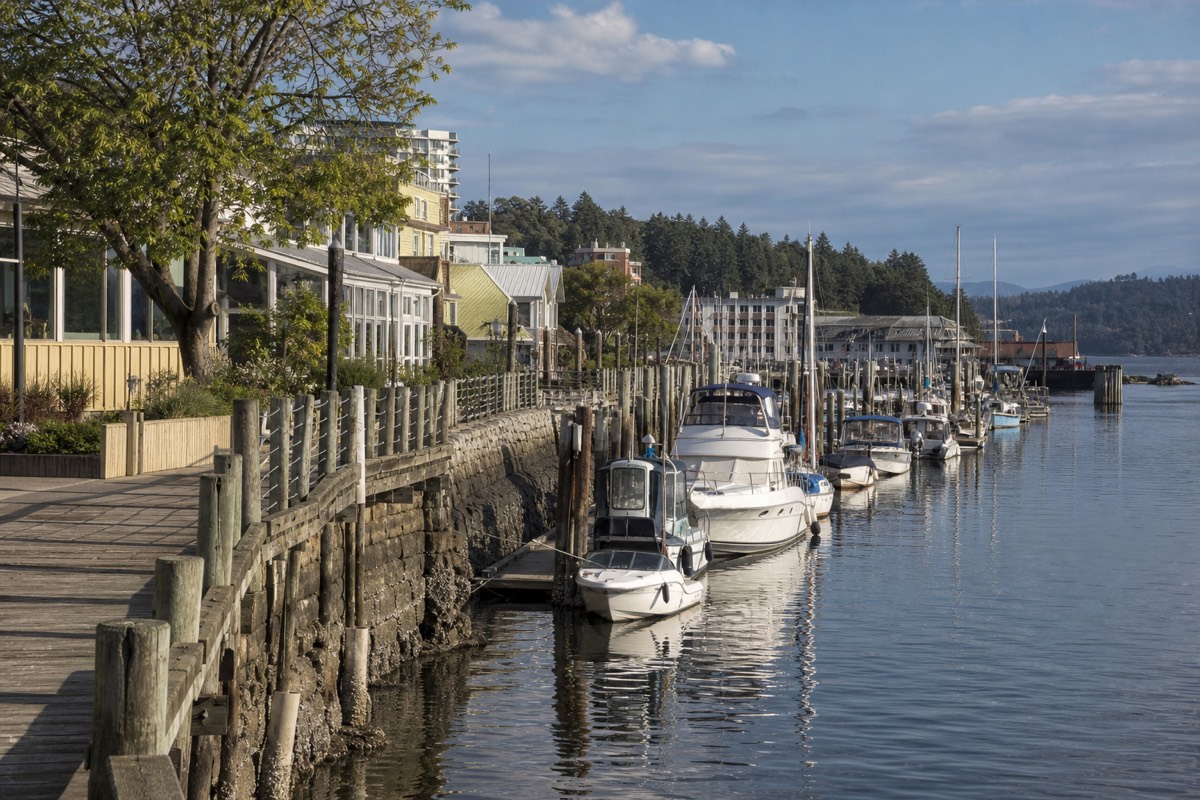
Rain is the defining feature, especially on the west coast, which is one of the wettest places in the country in the cool months. That rain is exactly what feeds the rainforest and drives the surf and storms, so it is a feature as much as a drawback. Pack for wet and you will be comfortable. The days are short, sunrise is late and dusk comes early, so plan outdoor time for the middle of the day.
What is there to do on Vancouver Island in winter?
Winter is prime season for storm watching in Tofino and Ucluelet, cold-water surfing, and warming soaks, while Victoria offers cozy indoor culture, gardens lit for the holidays, and easy sightseeing without the crowds. Up in the mountains, Mount Washington near Courtenay brings skiing and snowboarding to the island.
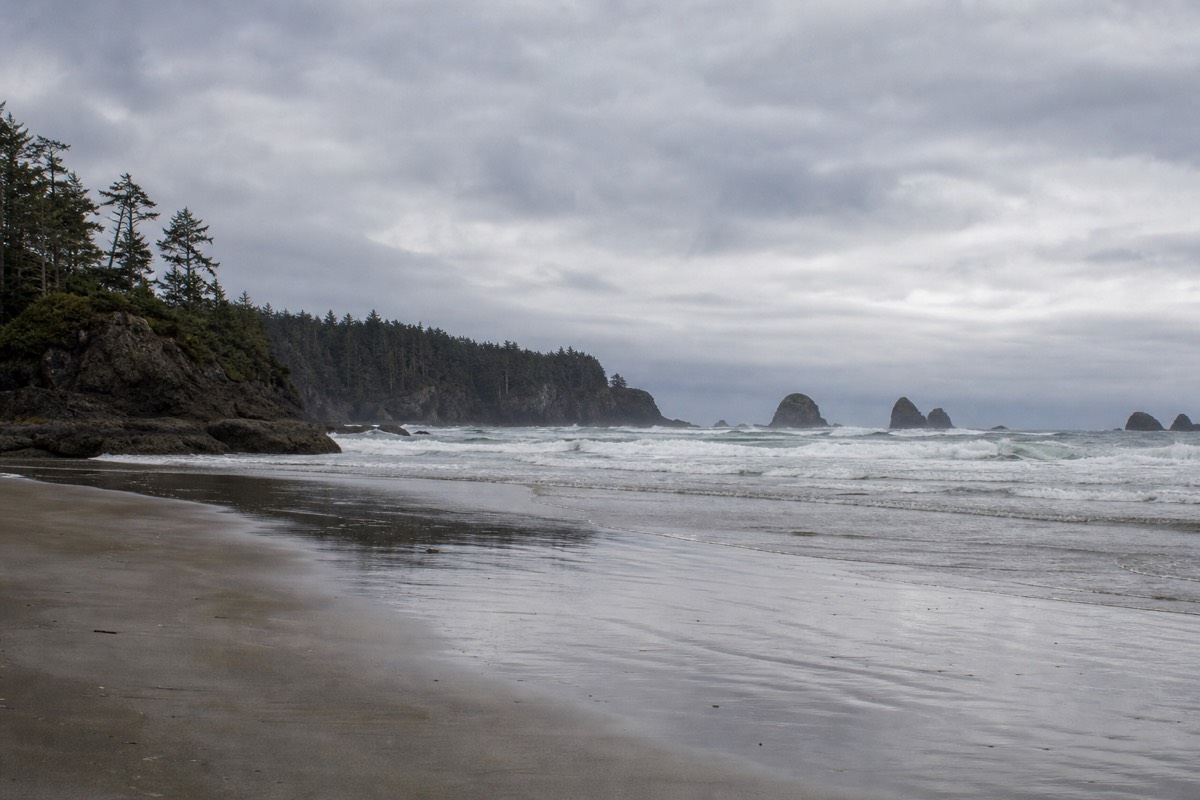
The west coast is the headline act. Huge Pacific swells slam the beaches through the season, and watching them from a sheltered lodge is a genuine draw, as our guide to storm watching on the west coast explains. The same swell makes winter the biggest season for experienced surfers, covered in our guide to surfing in Tofino. After a cold day out, warming up matters, and our overview of Vancouver Island hot springs and soaks covers the options, from the remote pools you reach by boat to Nordic-style spas. Victoria, meanwhile, does winter cozily, with the holiday lights at Butchart Gardens and plenty of indoor culture, as our roundup of things to do in Victoria lays out.
| Region | Winter character | What to do |
|---|---|---|
| Tofino and Ucluelet | Wild, wet, dramatic | Storm watching, winter surf, soaks, cozy lodges |
| Victoria and the south | Mild, cozy, quiet | Gardens with holiday lights, museums, dining |
| Mount Washington and the interior | Snowy at elevation | Skiing, snowboarding, snowshoeing |
| Central island and Cowichan | Green and calm | Wineries, forest walks, fewer crowds |
Is winter a good time to visit?
Winter is a good time to visit if you want low prices, empty trails and dramatic weather, and a poor one if you have your heart set on warm beach days and every tour running. It is the cheapest and quietest season, with genuine atmosphere, but shorter days, more rain and reduced tour schedules are the trade.
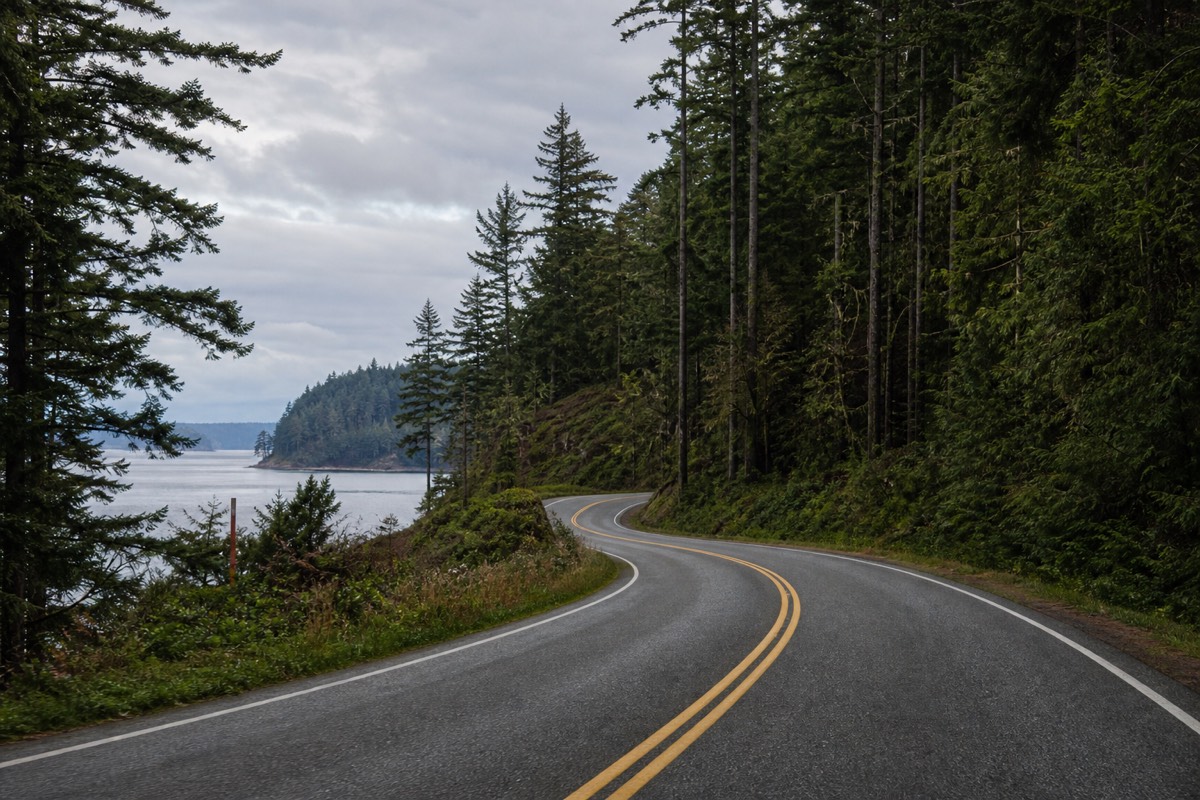
For the right traveller it is the best-value time of year. Accommodation and dining are far easier to book than in July, and places that need reservations weeks ahead in summer open up. The honest caveats are that some tours pause for the season, a few restaurants cut their hours, and the weather can move your plans, so a flexible day or two helps. If you are comparing seasons across the whole year, our look at the best month to visit Vancouver Island puts winter in context.
| Winter pros | Winter trade-offs |
|---|---|
| Low prices and easy bookings | Short days and frequent rain |
| Quiet trails and towns | Some tours and venues reduce hours |
| Dramatic storms and big surf | Fewer wildlife tours running |
| Cozy lodges and warming soaks | Weather can move your plans |
What about wildlife in winter?
Wildlife viewing shifts in winter. Black bears den up, so bear-watching cruises run in the warmer months rather than deep winter. Whale tours are reduced but resident orcas remain in the region, and winter is a fine time to see bald eagles gathering along salmon rivers. Set expectations toward eagles and storms rather than a full summer tour menu.
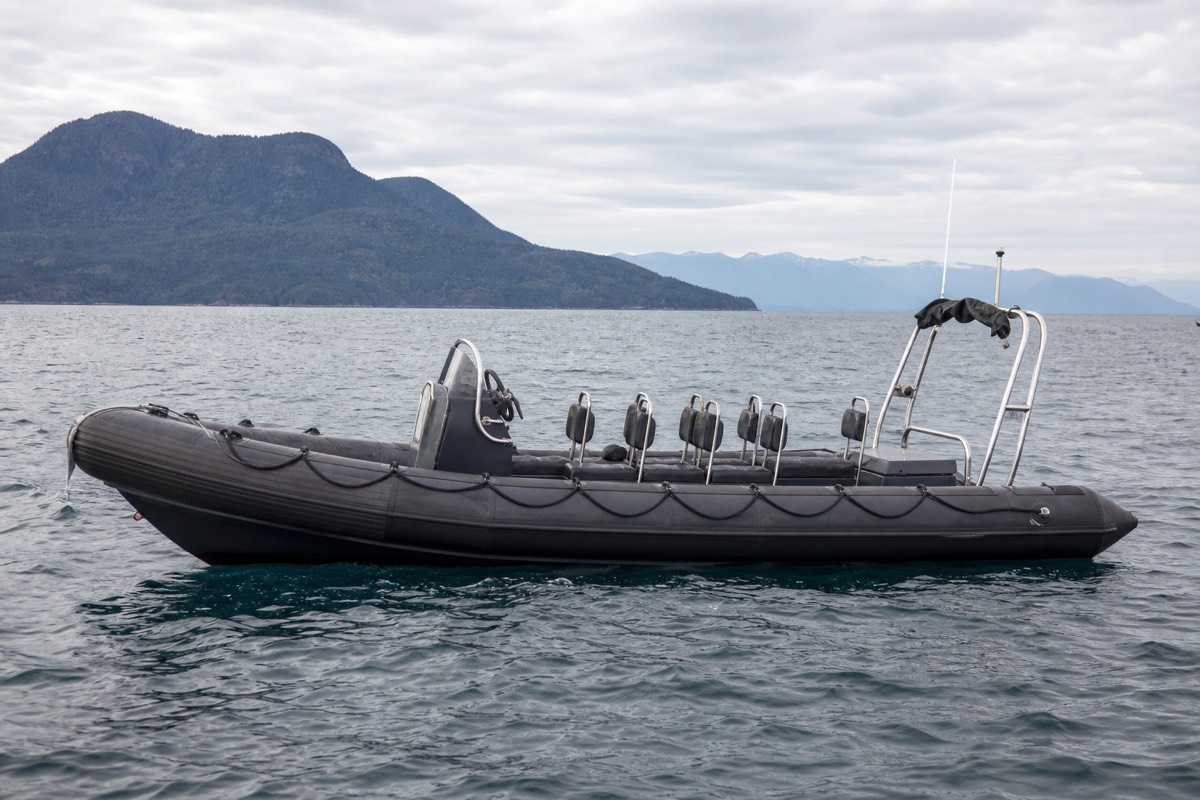
This is where honesty helps most. The Clayoquot Sound bear cruise is a spring-to-fall experience, since bears are not active on the shoreline in the coldest months, so save that for a warmer trip. Whale watching does not vanish entirely, and some operators run year-round, but the summer volume is not there, which our guide to whale watching on Vancouver Island reflects. The winter wildlife wins are eagles concentrating on the rivers and the seals and sea lions that are around all year. And the remote hot spring is still reachable by boat when the weather cooperates, though you cannot drive there in any season, as we cover in whether you can drive to Hot Springs Cove.
How should you plan and pack for a winter trip?
Pack fully waterproof layers, warm mid-layers, and footwear with grip, then plan flexible days around the weather and the short daylight. Book accommodation and any winter-running tours ahead for holiday weeks, keep a buffer day for storms, and lean into the cozy side of the season rather than fighting the rain.
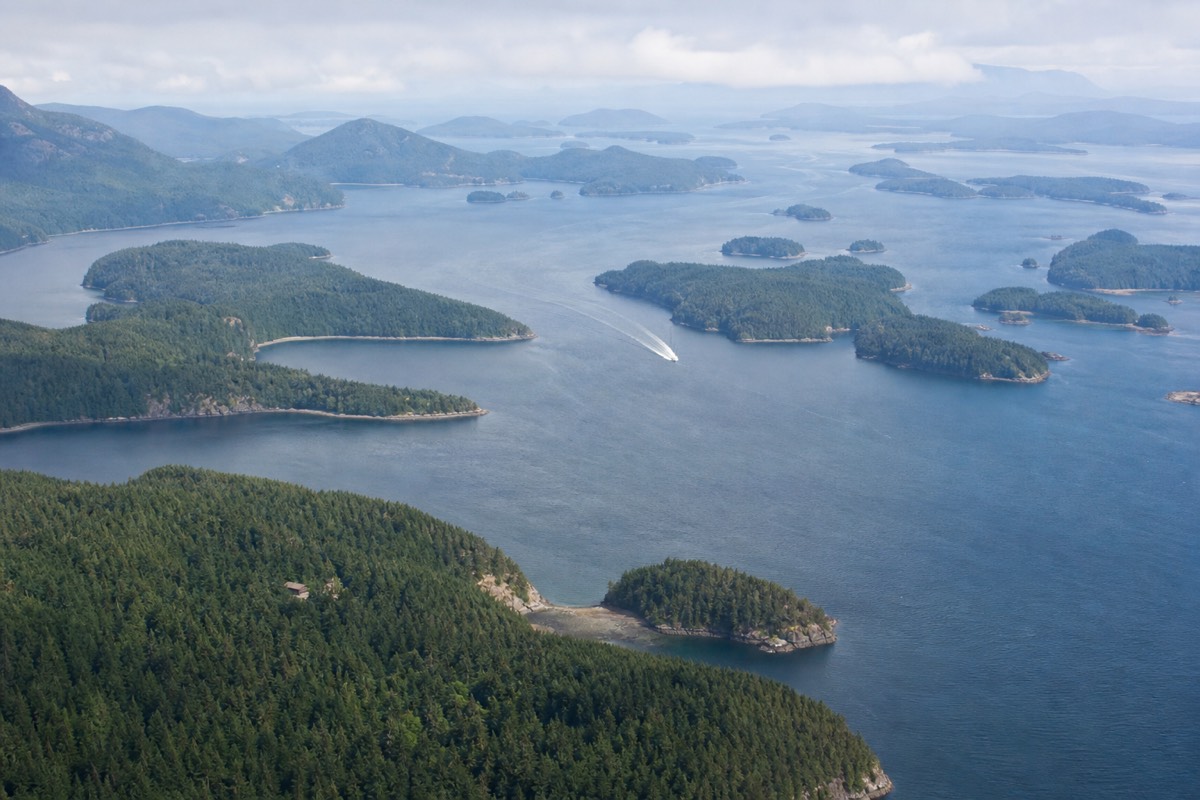
A good waterproof jacket and trousers are the single best thing you can pack, because staying dry is what makes a west-coast winter enjoyable rather than miserable. Warm dinners are part of the appeal too, and off-season is a lovely time to eat well without a scramble for tables, as our guide to where to eat in Tofino notes. When the weather allows, a guided bike-and-hike along the surf beaches from around $108 gets you out on the coast, and the boat-only Hot Springs Cove wildlife cruise from about $228 is a memorable warm-up on a calm winter day, so check the live listing for both. If you would rather have the season's best days arranged for you, the team behind our guided island trips books them around the weather. Ferries run year-round, and the BC Ferries schedules plus the Butchart Gardens holiday-season information are worth checking before you travel.