Gulf Islands Kayaking & Island Hopping
Between the mainland and Vancouver Island lies an archipelago of warm-water coves, sandstone shorelines and quiet channels. The Southern Gulf Islands are among the friendliest sea-kayaking waters in Canada. Here is how to paddle and island hop them.
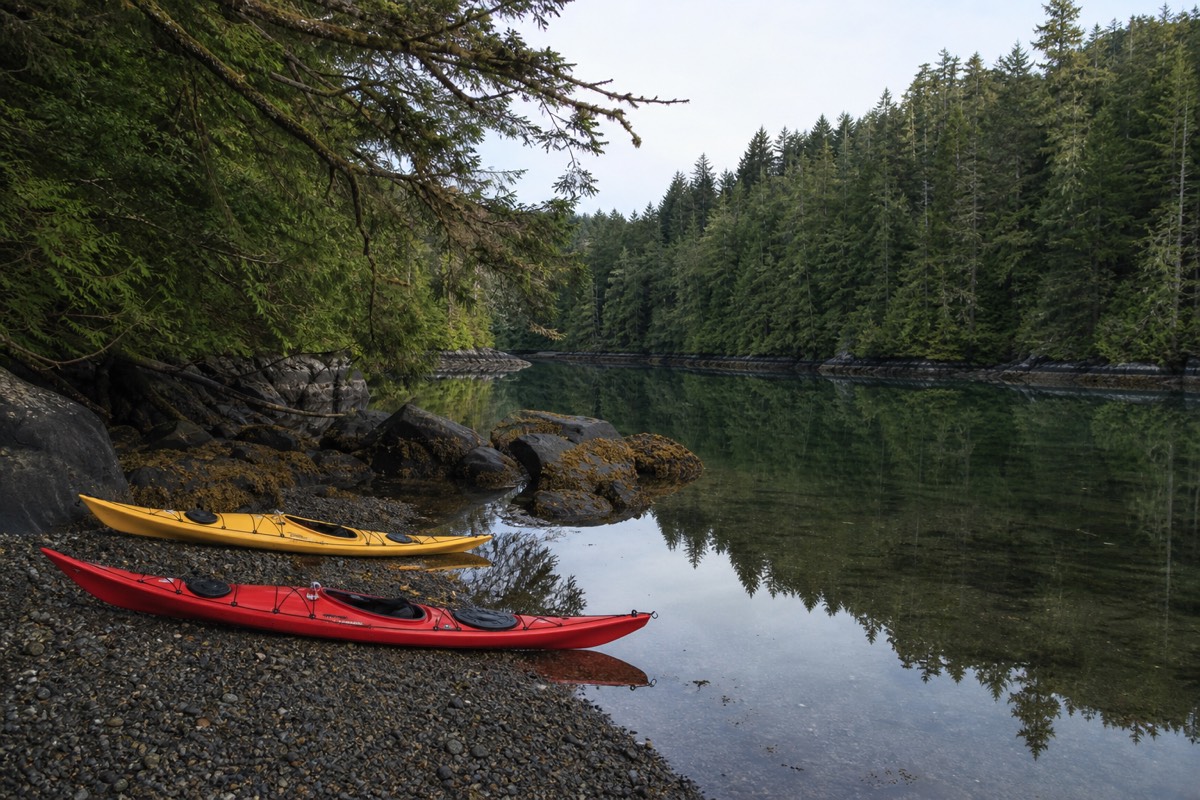
Slide a kayak off a pebble beach on a still Gulf Islands morning and the water is often glassy enough to mirror the forested shore. Seals surface to watch you, an eagle works the treeline, and the next island sits close enough that the crossing feels like a stroll rather than an expedition. This is the sheltered, forgiving side of British Columbia paddling, and it is a world away from the open Pacific on the far coast.
Our team gets asked constantly where beginners can paddle safely and still feel like they are somewhere wild. The Southern Gulf Islands are usually the honest answer. This guide covers the main islands, how the paddling here differs from the exposed west coast, the currents and tides that still demand respect, and how to string a few islands together into a hopping trip. If you are weighing which corner of the island to base in first, our overview of things to do in and around Victoria is a natural companion, since the ferries out to the islands leave from just north of the city.
Two coasts, two kinds of paddling
How the two coasts compare for sea kayaking, on a rough five-point scale. A general planning guide, not a technical rating.
What are the Gulf Islands, and why kayak there?
The Southern Gulf Islands are a cluster of forested islands in the Salish Sea between Vancouver Island and the mainland, including Salt Spring, Galiano, Mayne, Pender and Saturna. They are sheltered from open-ocean swell, warmer and calmer than the west coast, and dotted with coves, so they are among the best sea-kayaking waters in Canada for beginners and improvers alike.
The appeal is the shelter. Because the islands screen each other and sit behind Vancouver Island itself, the water rarely builds the big swell that defines the exposed Pacific side. That makes for calm channels, gentle beaches to launch from, and short crossings between islands. Much of the area falls within the Gulf Islands National Park Reserve, which protects shoreline, campsites and marine habitat, so the wildlife is abundant and the landings are well managed. Each island has its own character, from the busy artisan hub of Salt Spring to the quiet end-of-the-line feel of Saturna.
Geology gives the shorelines their signature look. Wind and water have sculpted the soft sandstone into honeycombed hollows, tidepool shelves and gently undulating rock that glows warm in low sun, which is a large part of why paddling here is so photogenic. The protected status of much of the area means the shore is largely undeveloped, with quiet coves, arbutus trees leaning over the water, and small islets you can circle in an afternoon. Each island sits close enough to the next that a route can be as short or as ambitious as your group wants.
| Island | Character | Paddling highlight |
|---|---|---|
| Salt Spring | Largest and liveliest, markets and artisans | Sheltered bays and a good base for day paddles |
| Galiano | Long and forested, dramatic sandstone | Honeycomb sandstone shores, near Active Pass |
| Mayne | Small and historic, calm coves | Easy protected water, gentle beaches |
| Pender | North and South, many coves | National park shoreline and warm swimming spots |
| Saturna | Wildest and quietest of the group | Remote coast, East Point currents and wildlife |
Are the Gulf Islands good for beginner kayakers?
Yes, the Gulf Islands are one of the best places in the country to start sea kayaking. Sheltered coves and short crossings mean you can paddle in calm water within sight of a launch beach. The caveats are real, though: tidal currents through the passes, cold water year-round, and ferry and boat traffic all mean a guide or a lesson is the smart first move.
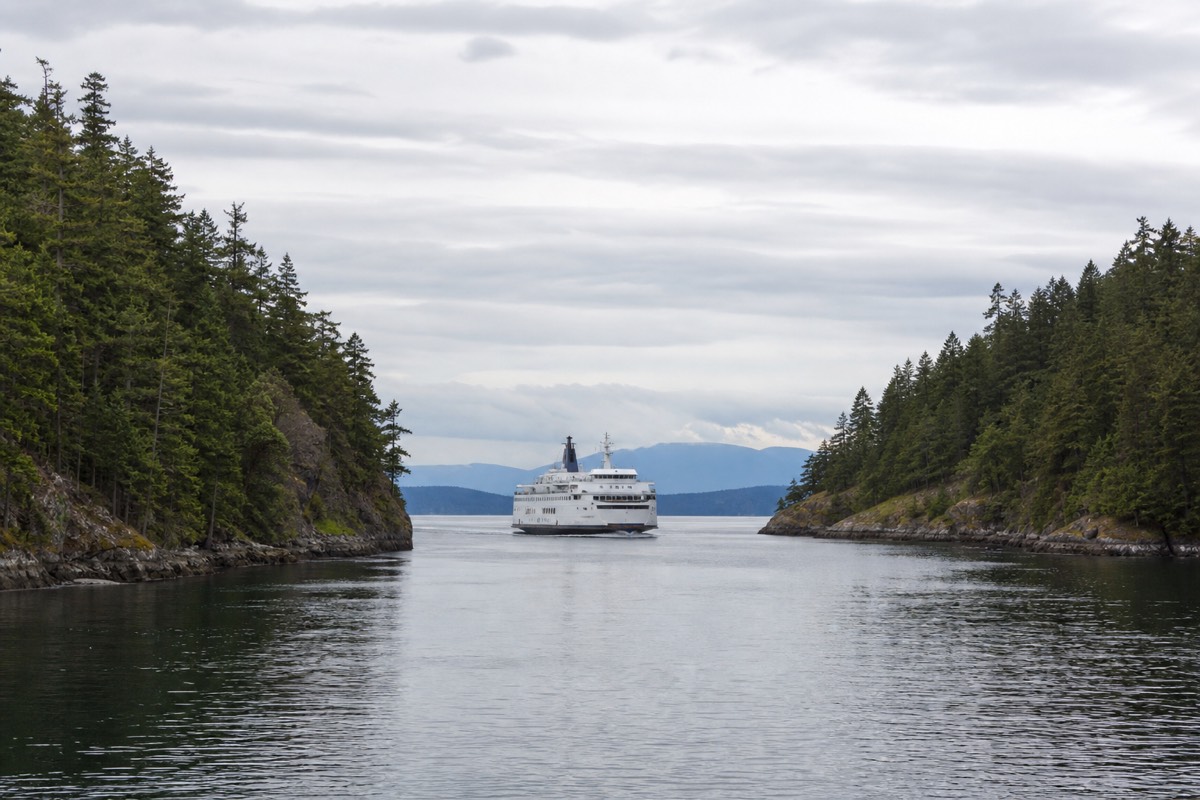
Beginners do well because the region lets you scale difficulty. You can potter around a single protected bay on your first outing, then build up to a short hop to a neighbouring island as your confidence grows. The water is cold enough that a capsize is a genuine concern rather than a joke, so most first-timers go out with a guided group that supplies the boat, the safety gear and the local knowledge of which channels to avoid on a given tide. The passes between islands, Active Pass chief among them, run strong tidal currents and carry ferries, so they are for experienced paddlers or guided groups only. If you would rather watch wildlife from a bigger, more stable boat first, our guide to whale watching on Vancouver Island covers the cruise option.
The other reason beginners thrive here is the forgiving margin for error. In a protected bay, a wobble or a missed brace usually means nothing worse than a wet sleeve, and you are rarely far from a beach to regroup on. That low-stakes setting is the ideal classroom, which is why so many people take their very first strokes in these waters and leave hooked. Build confidence in the calm before you even think about a crossing, and the progression feels natural rather than daunting.
| Zone | Difficulty | Notes |
|---|---|---|
| Protected coves and bays | Beginner | Calm water, easy launches, stay close to shore |
| Short island crossings | Improver | Plan around tides and boat traffic |
| Tidal passes such as Active Pass | Advanced or guided only | Strong currents and ferry traffic |
| Exposed outer shores | Advanced | More wind and swell, changeable conditions |
How does Gulf Islands paddling compare to the west coast?
The Gulf Islands are sheltered, calmer and better for beginners, while the west coast around Tofino and Ucluelet is exposed, wilder and more demanding. Both offer superb wildlife. If you want gentle water and island hopping, choose the Gulf Islands. If you want raw open-Pacific scenery and can handle swell, the west coast delivers, but it is not a place to learn.
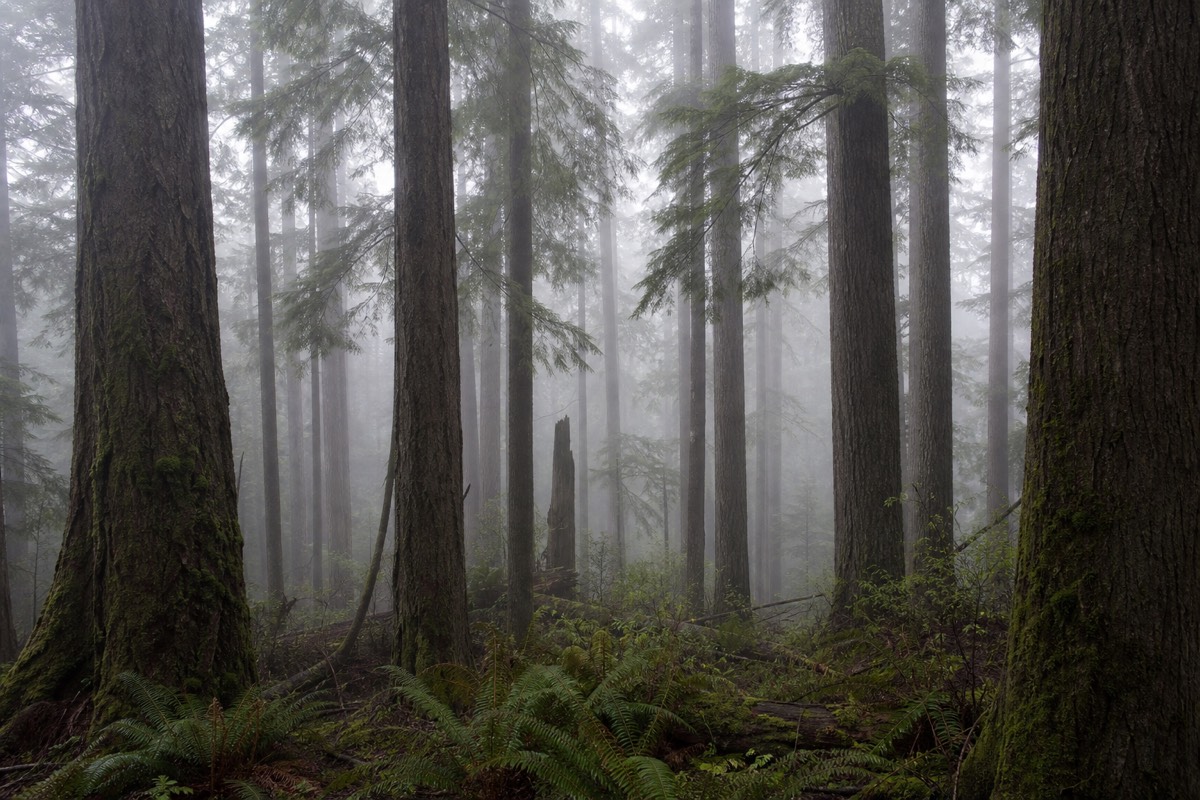
This is the core decision, and it maps onto the whole character of Vancouver Island's two coasts. The eastern, Salish Sea side is the protected garden; the western, open-Pacific side is the storm-carved edge. Sea kayaking on the west coast, in places like Clayoquot Sound or the Broken Group Islands, is spectacular but suits experienced paddlers or fully guided expeditions, since conditions change fast. That same exposure is what makes the west coast brilliant for surfing, as our guide to surfing in Tofino explains, and for the boat-only wilderness of Hot Springs Cove and the island's soaking spots. The infographic below sums up how the two paddling worlds stack up.
None of this makes one coast better than the other, only better suited to different days and different paddlers. A thoughtful trip often uses both: the Gulf Islands to learn, relax and island hop in sheltered water, and a guided west-coast outing to feel the raw scale of the open Pacific from the safety of an expert group. Knowing which is which before you book saves the classic mistake of a nervous beginner ending up in committing water, or a confident paddler feeling short-changed by a gentle bay. Match the water to the person and both coasts deliver.
| Gulf Islands | West coast (Tofino area) | |
|---|---|---|
| Shelter | High, screened by other islands | Low, open to Pacific swell |
| Water temperature | Cold, a little warmer in summer coves | Cold all year |
| Best for | Beginners, families, island hopping | Experienced paddlers, guided expeditions |
| Crossings | Short, island to island | Longer, more committing |
| Scenery | Forested islands, sandstone coves | Wild open beaches, rainforest inlets |
How do you get to the Gulf Islands?
Most people reach the Southern Gulf Islands by ferry from Swartz Bay near Victoria or from Tsawwassen near Vancouver, with sailings to Salt Spring, Galiano, Mayne, Pender and Saturna. Seaplanes and water taxis also serve the islands. You can bring a car, but for a paddling trip many visitors go as foot passengers and rent or join a guided kayak on arrival.
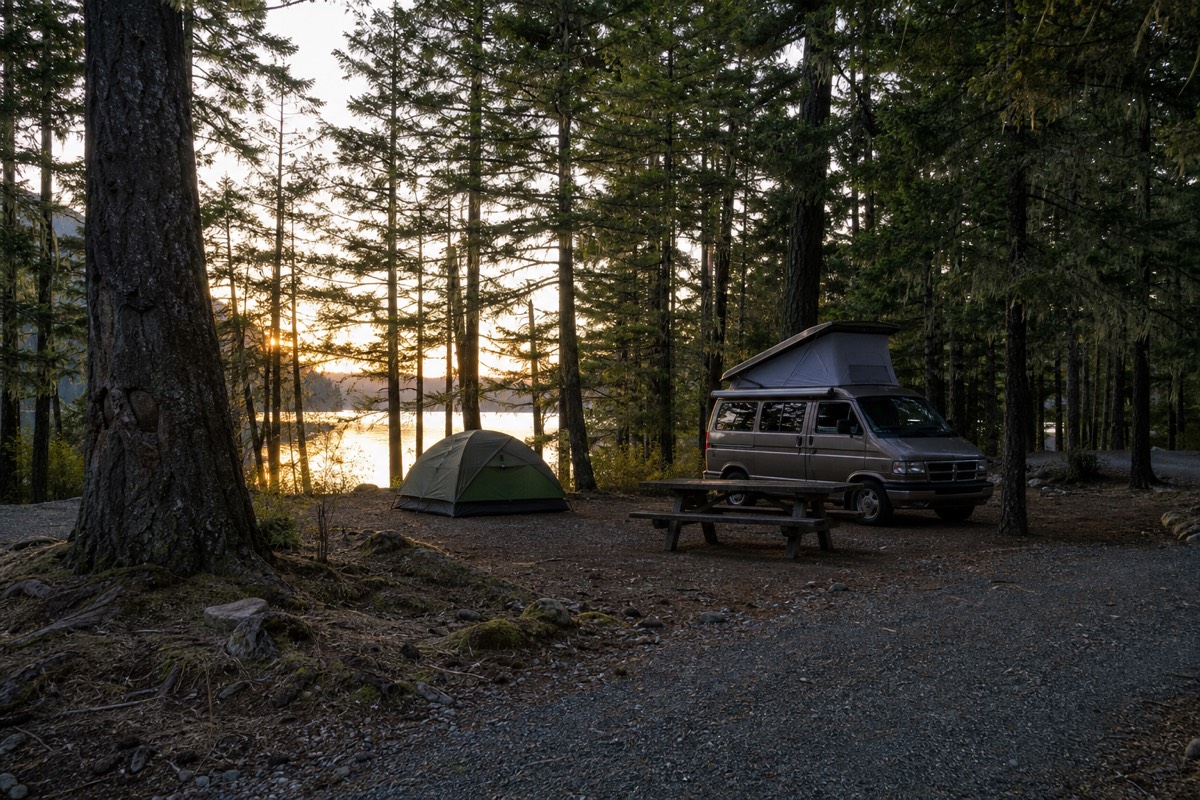
The ferry network is the backbone here, and the inter-island sailings let you hop between islands without a boat of your own. Getting to the region in the first place is covered in our guide to getting to Vancouver Island by ferry and seaplane, and Salt Spring in particular makes an easy first island, as our Salt Spring Island day-trip guide lays out. For a completely different angle, a floatplane gives you the archipelago from the air: a seaplane and whale-watching day from Vancouver sweeps over the Gulf Islands en route to Victoria at around $558, so check the live listing for schedules. Booking ferries ahead matters in summer, especially with a vehicle.
For a paddling-focused trip, going without a car often simplifies things. As a foot passenger you skip the vehicle reservation queues, and once on an island you can rent a kayak, join a guided tour, or use a water taxi to reach a launch, then move on by inter-island ferry. If you do bring a car, book the sailings well ahead in summer and allow buffer time at the terminal, since the popular routes fill on busy weekends.
| How to get there | Route | Notes |
|---|---|---|
| Ferry from Swartz Bay | Near Victoria to the Southern Gulf Islands | The main gateway, frequent in summer |
| Ferry from Tsawwassen | Near Vancouver to several islands | Handy if you are coming from the mainland |
| Inter-island ferry | Island to island | The backbone of a hopping trip |
| Seaplane | Vancouver or Victoria to island harbours | Fast and scenic, higher cost |
| Water taxi | On demand between points | Useful for reaching remote launches |
What wildlife might you see while paddling?
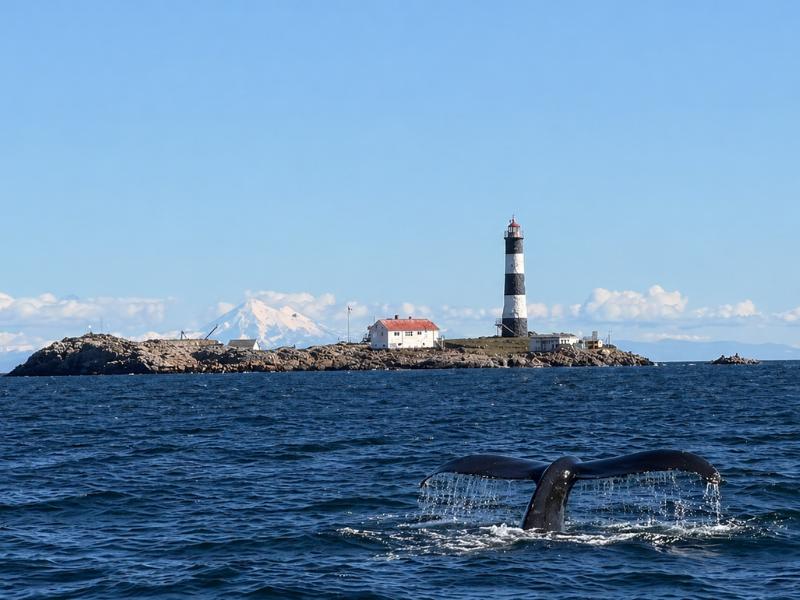
Gulf Islands paddlers regularly see harbour seals, sea lions, river otters, bald eagles, herons and porpoises, and sometimes orcas passing through the channels. Seals are almost guaranteed. Orcas are a lucky bonus, not a plan, and you should never chase or approach them, keeping the legal distance and letting the whales set the terms.
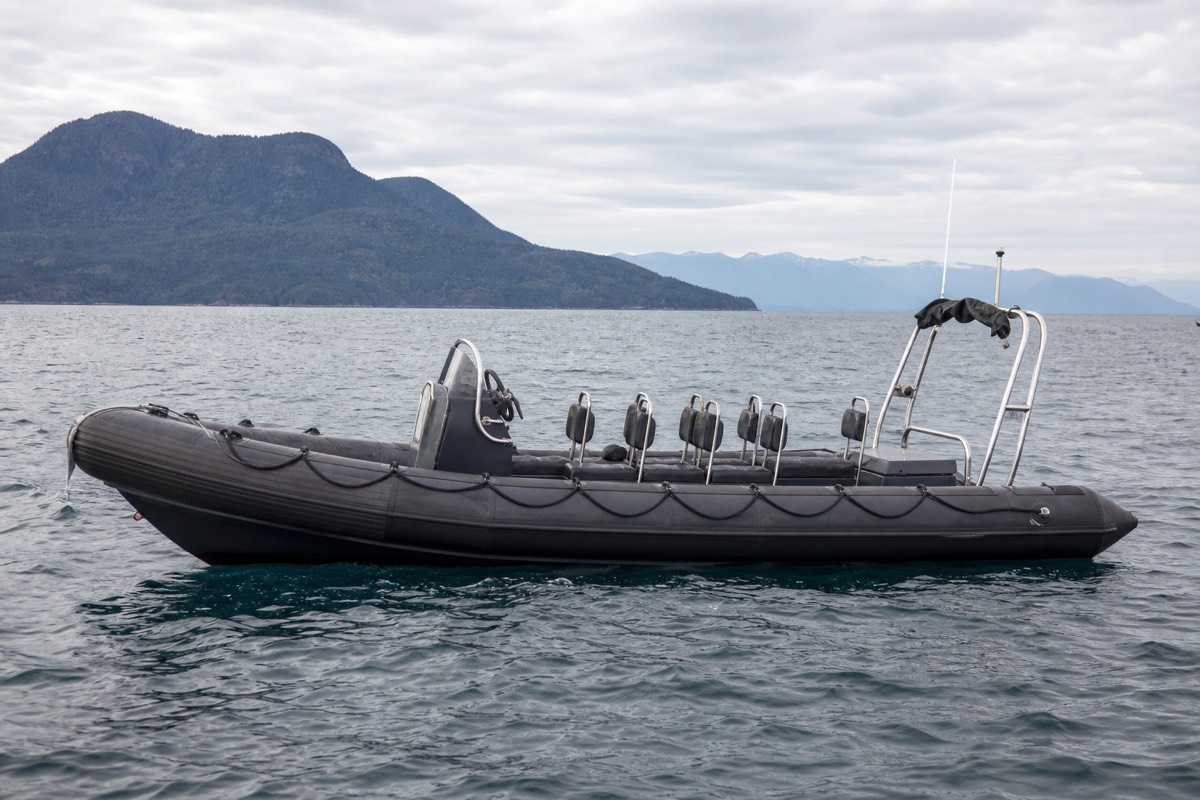
The everyday wildlife is what makes the paddling special. Seals will often shadow a kayak out of curiosity, eagles perch along the treeline, and the intertidal life on the sandstone shelves rewards a slow drift at low tide. Bigger animals are seasonal and never guaranteed from a kayak, which is the honest framing. People do occasionally encounter orcas from the water, but as we explain in our piece on whether you can kayak with orcas on Vancouver Island, the responsible approach is to stay put, keep well back, and treat any sighting as a gift rather than a goal. For reliable whale encounters, a purpose-built cruise is the better tool.
Low tide is quietly the best time for wildlife on a paddle, since the exposed sandstone shelves come alive with sea stars, anemones, crabs and clinging shellfish that you can drift over slowly and study up close. Keep a respectful distance from hauled-out seals and sea lions, which are easily disturbed, and never put a kayak between a mother and her pup. The birdlife alone rewards a slow morning, with eagles, herons, kingfishers and rafts of seabirds all common along these shores.
| Wildlife | Likelihood from a kayak |
|---|---|
| Harbour seals | Very likely, often curious |
| Bald eagles and herons | Likely along the shoreline |
| River otters | Common near rocky shores |
| Sea lions | Seasonal, often heard before seen |
| Porpoises and dolphins | Occasional in the channels |
| Orcas | Rare and never guaranteed, keep your distance |
When is the best season to kayak the Gulf Islands?
The prime paddling season runs May through September, when the weather is settled, the water is at its least cold, and the days are long. July and August are warmest and busiest, June and September are the sweet spot for calmer crowds, and the shoulder months of April and October suit experienced paddlers who do not mind cooler, changeable conditions.
Summer gives the most reliable calm mornings, which is when the water is often glassiest and best for beginners, so aim to launch early before any afternoon wind builds. The shoulder months trade a little warmth and daylight for quiet channels and empty campsites, which experienced paddlers love. Winter paddling happens, but it is for the seasoned only, with cold water, short days and unsettled weather. If you are timing a broader visit around good conditions, our overview of the best month to visit Vancouver Island lines up the seasons across activities. Treat the scorecard below as a planning guide rather than a forecast.
| Season | Conditions | Who it suits |
|---|---|---|
| July and August | Warmest, longest days, busiest | First-timers and families |
| June and September | Settled weather, fewer crowds | The all-round sweet spot |
| April, May and October | Cooler, more changeable | Improvers wanting quiet water |
| Winter | Cold, short days, unsettled | Experienced paddlers only |
What should you pack, and what about safety?
Wear a well-fitted life jacket, dress for the cold water rather than the air, and bring layers, water, sun protection and a means of calling for help. Check the tide tables and marine forecast before every launch, avoid the tidal passes unless you are experienced or guided, and stay well clear of the ferry routes. When in doubt, go with a guide.
Cold water is the real hazard here, more than any dramatic swell, because the Salish Sea stays cold even in summer and a capsize far from shore is serious. Dressing for immersion, in a wetsuit or the right layers, is the difference between a manageable dunking and an emergency. Tides matter as much as weather: the passes between islands can run faster than you can paddle, so timing your crossings for slack water is a skill worth learning from a guide first. Guided trips remove most of this planning burden, which is why they are the standard way in for visitors. The table below is a starting checklist, not a substitute for local advice.
| Item or step | Why it matters |
|---|---|
| Well-fitted life jacket | Non-negotiable, wear it at all times |
| Dress for the water, not the air | The Salish Sea stays cold year-round |
| Tide tables and marine forecast | Currents and wind change conditions fast |
| Layers, water and sun protection | Weather and exposure shift through the day |
| Way to call for help | Radio or charged phone in a dry case |
| Avoid passes and ferry lanes | Strong currents and large vessels |
Can you go kayak camping in the Gulf Islands?
Yes, multi-day kayak camping is one of the classic ways to experience the Southern Gulf Islands. A network of marine campsites, many within the national park reserve, lets experienced paddlers or guided groups island hop by kayak over several days, camping on quiet shores between crossings. It is more committing than day paddling and rewards proper planning.
The appeal is obvious once you have done it: you wake on a shoreline reachable only by water, paddle a few sheltered hours, and set up again somewhere new. That freedom comes with responsibility, since sites can be small, water is limited, and the weather and tides dictate the pace. Book or check the status of marine campsites ahead in summer, carry all your fresh water and food, and follow leave-no-trace habits so the shores stay pristine. First-timers are far better off joining a guided multi-day trip, where the outfitter handles the boats, the route and the safety planning, than attempting it self-supported.
What does a guided Gulf Islands kayak tour include?
A typical guided sea-kayak tour supplies the kayak, paddle, spray skirt and life jacket, a short safety and technique briefing, and a certified guide who leads the route and reads the conditions. Half-day trips run a few sheltered hours near the launch, full-day trips add a picnic and more distance, and multi-day tours include camping gear and meals.
For most visitors a half or full day is the right first taste, since it removes every barrier: you need no experience, no equipment and no local knowledge, and the guide keeps the group in water that matches its ability. Wear or bring quick-drying clothes and a warm layer, and expect to get at least a little wet. Group sizes are usually small, which keeps the pace comfortable and the wildlife encounters calmer. Tours typically launch from a protected beach, so even getting in and out is gentle, and the guide demonstrates the few basics, how to hold the paddle, how to steer, and what to do in the unlikely event of a capsize, before you go anywhere. By the end of a half-day most people feel steady enough to want more.
How do you plan a Gulf Islands paddling trip?
Pick one island as a base, book ferries and any guided paddle ahead for summer, and build your days around calm mornings and the tide. Beginners should start with a guided half-day in a protected bay, then add a short crossing. With three or more days you can island hop by ferry and paddle a different shore each day.
However you structure it, the golden rules are the same: paddle in the calm of the morning, respect the tides and the passes, and dress for the cold water rather than the sunny air. Give yourself more time than you think you need, since the pleasure here is in drifting slowly rather than covering distance, and the islands reward an unhurried pace. A first trip built around one or two easy days almost always leaves people planning a longer, more ambitious return. Many visitors pair a gentle Gulf Islands paddle early in a trip with the wilder west coast later, which shows off both sides of the island in a single holiday.
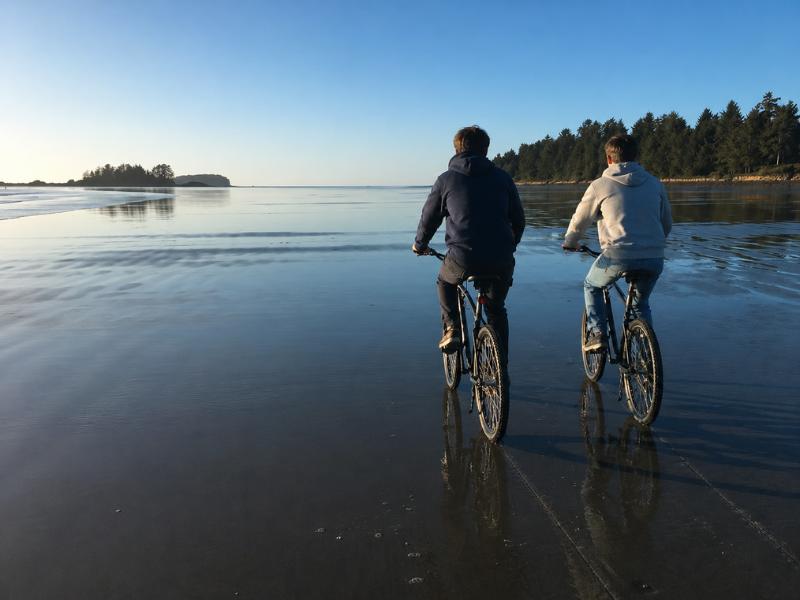
A relaxed first trip might base on Salt Spring or Pender, mix guided paddling with market days and easy walks, and use the inter-island ferries to sample a second island. If your wider holiday also takes in the west coast, the contrast is worth building in: a gentle Gulf Islands paddle early on, then the wilder side later. On the west coast, a guided bike-and-hike along the surf beaches from around $108 and the boat-only Hot Springs Cove wildlife cruise from about $228 make a fine pairing, so check the live listing for both. If you would rather have the logistics handled, the team behind our guided island adventures arranges ferry-linked days and boat tours end to end. For park rules and campsite details, Parks Canada and the BC Ferries schedules are the two resources worth checking before you go, along with the island visitor site for island-by-island information.