Camping & RV Trips on Vancouver Island: Parks, Beaches & Bookings
Waking to surf on one side of the island and a warm lake beach on the other is the case for camping Vancouver Island. Here is how the park systems work, which campgrounds are worth the drive, and how far ahead to book.
Keep camping as the main plan. Use this shortcut to compare optional guided outings after choosing your base.
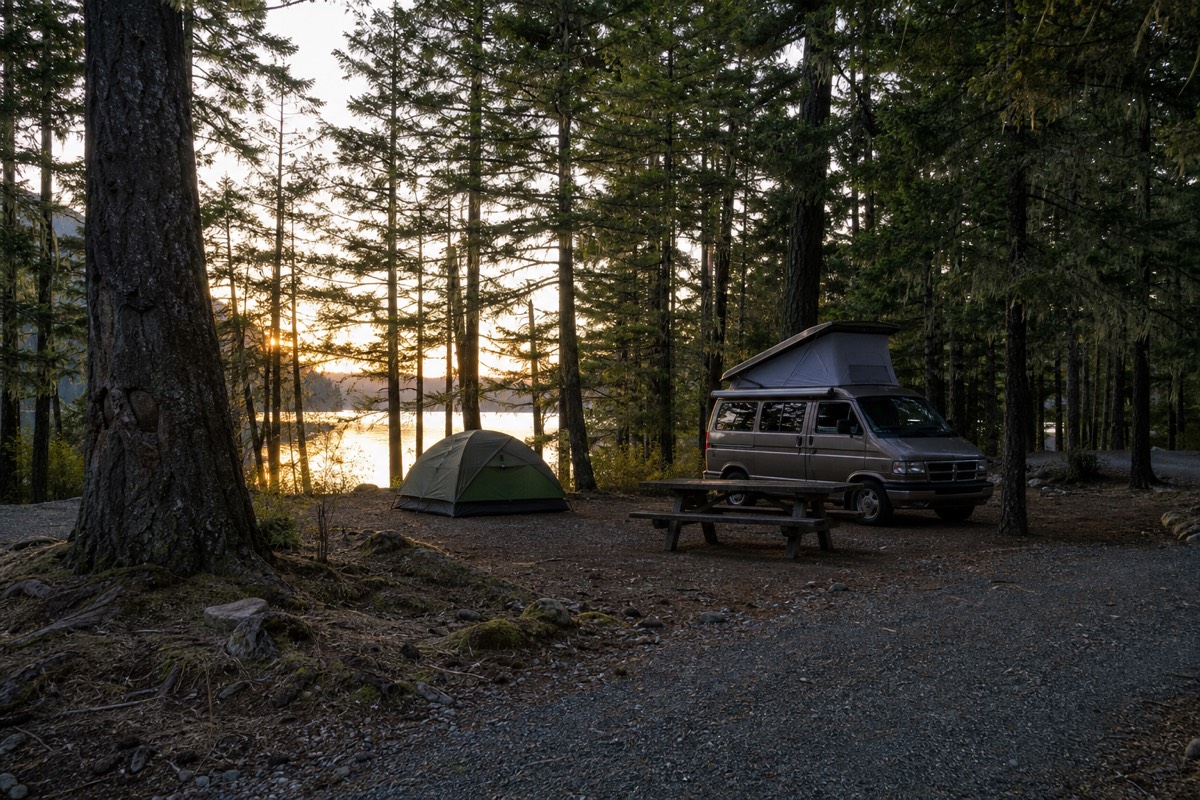
The reason people plan a whole summer around camping Vancouver Island is that the two coasts feel like two countries. On the east side you get warm shallow beaches, calm swimming lakes and old-growth river canyons; on the exposed west side you get open Pacific surf, storm-scoured sand and rainforest that drips even in July. A campsite is the cheapest way to stand in both. This guide walks through how the booking systems work, which campgrounds earn their reputation, how to bring an RV over, and when to reserve so you actually get in.
Vancouver Island camping, month by month
Seasonal planning allowances for island camping; reservation windows and rates are set yearly, so confirm current details on the BC Parks and Parks Canada sites.
Is Vancouver Island good for camping and RV trips?
Yes, few places in Canada match it. The island strings provincial and national park campgrounds along warm-water beaches, salmon rivers, old-growth forests and the wild west coast, all within a few hours' drive of each other. The catch is demand: the best sites book out months ahead for summer, so the difference between a great trip and a frustrating one is planning.
What sets island camping apart is the variety inside a short drive. You can spend three nights on a warm family beach near Parksville, move to an old-growth river gorge, then finish on the surf coast at Tofino, all on paved highway. The trade-off is popularity. The marquee campgrounds are among the most reserved in British Columbia, and turning up in July hoping for a walk-up site is optimistic. If you would rather skip the logistics entirely and let someone else handle the ferry, the driving and the stops, a private two-day tour from Vancouver to Tofino covers the same west-coast ground with a bed and a driver arranged, a useful comparison point as you weigh the effort of a self-drive camping trip.
How do the campground booking systems work?
Most public campgrounds fall under two systems: provincial parks run by BC Parks, reserved through the BC Parks reservation service, and national park campgrounds run by Parks Canada, reserved through the Parks Canada system. Private RV resorts book directly. Reservations open on a rolling window ahead of your arrival date, so mark the date the window opens for your dates and be ready.
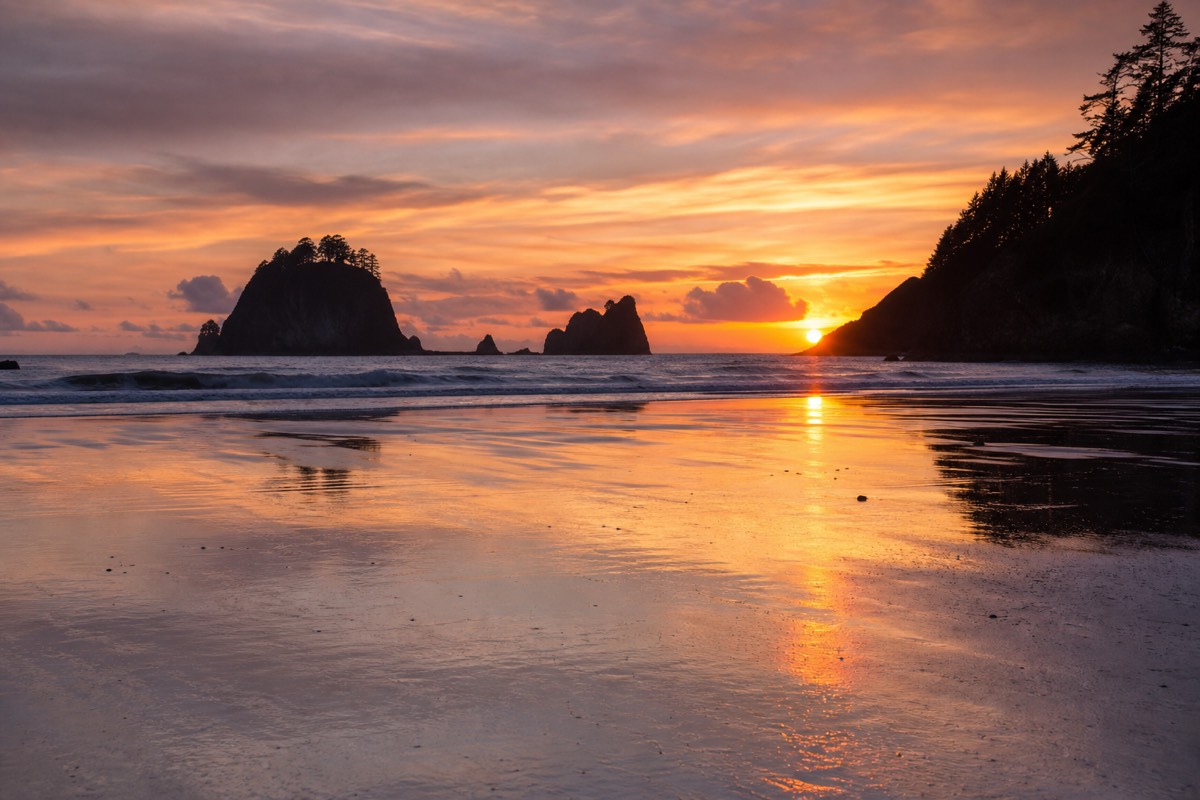
Understanding the split saves a lot of confusion. Provincial parks cover the vast majority of island camping, from beach parks to river canyons, and their sites are booked through BC Parks. The one national park camping option, on the west coast, is run by Parks Canada in Pacific Rim National Park Reserve, on a separate reservation system with its own opening window. Private RV parks and resorts operate outside both and take direct bookings, often with the full hookups the public parks lack. We do not quote nightly fees here because provincial and national park rates are set each year and change, so confirm current prices on the official sites when you book.
| System | What it covers | Booking | Good to know |
|---|---|---|---|
| BC Parks (provincial) | Beach, lake, river and forest campgrounds islandwide | BC Parks reservation service, rolling window | Most sites; hookups limited or none |
| Parks Canada (national) | The west-coast campground in Pacific Rim National Park Reserve | Parks Canada system, separate opening date | Park pass required on top of the site fee |
| Private RV parks | Full-service RV resorts and commercial sites | Direct with the operator | Best for full hookups and big rigs |
A practical tip: some provincial parks hold back a share of sites as first come, first served, which can rescue a spur-of-the-moment trip midweek or in shoulder season. It is a gamble in peak summer, though, so treat it as a bonus rather than a plan. Whichever system you use, read the individual campground page for site lengths, hookup details and any seasonal closures before you commit.
Which provincial park campgrounds are the best on Vancouver Island?
The standouts span the island's regions: Rathtrevor Beach near Parksville for warm-water family camping, Goldstream near Victoria for old-growth and the fall salmon run, Miracle Beach near Campbell River, French Beach on the Juan de Fuca coast, and the river-canyon pair of Englishman River Falls and Little Qualicum Falls. Each books through BC Parks.
Rathtrevor Beach is the island's family-camping icon, backed by forest and fronted by a tidal flat that warms in the sun and stretches out for what feels like a kilometre at low tide, ideal for small children. If you are travelling with kids, our guide to Rathtrevor Beach with kids goes deeper on the warm-water flats and the practicalities. Nearer Victoria, Goldstream Provincial Park sits in a dark old-growth canyon and comes alive in late autumn when salmon return to spawn, a spectacle covered in our piece on the Goldstream salmon run near Victoria. Up-island, Miracle Beach pairs a forest campground with a gentle beach, and out on the wild Juan de Fuca coast, French Beach offers a rugged, surf-facing alternative.
| Campground | Region | Best for |
|---|---|---|
| Rathtrevor Beach | Parksville, mid-island | Warm-water family beach camping |
| Goldstream | Near Victoria, south | Old-growth forest and the fall salmon run |
| Miracle Beach | Near Campbell River, north | Family beach and forest sites |
| French Beach | Juan de Fuca coast, south | Rugged, surf-facing shoreline |
| Englishman River Falls | Near Parksville, mid-island | Swimming holes and waterfall trails |
| Little Qualicum Falls | Near Qualicum, mid-island | Cascades and forest camping |
The two waterfall parks near Parksville, Englishman River Falls and Little Qualicum Falls, are a favourite pairing, both offering forested sites, short trails and summer swimming holes below the cascades. They also sit close to Cathedral Grove, so you can camp among the rivers and spend a day under the old-growth giants. Our guide to Vancouver Island waterfalls maps these falls in detail, and the ancient Douglas firs of Cathedral Grove stand just up the road for a day visit.
One honest caveat on this stretch: MacMillan Provincial Park, which protects the famous Cathedral Grove, is day-use only, so plan to sleep at one of the nearby river or lake parks and visit the grove by day. Further inland, Sproat Lake Provincial Park near Port Alberni gives you warm-lake swimming on the drive toward the west coast, a handy stopover that splits the long haul to Tofino into two easier days rather than one tiring push.
Where can you camp on the west coast near Tofino?
The signature west-coast option is the frontcountry campground in Pacific Rim National Park Reserve, set behind Long Beach between Tofino and Ucluelet, booked through Parks Canada and requiring a park pass on top of the site fee. It is one of the hardest sites to secure in the province, so book the moment the window opens. Private RV parks around Tofino and Ucluelet fill the overflow.
Camping behind Long Beach means falling asleep to open Pacific surf, which is exactly why it is so sought after. The park campground releases its sites on the Parks Canada system on a fixed opening date each year, and popular summer dates can vanish within minutes, so treat the release like buying concert tickets: know your dates, log in early, and have a backup. Around the two towns, private RV parks and campgrounds offer more availability and often full hookups, at a price. For everything else to do once you are out there, our full guide to a Pacific Rim National Park visit covers trails, beaches and park passes.
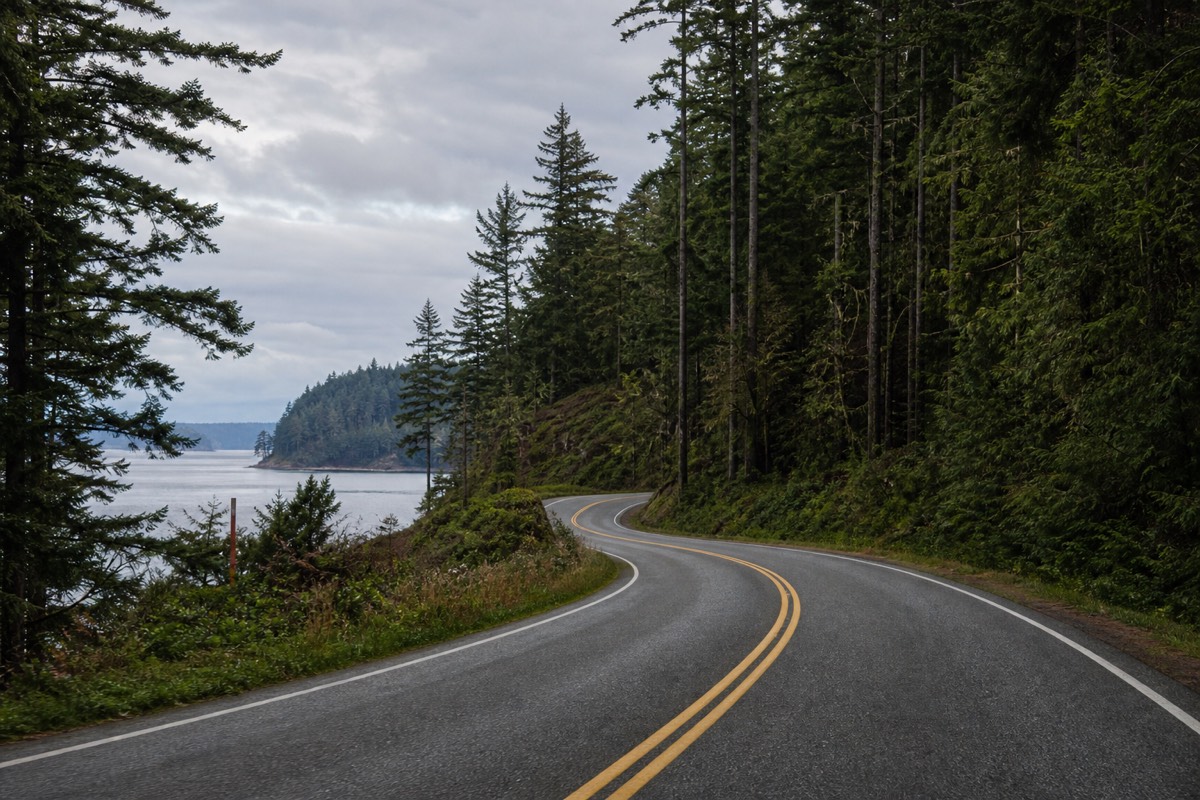
The west coast rewards travellers who get out from behind the wheel. A bike and hike tour of the wild coast of Tofino pairs beach cruisers with a walk to a Pacific lookout, an easy half-day that fits neatly into a camping itinerary when you want a guide to read the coast for you. Remember that Highway 4, the only road in, is narrow and winding over its final mountain stretch, which matters a lot if you are towing or driving a larger rig.
| West-coast option | Books through | Note |
|---|---|---|
| Pacific Rim park campground | Parks Canada | Behind Long Beach; park pass required; books out fast |
| Private RV parks, Tofino and Ucluelet | Direct with the operator | More availability, often full hookups |
| Nearby provincial park backup | BC Parks | Consider mid-island parks if the coast is full |
What about beach and family camping in the mid-island?
The Parksville and Qualicum stretch is the island's easiest family camping, with warm tidal beaches, calm swimming and short trails. Rathtrevor Beach leads it, backed up by Englishman River Falls, Little Qualicum Falls and, up-island, Miracle Beach. These parks suit tents and mid-size RVs and are the gentlest introduction for first-time island campers.
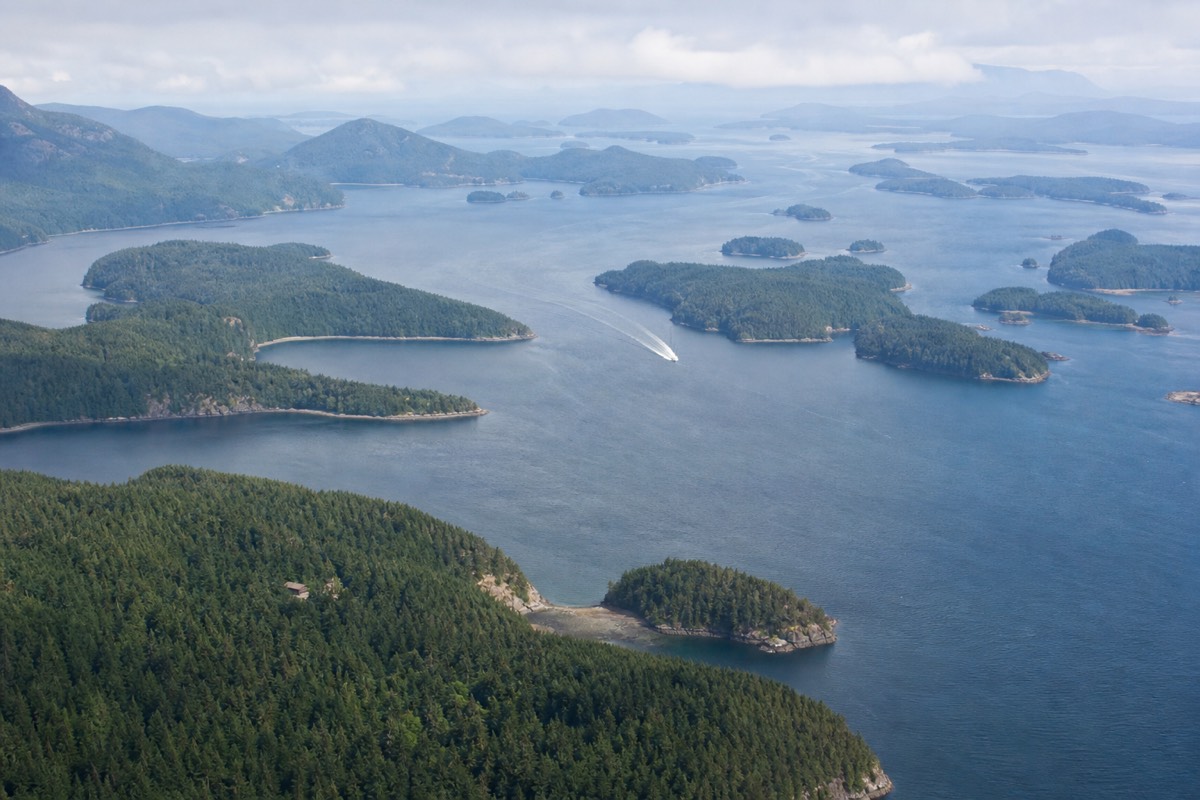
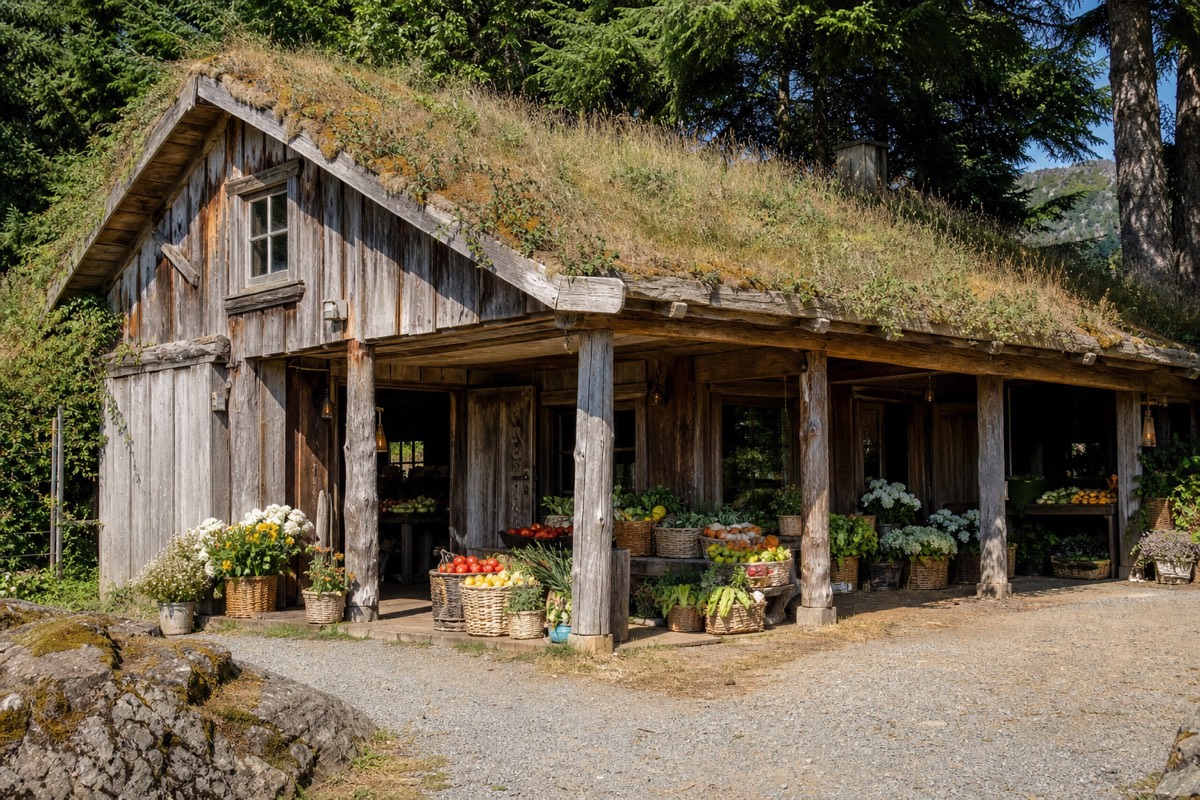
If your priority is a low-stress trip with young children, base yourself in the mid-island rather than chasing the dramatic west coast. The water is warmer, the drives are shorter, the beaches are flat and safe, and the region has the supermarkets, laundromats and services that make a longer camp comfortable. The famous Coombs market, with its goats grazing on a grass roof, sits right in this zone and makes an easy provisioning stop. To reach the same area without setting up camp at all, the Cathedral Grove, Coombs and waterfalls day tour strings the falls, the old-growth grove and the market into one private day, which is a good scouting run if you are deciding where to pitch next time.
| Family park | Draw | Camper type |
|---|---|---|
| Rathtrevor Beach | Warm tidal flats, huge low-tide beach | Tents and mid-size RVs |
| Miracle Beach | Gentle beach, forest sites, nature house | Tents and RVs |
| Englishman River Falls | Swimming holes below the falls | Tents and smaller RVs |
| Little Qualicum Falls | Cascades, forest loop trails | Tents and smaller RVs |
Where can you find wilderness and walk-in camping?
Beyond the drive-in parks, the island rewards travellers who want more quiet with walk-in and boat-access camping. Newcastle Island, a short passenger ferry from Nanaimo, has car-free walk-in sites; the Broken Group Islands in Pacific Rim are paddled by sea kayakers on multi-day trips; and the far-north backcountry parks suit the well-prepared and self-sufficient.
Newcastle Island, known by its traditional name Saysutshun, sits just off Nanaimo and is reached by a short passenger ferry, with walk-in and cycle-in sites, forest and shoreline trails, and no cars to break the calm. It makes a gentle first taste of backcountry-style camping without the commitment, and pairs well with a night or two in town from our guide to things to do in Nanaimo. Out west, the Broken Group Islands are a scatter of more than a hundred islets in Barkley Sound, camped only by experienced sea kayakers holding a Parks Canada permit. Closer to Victoria, walk-in sites at Ruckle Provincial Park on Salt Spring Island offer coastal camping a short stroll from the car, and our Salt Spring Island day trip guide covers the ferry over. Up-island around Campbell River, the country opens the door to the wilder north end, where the crowds thin and the forests deepen.
| Type | Where | How you reach it |
|---|---|---|
| Walk-in island | Newcastle Island (Saysutshun), off Nanaimo | Short passenger ferry, no cars |
| Sea-kayak marine | Broken Group Islands, Barkley Sound | Multi-day paddle, permit required |
| Walk-in coastal | Ruckle Provincial Park, Salt Spring Island | Ferry over, short walk to the sites |
| Backcountry north | Far-north parks near the island's tip | On foot, self-sufficient and prepared |
Wherever you pitch, camp bear-aware: store food and scented items securely, keep a clean site, and pack out everything you bring. Check for campfire bans before you strike a match, since summer fire restrictions are common on the island and strictly enforced, and remember that cell coverage thins fast once you leave the main highways, so download maps offline and tell someone your plan before heading into the backcountry.
How do you bring an RV to the island, and what should you know?
RVs cross on BC Ferries, where the vehicle fare rises with length, so reserve space ahead for anything oversize. On the island, expect limited hookups in provincial parks, sani-dump stations rather than in-site sewer, tight site-length limits, and one winding highway to the west coast. Private resorts are the place to go for full hookups and big rigs.
Getting a motorhome or trailer over is straightforward but worth planning. On BC Ferries, oversize vehicles pay by length and benefit from a reservation, especially on summer sailings, and you will want to know your total length including any tow. Once ashore, set expectations: most provincial park sites have no electrical, water or sewer hookups, relying instead on shared taps and sani-dump stations, so arrive with full water and empty tanks and plan your dumps. Check each campground's maximum site length before booking, because many older parks were laid out for tents and small trailers, not 30-foot motorhomes. Map your drive stop by stop before you set out, and if you are weighing a rental camper against your own rig, our first-timer's take on campervanning Vancouver Island is worth a read.
| RV consideration | What to expect | Plan for it |
|---|---|---|
| Ferry crossing | Fare by vehicle length; oversize reservable | Book ahead and measure your full length |
| Hookups in parks | Limited or none in most provincial parks | Use private resorts if you need full service |
| Dump stations | Sani-dumps, not in-site sewer | Arrive full of water, empty of waste |
| Site length | Many older sites suit small rigs only | Check the maximum length per campground |
| Highway 4 to Tofino | Narrow, winding final mountain stretch | Drive it in daylight, allow extra time |
When should you camp, and how far ahead should you book?
July and August are peak: the warmest, driest weather and the fullest campgrounds, requiring reservations the moment the booking window opens. May, June and September give the best balance of decent weather and easier availability. October through April is quiet, wetter, and better suited to hardy campers, with more first-come sites free.
The island's camping season tracks its weather closely. Peak summer delivers the reliable sun and warm lake swimming that make the beach parks famous, but it also means the marquee sites are gone within the first hour the window opens for your dates. The shoulder months are the sweet spot for many: late spring brings green rivers and blossom without the crush, and September holds warm days, thinning crowds and, in the rivers, the first returning salmon. Winter camping is for the prepared, with storm energy on the west coast and long rain elsewhere. For a fuller month-by-month read, see our guide to the best month to visit Vancouver Island.
| Season | Weather | Availability | Verdict |
|---|---|---|---|
| Spring (Apr to Jun) | Cool to mild, some rain | Easier, filling by June | Green and quiet, great value |
| Summer (Jul to Aug) | Warmest and driest | Book as the window opens | Best beaches, hardest to secure |
| Autumn (Sep to Oct) | Mild, wetter later | Easing after Labour Day | Warm days, salmon runs, fewer people |
| Winter (Nov to Mar) | Wet, stormy on the coast | Widest, many first-come sites | For hardy campers only |
However you plan it, the discipline is the same: pick your dates, learn the day the reservation window opens for them, and be online the moment it does for anything in peak season. Do that and Vancouver Island rewards you with a camping trip that swings from warm family beaches to old-growth canyons to open Pacific surf, all in a few days. When you would rather trade the tent poles for a booked bed and a guide, you can book a guided island tour and let the operators handle the ferries, the driving and the timing while you enjoy the scenery.