Salmon Fishing on Vancouver Island: Seasons, Spots & Charters
A chinook hauled over the gunwale off the mouth of the river it was born in is the image Vancouver Island sells to anglers, and this one mostly holds up. Here is where to go, when, and what you need first.
Considering Campbell River for your fishing day? This private charter includes fishing equipment and instruction for up to six guests. Check Campbell River private fishing dates
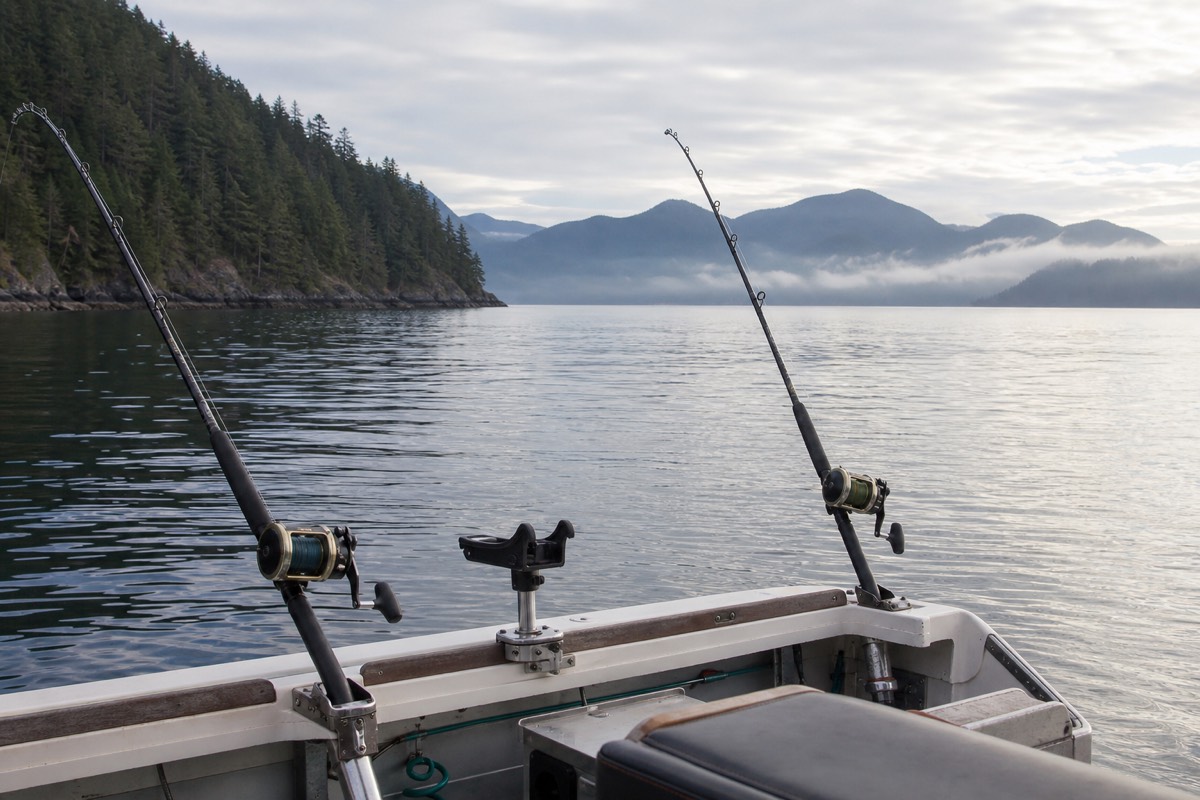
Ask a room of anglers where to catch salmon in British Columbia and a lot of the answers point at one long green island. Vancouver Island sits astride the migration routes that Pacific salmon follow back to their home rivers, which is why towns up and down its coast built their identities around the fishery. The catch is that salmon fishing here is not a turn-up-and-cast affair. Species, seasons, tides and rules all shift by region and by year, and getting them straight before you go is the difference between a good day and a slow one.
This guide lays out the five salmon species you can target, the towns and waters they run through, when each is at its best, what licence you need, and how to weigh a guided charter against fishing on your own. Seasons here are planning allowances rather than promises: the openings and limits are set year to year, and nobody, guide included, can guarantee a fish.
Which salmon are biting through the year
A general planning allowance only. Actual salmon openings, limits and closures are set year to year by Fisheries and Oceans Canada and differ by area, so always check current rules before you book.
Is Vancouver Island good for salmon fishing?
Yes, it is one of the premier salmon-fishing destinations on the Pacific coast. The island sits on the migration path of all five North American Pacific salmon species, and a string of towns from Campbell River to Sooke offer easy access to productive waters. Success still depends on season, tides and the year's returns, and a licence is required.
The appeal is the variety within a short drive. On the sheltered east coast, the waters off Campbell River and through Discovery Passage funnel migrating fish past the town that long billed itself as a salmon capital. On the west coast, the open Pacific off Tofino, Ucluelet and up the Alberni Inlet delivers a different kind of fishing, and the south end around Sooke and Victoria puts strong chinook grounds within reach of the capital. Add halibut and other bottom fish, and a fishing trip here rarely comes up empty of options.
| Question | The short answer | |
|---|---|---|
| Best-known salmon hub | Campbell River, on the sheltered east coast | Long billed as a salmon capital |
| West-coast bases | Tofino, Ucluelet, Port Alberni | Open Pacific and inlet fishing |
| Closest to Victoria | Sooke and the Juan de Fuca waters | Strong chinook grounds |
| Species in play | Chinook, coho, sockeye, pink, chum | Plus halibut and bottom fish |
| Do you need a licence? | Yes, a tidal waters licence and salmon stamp | Check current rules before you go |
Which salmon species can you catch, and when?
There are five Pacific salmon species around Vancouver Island: chinook, coho, sockeye, pink and chum. Chinook, the largest, are the marquee target and are available across much of the year in different areas. Coho peak in late summer and early fall, sockeye run mainly in summer, pinks return heaviest in odd-numbered years, and chum arrive latest, in the fall.
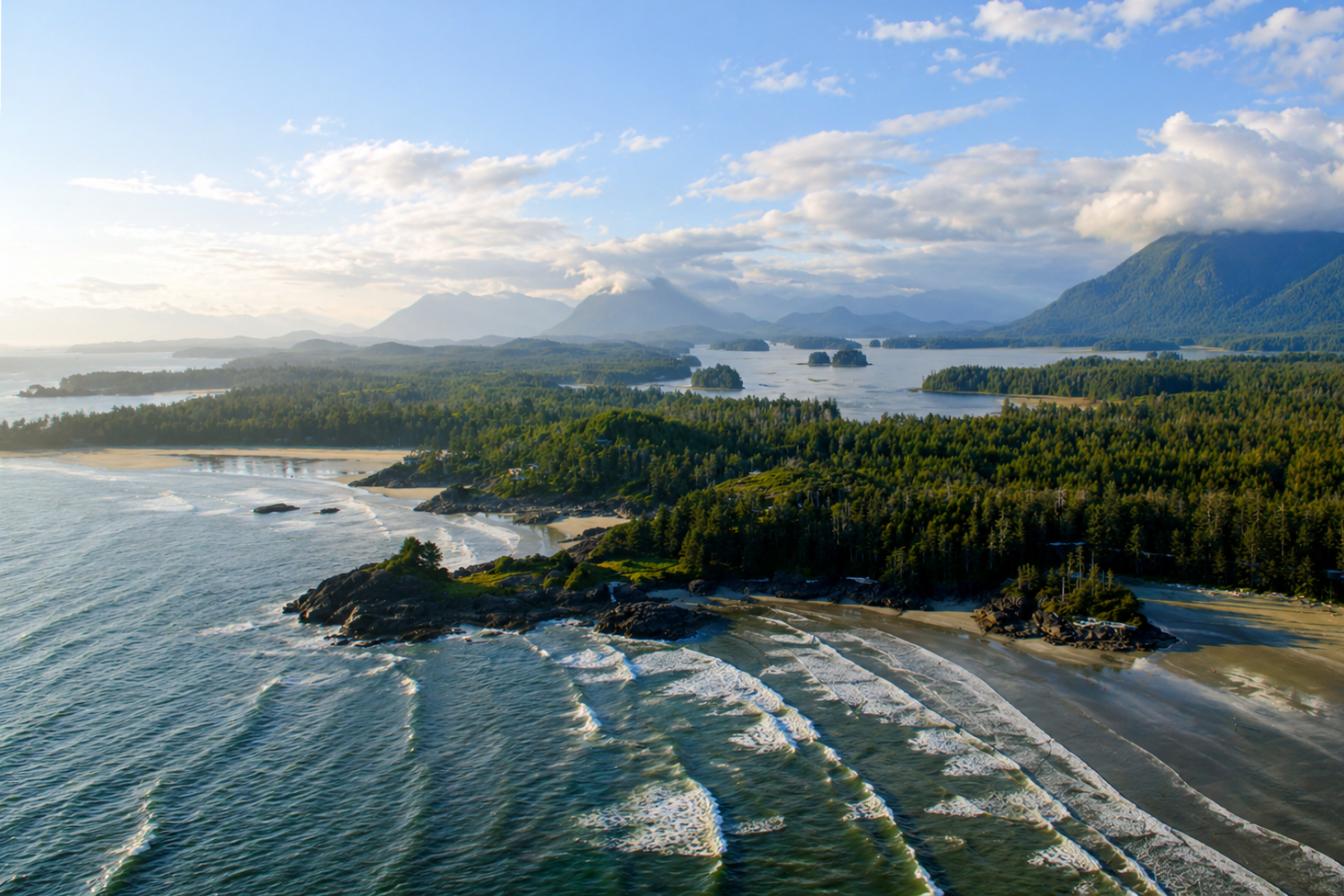
Each species behaves differently, which shapes when and how you fish for it. Chinook, also called king or spring salmon, are the heavyweight prize and the reason many anglers make the trip. Coho, or silver salmon, are aggressive and fun on lighter tackle. Sockeye run in dense summer schools, most famously up the Alberni Inlet. Pink salmon flood in during their odd-year cycle, and chum close out the season in autumn, the same late run you can watch spawning in a guide to Goldstream Park and the salmon run near Victoria.
| Species | Also called | Best window | Notes |
|---|---|---|---|
| Chinook | King, spring | Much of the year, peaking summer | The largest and most prized |
| Coho | Silver | Late summer into fall | Aggressive, great on light tackle |
| Sockeye | Red | Summer | Alberni Inlet is the classic run |
| Pink | Humpy | Late summer, odd years strongest | Huge numbers in a peak year |
| Chum | Dog | Fall | The latest run of the season |
Where are the best salmon fishing spots on Vancouver Island?
The standout areas are Campbell River and Discovery Passage on the east coast, Port Alberni and the Alberni Inlet for summer sockeye and fall chinook, the open Pacific off Tofino and Ucluelet, and Sooke near Victoria for chinook. Each suits a different base and a different style of fishing, so pick the region that matches where the rest of your trip is anchored.
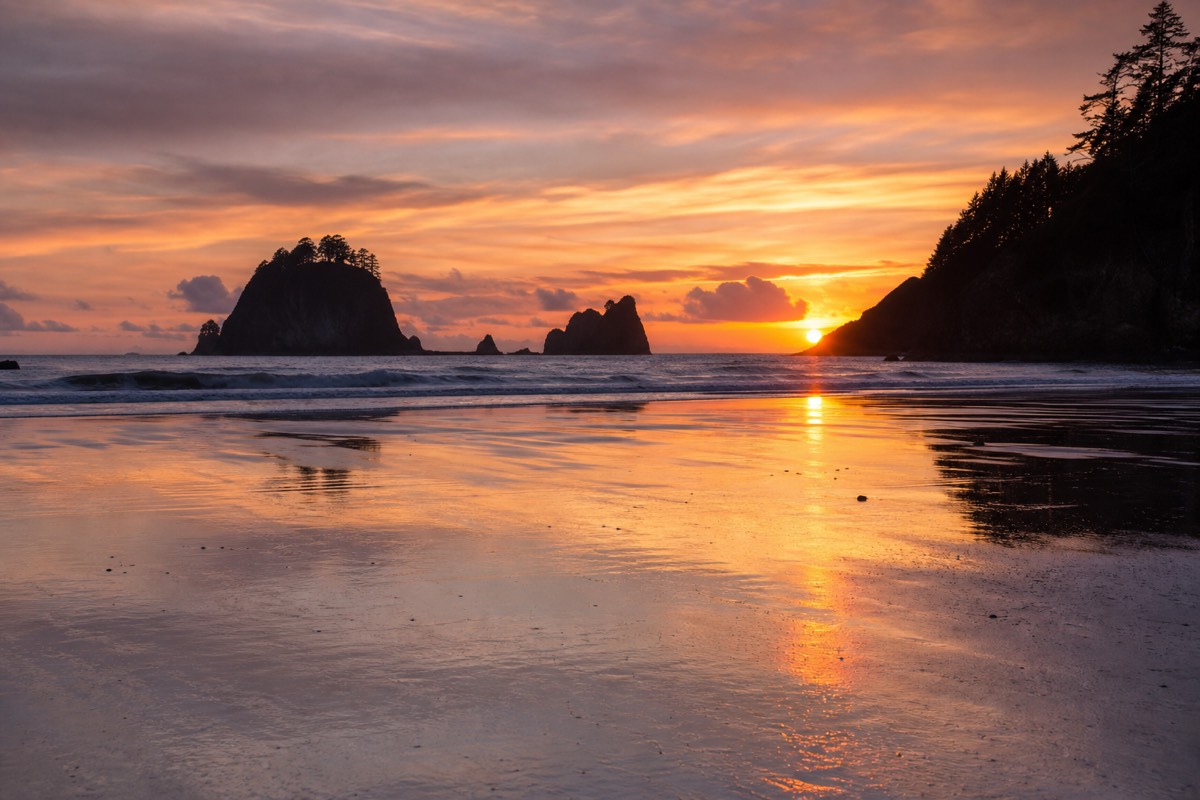
The island is long, and the fishing is spread across it, so trying to sample every hotspot in one trip means a lot of driving. The smarter play is to base near the water you most want to fish. If your trip is built around the west coast, Tofino and Ucluelet put you on the open Pacific and within reach of Barkley Sound; our guide to choosing between Tofino and Ucluelet helps you pick a base, and the wider things to do in Tofino and Ucluelet covers what fills the non-fishing hours.
| Area | Base town | Best for | Character |
|---|---|---|---|
| Discovery Passage | Campbell River | Chinook and coho | Sheltered, storied fishing town |
| Alberni Inlet | Port Alberni | Summer sockeye, fall chinook | Long inlet run up to town |
| Barkley Sound | Ucluelet | Chinook, coho, halibut | Protected sound plus open water |
| Clayoquot and offshore | Tofino | Chinook, coho, halibut | Open Pacific, wild scenery |
| Juan de Fuca | Sooke, Victoria | Chinook | Closest to the capital |
| Nanaimo area | Nanaimo | Chinook, coho | Central and easy to reach |
Campbell River deserves its reputation as the island's fishing heart, and it happens to sit near one of the island's finest waterfalls; if you are basing up north, our guide to Elk Falls and the suspension bridge near Campbell River is a natural non-fishing add-on for the family.
The two coasts fish differently, and knowing which you prefer helps you choose a base. The sheltered east coast, through Discovery Passage and down toward Nanaimo, offers calmer water and a long fishing heritage, which makes it forgiving for first-timers and families. The exposed west coast off Tofino and Ucluelet is wilder and more weather-dependent, but it puts you on open Pacific grounds and within reach of halibut and other bottom fish alongside the salmon.
Salmon are not the only fish worth the trip. Halibut, lingcod and rockfish share these waters, and many west-coast charters split a day between salmon on the troll and a spell of bottom fishing over deeper structure. If your group cares more about filling a cooler than chasing a single species, ask operators about a mixed trip, since the variety is one of the coast's quiet strengths.
When is salmon fishing season on Vancouver Island?
Salmon fishing runs through much of the year, but the heart of the season is roughly June through September. Summer brings the widest choice, with chinook, sockeye and building coho. Early fall is prime for coho and, in an odd year, pink salmon. Winter chinook fishing happens in some sheltered areas. Openings and limits change year to year, so confirm current rules first.
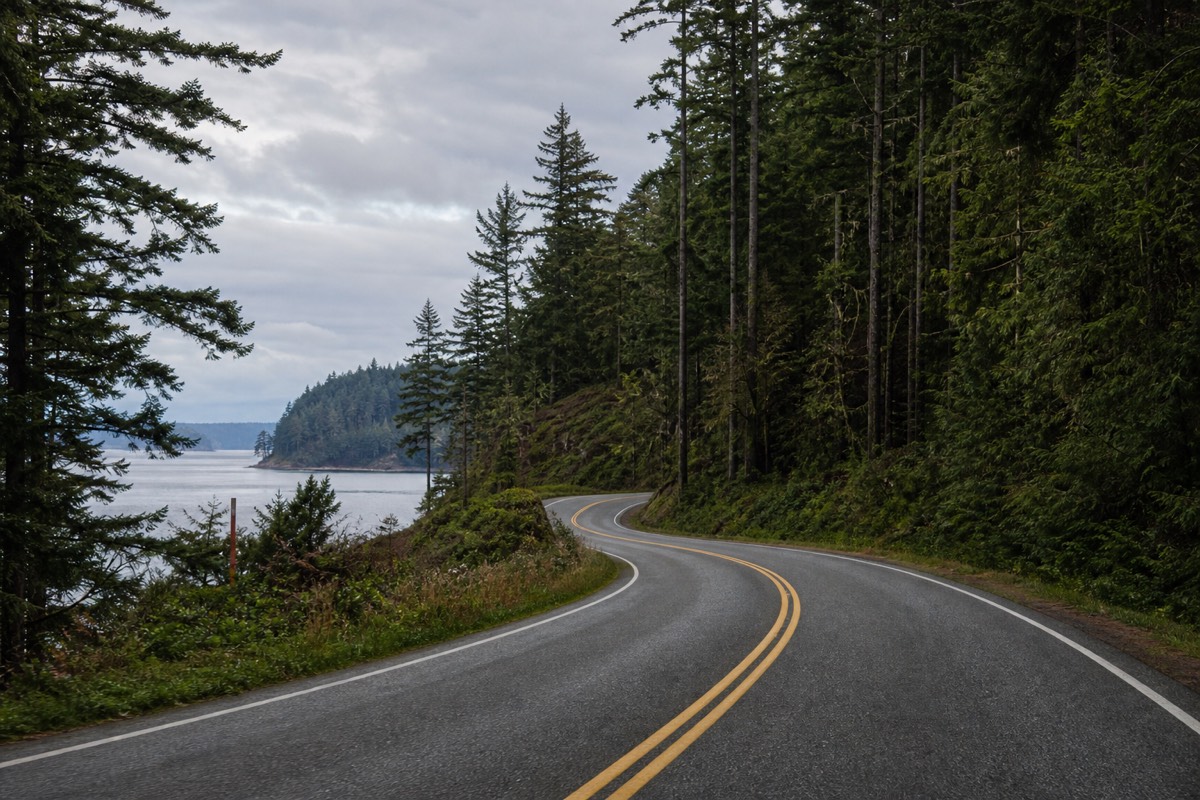
Because the fishery is managed for conservation, the calendar is a guide rather than a guarantee. Fisheries and Oceans Canada sets the openings, size limits and any in-season closures, and these can shift with the strength of a given run. The month-by-month picture below is a general planning allowance to help you time a trip, not a promise that a given fish will be open on your dates.
| Month | What tends to be strong | Notes |
|---|---|---|
| March to May | Chinook in some areas, winter fishery tailing off | Quieter, weather variable |
| June | Chinook building | Season getting going |
| July | Chinook, sockeye up the Alberni Inlet | Peak summer |
| August | Chinook, coho building, pinks in odd years | The busiest stretch |
| September | Coho strong, chinook, early chum | A favourite month |
| October onward | Chum, winding down | Fewer boats out |
If your dates are flexible and you want to combine fishing with the island's other autumn draws, September is hard to beat, since the same season delivers strong wildlife viewing; our guide to the best month to visit Vancouver Island lays out why the shoulder months work so well.
What tackle and methods work for island salmon?
The two most common ocean methods are trolling, where lures or bait are pulled slowly behind a moving boat, and mooching, a drift technique with cut bait. Jigging near structure and casting from shore also take fish in the right spots. On a charter the skipper picks the method to suit the day; independent anglers should match tackle to the target species and the water.
Trolling is the workhorse of island salmon fishing. Boats pull flashers paired with lures or bait at a set depth, often using downriggers to sink the gear down to where chinook are holding, then cover water until they find fish. Mooching is the more hands-on cousin, drifting cut bait through a school and feeling for the take, and it has a devoted following around the older fishing towns. Closer to shore, and for anglers without a boat, jigging near reefs and casting spinners near river mouths in season can take coho and pinks, though the odds are longer than they are out on the water.
- Trolling: lures or bait pulled behind the boat, often with downriggers for depth. The most productive all-round method, and the standard on charters.
- Mooching: drifting cut bait through a school, a hands-on technique favoured by experienced local anglers.
- Jigging: working a weighted lure up and down near reefs and structure, effective for salmon and bottom fish alike.
- Casting and spinning: from shore or a small boat near river mouths, mainly for coho and pinks in season.
You do not need to master any of this yourself if you fish with a guide, which is one of the strongest arguments for a charter on a short trip. The skipper reads the depth, the tide and the fish, and sets the gear accordingly. If you plan to fish independently, though, matching your tackle and method to the season and the target species is the homework that separates a full day from a slow one.
Do you need a charter, or can you fish on your own?
You can do either. A guided charter supplies the boat, gear, local knowledge and licence guidance, and is the fastest route to fish if you are visiting. Fishing on your own works if you bring or rent a boat and know the waters, and shore or pier fishing is possible in places but far less productive for salmon. Most visitors book a charter for the best odds.
The honest trade-off is knowledge versus cost. A good charter skipper knows where the fish are holding on the day, reads the tide, and handles the gear, which for a short visit is worth a great deal. Self-guided fishing gives you freedom and saves money, but the learning curve on unfamiliar tidal water is steep, and salmon move. Shore fishing exists, especially near river mouths in season, but it is the long-odds option for salmon compared with getting out on the water.
| Approach | What you get | Who it suits |
|---|---|---|
| Guided charter | Boat, gear, local knowledge, licence guidance | Visitors wanting the best odds fast |
| Self-guided by boat | Freedom and lower cost, if you know the water | Experienced anglers with a boat |
| Shore or pier | Cheap and casual, lower success for salmon | Casual casters near river mouths |
What licence and gear do you need?
To fish salmon in the ocean around Vancouver Island you need a tidal waters sport fishing licence and a salmon conservation stamp, both from Fisheries and Oceans Canada. A charter usually helps you sort the licence, and it provides rods, tackle and safety gear. Independent anglers need their own gear, plus tide tables and current regulations.
Do not skip the paperwork. The tidal waters licence and salmon stamp are required, and rules on limits and which fish you may keep change year to year and by area, so check them close to your trip rather than relying on last season's memory. If you are fishing with a charter, most of this is handled for you; if you are going it alone, treat the licence, the tide table and the current openings as your first three jobs before you touch a rod.
| What | On a charter | On your own |
|---|---|---|
| Tidal waters licence | Often arranged or advised | Buy your own in advance |
| Salmon conservation stamp | Included with the licence step | Add it to your licence |
| Rods, reels, tackle | Provided | Bring or rent |
| Safety gear | Provided on the boat | Your responsibility |
| Tide and current info | The skipper handles it | Check tide tables yourself |
| Layers and rain gear | Bring your own | Bring your own |
How do you choose a charter, and what does it cost?
Pick a licensed local operator with strong reviews, a boat suited to the water, and a skipper who fishes your target species in your season. Half-day and full-day trips are widely offered from the fishing towns, and prices vary by boat size, trip length and time of year, so compare a few operators directly rather than assuming a fixed rate. Always ask what the trip includes.
Because we do not book fishing charters ourselves, the practical advice is to shortlist a couple of well-reviewed operators in your chosen town and contact them directly. Ask which species is realistic on your dates, what the boat carries, whether gear and licence help are included, and what happens if the weather turns. A skipper who is straight with you about the odds is usually the one worth booking. Avoid anyone who guarantees a catch, because nobody can, and openings can change without notice.
Weather is the wild card on the water here, and it changes fast. Bring waterproof layers, a warm hat, sun protection and something for seasickness if you are prone to it, whatever the forecast says at the dock. For the wider rhythm of island conditions through the year, our overview of whale watching on Vancouver Island covers the same seas and how they behave season to season.
What else can you do on the water around Tofino and Ucluelet?
Plenty. The same wildlife-rich waters that draw anglers to the west coast run some of the island's best wildlife cruises and coastal adventures. If your group mixes anglers with non-fishers, or you want a rest day off the rods, a bear-watching cruise, a hot-springs boat trip or a coastal bike-and-hike fills the day on the water without a fishing licence.
This is where the site's own tours come in. A small-group bear-watching cruise into Clayoquot Sound times its run to the low tide when coastal black bears come down to forage, for around $140 per person, so check the live listing for current dates and prices. The salmon that fuel the fishery also feed those bears, a link our guide to bears on Vancouver Island explains. For a longer day afloat, the Hot Springs Cove tour with a wildlife cruise runs through the same inlets to natural geothermal pools reached only by boat, and landlubbers can trade the boat for a guided bike and hike along the wild Tofino coast.
| On a rest day | What it offers | Roughly how long |
|---|---|---|
| Bear-watching cruise | Coastal black bears at low tide | About 2 hours |
| Hot Springs Cove tour | Wildlife cruise plus geothermal pools | About 6 hours |
| Bike and hike | Surf beaches and a coastal lookout | About 3 hours |
| Beach day | Wild Pacific sand and surf | Half a day and up |
When you are off the water entirely, the west coast has more to it than the fishing: the beaches and rainforest of the national park reserve are the obvious draw, covered in our guides to the island's best beaches and Pacific Rim National Park, with the island's waterfalls rounded up in a separate waterfalls guide. To line up a wildlife cruise or coastal adventure around your fishing days, browse the full set of guided west-coast tours on the home page. For the park itself, Pacific Rim National Park Reserve is the official source, the regional tourism board at Vancouver Island's visitor site keeps a broad activity overview, and the Vancouver Island reference page explains why the coast fishes as well as it does.